


Second victim of bad weather/ Fisherman drowns in Ksamil
Citizen MH, 61, a fisherman, was found dead near the islan...

Citizen MH, 61, a fisherman, was found dead near the islan...

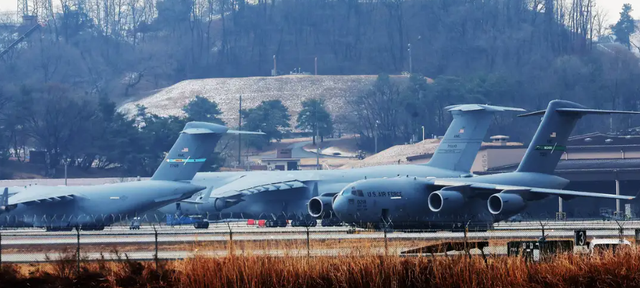
American defense companies are being asked to increase production to meet new needs created by the war in Iran, further deepening the existing conflict between them and the Trump administration.
Last Friday (March 6), US President Donald Trump hosted at the White House the heads of seven major defense industry companies - part of an effort by his administration to strengthen the sector as the war against Iran intensifies.
The conflict has revealed tensions within the American defense sector, with concerns about the US stockpile of long-range missiles and air defense interceptors, as well as the industry's ability to increase production in the event of a prolonged conflict.
Trump stated that during the meeting at the White House he had discussed "production and production timelines" with the companies - specifically Lockheed Martin, RTX (Raytheon), BAE Systems, Boeing, Honeywell Aerospace and Northrop Grumman.
However, there have been reports that negotiations between the Pentagon and major US defense contractors for new production capacity are not progressing as quickly as the White House would like, due to ongoing tensions.
Trump tensions
Byron Callan, a defense industry equity analyst at Capital Alpha Partners in Washington, says a persistent criticism of large U.S. defense companies is that they have been "risk averse," focusing on distributing dividends to shareholders rather than reinvesting.
"There has been criticism that the largest defense contractors in the United States have been sluggish, that they were not anticipating needs, not investing without taking risks," he told DW.
Before the US began airstrikes on Iran, tensions between the Trump administration and major US defense suppliers were rising.
Trump has regularly criticized defense companies, saying they prioritize shareholder dividends and executive salaries over investing in infrastructure and manufacturing capacity.
He has also criticized companies that fail to meet production deadlines and exceed budgets. He previously singled out RTX (formerly Raytheon), a major manufacturer of missiles and air defense interceptors used by the US military in the conflict with Iran, calling it “the slowest to increase production volume and the most aggressive in spending on its shareholders, rather than the needs and demands” of the US military.
He has even threatened those companies with exclusion from government contracts if they do not increase investment in factories.
In January, Trump issued an executive order stating that defense companies "are not permitted in any way, shape, or form to pay dividends or make stock buybacks until they are able to produce a superior product, on time and within budget."
The Trump administration is also currently embroiled in a bitter feud with artificial intelligence startup Anthropic — a supplier to the US military — over its refusal to give the military unrestricted access to its Claude chatbot.
More production and faster
Trump has specifically accused companies of spending too little on expanding production capacity, focusing more on appeasing investors through mechanisms such as stock buybacks.
Stock buybacks occur when companies use their profits to buy back their own shares, reducing the number of publicly available shares and potentially increasing the value of the remaining shares.
The wars in Ukraine and Gaza have increased demand from US allies for US-made weapons, and Trump has previously criticized companies that he said were not meeting demand quickly enough.
“We have a lot of countries that want the F-35 fighter jet, and it takes a long time for them to deliver it to their allies or even to us,” he said. “The only way they’re going to be able to deliver it is to build new factories. But they don’t want to build new factories because it’s too costly.”
Questions about the defense budget
Philip Sheers, associate fellow in the Defense Program at the Center for a New American Security, says that investment in the US defense industrial base is increasing, especially in munitions production and air defense.
However, he warns that it will take time for these investments to translate into increased production rates. "Opening new facilities or increasing the supply of raw materials can take years, and we have seen this with many of the plants that are still being built after the war in Ukraine," he told DW.
However, he said that a significant portion of the blame for the slow production lies with the US government itself, due to its repeated failure to pass budgets on time due to political infighting.
"If the U.S. government wants the defense industrial base to move quickly, it must approve and allocate budgets in a timely manner so that contracts can be signed, resources can be allocated, and industry has incentives to act," he said, adding that "the continued failure to approve budgets on time has become a geopolitical own goal of potentially historic proportions."
Byron Callan says the Trump administration's desire for defense companies to invest in increasing production capacity could be hampered by budget issues.
Polls currently suggest that Democrats have a good chance of regaining control of the US Congress in the November midterm elections. "This could put a clear limit on defense spending," he said.
"This is an unpopular war, and if that happens (Democratic victory), then there will be expectations for more non-military spending, for things like health care and infrastructure."
The United States has budgeted $850 billion (€740 billion) for defense in the 2025 budget, and this amount is expected to reach $900 billion in 2026.
Trump has called for the defense budget to reach a full $1.5 trillion by 2027, a figure that has caused alarm among many experts, who have long questioned the sustainability of the American debt in its current state.
Iran a permanent war?
The American defense sector is also preparing for the possibility that the war in Iran will last much longer than expected.
When the war in Iraq began in 2003, Kenneth Adelman, the US ambassador to the UN during the Ronald Reagan administration, firmly believed that it would be a quick and easy victory for the United States.
However, the way that war dragged on and became a constant trap for the US military completely changed his political perspective. Although he remains a Republican, today he is a vocal critic of Trump. Adelman told DW that he thinks the conflict with Iran could take on a similar dynamic. "Iran has been preparing for this situation for a long time," he said.
"It's already lasted longer than the Pentagon planned. And I no longer have confidence in the way the Pentagon plans these things, after what I saw in Iraq." A prolonged conflict is likely to bring increased orders for major US defense companies, as well as increases in their stock prices.
The Trump family has been increasing its investments in the defense sector. This week, the president's sons, Eric and Donald Jr., invested in a new drone company that aims to take advantage of the ban on new Chinese drones in the US.
Since the war began on February 28, US defense stocks have retreated. Although the Dow Jones US Aerospace & Defense index rose briefly at the start of the conflict, it has since fallen by about 3%./ DW

US President Donald Trump stated that Israel could end the...
US President Donald Trump has stated that he does not supp...
US President Donald Trump has again criticized internation...
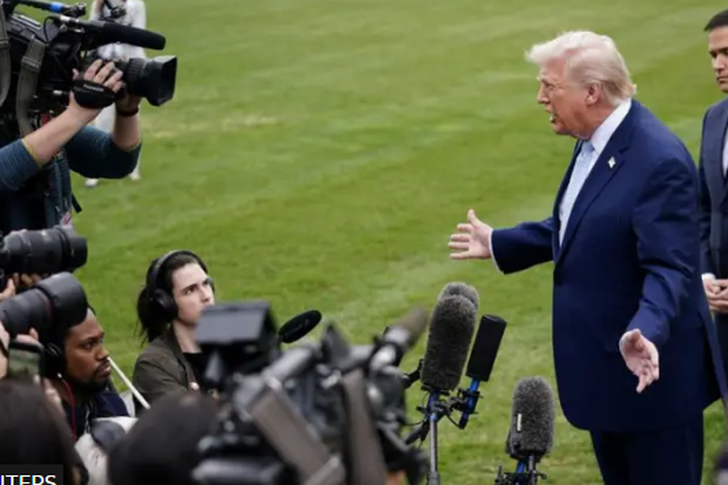
US President Donald Trump has criticised the United Kingdo...

Two US federal prosecutors are conducting criminal investi...
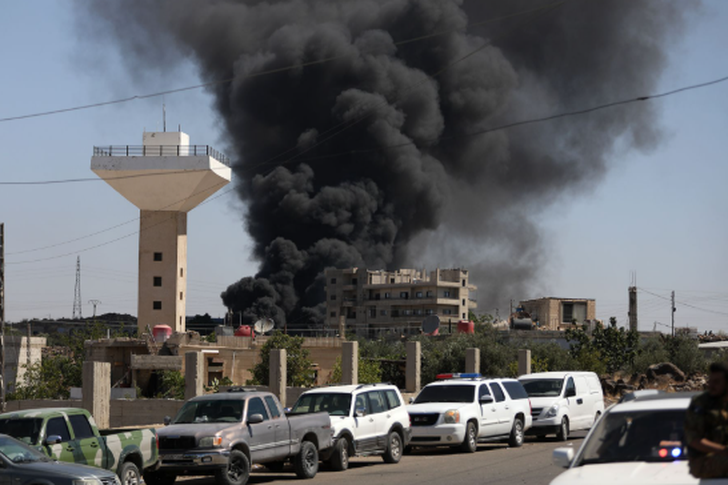
According to foreign media reports, Israel has carried out...
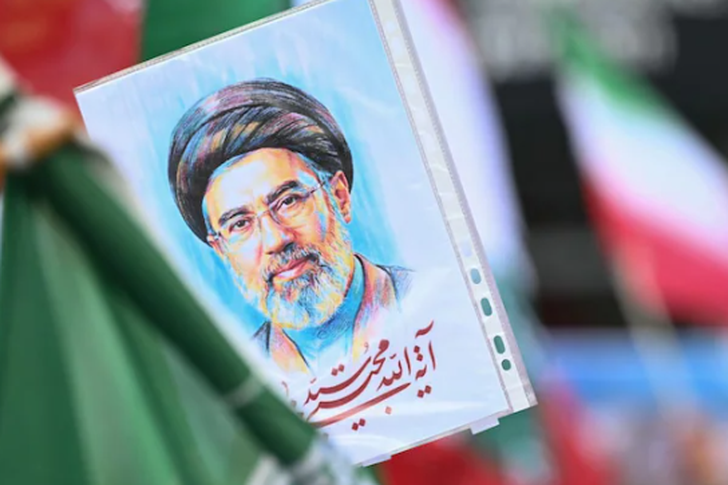
Mojtaba Khamenei became a central figure in one of the mos...

Mojtaba Khamenei narrowly escaped death during an airstrik...
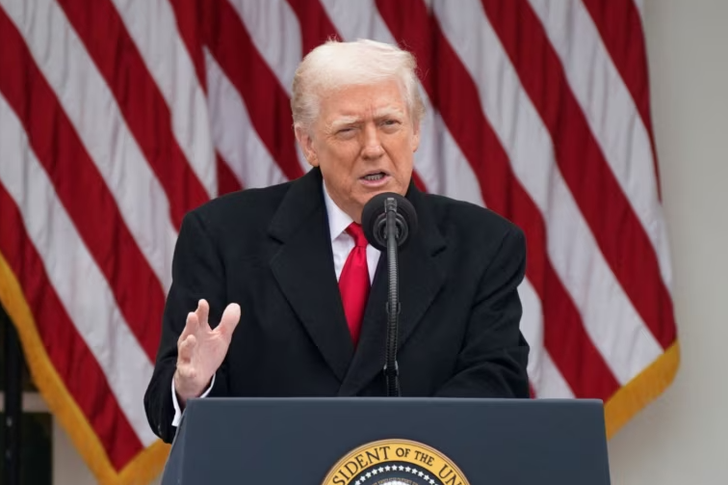
US President Donald Trump has shared a message, along with...

Actor and martial arts legend Chuck Norris has died at the...
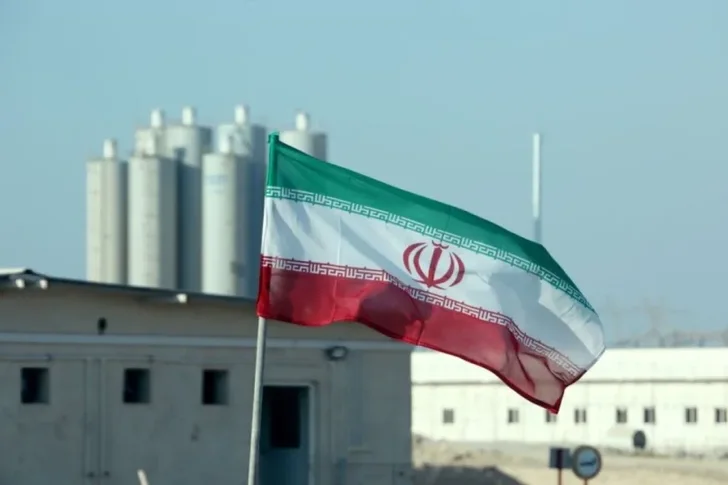
Strikes on Iran's political and military elite during the ...
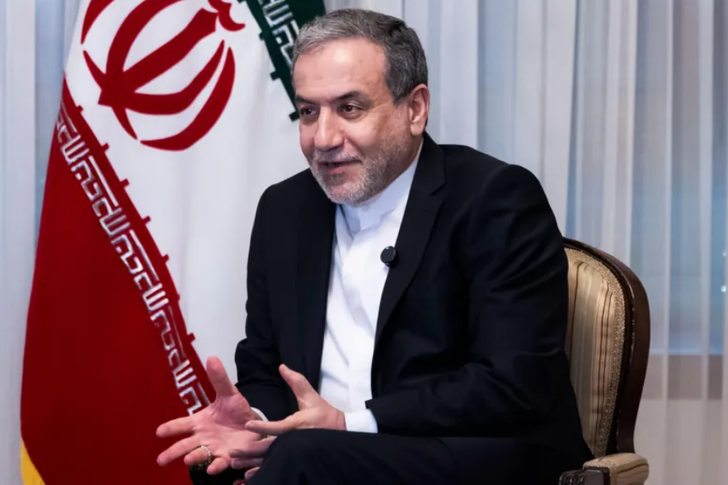
Iran's Foreign Minister, Seyyed Abbas Araghchi, warned the...
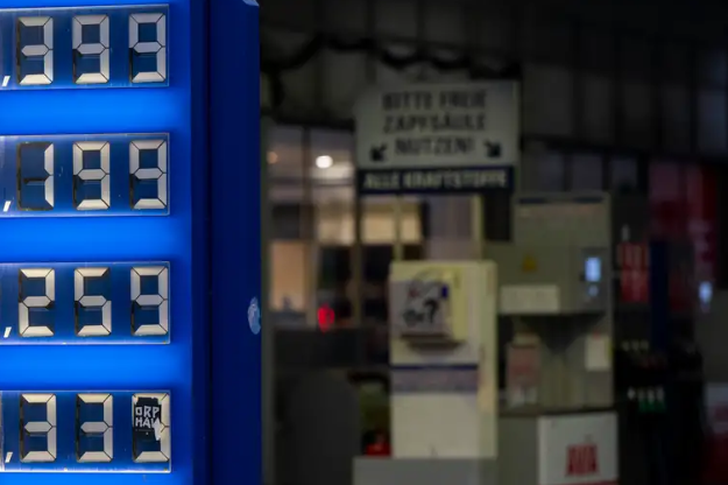
The International Energy Agency (IEA) is calling for urgen...
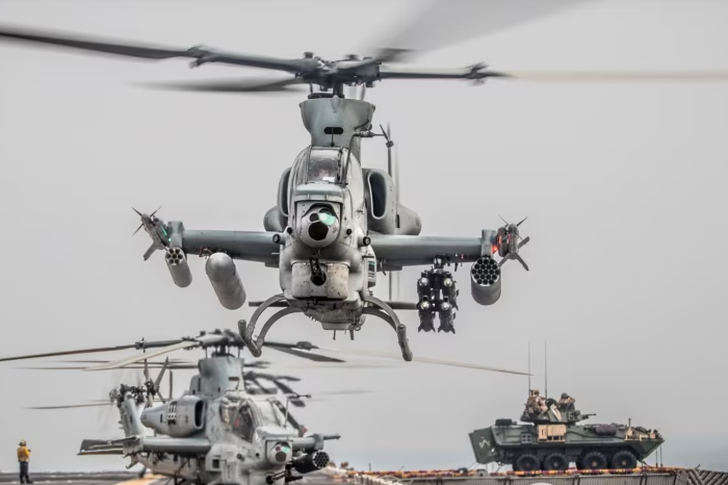
Several American media outlets are reporting – citing sour...

Iranian state television has reported that the spokesman f...
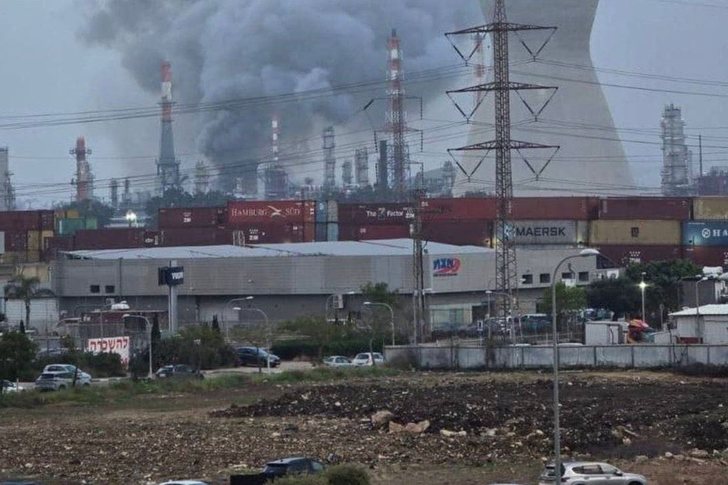
A missile launched from Iran hit the main oil refinery in ...

The United States Department of Justice announced the seiz...
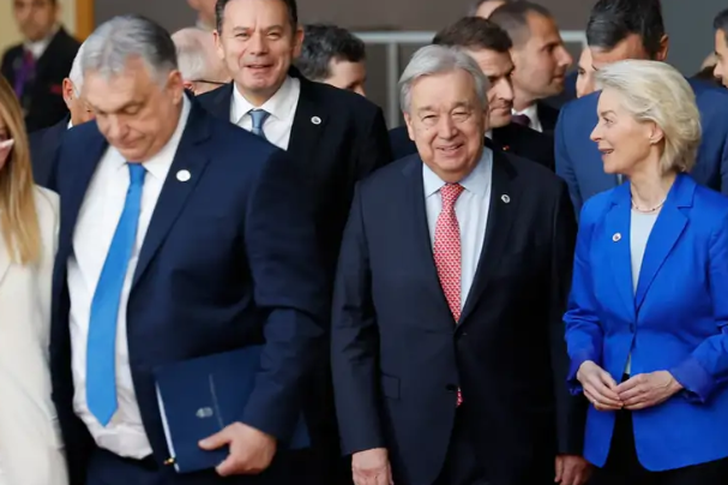
Hungarian Prime Minister Viktor Orban fears loss of power ...

Israeli Prime Minister Benjamin Netanyahu said his country...

Alarm continues in Britain, as a rapid increase in meningi...

CNA has launched another investigation that could lead to ...

Irfan Hysenbelliu is a businessman that we call "Irfan the...

In March 2026, CNA launched another investigation centered...
The arrested mayor of Tirana, Erion Veliaj, with 13 charge...

The Special Board of Appeal (KPA) decided this Monday ...

The KPA vetting decided this Thursday to dismiss the p...

Suela Salavaçi, a prosecutor in the Prosecutor's Offic...

The Special Board of Appeal reinstated the prosecutor ...

Citizen MH, 61, a fisherman, was found dead near the islan...

Another phase of the international operation, codenamed "T...

Police have arrested a 34-year-old woman at Rinas Airport ...

A serious accident has occurred on the Lezhë-Shëngjin axis...

This Wednesday, our country will be under the influence of...

All of Southern Europe will face changing weather conditio...

Albania was hit by temperatures significantly higher than ...

For the first time, Pogradec welcomed the Inter-Lake Chess...

Prime Minister Andy Burnham has announced that most bus fa...

France's parliament has passed a law to ban social media f...

US Secretary of State Marco Rubio arrived in Manila on Jul...

In the space of a few days, Ukrainian President Volodymyr ...

At a time when industrial products are increasingly taking...

Trust among people is not just a three-syllable word. It c...

Master of humor Todi Llupi has passed away at the age of 7...

The ninth edition of "MIK Festival" kicked off with one of...

Businesses will no longer be required to simply register t...

Despite economic growth and income in recent years, Albani...

This Wednesday, one US dollar is bought for 81.4 lek and s...

Construction company licenses will have a validity period ...