


Political scientist: The problem in Albania is corrupt officials who refuse to face justice
Political scientist Afrim Krasniqi said today that the mai...

Political scientist Afrim Krasniqi said today that the mai...

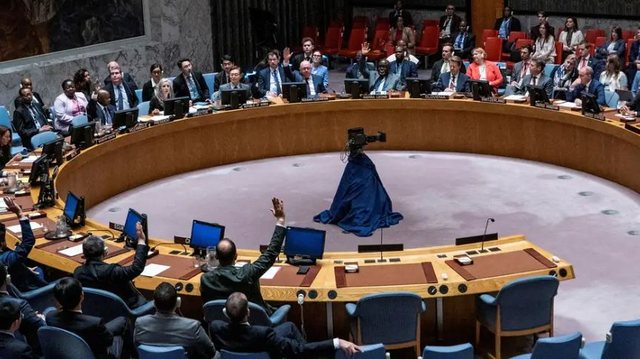
After the attacks killing the leaders of Hamas and Hezbollah in Tehran and Beirut, several countries of the Security Council call to prevent a further escalation in the Middle East.
Most of the countries of the UN Security Council expressed their concern about a further escalation of the conflict in the Middle East region, where Israel and Hamas are currently at war. French Deputy Ambassador Nathalie Broadhurst called for "greater responsibility and greater restraint, to avoid a regional spread of the conflict". "We fear that the region is on the brink of total war," says Japan's deputy ambassador to the UN, Shino Mitsuko. He asked for international efforts to avoid such a conflict.
On Wednesday night, with an aerial attack in Tehran, the head of the political bureau of the Islamist-militant Palestinian organization Hamas, Ismail Hanija, was killed. There he had participated in the swearing-in ceremony of the new president Massud Peseshkian. Hamas and Iran accuse their main enemy Israel. Israel, which is at war with Hamas, has neither confirmed nor denied the killing.
Just a few hours later, Israeli military aviation reportedly killed the high-level military commander of the pro-Iranian Shiite militant organization Hizbullah in Lebanon, Fuad Shukr. Israel holds him responsible for the deadly rocket attack on the occupied Golan Heights last Saturday (27.07.2024), which resulted in the deaths of twelve Druze children and youth. Hamas and Hezbollah are classified by the US and the EU as terrorist organizations.
Sabotaging peace efforts?
Representatives of China, Russia and other countries in the Security Council condemned Hanija's murder. The Algerian ambassador to the UN accused Israel of sabotaging efforts for peace in the Middle East. The US, Great Britain and France condemned Iran's support for destabilizing actors in the region. US Deputy Ambassador Robert Wood said it is better not to speculate about the consequences of recent developments. A larger war is not imminent, nor is it inevitable.
Fu Cong, China's ambassador to the UN, said that the reason for the aggravation of tensions is the failure of the ceasefire talks in the Gaza Strip so far. "Countries with great influence must exert more pressure and work more energetically to extinguish the flames of war in the Gaza Strip." British Ambassador Barbara Woodward repeated her demand for an immediate ceasefire.
Iranian Ambassador Amir Saeed Iravani demanded that the Security Council take immediate measures to hold Israel "to account for this act of aggression". Israeli representative Jonathan Miller said, "We will continue to act to protect all Israeli people." Hezbollah, Hamas and the Yemeni Houthi militias are able to continue "spitting venom" thanks to the "snake's head", he continued, referring to Iran's support for these groups.
Guterres warns of escalation
Shortly before the emergency session of the Security Council, UN Secretary General António Guterres, through his spokesman, declared that the attacks in Iran and Lebanon are a "dangerous escalation". All actions "that could plunge the Middle East into the abyss" must be avoided.
Israeli Prime Minister Benjamin Netanyahu prepared his compatriots for "challenging days". "We are prepared for any scenario and will face all threats together," Netanyahu said at the military headquarters in Tel Aviv. "Israel will demand a high price for any kind of aggression against us, from any front," Netanyahu said. The war requires resistance from Israeli citizens. "Since the beginning of the war I have stated that we are at war against the Iranian axis of evil."
Direct attack on Israel?
Iran, meanwhile, called on the international community to oppose Israel. According to the information of the "New York Times", the Iranian leader Ayatollah Ali Khamenei as revenge for the assassination of Haniaj in a special meeting of the Supreme National Security Council in Iran gave the order to attack Israel directly.
There is no confirmation of this. Earlier, Khamenei and President Peseshkian described a punitive action as a legitimate right of the country, because the attack was carried out on Iranian soil.
The new Iranian president after the death of Haniya will not reduce the aid to Hamas, but will intensify and expand it even further. The country "will not retreat one millimeter" from supporting the Palestinian resistance against Israel, but "will continue it with reinforcement," Peseshkian told Hamas's deputy foreign affairs chief, Chalil al-Haja, in a phone call. The president described the assassination of Hanija in Tehran as an "act of terror", as reported by the Iranian state news agency Irna./ DW

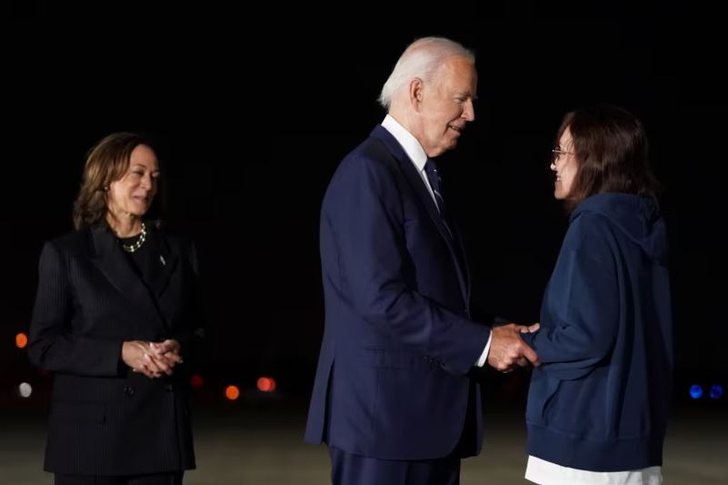
Alsu Kurmasheva, Evan Gershkovich, and Paul Whelan – the t...
A strong earthquake was registered this evening in Calabri...
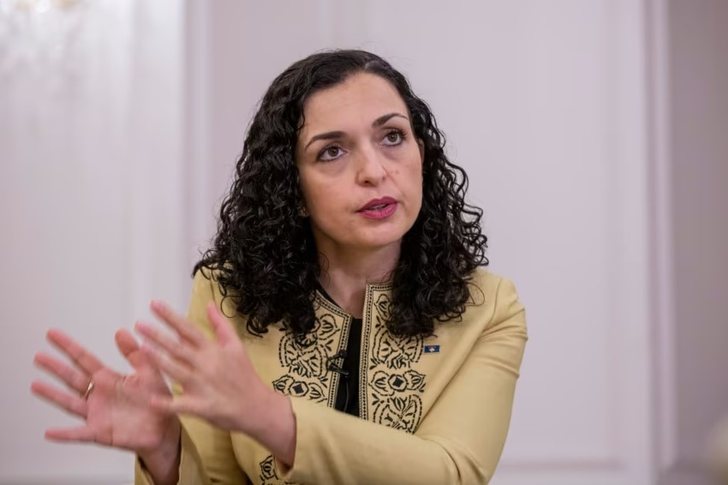
An incident was recorded with the President of Kosovo,...

Germany celebrates this year the 35th anniversary of t...
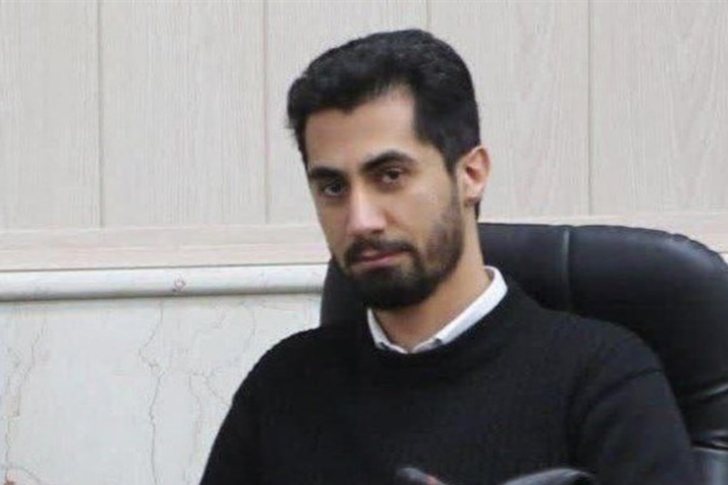
Milad Bidi, a member of Iran's Islamic Revolutionary G...

The Republican presidential candidate and his potentia...
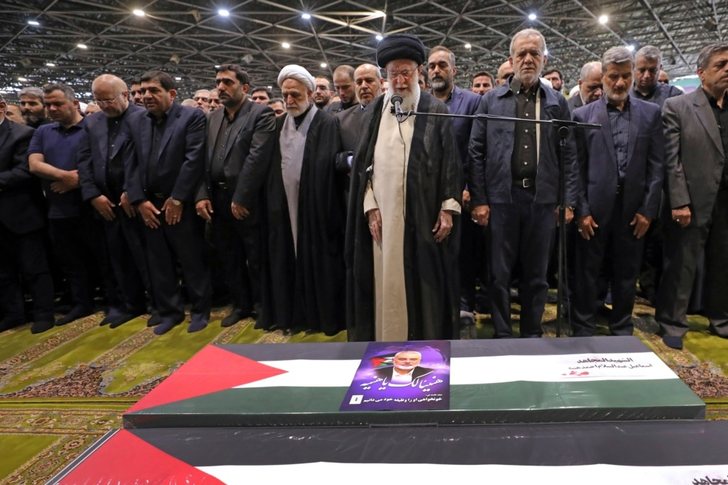
Large crowds of Iranians attended the funeral ceremony...
A witness to the serious incident that occurred with t...
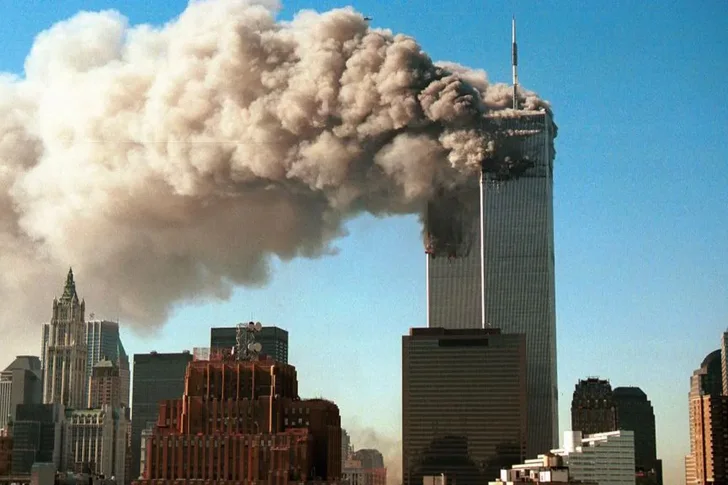
Three of the people accused of plotting the terrorist ...
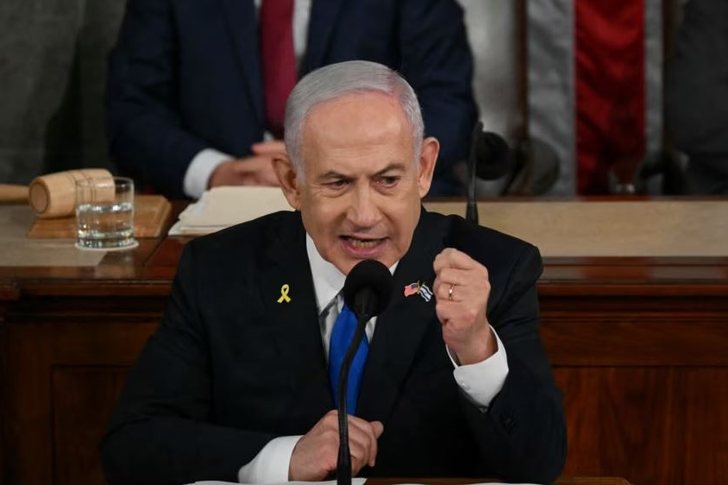
Israel will respond with force to any attack against i...
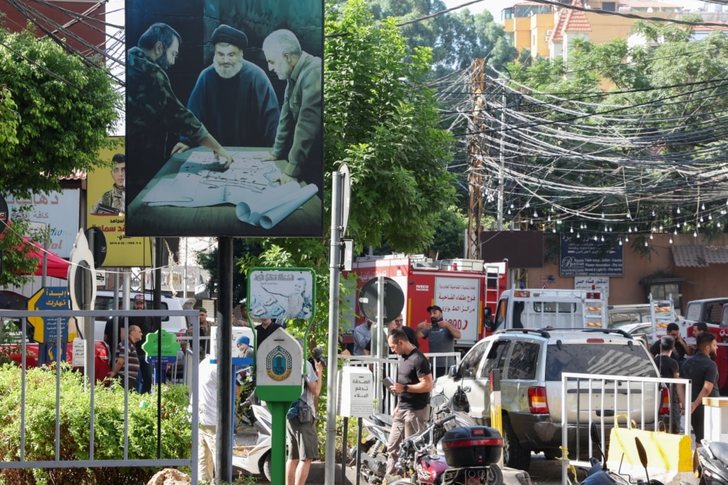
The Lebanese militant group Hezbollah confirmed the killin...
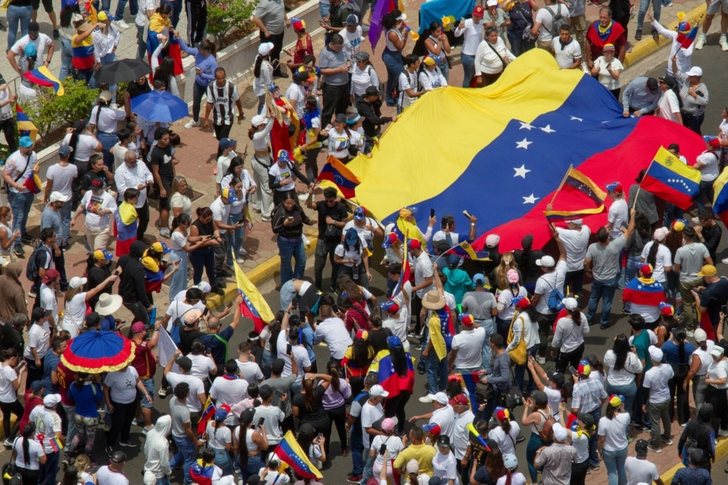
The United States and the international community expr...

US Deputy Secretary of State Kurt Campbell said the United...
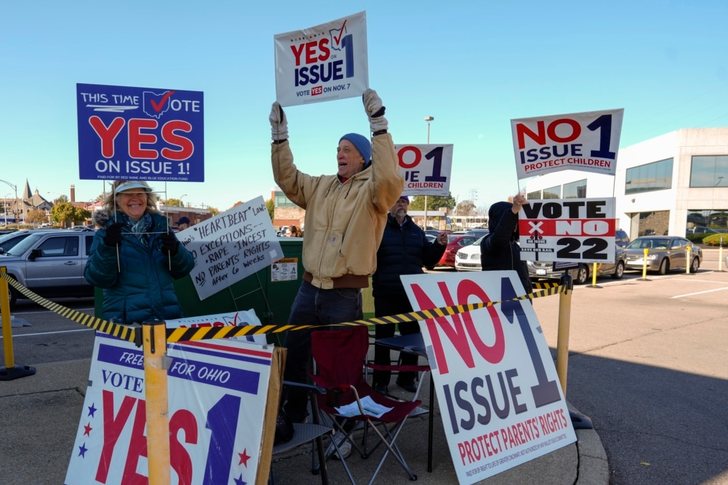
Access to abortion is one of the key issues in the race fo...
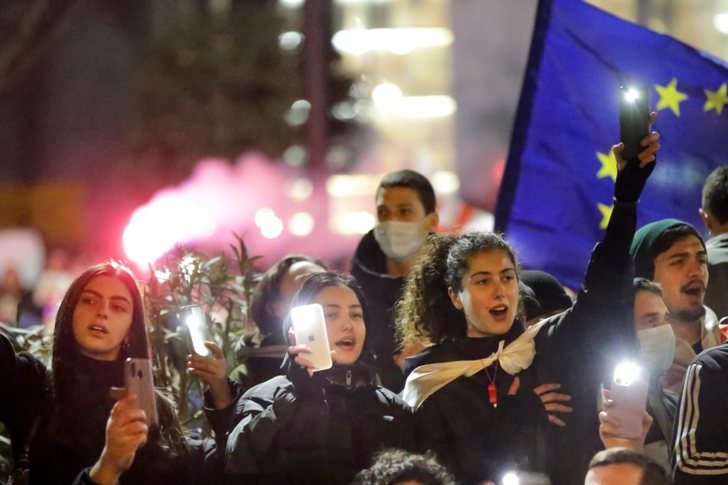
The US Secretary of State, Antony Blinken, announced o...
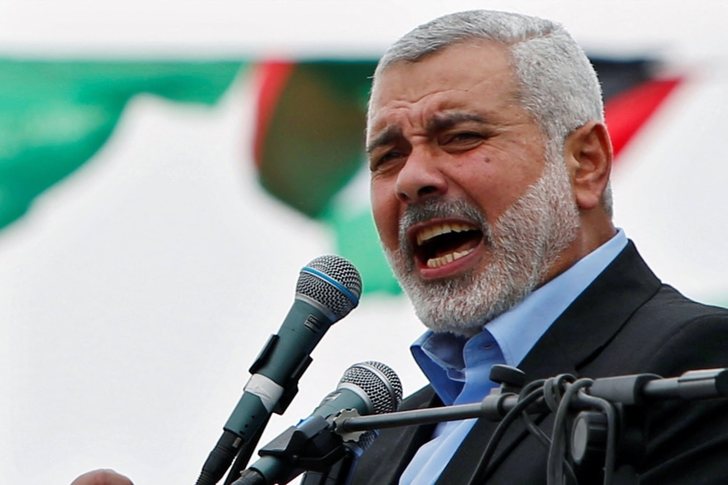
Ismail Haniyeh, the leader of Hamas who was killed in ...

Most of Germany's favorite beers are now available wit...
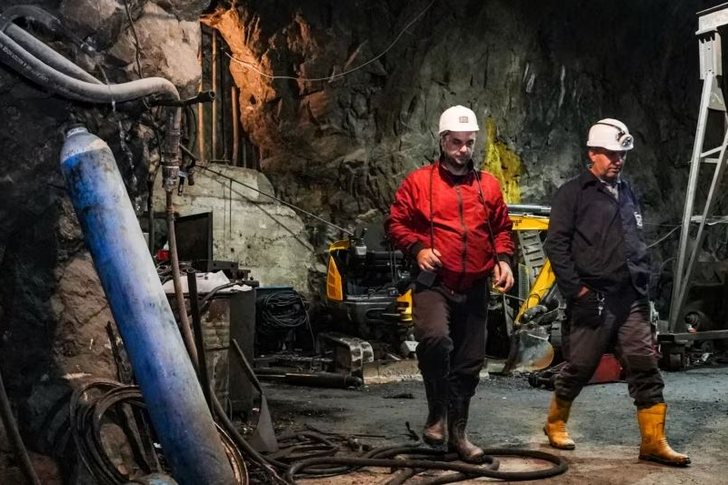
For 22 days, the workers of the metallurgical plant Trepça...
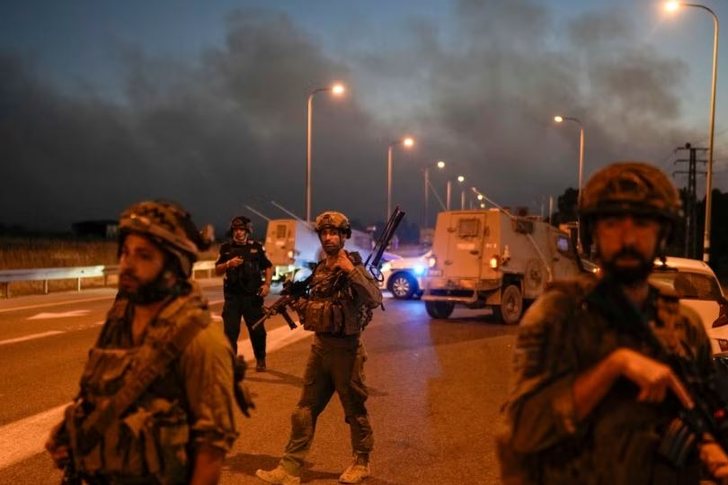
Tensions in the Middle East are escalating further, follow...
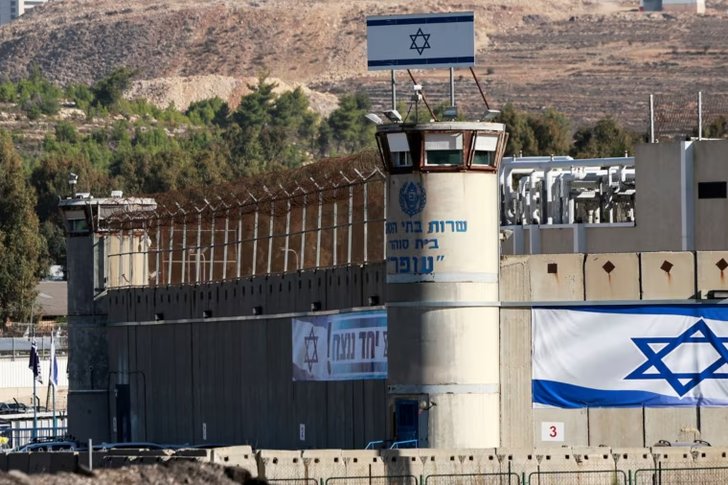
The United Nations human rights office has published a...

CNA has launched another investigation that could lead to ...

Irfan Hysenbelliu is a businessman that we call "Irfan the...

In March 2026, CNA launched another investigation centered...
The arrested mayor of Tirana, Erion Veliaj, with 13 charge...

The Special Board of Appeal (KPA) decided this Monday ...

The KPA vetting decided this Thursday to dismiss the p...

Suela Salavaçi, a prosecutor in the Prosecutor's Offic...

The Special Board of Appeal reinstated the prosecutor ...
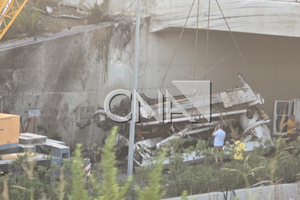
This Wednesday, around 4:00 PM, a serious accident occurre...

Tirana Police have shared details regarding the accident t...
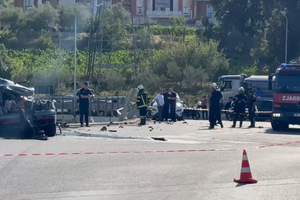
New details have emerged regarding the accident that occur...

New details have emerged from the serious accident that oc...
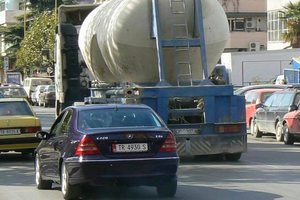
A serious accident that occurred this Wednesday with the c...

The Institute of Geosciences has shared a forecast for wea...
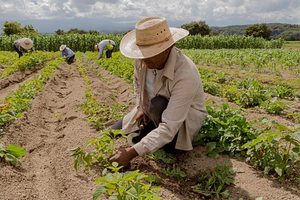
Rising energy and fertilizer prices are expected to contin...

Over 18,000 foreign citizens from 140 countries have appli...
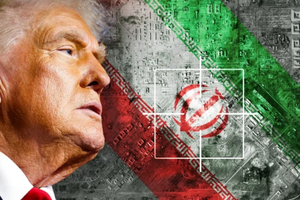
US President Donald Trump has issued another warning to Ir...
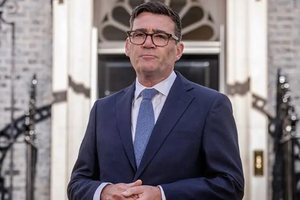
Prime Minister Andy Burnham has announced that most bus fa...

France's parliament has passed a law to ban social media f...

US Secretary of State Marco Rubio arrived in Manila on Jul...

At a time when industrial products are increasingly taking...

Trust among people is not just a three-syllable word. It c...

Master of humor Todi Llupi has passed away at the age of 7...

The ninth edition of "MIK Festival" kicked off with one of...

The price of diesel reached 206 lek per liter from 198 lek...

Businesses will no longer be required to simply register t...

Despite economic growth and income in recent years, Albani...

This Wednesday, one US dollar is bought for 81.4 lek and s...