


Hita's absence from the commission irritates the opposition: If he is not capable, he should leave
The Head of the State Police, Skënder Hita, did not appear...

The Head of the State Police, Skënder Hita, did not appear...

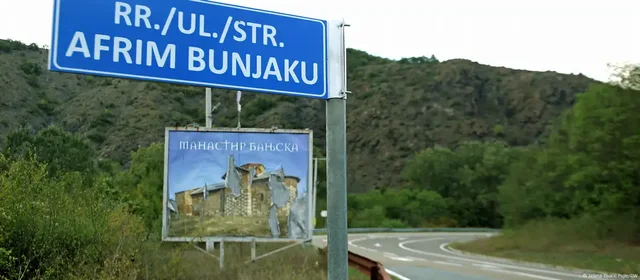
The village of Basnjkë in the north of Kosovo got its first road: The road is now called Afrim Bunjaku. This is the name of the policeman killed in the armed attack a year ago by an armed group of Serbs. Then, in the conflict with the Kosovo Police, three Serbs were killed - two from Leposaviqi and one from Zvecan.
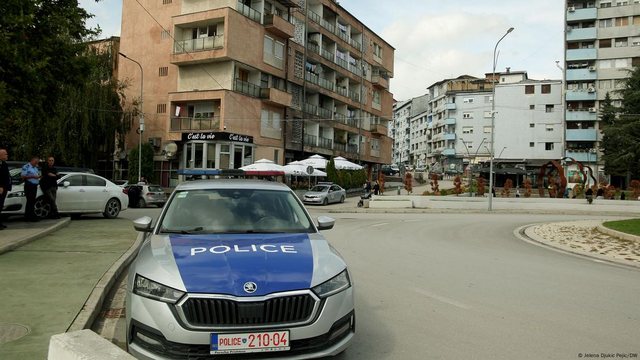
The sign with the name of the street was unveiled by the Prime Minister of Kosovo, Albin Kurti, while the Minister of the Interior, Xhelal Sveçla, was also in Banjska. One year from the events of September 24, 2023, life in Banjska has changed significantly. There are more members of the Kosovo Police, and fewer locals, because the locals have moved to other areas.
These days, out of fear of provocations, the famous monastery of the beginning of the 14th century in this village was also closed. The primary school "Banovi? Strahinja" on September 24 was empty - this school has the most first-grade students in all the villages of northern Kosovo - seven.
Heavy rain on the first anniversary forced villagers to lock themselves in their homes. But the rain is not the only reason: they knew, as they say, that their village would be under the gaze of politicians and journalists that day. Residents say they still haven't recovered from those events. They still don't want to talk about it openly.
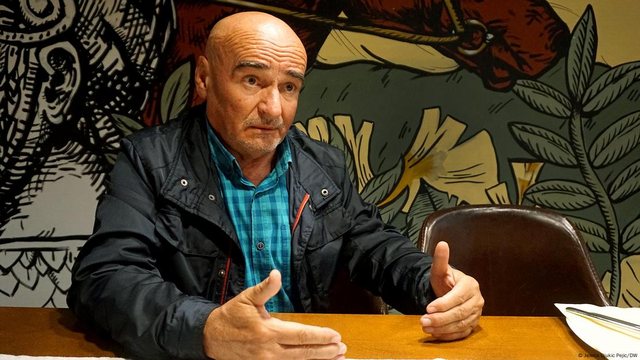
One of the few who agrees to speak is civil activist Dejan Nedeljkovic. Although he does not live in Banjska since he got married, he often comes here to his parents' house. He says that he is committed to Banjska reviving its tourist potential.
Nedeljkovic says: "We knew that someone would come and somehow mark this day. They were even told that a monument would be erected. I wouldn't be surprised if it was a two-meter tall monument. But naming a street is definitely a better alternative. Until now Banjska had no street, its address was Banjska bb (Banjska without a number)," he tells DW. He adds that no one in the village bothers with the street name.
Nedeljkovic talks about the events of a year ago like this: "People went through hell that night." First, it was not known who entered the village, we did not know if it was the Serbian army. Since they were in uniform, at first they thought that the Serbian army had entered. Then at one point uniformed persons who spoke Serbian appeared to them, while later persons in uniform who spoke Albanian, because in the meantime they also entered Basnjska. It was a lot of stress. My parents were also here that evening. They were told to hide behind the wall and not to go out the window, because they could be shot."
Nedeljkovic calls the security situation in the north of Kosovo very bad, especially since the day when the Serbs left the institutions, above all the Kosovo Police and the judiciary.
"It was a disastrous decision. We had 650 legally armed policemen, who at any moment could tell the Kosovo Police that they should not come to the north and cause trouble, as happens in some enclaves in the south. In such situations FOR appears and the problems stop", he says and asks that KFOR come to Banjska as well.
Due to the Banjska case, the Kosovo Prosecutor's Office filed an indictment against 45 people in September. Three were arrested, the others are on the run. Among the fugitives is also Milan Radoicic, who has taken responsibility before the institutions in Serbia, but no process has started there. The European Union has called on the institutions of Serbia these days to prosecute the perpetrators, while the Prime Minister of Kosovo, Albin Kurti, blames Serbia for these events.
We spoke with lawyer Ljubomir Pantovi?, who defends one of the arrested, Blagoje Spasojevic, twice - before and after the first preliminary hearing. Although he and the other lawyers managed to postpone the hearing to October 9, lawyer Pantovi? is still visibly discouraged.
"The main reason why we asked for a postponement is that the Prosecution is obliged to deliver all the material to the defenders long before the start of the trial. While we received the documents only a day and a half before the start of the session, the defendants did not receive them at all. That's why we asked for a postponement. The prosecutor requested that the trial be held, but the court accepted our proposal for the postponement of the preliminary hearing", says lawyer Pantovi?.
Spasojevic is accused of criminal offenses against the security and constitutional order of Kosovo, as well as the criminal offense of committing a terrorist act. The lawyer claims that these things cannot be joined in an indictment, but adds that this will be resolved in court.
For both criminal offenses, according to Kosovo law, the prescribed sentences are from ten years to life imprisonment, or from 15 years to life imprisonment. Lawyer Pantovi? told DW that the prosecution will surely "insist until the end to prove everything", especially when it is known that now is the time of the campaign before next year's elections.
A new party in the political sky of Kosovo now plans to participate in the elections for the Kosovo parliament: the Serbian People's Movement (SNP). Its chairman, Milija Bishevac, believes that Lista Serbe (LS) is not good for the interests of the Serbian people in Kosovo. He explains that his party will take a "more realistic" approach and that with this option he will seek votes.
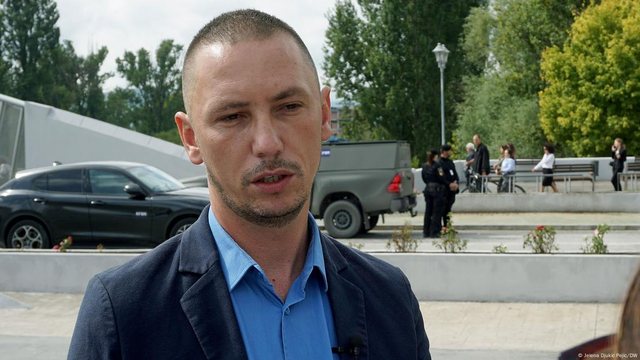
As for the security in the north, he says it is at the worst level since 1999. The events in Banjska are also to blame for this, he says and adds: "The events in Banjska justified the repressions - not officially, but Kurti uses them these events as an excuse, to prove that all of us in the north are criminals and that some militant currents rule here, which is absolutely not true. We just want freedom, we want a normal life, we want to stay where we were born and where we want to live in the future as well", said Bishevac to DW.
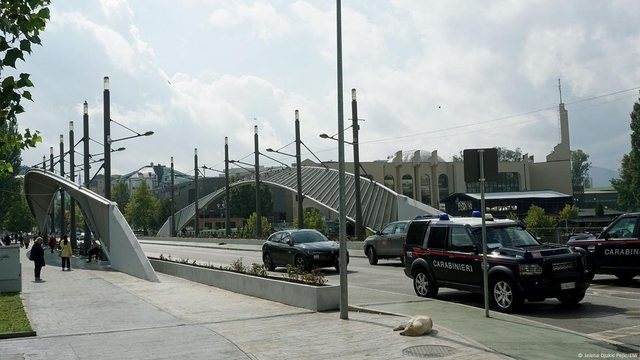
He considers the announced opening of the bridge over the river Ibër between northern and southern Mitrovica as a populist and political act of the Prime Minister of Kosovo. "I think that at this moment is not the time for such steps. Of course bridges should connect people, of course we should cooperate. People pass and should pass here, but I believe that with the opening of this bridge at this moment it will not to contribute nothing, except that Kurti and his party will present it as another victory, as an act that no one has done so far", says Bishevac.
We did not manage to talk with the Albanian politicians, because our requests for an interview were rejected by both the Minister of the Interior, as well as the Director of Police and the Mayor of South Mitrovica. But the doctor of political science Dritero Arifi for DW analyzes the situation in the north, which he calls "better and more positive - not only because of what has been achieved there, but also because of the political opportunities that have appeared in the north of In a way, even the citizens of northern Kosovo, specifically the Serbian community, realized that nothing can be achieved with such acts. The security situation is stable, but potentially fragile and can escalate from time to time." Arifi told DW.
Regarding the events in Banjska, he says that it was an "attack on the democratic order" and not only on Kosovo, but it was an "international incident", when it is known that there were also communications with superiors in Serbia. He expects some new details to be revealed that are not known so far.
"This leads us to the conclusion - although the case is not yet closed - that the state of Serbia bears responsibility in one way or another. The event must be fully explained. But the publication of the details shows that the public was not informed in advance, especially about the organization and financing the entire operation", says the analyst from Pristina.
Arifi also adds that Serbia is not behaving like a Western country, it is reluctant to get more involved in this case and does not want to cooperate with Kosovo, extradite those responsible or punish them in Serbia. "Now the question arises: if Serbia does not punish them, does it mean that it was a participant and now it is silent? I am convinced that sooner or later Serbia will be declared responsible in some form for this case", concludes our interlocutor.
Regarding the announced opening of the bridge in Mitrovica, Arifi says that the opening will be a signal that the situation not only in the north, but in general is quite stable and positive - and this opening, according to him, would be a symbol of a kind of integration of Serbs in the north. "I believe that there are more political than technical or security obstacles. After the comprehensive integration of the Serbian community in the north in the institutions of the Republic of Kosovo, local and central, the bridge will become a secondary issue", believes Arifi.
As for the Serbs from the north, they cross the disputed bridge in large numbers - on foot. They say they have no other choice, because all the institutions are on the south side of the Ibri.
"For every document, I have to go to South Mitrovica, because there are Kosovo institutions there. There are none in the north", says pensioner Stevica Jovic. He explains that he once lived in the southern part of Mitrovica, but, as he says, he was expelled in 1999.
"I have to go there to get an identity card, any kind of certificate". The prosecution, the police, the courts... do not exist in the north. I have to go to Rashka to get my pension, because we get salaries and pensions in dinars. As long as I'm healthy, I can go to Rashka. But how can someone who is sick, needs medicine or any other need go?"/ DW

This week, New York City's Democratic mayor, Eric Adams, w...
After a chaotic session of the state parliament, Thuri...
The assassination of Hassan Nasrallah is a heavy blow ...
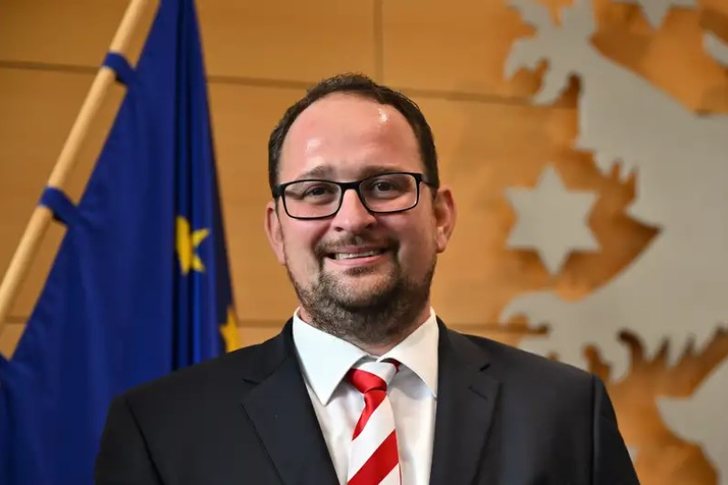
CDU MP Thadäus König was elected speaker of the Thurin...
Republican presidential candidate Donald Trump has been th...
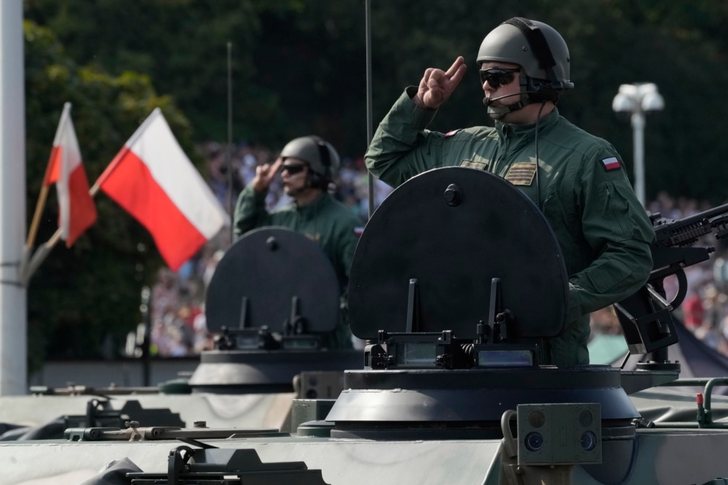
NATO members Estonia, Latvia, Lithuania and Poland will se...
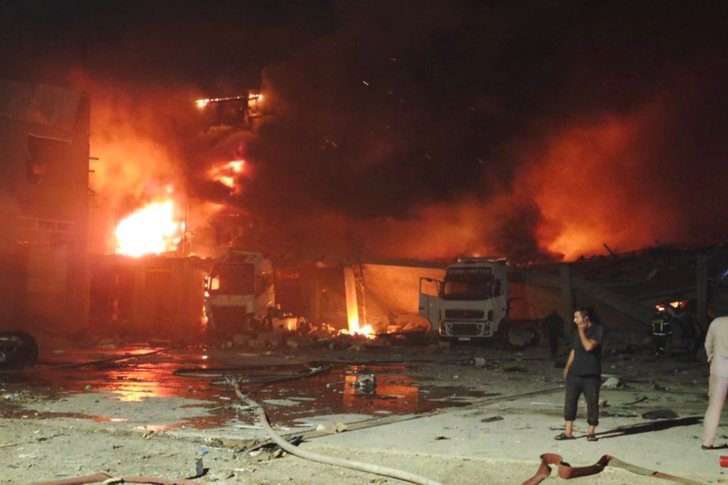
At least 12 people, including two children, have been kill...
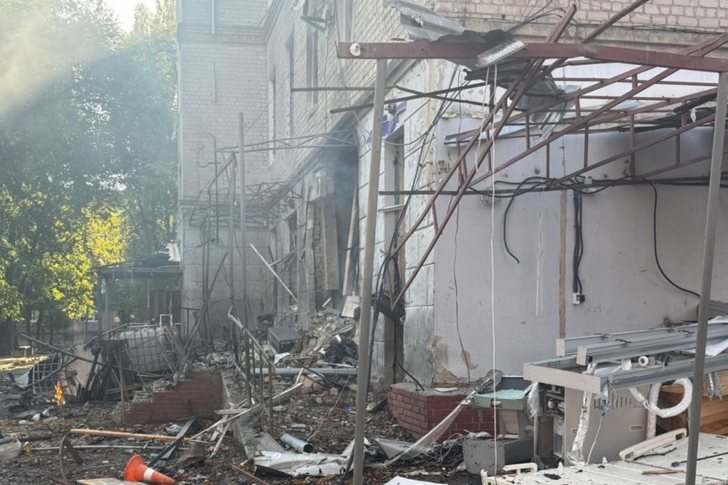
Russia carried out two attacks on Saturday against a hospi...
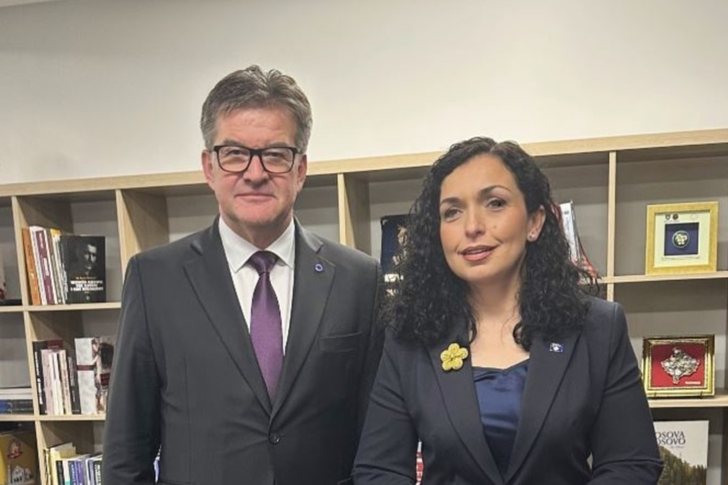
The European special envoy for the Kosovo-Serbia dialogue,...
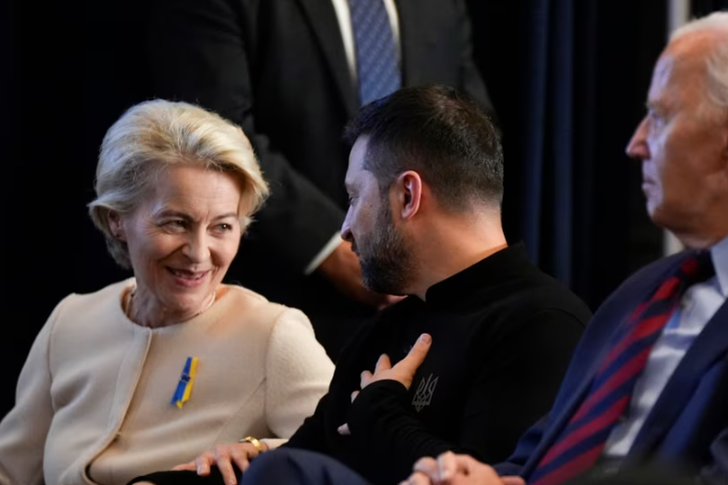
The war in Ukraine has entered a critical period, and the ...

The US Department of Justice published charges against thr...
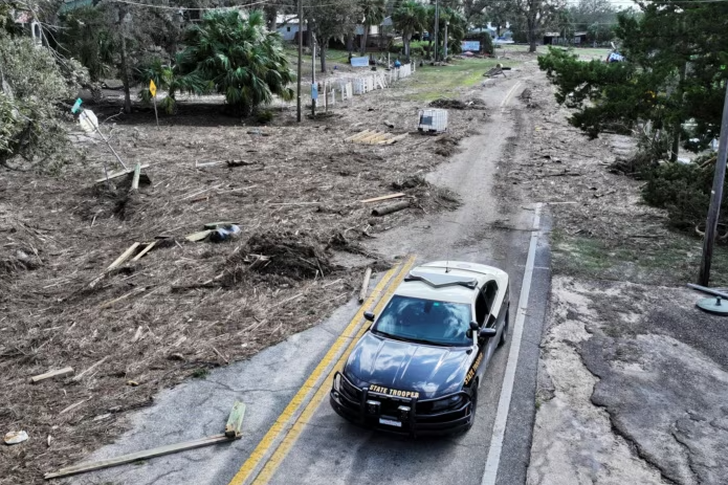
Hurricane Helene has caused extensive damage across Florid...
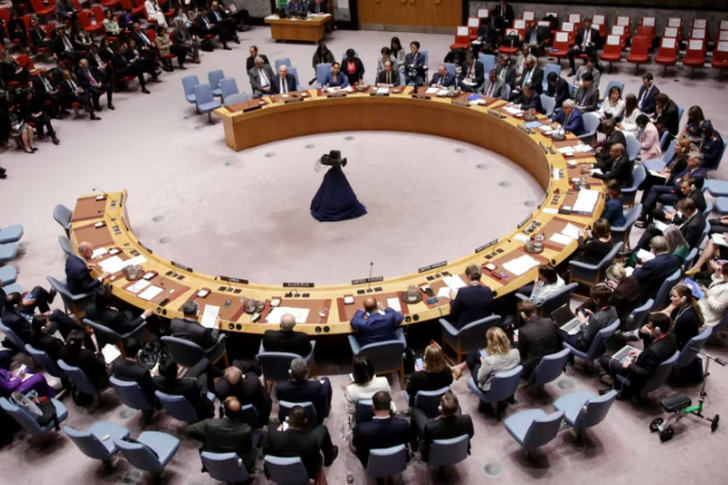
During meetings this week in New York, the United States s...

The Prime Minister of Kosovo, Albin Kurti, met in New York...
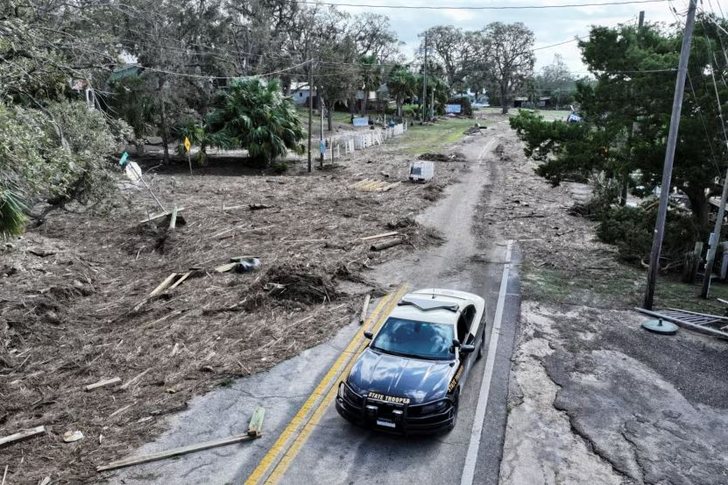
At least 44 people have lost their lives after "Hurricane ...
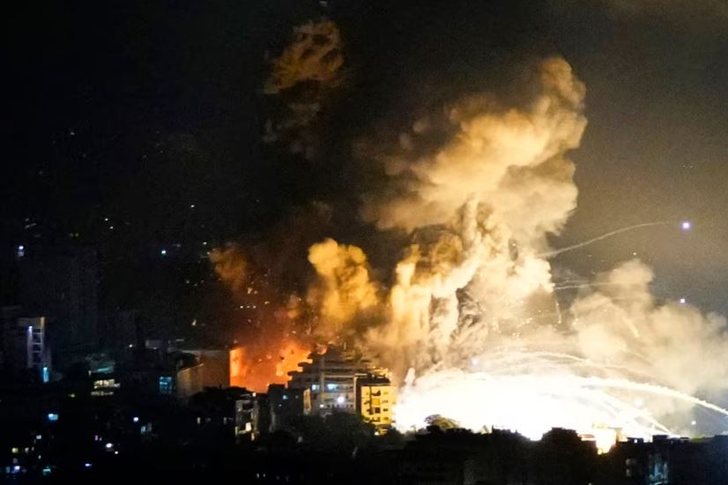
The Israeli military hit Hezbollah's headquarters in Beiru...
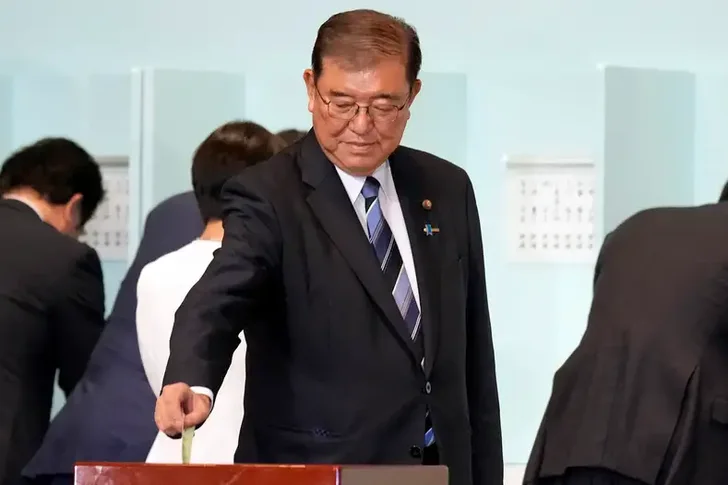
Former Japanese defense minister Shigeru Ishiba won the Li...

The separation of North Macedonia from Albania in the proc...

Ukrainian President Volodymyr Zelensky is meeting today at...
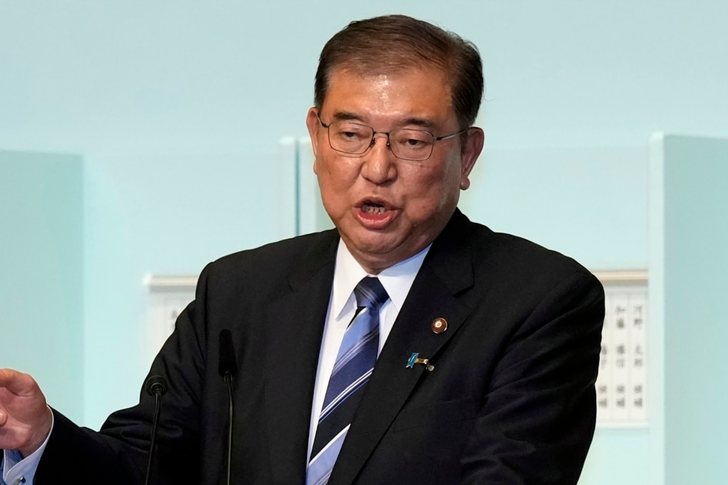
Former Defense Minister Shigeru Ishiba is expected to ...

CNA has launched another investigation that could lead to ...

Irfan Hysenbelliu is a businessman that we call "Irfan the...

In March 2026, CNA launched another investigation centered...
The arrested mayor of Tirana, Erion Veliaj, with 13 charge...

The Special Board of Appeal (KPA) decided this Monday ...

The KPA vetting decided this Thursday to dismiss the p...

Suela Salavaçi, a prosecutor in the Prosecutor's Offic...

The Special Board of Appeal reinstated the prosecutor ...
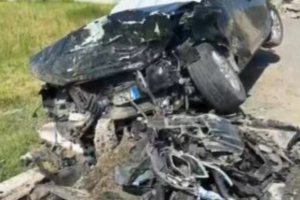
A serious accident has occurred on the Lezhë-Shëngjin axis...
A serious incident has occurred in Morina, Kukes. Citizen...
The bad weather that swept the country on Tuesday evening ...
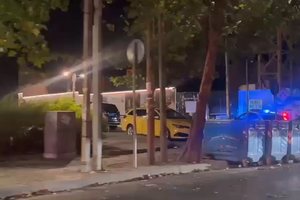
A road accident occurred this evening on Nikolla Zoraqi St...
This Wednesday, our country will be under the influence of...
All of Southern Europe will face changing weather conditio...

Albania was hit by temperatures significantly higher than ...

For the first time, Pogradec welcomed the Inter-Lake Chess...
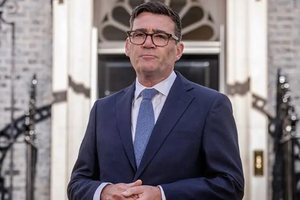
Prime Minister Andy Burnham has announced that most bus fa...
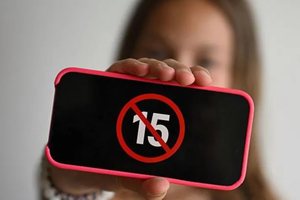
France's parliament has passed a law to ban social media f...

US Secretary of State Marco Rubio arrived in Manila on Jul...
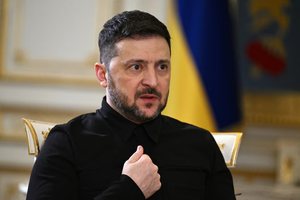
In the space of a few days, Ukrainian President Volodymyr ...

At a time when industrial products are increasingly taking...

Trust among people is not just a three-syllable word. It c...
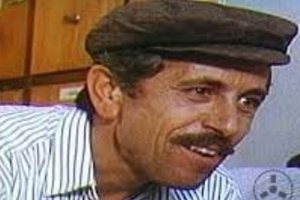
Master of humor Todi Llupi has passed away at the age of 7...
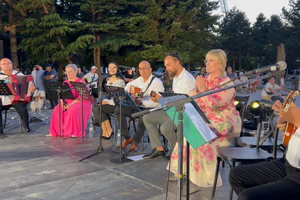
The ninth edition of "MIK Festival" kicked off with one of...

Businesses will no longer be required to simply register t...

Despite economic growth and income in recent years, Albani...

This Wednesday, one US dollar is bought for 81.4 lek and s...

Construction company licenses will have a validity period ...