


Hita's absence from the commission irritates the opposition: If he is not capable, he should leave
The Head of the State Police, Skënder Hita, did not appear...

The Head of the State Police, Skënder Hita, did not appear...

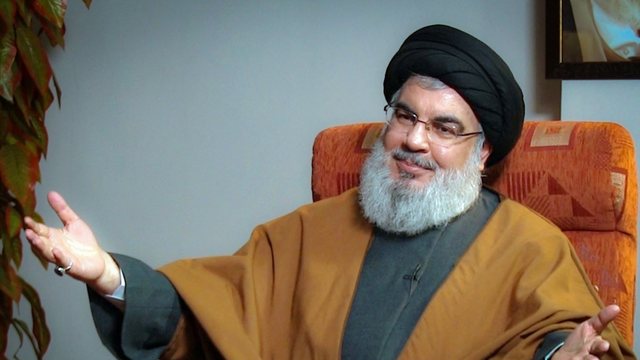
The assassination of Hassan Nasrallah is a heavy blow to Hezbollah and its main backer, Iran.
Hezbollah, the militant group and political party that controls most of southern Lebanon, said Nasrallah was killed during Israeli bombing of the capital, Beirut, on September 27.
During his 30 years at the helm of Hezbollah, Nasrallah turned the Shiite militia into a major political force in Lebanon, as well as a powerful enemy of neighboring Israel.
Hezbollah – designated a terrorist organization by the United States, although the European Union only designates its military wing as such – is also a key member of Iran's so-called axis of resistance. This axis is a network of Iranian proxies and Tehran-backed militant groups against Israel and the United States.
Nasrallah's death is a "huge and shameful loss" for Iran, said Ali Fathollah-Hejad, director of the Berlin-based Center for Middle East and Global Order.
"This is the most serious blow to Tehran's position in the region" since the killing of top Iranian commander Qassem Soleimani by a US airstrike in Iran in 2020, Fathollah-Nejad told Radio Free Europe's Farda Radio.
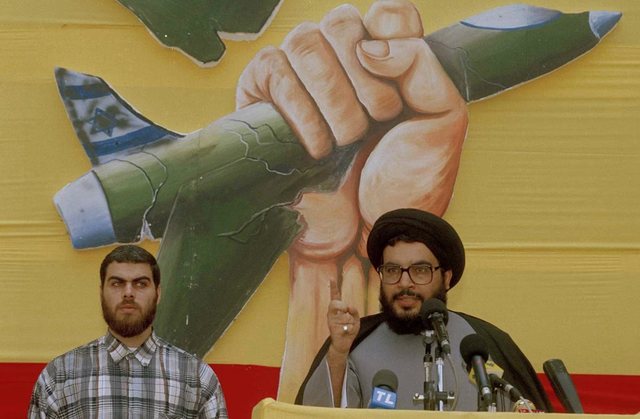
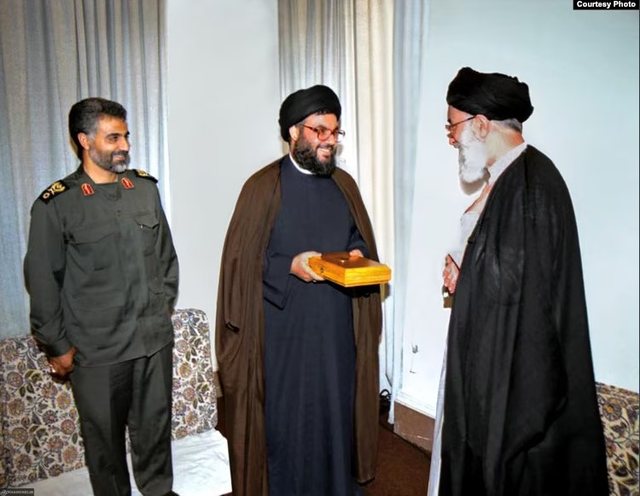
Nasrallah, Soleimani and Iran's supreme leader, Ayatollah Ali Khamenei, "constituted the core of Iran's far-reaching regional ambitions," he said.
A charismatic cleric and skilled orator, Nasrallah was elected head of Hezbollah at the age of 32. With significant financial and political assistance from Tehran, Nasrallah helped Hezbollah become a powerful political and military entity in Lebanon and a key player in the region.
His death at the age of 64 will have "grave consequences" for the operations of Iran's resistance axis, said Hamidreza Azizi, of the German Institute for International Affairs and Security.
"Right now, this causes a lot of trouble, lack of coordination and ambiguity," he told REL.
Yemen's Houthi rebels, another member of the axis, could take Hezbollah's role if Iran decides to create a new hierarchy in the network, Azizi says.
These rebels have been "more adept" at challenging Israel since the Gaza war broke out than other members of the resistance axis and have also suffered fewer blows, Azizi said.
"But there is no guarantee that they will remain so, given Israel's determination to go after [the axis members] one by one," he added.
For Hezbollah, Nasrallah's death could be catastrophic, experts say.
"It will be very difficult to replace Nasrallah," said Norman Roule, a CIA veteran who worked in the Office of the Director of National Intelligence.
"Each of his successors will miss his political status in Lebanon and his personal relationship with Iran's supreme leader," Roule told Farda Radio.
Hezbollah has suffered major setbacks in recent months. Israel has killed key members of its leadership, destroyed much of its military arsenal and cut off its communications.
"The Israel Defense Forces have wiped out an entire generation of Hezbollah leaders, who take with them a vast collective experience that is irreplaceable," Roule said.
Hezbollah's base of support does not extend beyond Lebanon's Shiite community, and not everyone in the community supports the group.
Heiko Wimmen, of the Brussels-based International Crisis Group, said Hezbollah is too "institutionalized to be destroyed."
But, he added that this group may "give up in the end" if it continues to take so many "big hits"./ REL


CDU MP Thadäus König was elected speaker of the Thurin...

Republican presidential candidate Donald Trump has been th...
NATO members Estonia, Latvia, Lithuania and Poland will se...
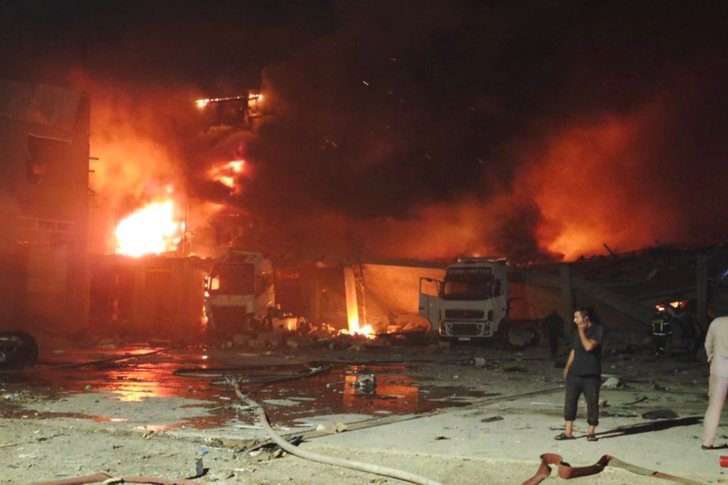
At least 12 people, including two children, have been kill...
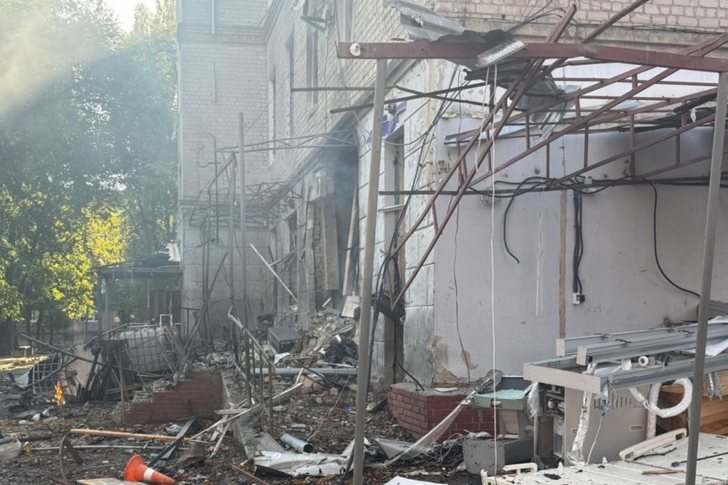
Russia carried out two attacks on Saturday against a hospi...
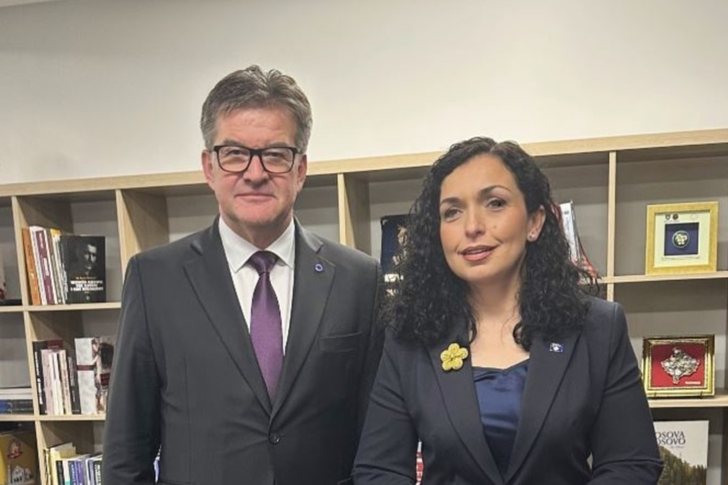
The European special envoy for the Kosovo-Serbia dialogue,...
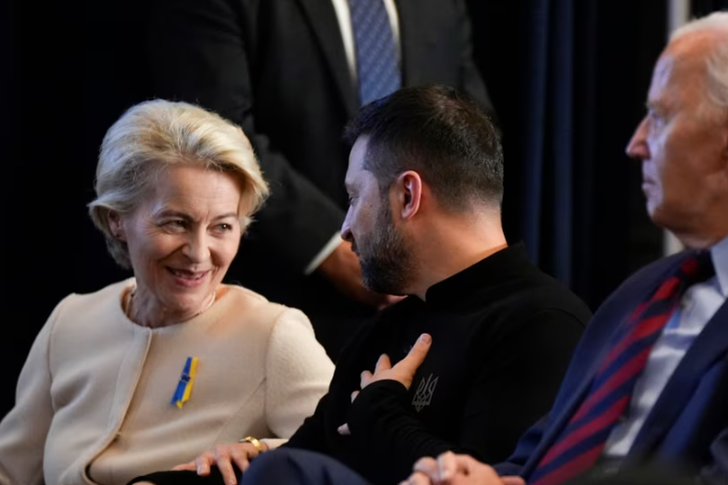
The war in Ukraine has entered a critical period, and the ...

The US Department of Justice published charges against thr...

Hurricane Helene has caused extensive damage across Florid...
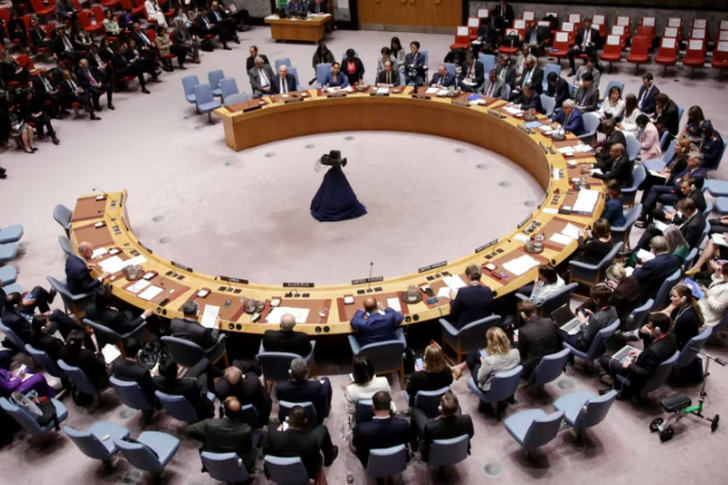
During meetings this week in New York, the United States s...

The Prime Minister of Kosovo, Albin Kurti, met in New York...

At least 44 people have lost their lives after "Hurricane ...
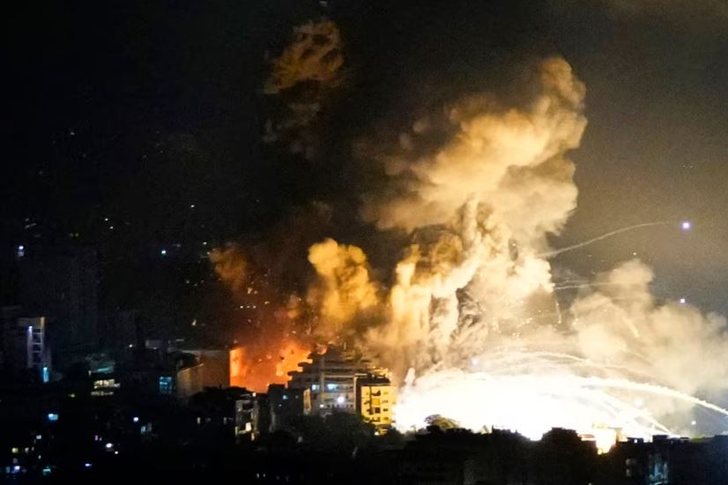
The Israeli military hit Hezbollah's headquarters in Beiru...

Former Japanese defense minister Shigeru Ishiba won the Li...

The separation of North Macedonia from Albania in the proc...

Ukrainian President Volodymyr Zelensky is meeting today at...
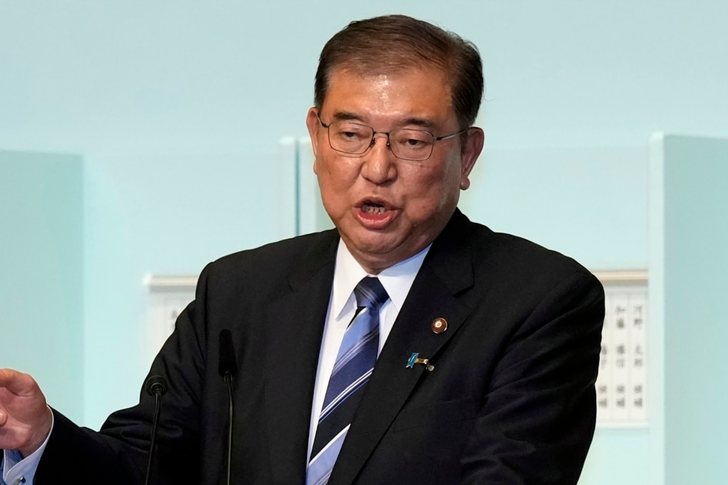
Former Defense Minister Shigeru Ishiba is expected to ...

The most popular German economic research institutes h...

Satellite images have shown that China's newest nuclea...
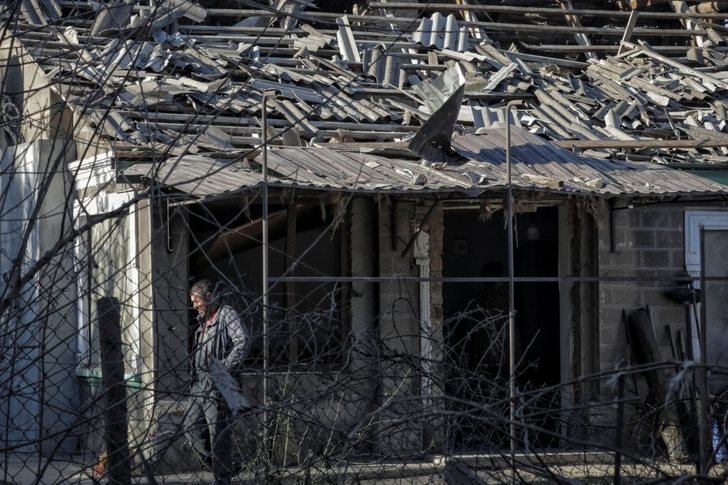
Russia has carried out a major drone attack on the Ukraini...

CNA has launched another investigation that could lead to ...

Irfan Hysenbelliu is a businessman that we call "Irfan the...

In March 2026, CNA launched another investigation centered...
The arrested mayor of Tirana, Erion Veliaj, with 13 charge...

The Special Board of Appeal (KPA) decided this Monday ...

The KPA vetting decided this Thursday to dismiss the p...

Suela Salavaçi, a prosecutor in the Prosecutor's Offic...

The Special Board of Appeal reinstated the prosecutor ...

A serious accident has occurred on the Lezhë-Shëngjin axis...

A serious incident has occurred in Morina, Kukes. Citizen...

The bad weather that swept the country on Tuesday evening ...

A road accident occurred this evening on Nikolla Zoraqi St...

This Wednesday, our country will be under the influence of...

All of Southern Europe will face changing weather conditio...

Albania was hit by temperatures significantly higher than ...

For the first time, Pogradec welcomed the Inter-Lake Chess...

Prime Minister Andy Burnham has announced that most bus fa...

France's parliament has passed a law to ban social media f...

US Secretary of State Marco Rubio arrived in Manila on Jul...

In the space of a few days, Ukrainian President Volodymyr ...

At a time when industrial products are increasingly taking...

Trust among people is not just a three-syllable word. It c...

Master of humor Todi Llupi has passed away at the age of 7...

The ninth edition of "MIK Festival" kicked off with one of...

Businesses will no longer be required to simply register t...

Despite economic growth and income in recent years, Albani...

This Wednesday, one US dollar is bought for 81.4 lek and s...

Construction company licenses will have a validity period ...