

Gjermania lehtëson tregun e punës për emigrantët, 10-15 vite burg për kontrabandistët e emigrantëve
Gjermania ka vendosur të rishikojë rregullat për punësimin...


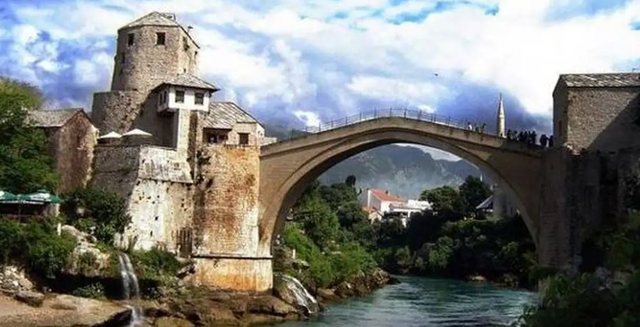
On November 9, 1993, the famous bridge of Mostar was destroyed - a symbol of the coexistence of cultures and religions in Bosnia-Herzegovina. Today, Mostar is slowly reuniting.
Mostar, the capital of the Herzegovina region in Bosnia and Herzegovina, is a city of extremes. When I went to work in the regional office of the High Representative at seven o'clock in the morning in July 2005, the thermometer showed 31 degrees in the shade. It was 46 degrees in the afternoon.
Mostar is known as the hottest city in the former Yugoslavia. But the extremes were and are present politically, in religion, in football and these were seen during the war. In the Bosnian War from 1992 to 1995, the stated aim of the Croat side was to divide the city ethnically. Therefore the Bosniaks, who constitute the majority in the eastern part, were expelled from the western part dominated by Croats. The war in Mostar was much fiercer than in other regions, because the opponents fought each other closely.
On November 9, 1993, Croatian tanks destroyed the Stari Most (Old Bridge), built in 1566 and connecting the two parts of the old town. The news took hold and shocked the world. The bridge was not only a unique, masterful structure from the Ottoman period, but it was also a symbol of the peaceful coexistence of cultures and religions in the region and in Europe.
Not a wall, but an imaginary barrier
The apocalyptic destruction shocked me during my first visit in 1996. Only the Croatian city of Vukovar, which was destroyed by Serbian artillery, suffered similarly to Mostar during the four successive Yugoslav wars. The effects of the war were visible everywhere, even though the EU had already made hundreds of millions of German marks available for reconstruction between 1994 and 1996. The former mayor of Bremen, Hans Koschnick, coordinated the reconstruction during this time as the administrator of Mostar. The parties were not separated by the wall but by the imaginary front line that passed through the middle of the city along the main road of the boulevard.
When he took office in 2002, the High Representative of the International Community, Lord Paddy Ashdown, declared the reunification of Mostar a priority. Since the parties failed to agree on a common constitution, he decided to put it into effect using his executive powers. This was the foundation for the unification of the ethnically and politically divided city.
Is Mostar still divided?
A unit of about two dozen employees, where I was deputy director, had to implement the regulations. This took time, for the wounds of ten years of war and disunity could not, of course, be healed by decree. The British lord, well-disposed towards Bosnia, grew impatient. After the merger of the administrations, the process stalled, although in general one can still speak of a historical moment in the peace work in the Balkans.
The spectacular inauguration of the newly built Old Bridge - the stones that had fallen into the Neretva River during its destruction were reused as much as possible - Prince Charles in July 2004 gave us an opportunity to breathe easier. In the local elections at the end of 2004, a mayor, Croatian Ljubo Besliq from the HDZ BiH party and Bosnian Murat Coric from the SDA were elected as mayors of the city council. Various sectors, some of which are not the responsibility of the city, such as health, electricity and education, still have ethnically divided structures, which often leads observers to conclude that Mostar remains divided. In reality, we really need to answer the questions: "Is Mostar divided?" or "is it united?" Any answer is more likely to be "yes, but...".
The "race" of religions
A downward spiral began in 2008 when Bosnia's Constitutional Court ruled that the complicated electoral system based on a proportional representation of the three ethnic groups Bosniak, Croat and Serb was discriminatory. The parties' inability to compromise made it impossible for citizens to exercise their right to vote for twelve years. During this time, the current president Besliq continued to run the affairs of the city with temporary powers. Not surprisingly, the city's already poor services such as garbage collection, reminiscent of the chaos in Naples, became even worse. Finally, in the summer of 2020, after tremendous international pressure, a decision of the European Court of Human Rights (ECtHR) and marathon negotiations, HDZ and SDA agreed on reforms. As a result of the elections, HDZ and SDA again became the strongest forces and, as before, secured the mayor and the chairman of the city council.
But religions act in a polarizing way here. Since the end of the war, some Catholics and Muslims have been in a race to see who can build the tallest and biggest religious buildings. The ruins of the Franciscan Church gave way to a cement giant, a 107-meter high church tower, which is completely out of proportion there. The goal was for the church tower to rise above every minaret from every corner in the city. On the Muslim side, mosques were built, among other things, with money from the Arabian peninsula. Mosques are mainly positioned at crossroads. While the "crowning" of the provocations is located at a crossroads on Mount Hum, with a height of 33 meters, which is illuminated at night and "stretches" over the old Muslim city. From here, Croatian tanks destroyed the Old Bridge during the war. The small Serbian community never took part in this crazy "race".
Loss of war leaders
Extremely violent riots after a soccer match brought Mostar to the brink of collapse in 2006. About 2,000 Croatian nationalists wanted to move from the west of the city to the east. Some smart cops from the multi-ethnic police saved the city by placing their patrol cars in the middle of the bridge as a blockade. So they held back the crowd until special forces arrived and drove back the violent criminals.
If the police barriers were broken, there would be bloodshed. That night, two people were wounded by gunshots on the boulevard. Patrols by the police and the EU peacekeeping force EUFOR/Althea have been increased. Their professional actions saved the city. Thanks to the conciliatory political leadership of Besliq and Qoriq, the situation calmed down for a long time. Despite the subsequent shelling of a mosque with an anti-tank missile, the warmongers lost because the rejection of a new conflict was clear.
Despite the suffering that the inhabitants of this fascinating city have experienced during the war and through partition, the situation is much better than in Mitrovica of Kosovo, which unfortunately is now the most divided city in Europe, with the Serbs in the north while the Albanians in the south of the city, who live in two different worlds and with an almost complete separation. In this aspect, the international community has achieved many positive things in Mostar./ DW

Gjermania ka vendosur të rishikojë rregullat për punësimin...
The Chancellor of Germany, Olaf Scholz, said that the ...
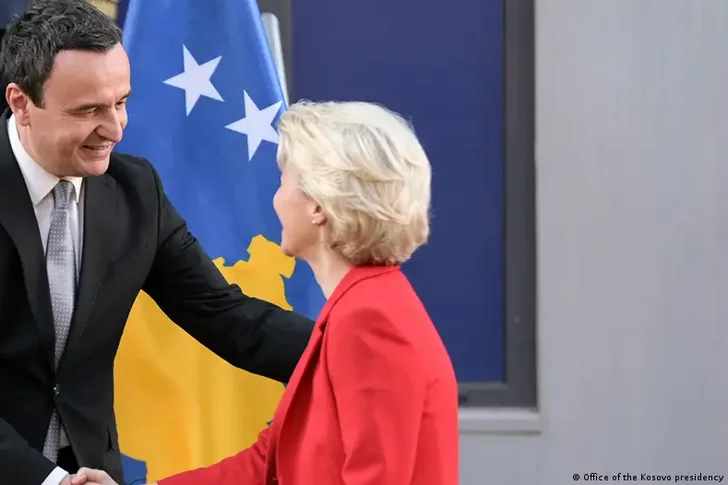
The 2023 Progress Report of the European Commission, E...
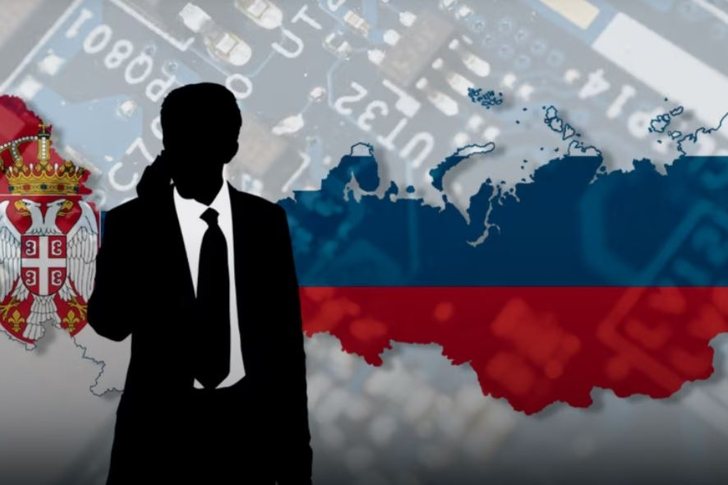
Serbian companies are exporting dual-use goods to Russia, ...
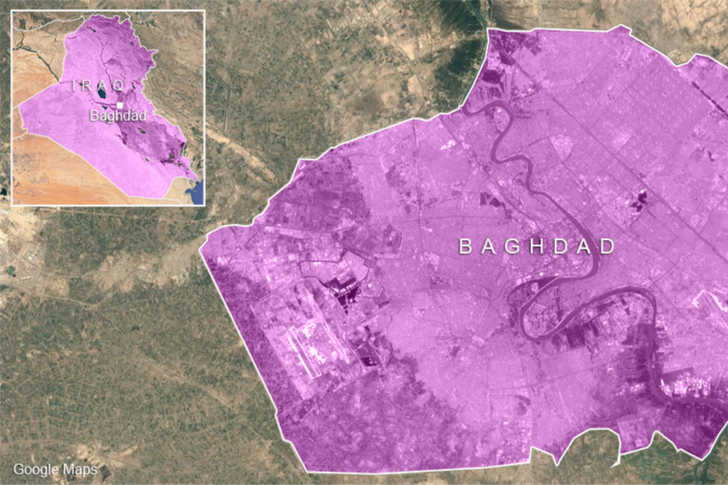
Drone attacks targeted the al-Harir airbase in northern Ir...
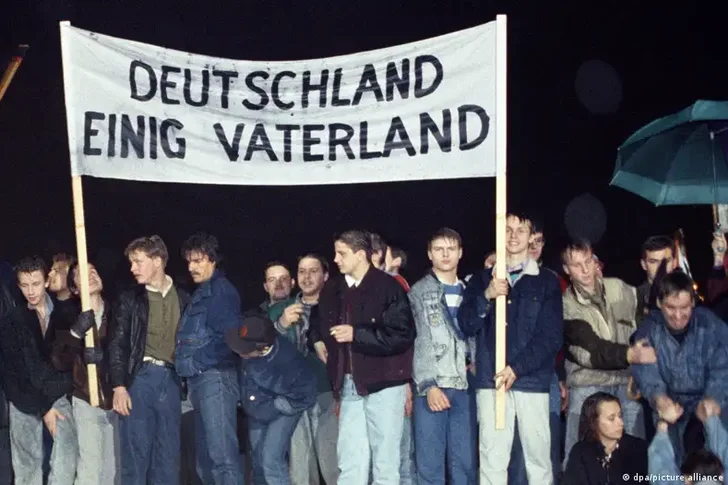
On November 9, Germany celebrates the 34th anniversary...
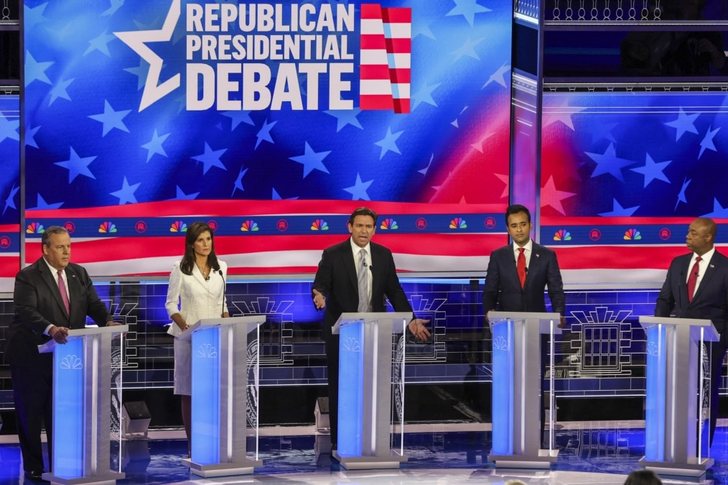
In the first debate since the war between Israel and Hamas...
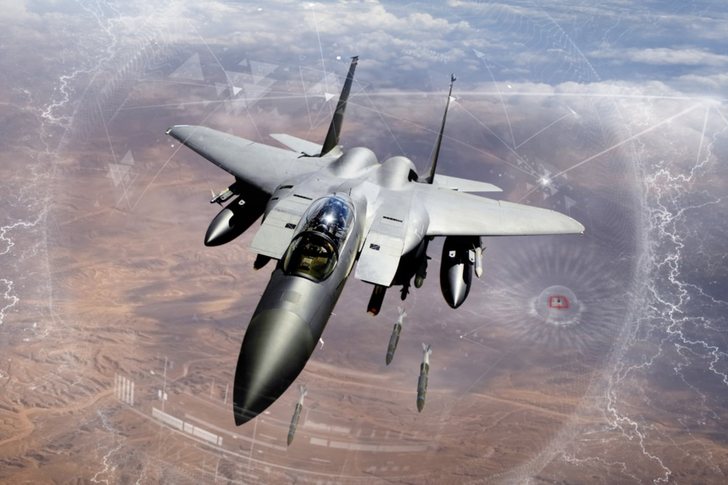
The United States launched strikes against a weapons depot...
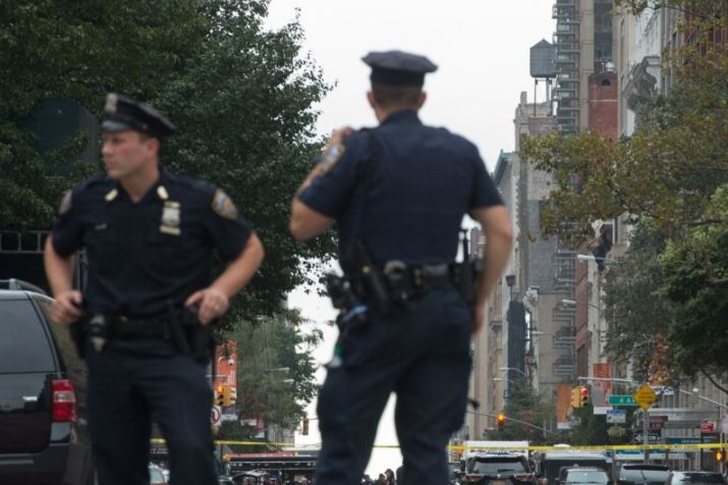
Italian police and the US Federal Bureau of Investigation ...
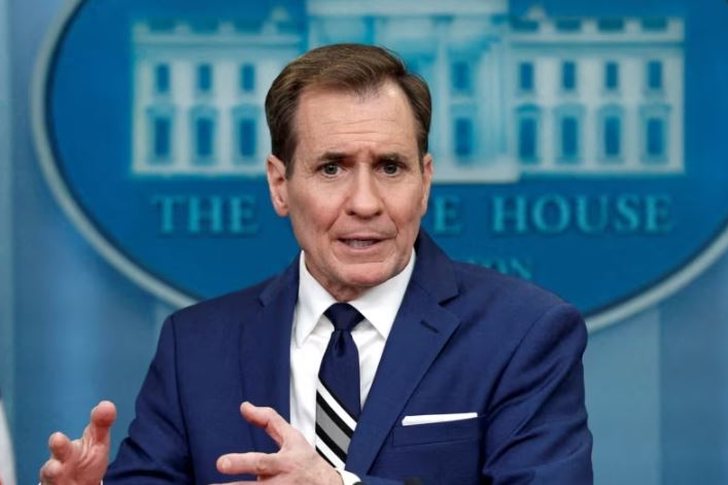
US National Security Council spokesman John Kirby said it ...

The charity Save the Children is calling for an immediate ...
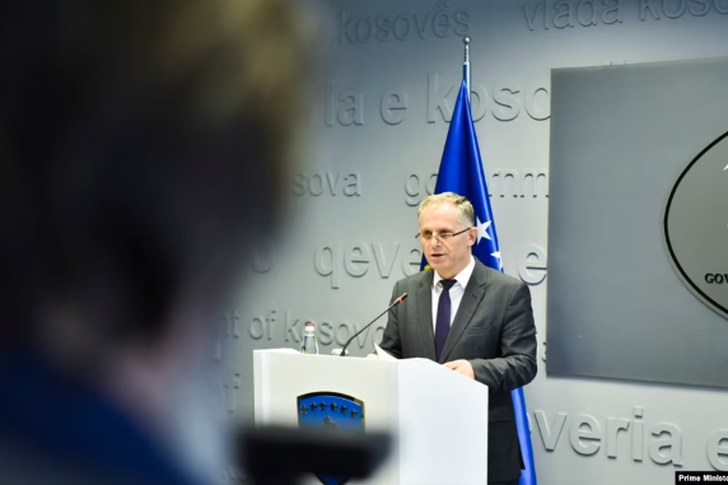
The Progress Report of the European Commission has con...
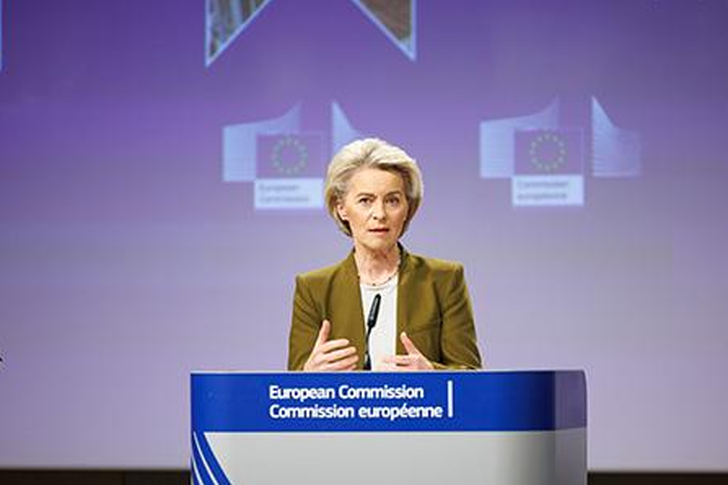
"Enlargement is a vital policy for the EU, completing ...
Iran has sentenced a French citizen to 5 years in pris...
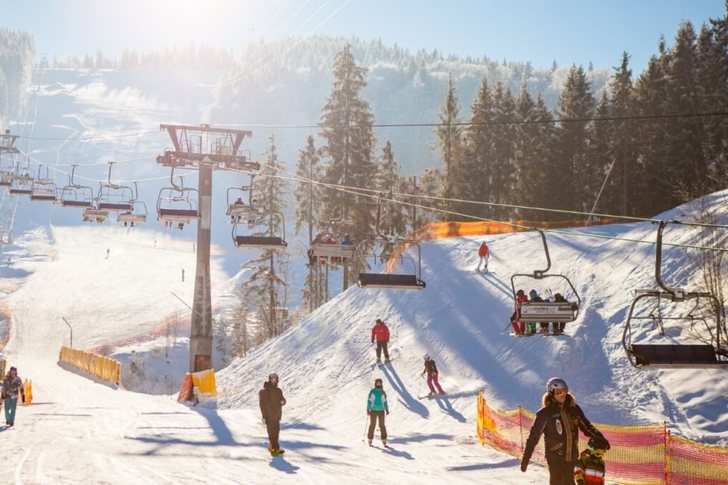
SchengenVisaInfo.com zgjodhi destinacionet kryesore dimëro...
At noon this Wednesday, several strong earthquake trem...
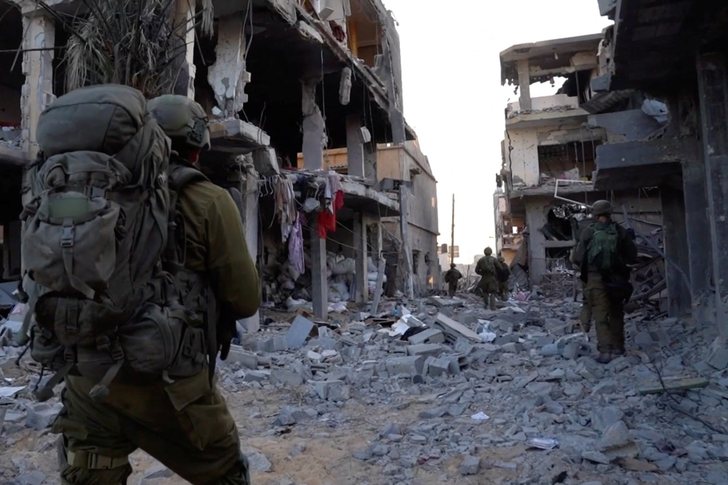
A key weapons maker and other Hamas fighters were killed i...
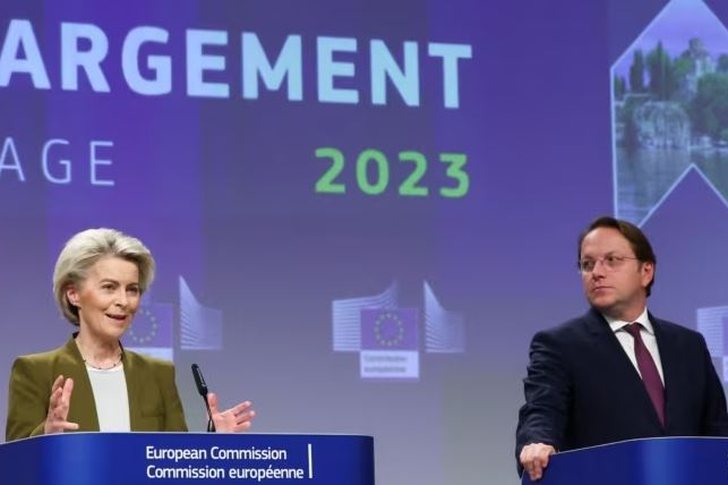
The European Commission recommended the opening of EU acce...
The President of the European Commission, Ursula Von der L...
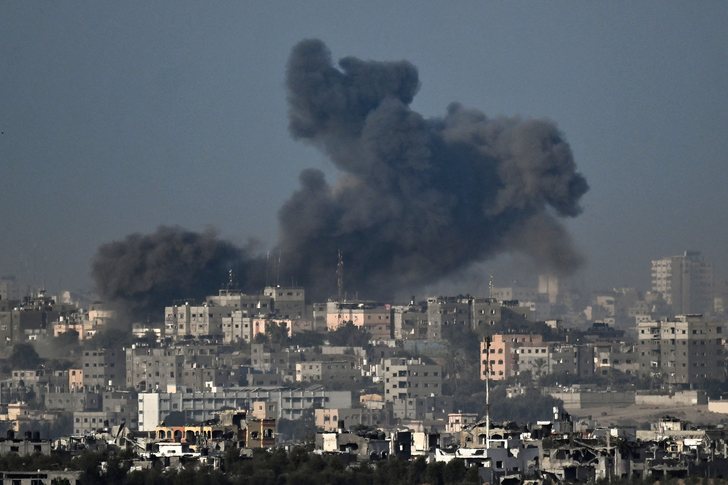
Teksa ka kaluar mbi 1 muaj nga nisja e bombardimeve në...
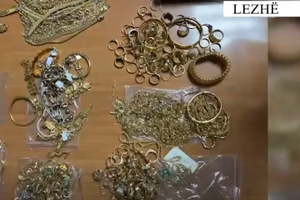
A 39-year-old citizen has been arrested in Lezha, after se...

CNA has launched another investigation that could lead to ...

Irfan Hysenbelliu is a businessman that we call "Irfan the...

In March 2026, CNA launched another investigation centered...

The Special Board of Appeal (KPA) decided this Monday ...

The KPA vetting decided this Thursday to dismiss the p...

Suela Salavaçi, a prosecutor in the Prosecutor's Offic...

The Special Board of Appeal reinstated the prosecutor ...
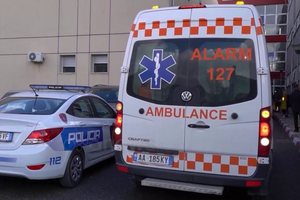
Several gunshots were reported today in the village of Gjo...
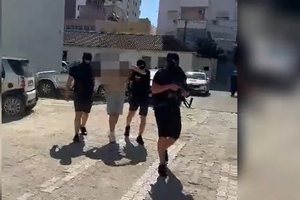
Following the successive operations carried out by the ope...
The Police Supervision Agency has seized the service weapo...
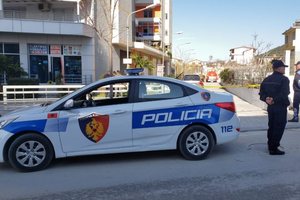
A serious incident occurred in Lushnje, where citizen IY, ...
As the year 2026 is in its second half, the world is exper...

Today, our country will be under the influence of stable a...

By noon, cloudiness is expected to prevail in almost all o...

Children without parental care, for whom alternative famil...
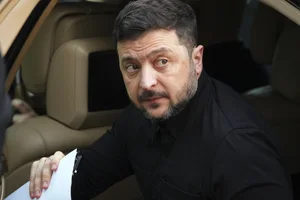
Ukrainian President Volodymyr Zelensky said Russia wants t...
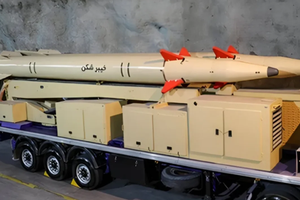
Iran is adapting and enhancing the capabilities of its bal...
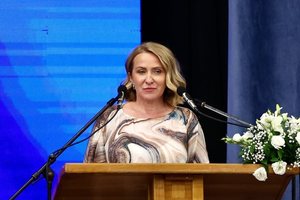
Serbia's Minister of State Administration and Local Self-G...
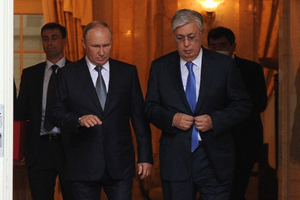
Kazakh President Kassym-Jomart Tokayev shared some critici...
Two windows, a century of history and the metaphysics of p...
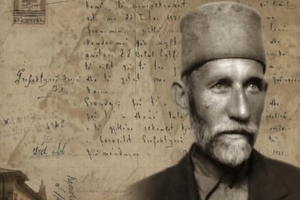
In my research at the Central State Archives, specifically...

At a time when industrial products are increasingly taking...

Trust among people is not just a three-syllable word. It c...
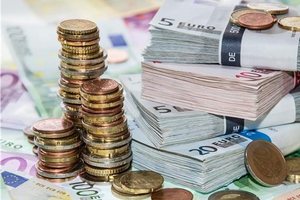
This Saturday, one US dollar is bought for 81.7 lek and so...
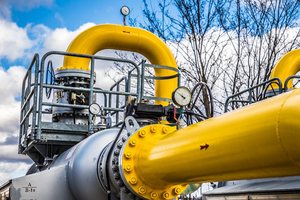
War, weather and supply disruptions could send gas prices ...
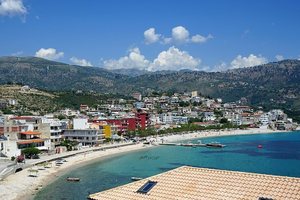
The number of active enterprises in Albania continued to g...
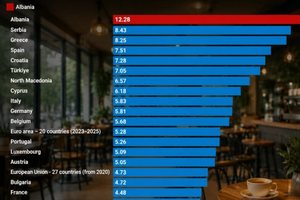
In Albania, the bar-cafe has long become an almost unique ...