

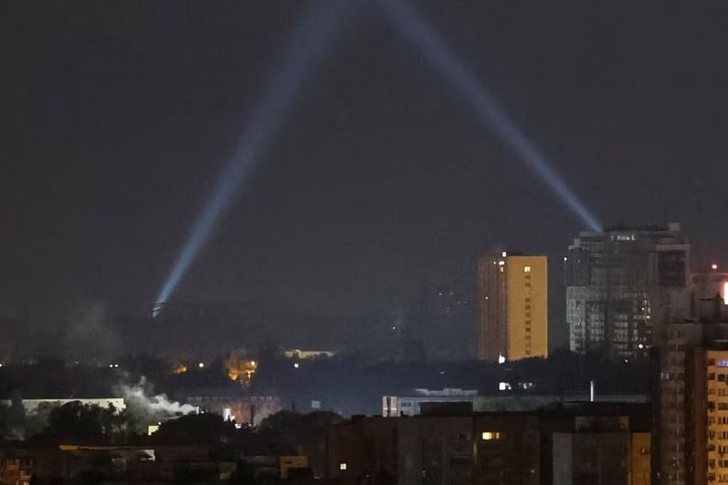
Kiev reports third mass Russian attack in four days
Ukrainian air defense forces shot down more than 10 Russia...


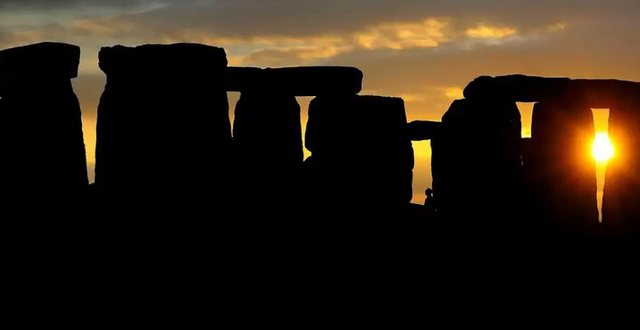
A detailed study of Stonehenge's central monolith has upended understanding of the mysterious British monument's origins by suggesting that one of its central stones was transported from northern Scotland.
The findings say the flat sandstone measuring 5 square meters and weighing 6 tonnes must have traveled more than three times the distance previously suggested.
The 5,000-year-old Neolithic stone is a treasure of British archaeological heritage that is visited by more than 1 million people a year. It is a place to celebrate the solstice every year and has recently been the subject of highly debated environmental protests.
Assumptions about the origin of Stonehenge
But it remains unclear how the structure was built. Until last year, the stone altar was described as "bluestone" even though it was found to be sandstone, thought to have originated from a deposit near the Brecon Beacons in Wales.
For a long time it was thought that the stones were transported from Mynydd Preseli deposits on the west coast of the country for 225 kilometers to build Stonehenge. The center also has large slabs of local sandstone.
A report last year from the University of Aberystwyth revealed the Altar Stone's composition is completely different from Welsh sandstones, and the study's authors hypothesize that it originated in Northern Britain.
On the recommendation of the Aberystwyth group small fragments of the altar stone were sent to the other side of the world, to Western Australia, where a PhD student from Curtin University observed them under a microscope.
'Stone DNA reveals origin of Stonehenge Altar Stone
The large Altar Stone that is at the center of Stonehenge is encased in the ground below two blocks of sandstone, which were brought from the Weltshire region along with other vertical stones that form the outer circle of the monument.
But Aberystwyth scientists led by geologist Richard Bevins identified the possibility of different origins for the altar in 2023.
Anthony Clarke and his colleagues did an isotope analysis of the fragmented uranium of the Altar Stone crystals. Using these measurements, Clarke and colleague Chris Kirkland—a Scot who also works at Curtin—used a geological database of rock deposits in Great Britain to compare the Altar Stone with rocks from the Orcadian Basin, about 850 kilometers to the north. of Stonehenge.
By measuring the isotope ratios of uranium and lead within these tiny crystals, we have a miniature clock," Kirkland said. "This is like the DNA of rocks that tells us where these materials come from and their age."
Stonehenge: A History of Maritime Trade?
Moving the 6-ton stone overland for more than 100 kilometers 6,000 years ago is a sensation. Scientists say that it is most likely that it was transported through water.
"At first we thought it was moved through the ice because for humans it's a very long distance. But when you look at the ice flows in the ice ages they've mostly moved away from southern Britain," Clarke said. "If you look at the land route it has a lot barriers, rivers and dense forests, which make us think that the sea route is the most possible".
Similarly, archaeologists have found a branch of the Nile that has dried up but that in ancient Egypt may have been used to transport the stones that were needed for their constructions. Clark says it's a mix between surprise and perhaps skepticism. The new findings are published in the scientific journal Nature./DW

Ukrainian air defense forces shot down more than 10 Russia...

The small Ukrainian town of Berislav has been hit for mont...
As China and Russia seek to deepen cooperation in the Arct...
Ukraine's surprise offensive in Russia's Kursk region has ...

The latest wave of attempts at cease-fire talks in Gaza, w...
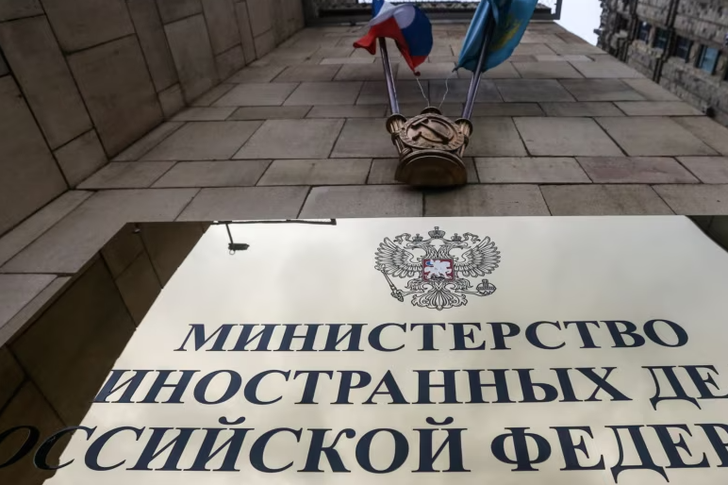
Russia's Foreign Ministry said on August 28 that it has ad...

Russian President Vladimir Putin will launch a counteroffe...

White House officials welcomed the rescue of an Israeli ho...

A famous YouTuber who blackmailed hundreds of girls ar...

Autumn in Brussels usually kicks into high gear in mid...
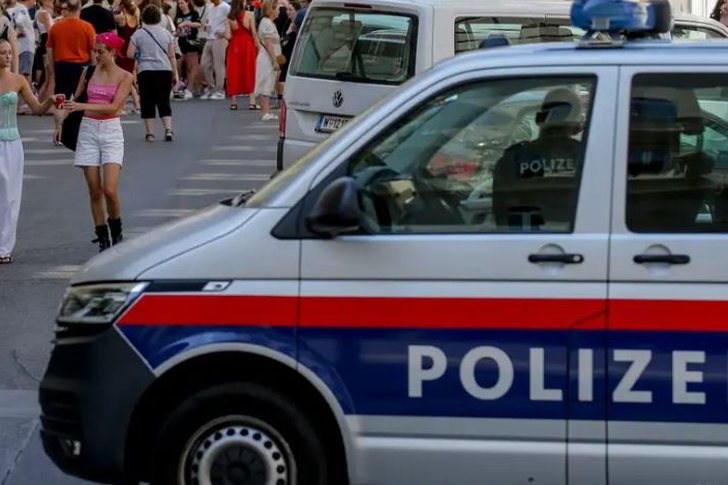
After the prevention of the assassination attempt at Taylo...

At least 11 Palestinians have been killed by Israeli force...

British Prime Minister Keir Starmer will discuss a landmar...

Ukrainian President Volodymyr Zelensky has said his tr...
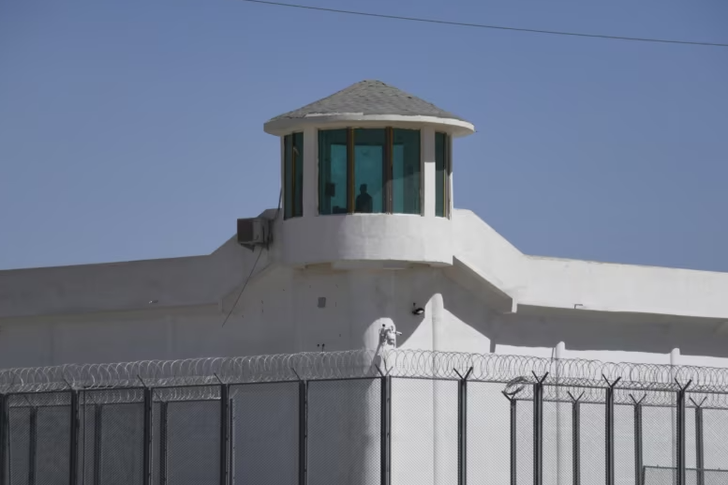
The United Nations Human Rights Office (OHCHR) said China'...

The Israeli military said it has rescued another perso...

Meta owner Mark Zuckerberg has said he regrets bowing to w...

White House National Security Adviser Jake Sullivan ar...
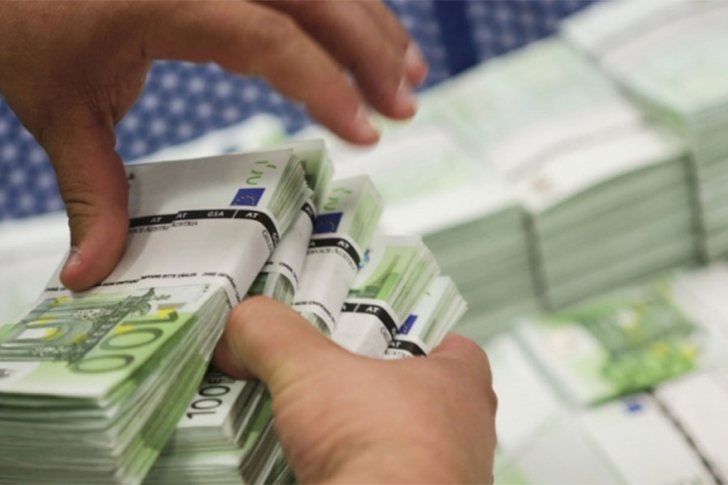
Deposits of Kosovo citizens continue to grow in commercial...

Edward P. Joseph, a lecturer at Johns Hopkins Universi...
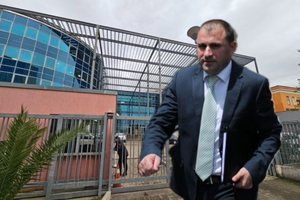
Dritan Prençi is the SPAK prosecutor who is sleeping on th...
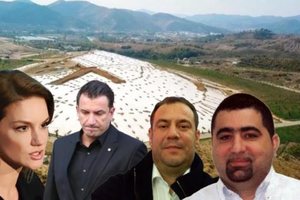
The in-depth investigations that SPAK conducted into Ajola...
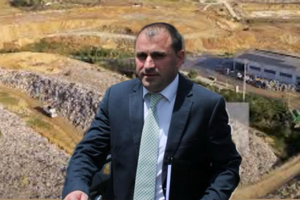
SPAK's standards, the way it investigates, how it secures ...

Irfan Hysenbelliu claims to be a big businessman, an hones...

The Special Board of Appeal (KPA) decided this Monday ...

The KPA vetting decided this Thursday to dismiss the p...

Suela Salavaçi, a prosecutor in the Prosecutor's Offic...

The Special Board of Appeal reinstated the prosecutor ...

The two German tourists who lost contact while exploring t...

After finding 7446 narcotic plants in the village of Reç i...

Following Operation "The Wanted", a 42-year-old man wanted...
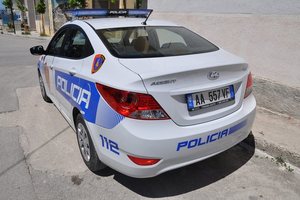
As a result of intensive investigative and operational act...

The UN's World Meteorological Organization now warns that ...
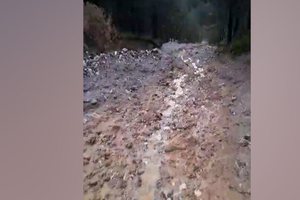
Intense rainfall has caused numerous problems in the Radom...
Today our country will be affected by relatively unstable ...

On Monday, our country will be affected by relatively stab...

Bulgaria's newly appointed Defense Minister, Dimitar Stoya...

NASA has named its crew for its next major mission to the ...

Five people have been arrested in Kosovo on suspicion of i...
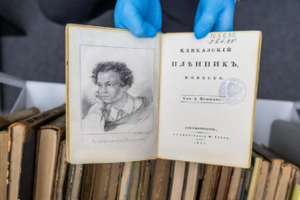
Six Georgian citizens appeared before a Paris court on Tue...

Korça has transformed this weekend into the capital of cel...

Korça is ready to open the summer season with one of the c...

Two years after his passing, the renowned Korçë poet Skënd...

The Ethnographic Museum of Berat has opened its doors to v...

Predictions of a severe oil shortage this summer have not ...

Improving the performance of public parking lots in Vlora,...
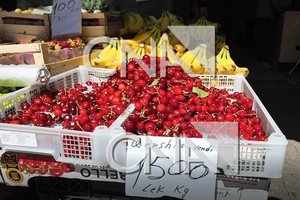
Inflation has increased in May, rising to 3% compared to 2...

Exchange rate, June 8, 2026 This Tuesday, one US dollar is...