


"Berisha called me 1 hour before the candidacy"/ Korreshi reveals the behind-the-scenes of the DP elections
Democratic Party MP, Saimir Korreshi, shared today some un...

Democratic Party MP, Saimir Korreshi, shared today some un...

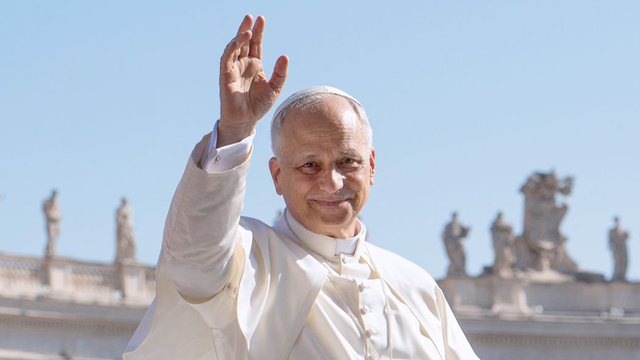
Nearly seven months after his election as pope, Leo XIV undertakes his first trip abroad. This trip, from November 27 to 30, stops in Turkey and ends in Lebanon on December 2.
The head of the Catholic Church, who is originally from the US, is thus continuing the international commitment of his predecessor. Today, the travel program is a natural part of the exercise of the pontificate and "it is unthinkable without it," Augsburg-based church historian and papal expert Jörg Ernesti told DW.
It is awaited with interest what emphasis Leo will place on his first trip and how he will eventually distinguish himself from his predecessors. In Turkey, the head of the Catholic Church will visit the capital Ankara and Istanbul. He will also travel to Iznik, about 100 km to the southeast, where the first world council of all churches met 1,700 years ago.
In Lebanon, visits to Beirut and several pilgrimage sites in the north of the country are on the program. At the end of his trip, Pope Leo will hold a silent prayer at the port of Beirut, the very place where in the summer of 2020 a terrible explosion with pesticides and explosives occurred that destroyed an entire neighborhood, about 200 people lost their lives and the entire country was shaken by this disaster.
Many Christians once lived in Turkey and Lebanon
The two countries share one thing in common: A hundred years ago, Christians made up a significant portion of the population in both countries. In Turkey, about a third of the population belonged to a church, while in Lebanon more than half the population. Today, in Turkey, less than one percent of the population is Christian, while in Lebanon, 30 percent.
Turkey, excluding Italy, is the first country in the world to have hosted five popes. This is partly due to the fact that the Asian part of Turkey has important traditions of early Christian history and is also home to some of the first Christian communities.
In Istanbul, formerly Constantinople, the head of Orthodoxy still has his seat, currently held by the 85-year-old Greek Orthodox Patriarch Bartholomew. His church has suffered for decades from restrictions imposed by the Turkish state.
Leo goes - just like his predecessors Pope John Paul II (1979), Benedict (2006) and Francis (2014) - with full awareness at the end of November to Istanbul. November 30 is the feast of the Apostle Andrew, who is as important to Orthodoxy as the Apostle Peter is to Western Christians.
"Restriction of religious freedom"
In Turkey, according to church historian Ernesti, "there are restrictions on freedom of belief." This primarily affects the Greek Orthodox Church, which has been "significantly annihilated" since the expulsion of the Greeks from Constantinople and Asia Minor 100 years ago. The Ecumenical Patriarch is limited in his activity.
For more than 50 years, the Orthodox seminary on the island of Chalki in the Sea of ??Marmara near Istanbul has been closed by state decree. According to Ernest, the Catholic Church cannot operate freely either.
The visit is being awaited with interest, as it is the pope's first visit to a predominantly Muslim country. "Many people in the Islamic world, especially in Turkey, feel honored that the pope's first trip abroad is dedicated to their country," Jesuit Felix Körner tells DW.
Lebanon, a country with many religions
Lebanon is also an important stage of this papal journey. Traditionally, this country is characterized by the coexistence of many religious faiths. There is no state religion in Lebanon. Today, more than 60 percent of the Lebanese are Sunni and Shiite Muslims, about 30 percent are Christians of various churches. Alongside them, there are also Druze and Alevis. Hezbollah, supported by Iran, is a powerful factor in power and political unrest.
The political system is clearly defined proportionally, dividing it between representatives of different religions, explains expert Ernesti. Therefore, the Vatican considers Lebanon "as an experimental field for the functioning of coexistence between people of different religious beliefs."
If people in a "multi-religious country" do not interact, this leads to instability. The whole community benefits from positive cooperation. In its current state, Lebanon is for Leo XIV "a difficult travel destination."
Referring to the Christian-Islamic dialogue, Jesuit Körner believes that Leo, in a different way from his predecessor Francis, will continue to pursue his course of rapprochement with Islam.
"Pope Francis' approach was one of friendship," says Körner. He emphasized sympathy and advanced by living the exchange and good relations with Muslim actors. This also characterized his trip to the Islamic world, as well as his visit to Abu Dhabi in 2019, where the document appreciated worldwide for mutual understanding was signed.
Pope Leo, while having similar priorities, hopes and worldviews as Francis, says Körner, is different in style: "more structured, more careful, more reasonable." "Leo is a church jurist. That's very good. He will revitalize and create sustainable structures for growing understanding between Muslims and Christians." /DW

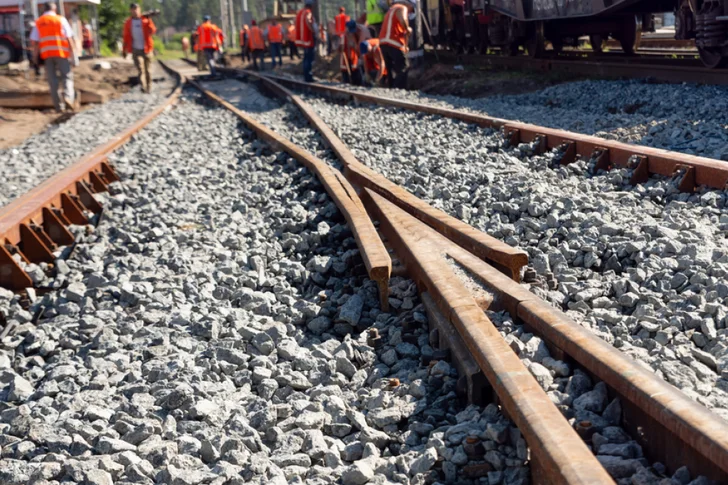
Një ngjarje e rëndë ka ndodhur në Kinën jugperëndimore, ku...
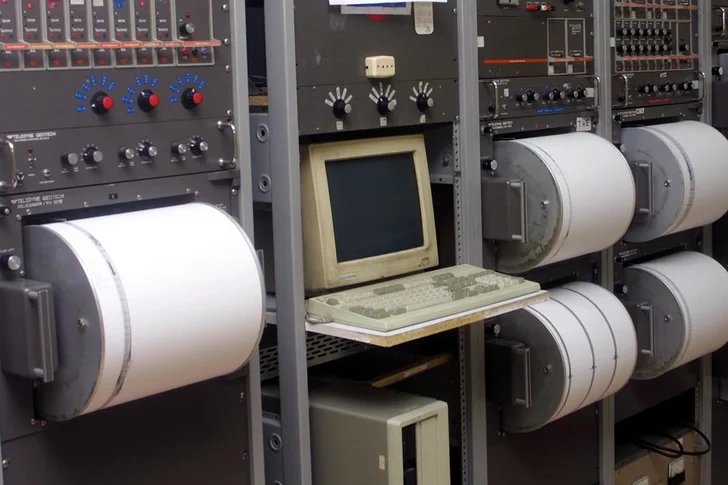
A magnitude 6.6 earthquake struck a small island northwest...
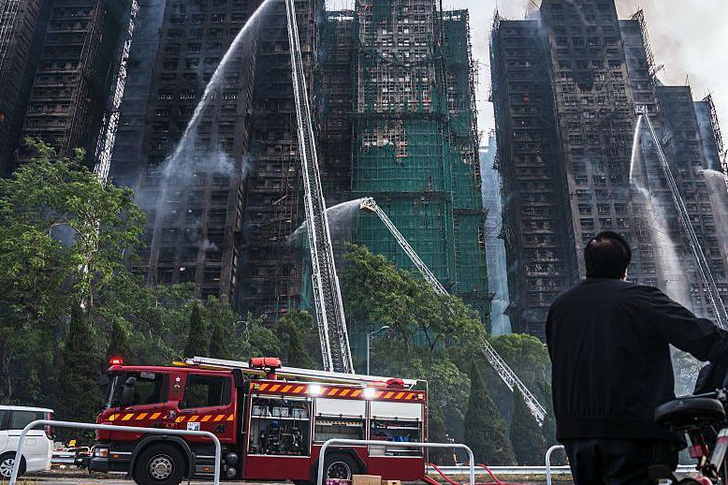
At least 44 people have been killed in a massive fire that...

The US has suspended processing of all immigration applica...
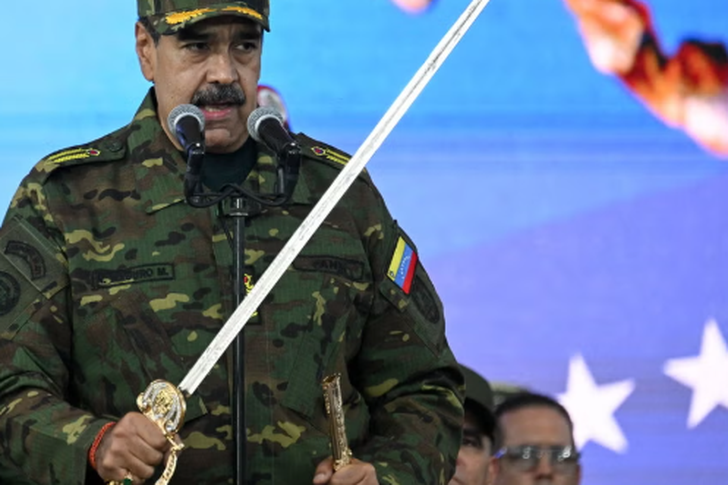
Venezuelan President Nicolas Maduro donned military unifor...
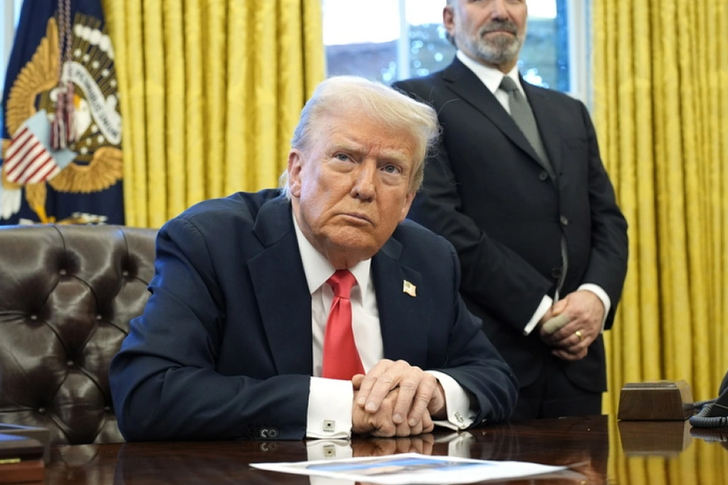
President Donald Trump has announced the exclusion of Sout...
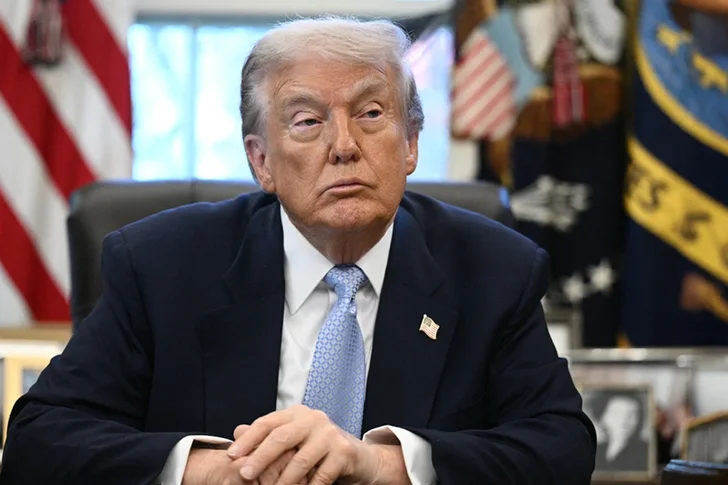
US President Donald Trump has reacted after the injury of ...
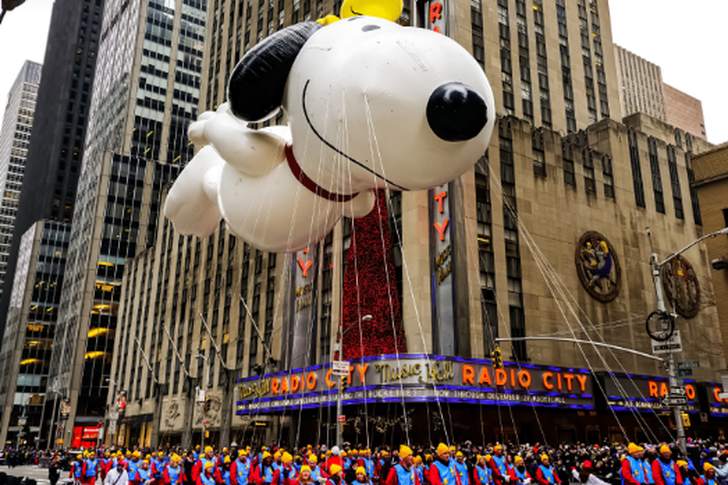
New York City is enveloped in a very pleasant atmosphere b...
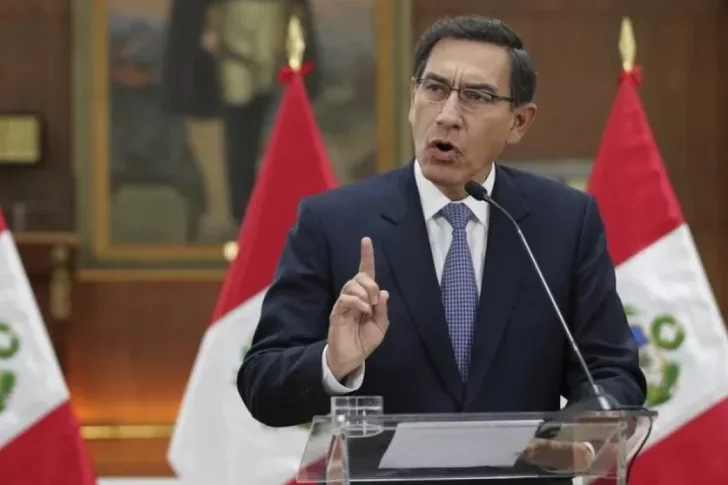
Former Peruvian President Martin Vizcarra was sentenced to...
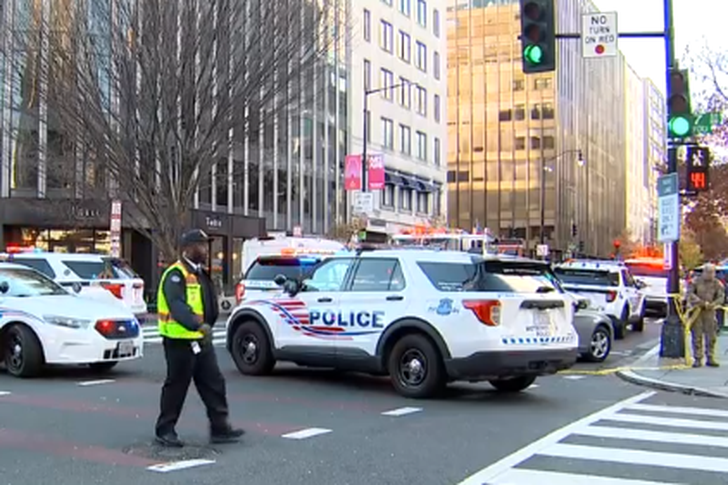
Gunshots have been recorded near the White House. Foreign ...
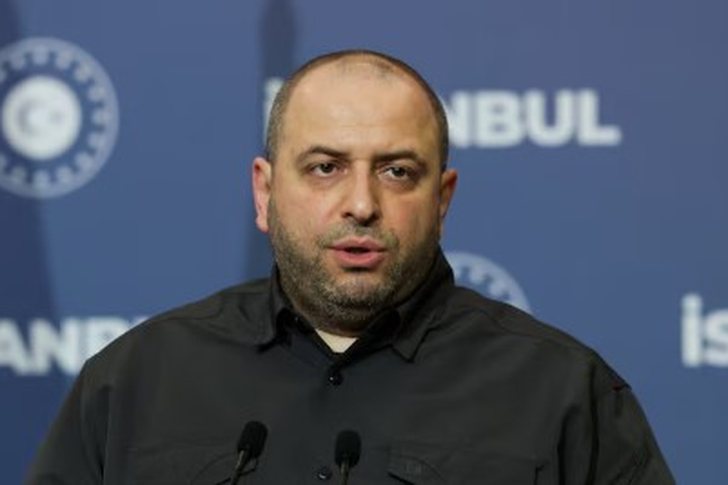
Senior Ukrainian security official Rustem Umerov, a key fi...
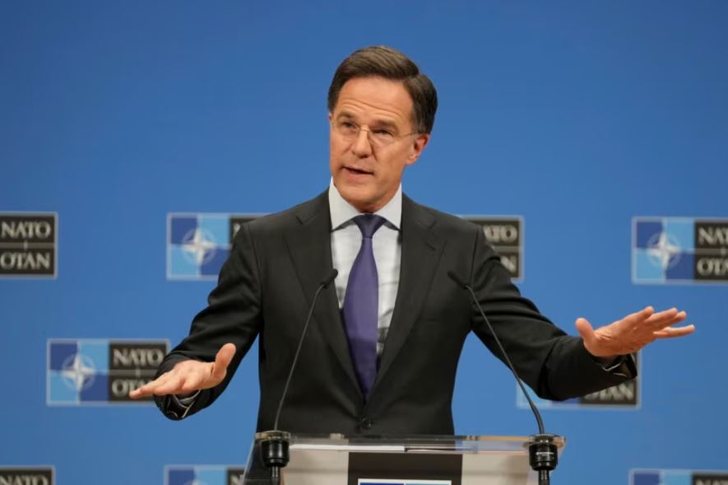
NATO Secretary General Mark Rutte warns that even if an ag...
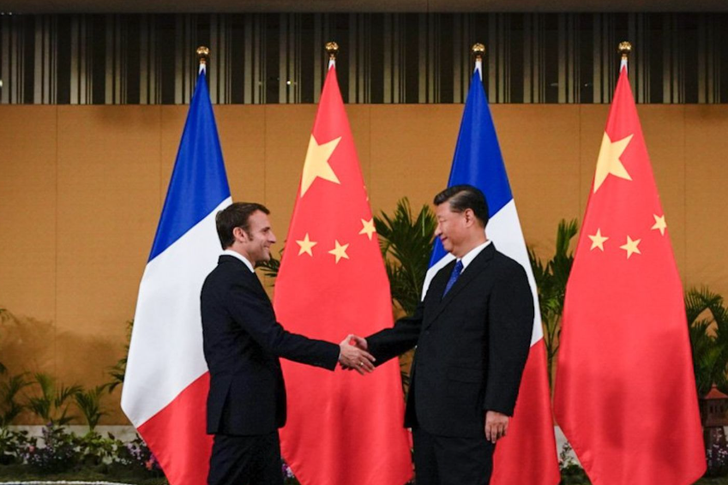
French President Emmanuel Macron will pay an official visi...
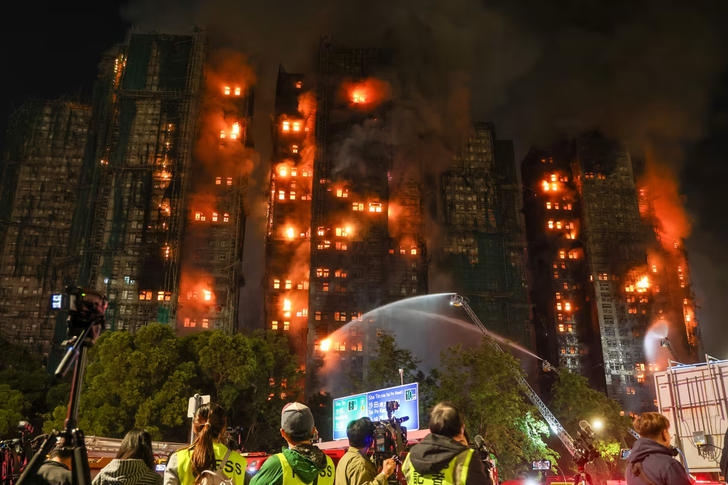
The death toll from a fire that ripped through a Hong Kong...
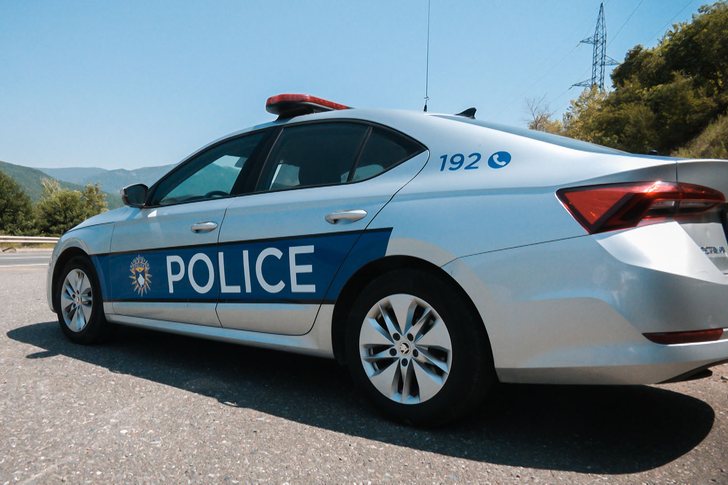
Kosovo Police have arrested a Turkish citizen who is inter...
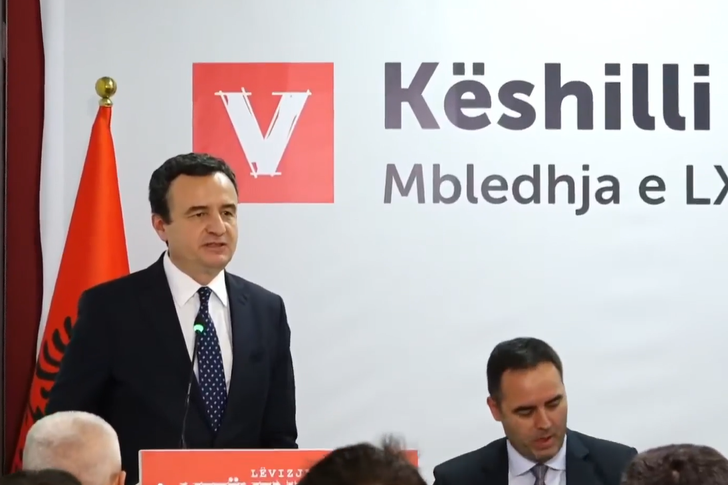
The General Council of the Vetevendosje Movement has chose...
AAK leader Ramush Haradinaj has expressed his condolences ...
A Georgia prosecutor has dropped the indictment against Pr...
A Turkish court has sentenced a prominent independent jour...
Former leader of the Democratic Party of Kosovo, Memli Kra...

CNA has launched another investigation that could lead to ...

Irfan Hysenbelliu is a businessman that we call "Irfan the...

In March 2026, CNA launched another investigation centered...
The arrested mayor of Tirana, Erion Veliaj, with 13 charge...

The Special Board of Appeal (KPA) decided this Monday ...

The KPA vetting decided this Thursday to dismiss the p...

Suela Salavaçi, a prosecutor in the Prosecutor's Offic...

The Special Board of Appeal reinstated the prosecutor ...
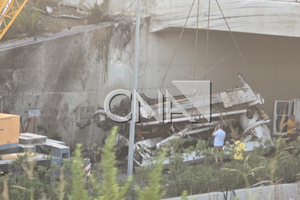
This Wednesday, around 4:00 PM, a serious accident occurre...
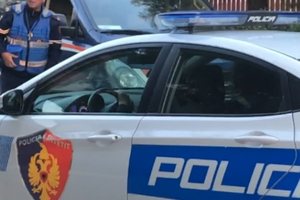
Tirana Police have shared details regarding the accident t...
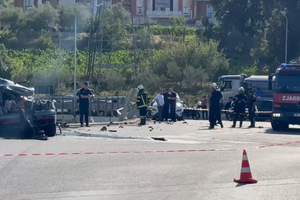
New details have emerged regarding the accident that occur...
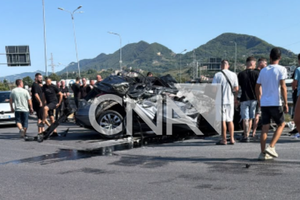
New details have emerged from the serious accident that oc...
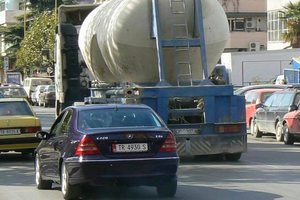
A serious accident that occurred this Wednesday with the c...

The Institute of Geosciences has shared a forecast for wea...
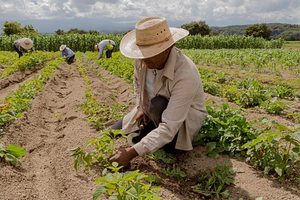
Rising energy and fertilizer prices are expected to contin...

Over 18,000 foreign citizens from 140 countries have appli...
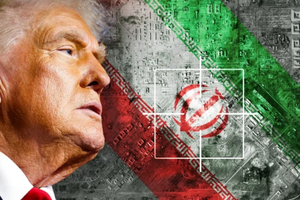
US President Donald Trump has issued another warning to Ir...
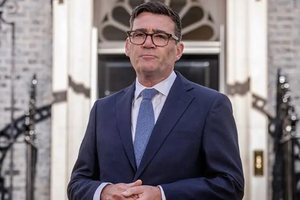
Prime Minister Andy Burnham has announced that most bus fa...
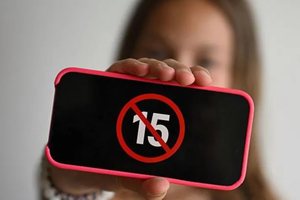
France's parliament has passed a law to ban social media f...
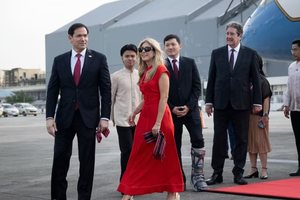
US Secretary of State Marco Rubio arrived in Manila on Jul...

At a time when industrial products are increasingly taking...

Trust among people is not just a three-syllable word. It c...
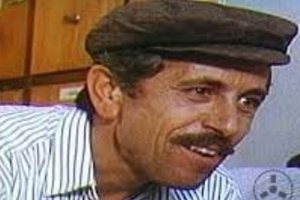
Master of humor Todi Llupi has passed away at the age of 7...
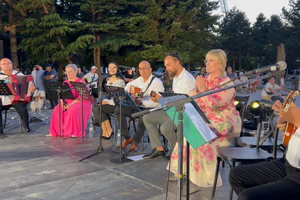
The ninth edition of "MIK Festival" kicked off with one of...

Businesses will no longer be required to simply register t...

Despite economic growth and income in recent years, Albani...
This Wednesday, one US dollar is bought for 81.4 lek and s...
Construction company licenses will have a validity period ...