


4.2 million euros for Kanye West/Berisha: He stole pensioners' money with criminal records
DP leader Sali Berisha has accused the government of using...

DP leader Sali Berisha has accused the government of using...

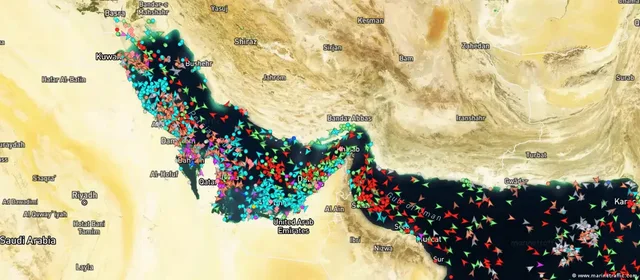
The initial situation is unclear. In theory, the strait of the global economy should now be doubly closed. While Iran, in the context of the trade war with the US and Israel, had effectively closed the Strait of Hormuz to free navigation, or rather, had demanded a high price for passage, the US has now begun to block the strait itself.
However, according to US data, only ships departing from or destined for an Iranian port in the Persian Gulf or the Gulf of Oman will be blocked. US President Donald Trump aims, through the US blockade, to force Iran to lift its blockade. Can this work at all? And what is the purpose of a blockade of the blockade?
How is the American blockade being implemented in practice?
According to a senior administration official in Washington, more than 15 US warships are involved in the blockade. According to military officials, the US has an aircraft carrier, several guided-missile destroyers, an amphibious assault ship and other warships in the Middle East, the Wall Street Journal reports.
Some of the ships would be capable of escorting merchant ships to designated areas to stop them there. The newspaper quotes a former senior US Navy officer who estimates that the warships will most likely be deployed outside the Strait of Hormuz to avoid an immediate threat from Iran.
Is the US blockade against Iran working?
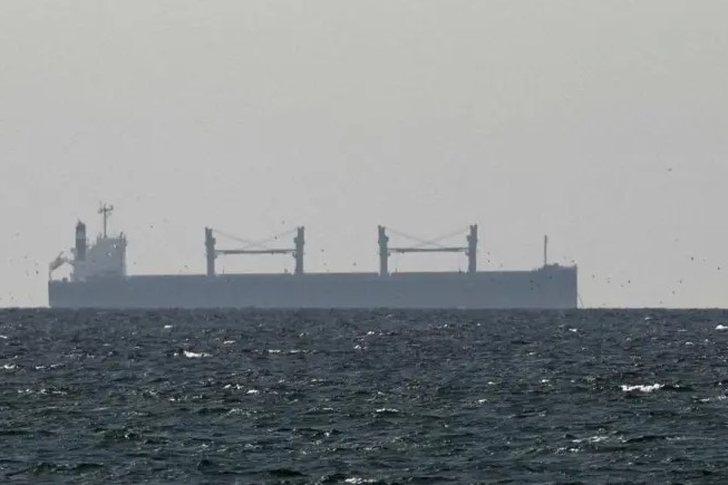
It’s unclear. A Chinese oil tanker sanctioned by the US has passed through the Strait of Hormuz despite the US blockade, according to shipping data. This is the first ship to leave the Persian Gulf since the US blockade began on Monday, according to data providers LSEG, MarineTraffic and Kpler. According to available information, the medium-sized tanker is carrying approximately 250,000 barrels of methanol, which it is said to have loaded at the port of Hamriyah in the United Arab Emirates. The ship and its owner, Shanghai Xuanrun Shipping, were placed on a US sanctions list for doing business with Iran.
According to LSEG data, another US-sanctioned tanker was also heading towards the Strait. According to Kpler data, the tanker, which is empty, was scheduled to load oil in Iraq. The ship has previously transported Russian and Iranian oil.
A danger to the US or a sensible move?
Për Presidentin e SHBA-së Trump, bllokada e Ngushticës së Hormuzit nga anijet luftarake amerikane nuk është pa rreziqe, veçanërisht pasi pasojat për ekonominë globale janë shumë të pasigurta. Për sa kohë që nuk ka lundrim të lirë nëpër Ngushticë, presioni mbi çmimet e energjisë ka të ngjarë të vazhdojë të rritet - dhe, bashkë me të, presioni politik për të arritur një marrëveshje dhe për t'i dhënë fund luftës.
Në SHBA, bllokada e SHBA-së shihet me reagime të përziera. Sipas qendrës kërkimore amerikane "The Soufan Center”, Trump, me bllokadën e tij të Hormuzit, ka të ngjarë të synojë "ta privojë Iranin nga të ardhurat e eksportit dhe të bindë klientët kryesorë të naftës së Iranit, veçanërisht Kinën, të ushtrojnë presion mbi Teheranin për të hequr bllokadën e Ngushticës”.
Richard Haass beson se, në parim, kjo është masa e duhur. Ish-diplomati dhe ish-presidenti i Këshillit për Marrëdhëniet me Jashtë deklaroi në CNN: "Është një situatë e paqëndrueshme. Është vërtet e papranueshme që Irani kontrollon këtë rrugë ujore ndërkombëtare”. "Ata po përfitojnë prej saj dhe po ua mohojnë të tjerëve përdorimin e saj. Kjo nuk mund të vazhdojë”.
Gjenerali në pension i SHBA-së, Randy Manner, nuk është dakord: "Iranianët nuk kanë pse të bëjnë asgjë, thjesht të shikojnë ndërsa Shtetet e Bashkuara vazhdojnë të bllokojnë ngushticën. Një ngushticë që ne thamë se donim ta mbanim të hapur - dhe që tani po e bllokojmë”.
Manner thekson se, pavarësisht bllokadës detare të SHBA-së, Irani mund të eksportojë naftë nëpërmjet Detit Kaspik, me hekurudhë dhe nëpërmjet tubacioneve. Në fund të fundit, Ngushtica e Hormuzit mund të hapet vetëm nëpërmjet diplomacisë.
Si po reagon Irani ndaj bllokadës amerikane?
Me kërcënime dhe akuza të reja. Sipas ambasadorit iranian në OKB, kjo është një "shkelje e rëndë" e "sovranitetit dhe integritetit territorial" të Iranit. Bllokada "e paligjshme" përbën gjithashtu "një shkelje të rëndë të parimeve themelore të ligjit ndërkombëtar detar", shkroi Amir Saeed Iravani në një letër drejtuar Sekretarit të Përgjithshëm të OKB-së António Guterres, e cila u pa nga AFP.
Forcat e armatosura iraniane e përshkruan bllokadën detare si "një akt piraterie". Kufizimet e trafikut detar në ujërat ndërkombëtare janë një masë e paligjshme, deklaroi një zëdhënës i komandës ushtarake iraniane, sipas agjencisë së lajmeve Tasnim. "Siguria e porteve të Gjirit Persik dhe të Gjirit të Omanit është për të gjithë ose për askënd." Garda Revolucionare kërcënoi se do të sulmonte anijet ushtarake.
A ka reagime të tjera?
The Secretary-General of the International Maritime Organization (IMO), Arsenio Domínguez, criticized any blockade of this important sea route, describing it as illegal. The EU High Representative for Foreign Affairs, Kaja Kallas, reiterated that the European Union "continues to reject any measure aimed at restricting the free and safe passage through the Strait."
China, a U.S. rival and major importer of Iranian oil, also criticized the U.S. actions and demanded “unhindered” passage through the strategically important strait. A U.S. blockade of Iranian ports would be “dangerous and irresponsible,” said Foreign Ministry spokesman Guo Jiakun. Such a move would escalate the conflict and undermine the fragile ceasefire.
Russia, Iran's main international ally, announced that Foreign Minister Sergei Lavrov will travel to Beijing on Tuesday and Wednesday for talks with his Chinese counterpart, Wang Ji. /DW

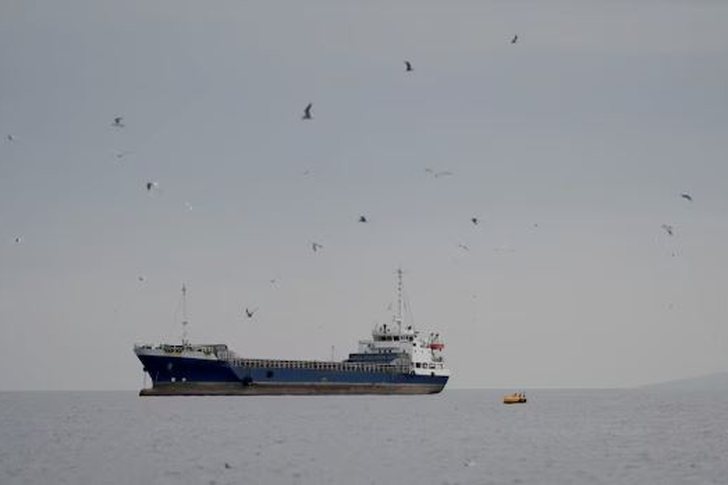
The US blockade of Iranian ports has completely stopped ec...

Zëvendëspresidenti amerikan, JD Vance është shprehur se Ir...
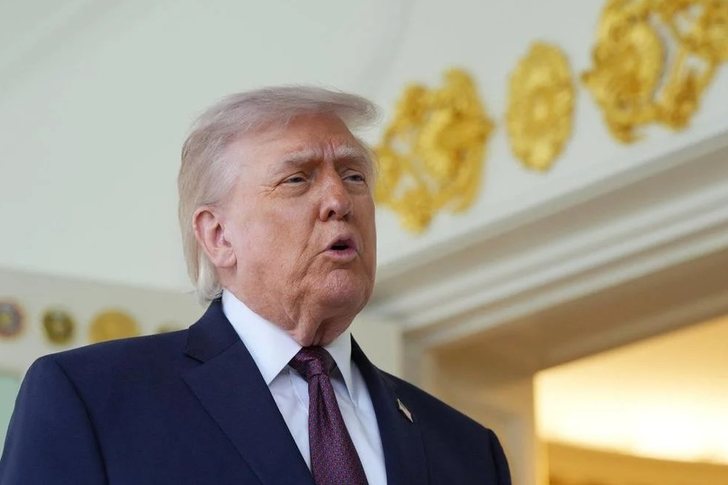
US President Donald Trump has reacted on social media, onc...
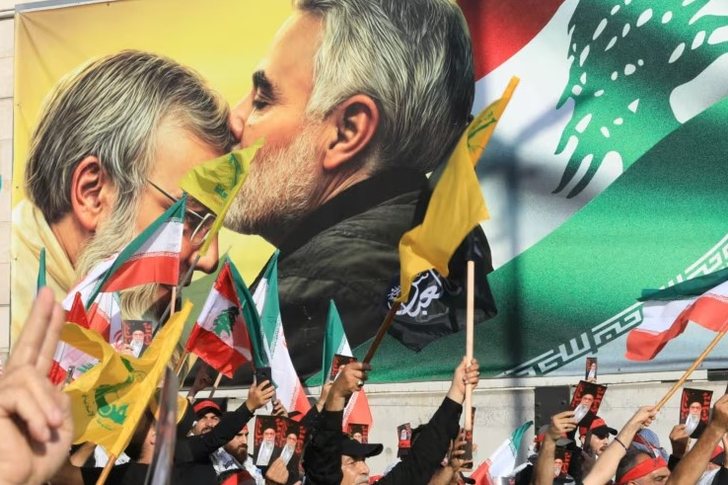
Just 48 hours after the United States and Israel launched ...
Oil prices remained steady in Asian stocks today as hopes ...

A new trial began this Tuesday in San Isidro, near Buenos ...
Kryeministri i Maqedonisë së Veriut, Hristijan Micoski dek...
"Reuters" - Ukrainian President Volodymyr Zelenskyy and hi...
"Reuters" - The Spanish government has approved a new decr...

A 20-year-old man has been shot dead in Helsingborg, Swede...
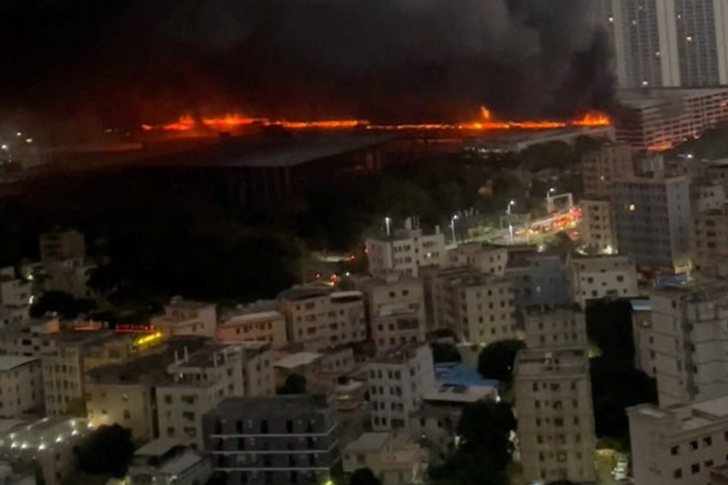
A massive fire has broken out at a facility inside the com...

A shooting attack at a vocational high school in the Siver...

Serbian President Aleksandar Vučić has reacted sharply to ...
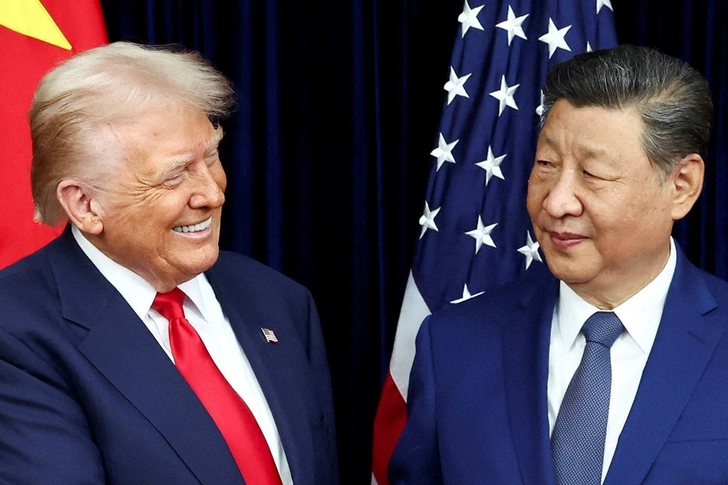
Chinese President Xi Jinping has presented a four-point pr...
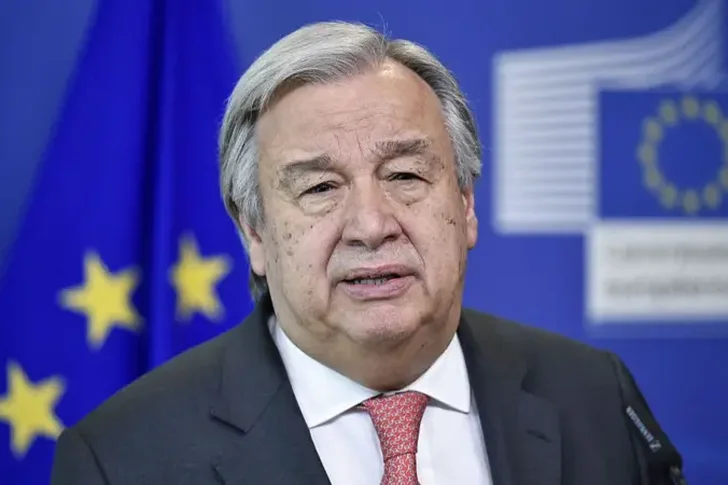
United Nations Secretary-General Antonio Guterres has call...

Në fillim të marsit, një litër benzinë super kushtonte 2 e...
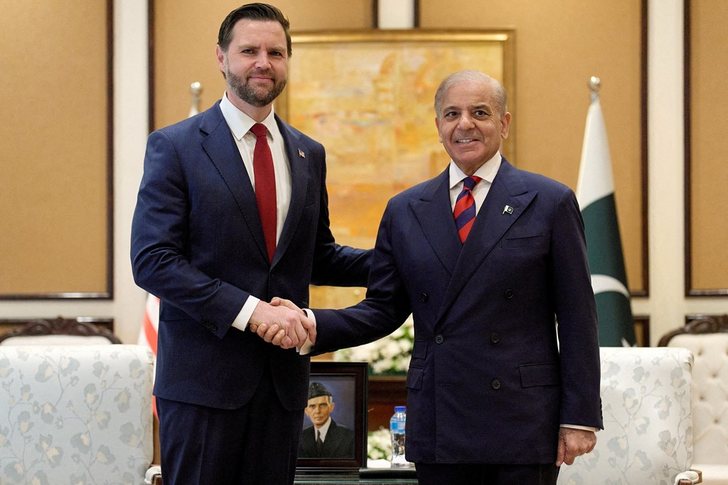
Pakistan has proposed hosting a second round of talks betw...
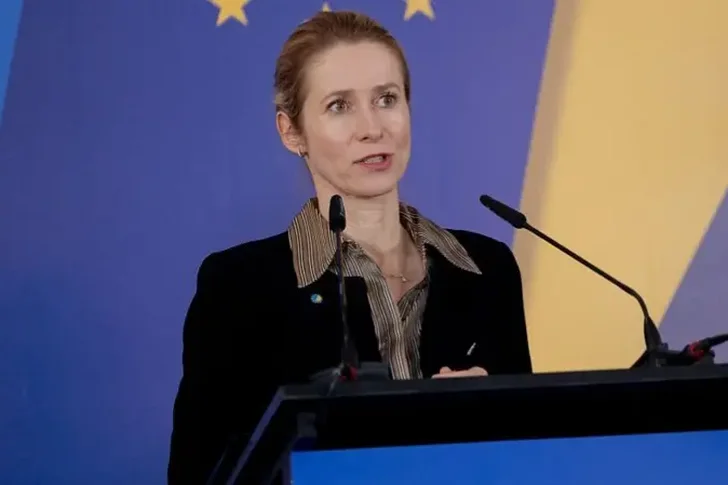
The European Union does not support any action that restri...
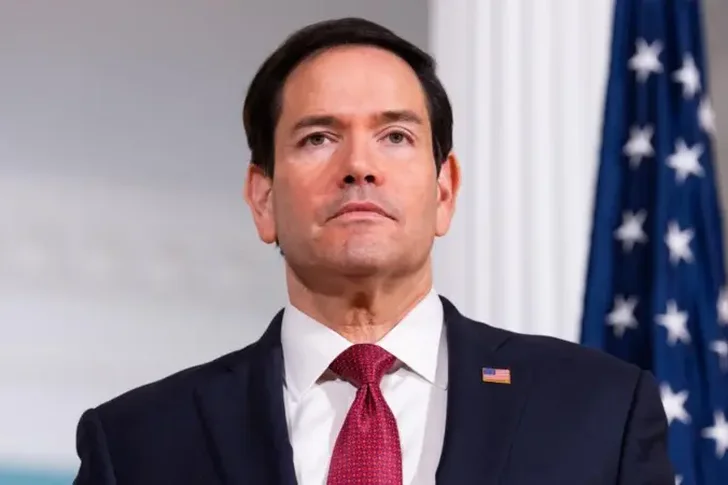
Sekretari i shtetit i SHBA-së, Marco Rubio, do të jetë mid...

Begoña Gómez, the wife of Spanish Prime Minister Pedro Sán...
A 39-year-old citizen has been arrested in Lezha, after se...

CNA has launched another investigation that could lead to ...

Irfan Hysenbelliu is a businessman that we call "Irfan the...

In March 2026, CNA launched another investigation centered...

The Special Board of Appeal (KPA) decided this Monday ...

The KPA vetting decided this Thursday to dismiss the p...

Suela Salavaçi, a prosecutor in the Prosecutor's Offic...

The Special Board of Appeal reinstated the prosecutor ...

A serious incident occurred in Lushnje, where citizen IY, ...

As a result of the investigative and procedural actions ca...

A conflict for weak motives was recorded today in the vill...
An accident involving three vehicles occurred a few minute...

Today, our country will be under the influence of stable a...

By noon, cloudiness is expected to prevail in almost all o...

Children without parental care, for whom alternative famil...
On Thursday, our country will be under the influence of st...

Marine Le Pen is entering the decisive phase of the presid...
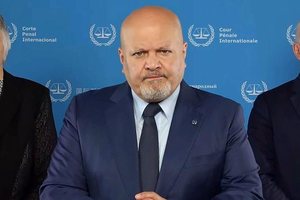
Member states of the International Criminal Court voted to...
From the declining role of exports to new public investmen...

South Korea is becoming one of the most sought-after desti...
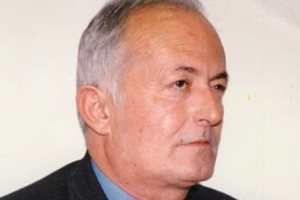
Two windows, a century of history and the metaphysics of p...

In my research at the Central State Archives, specifically...

At a time when industrial products are increasingly taking...

Trust among people is not just a three-syllable word. It c...
This Saturday, one US dollar is bought for 81.7 lek and so...
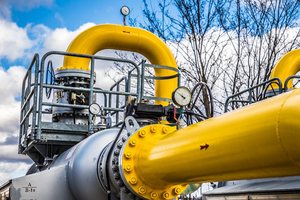
War, weather and supply disruptions could send gas prices ...
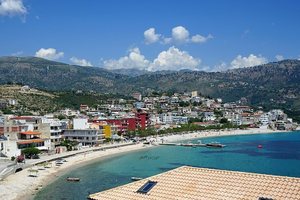
The number of active enterprises in Albania continued to g...
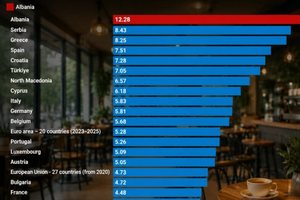
In Albania, the bar-cafe has long become an almost unique ...