

A third of Germans suffer from mental illness
Currently, 31 percent of the population in Germany is affe...



In two commissions of the European Parliament, the report on the position of this EU institution on the plan for development and reforms for the six countries of the Western Balkans is expected to be approved on Monday evening - a package of a total of 6 billion euros dedicated to investments in these countries.
This vote is part of the normal procedure, so that the decision of the EU becomes formal.
And, to make it formal, the last step is for the EU Council representing the 27 member countries and the European Parliament to agree on this decision, originally proposed by the European Commission, in joint negotiations.
It is about one of the most ambitious packages that the European Union has planned for the countries of the region, which aim for EU membership.
This package is special, next to the funds that are already available within the pre-membership programs, known by the abbreviation IPA.
With this plan, the EU aims to stimulate economic growth in the six countries of the region, at the same time help the reform process and, in this way, help these countries to get ready as soon as possible to join the EU .
According to this plan, which was initially presented by the European Commission and now supported by the Council, 2 billion euros will be allocated to the countries of the region in the form of non-refundable cash, while 4 billion euros will be in the form of loans favorable.
However, the three EU institutions have insisted that the countries of the region, in order to benefit from this package of financial assistance, must fulfill a series of not so easy criteria.
Among them are the basic criteria, which apply equally to all member countries. They relate to the rule of law, respect for the principles of democracy, institutional reforms and taking the necessary steps to ensure that funds are not misused. In the proposals of the three EU institutions, which must now be negotiated to be approved as a joint decision, the condition for financial controls and independent audits is mentioned.
It is noted that payments for projects in the countries of the region will be conditional on strict criteria related to reforms. Before the payment is made, the European Commission must report that the conditions have been met and the decision must be approved by the Council.
If it is determined that any country no longer meets the criteria, then payments will be suspended.
In addition to the criteria related to reforms and the rule of law, there will also be political criteria.
For Kosovo and Serbia, the "other pre-condition" will be "constructive engagement in the normalization of relations between them, with the aim of fully implementing the respective obligations arising from the Agreement on the path to the normalization of relations and the Annex for implementation" and "commitment in reaching a comprehensive agreement for the normalization of relations".
For the specific conditionality towards Kosovo and Serbia, there is agreement from all three EU institutions. However, the European Parliament requests that the criteria be clarified, based on which the assessment will be made as to whether one or the other country has met the conditions. According to practice, the European Commission has the powers to make assessments for this, which must also take into account the contribution of the EU External Action Service (EEAS).
Diplomats in Brussels point out that this condition should not be easily understood by either Kosovo or Serbia.
"If today it were to be decided on the payments for Kosovo and Serbia, the decision would not be positive, because neither side has fulfilled the obligations from the dialogue agreements, and for this the EU has also expressed regret", he told the radio. Free Europe an EU diplomat.
It is expected that in the negotiations from March 14 to April 2 between the delegations of the European Parliament and the Council, one of the topics where there may be differences will be the adaptation of the countries of the region to the EU's foreign policy.
Here there is a difference in the texts prepared by the Council and the one by the European Parliament, although both mention adaptation in the field of foreign and security policy. However, the Council mentions this as an "expectation" while the Parliament mentions it as a "precondition".
In the announcement of the EU Council from March 6, when the agreement of the 27 member states was reached, it was said that "a stronger focus is devoted to the adaptation of partners to the positions of the EU in the field of foreign and security policy".
However, in that approved document, adaptation to foreign policy positions is not explicitly mentioned as a prerequisite. It states in a more general way that "beneficiaries must demonstrate reliable commitment to European values ??through their adaptation to the common foreign and security policy of the Union, including restrictive measures".
The European Parliament has proposed that adaptation to the EU's positions in foreign policy be a clear prerequisite and to formally mention that this also means supporting sanctions against Russia.
"Another prerequisite should be adaptation to the Union's common foreign and security policy, including the adoption of restrictive measures against Russia, as well as the EU's policy on visas for third countries," states the proposal of the European Parliament. .
This condition, if the request of the European Parliament is accepted, means that no country which has not supported the EU sanctions against Russia, due to the occupation of Ukraine, can receive payments from this fund.
Serbia is the only country in the region, which so far has not adapted to the positions of the EU regarding sanctions against Russia.
The word "full adaptation" has been removed from the proposal of the European Parliament, because this would open the possibility for different EU countries or the European Commission to interpret the condition very broadly, and some countries would have a problem with this, especially Serbia, Bosnia and Herzegovina, but also Kosovo. Bosnia and Herzegovina, for the moment, as well as Albania, Montenegro and North Macedonia, have 100 percent compliance with EU positions. But, in the case of Bosnia and Herzegovina, this often depends on the fact of who is the minister or head of the government at which moment.
Serbia has the adaptation level somewhere around 60 percent. Kosovo, which has only applied for membership in the EU, does not need to formally adapt, but in many cases it has done so unilaterally and the EU has welcomed it.
However, some diplomats have also warned about Kosovo that there is no 100 percent adaptation to EU positions. As an example, they mentioned the opening of the Embassy of Kosovo in Jerusalem, which is contrary to the common positions of the European Union.
However, they point out that all the countries of the region, if they seriously intend to use the means from the economic growth plan, must seriously and very quickly start fulfilling the criteria./ Rel

Currently, 31 percent of the population in Germany is affe...
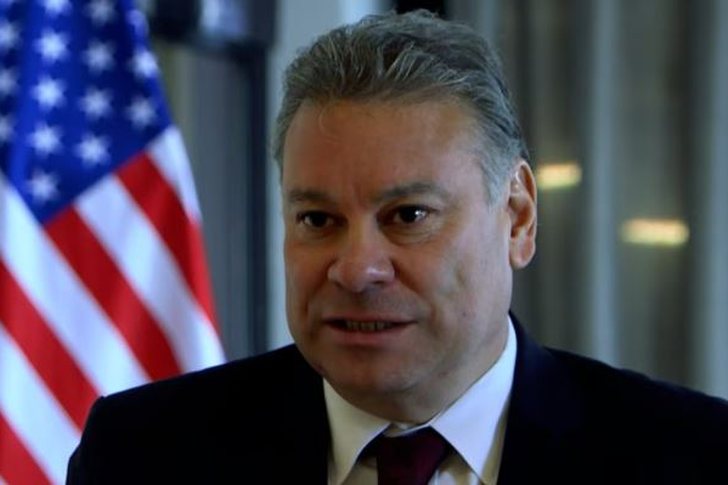
The American envoy for the Western Balkans, Gabriel Escoba...

The film "Oppenheimer" is the big winner of the 96th Oscar...
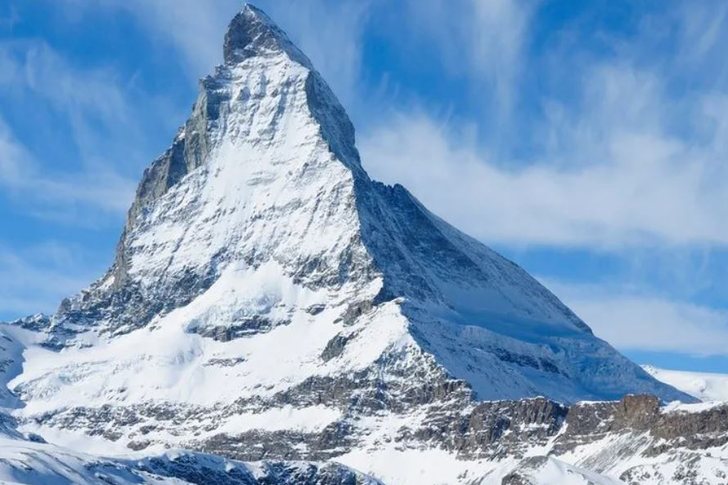
Gjenden trupat e pesë skiatorëve të zhdukur në Alpet zvice...
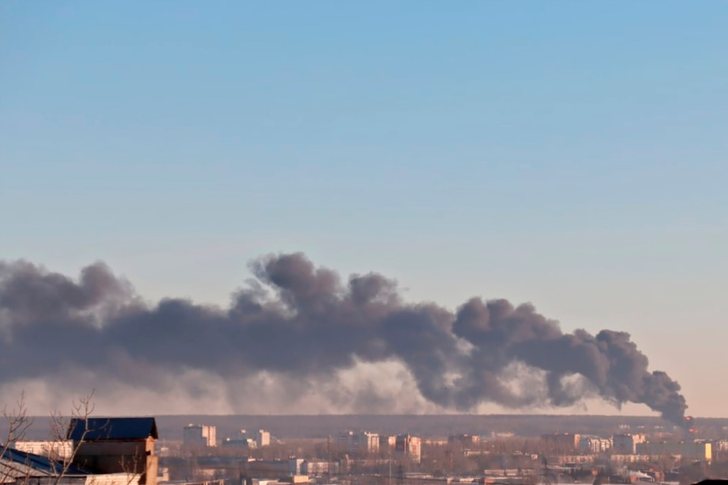
The governor of Russia's southwestern Kursk region said on...
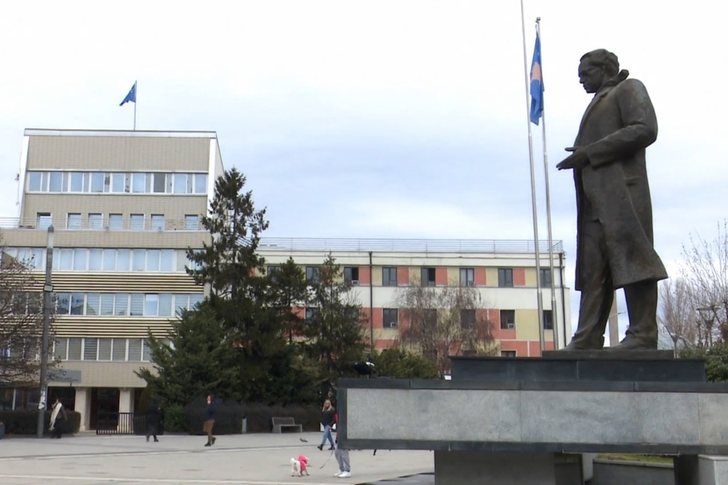
The draft law on reproductive health and artificial insemi...
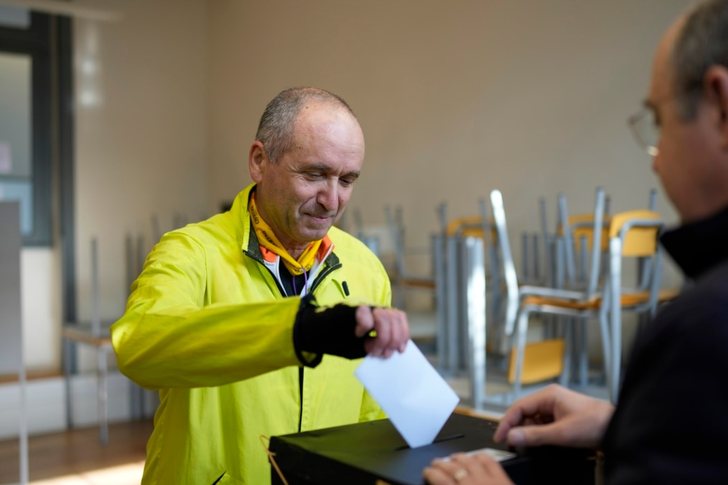
Early general elections are being held in Portugal today. ...
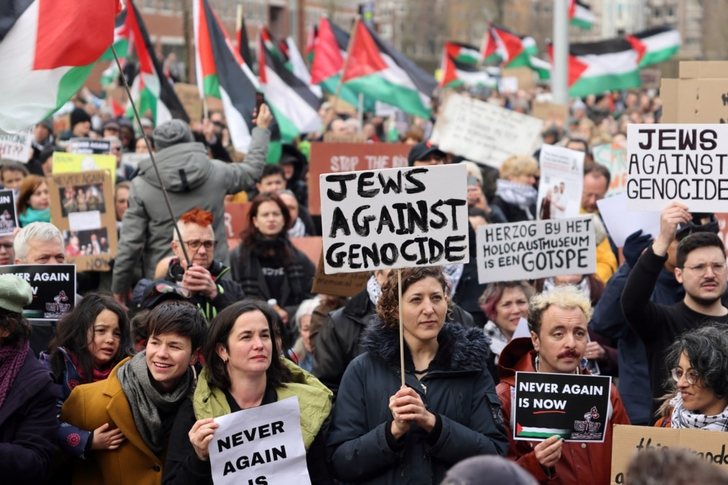
Israel's President Isaac Herzog, who attended the opening ...
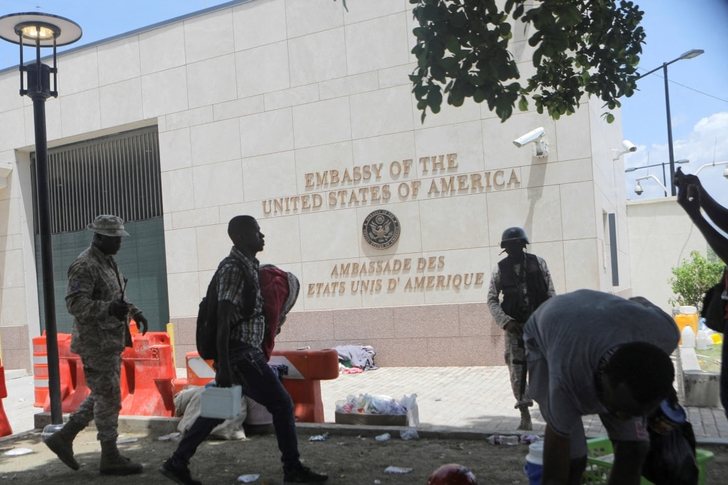
The US military said on Sunday it had conducted an operati...
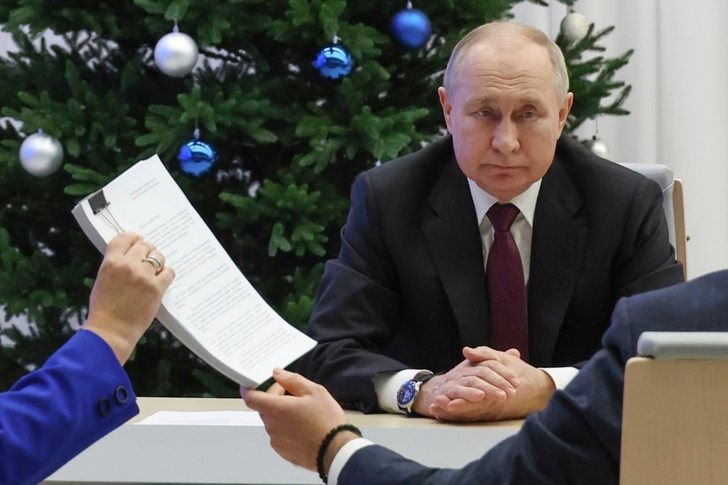
Today, Russia is holding early voting for presidential ele...
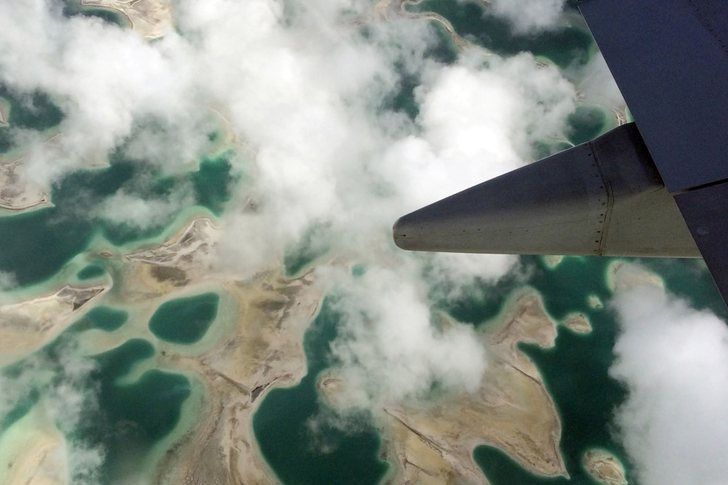
The UN high-level climate meeting concluded in December in...
An earthquake with a magnitude of 4.8 on the Richter scale...
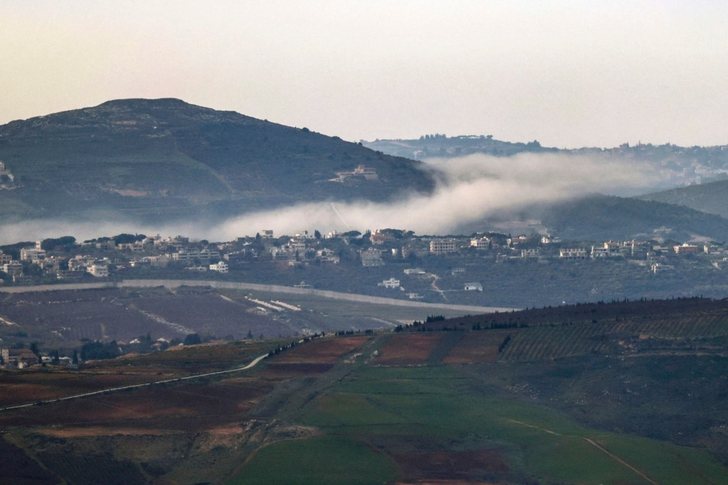
Lebanon's Hezbollah militant group said on March 10 th...
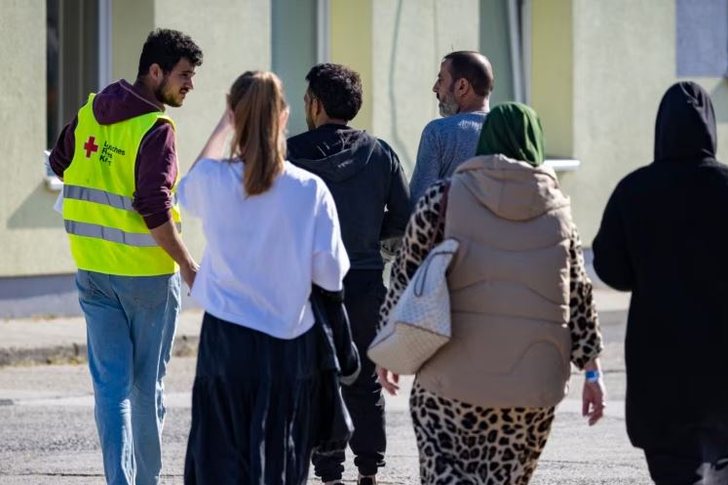
The length of asylum procedures in Germany was shorten...
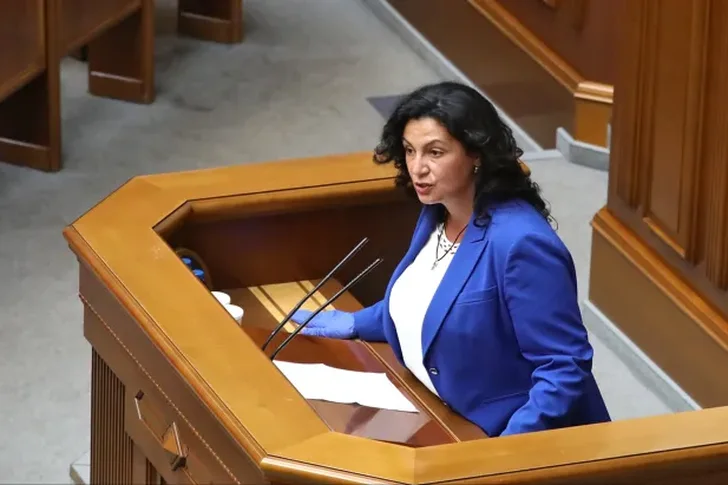
The Third World War has already begun, warned the form...
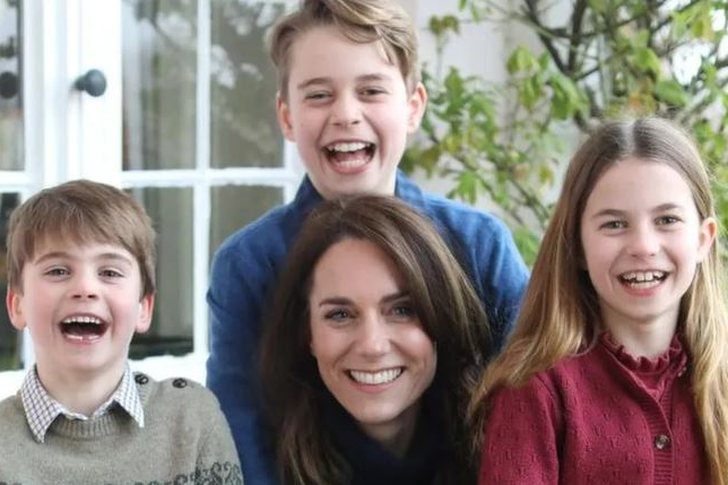
Fotoja e parë zyrtare e Princeshës së Uellsit që nga opera...
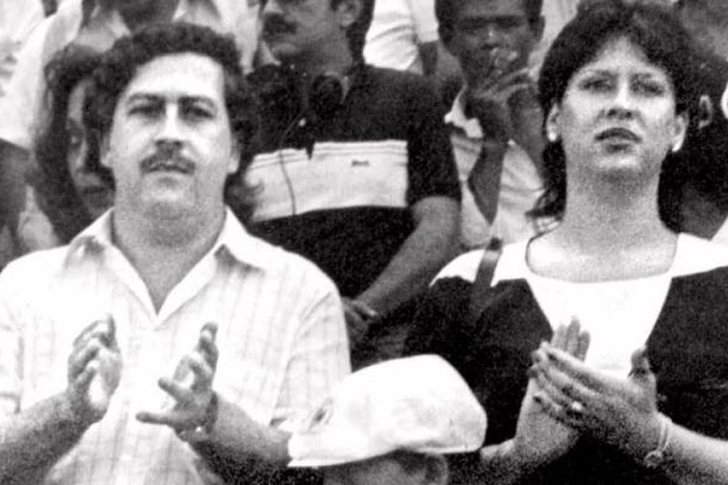
A suspected drug trafficker and former associate of Pa...
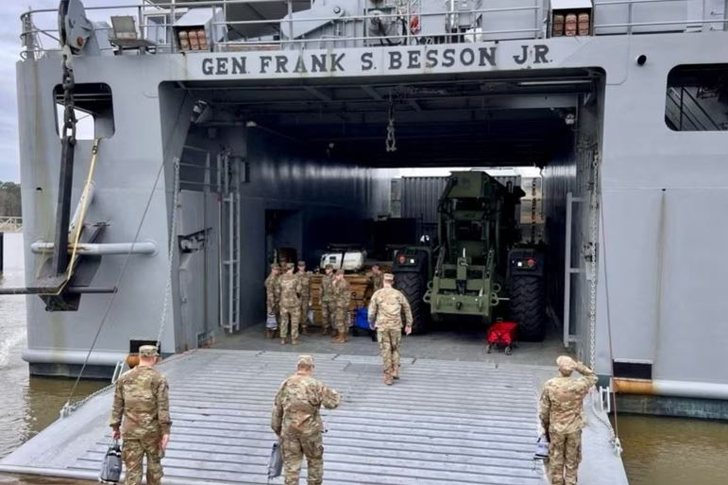
A US military ship carrying equipment to build a temporary...
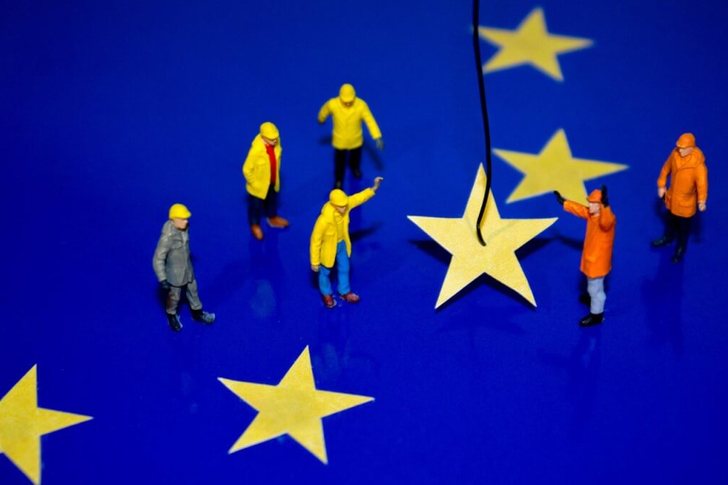
Working in the European Union/European Economic Area witho...
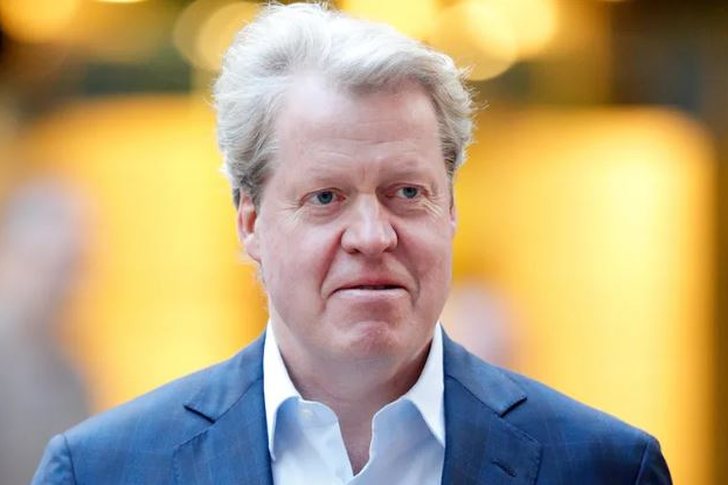
Earl Spencer, the younger brother of Diana, Princess o...

CNA has launched another investigation that could lead to ...

Irfan Hysenbelliu is a businessman that we call "Irfan the...

In March 2026, CNA launched another investigation centered...
The arrested mayor of Tirana, Erion Veliaj, with 13 charge...

The Special Board of Appeal (KPA) decided this Monday ...

The KPA vetting decided this Thursday to dismiss the p...

Suela Salavaçi, a prosecutor in the Prosecutor's Offic...

The Special Board of Appeal reinstated the prosecutor ...
Footage emerges from the serious accident that occurred th...

A Shkodra traffic police officer was hit with hard objects...
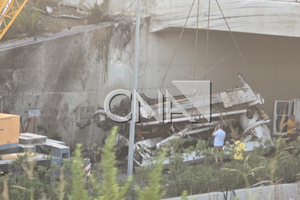
This Wednesday, around 4:00 PM, a serious accident occurre...
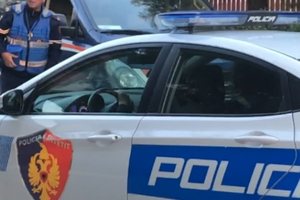
Tirana Police have shared details regarding the accident t...
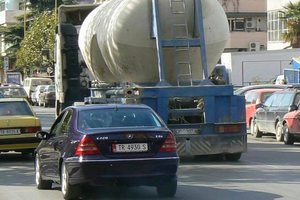
A serious accident that occurred this Wednesday with the c...

The Institute of Geosciences has shared a forecast for wea...
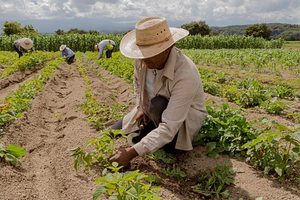
Rising energy and fertilizer prices are expected to contin...

Over 18,000 foreign citizens from 140 countries have appli...
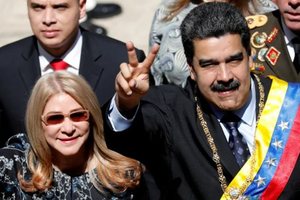
The trial of ousted Venezuelan President Nicolas Maduro on...
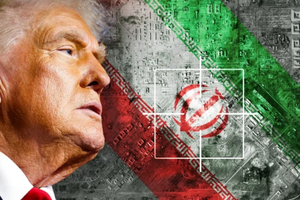
US President Donald Trump has issued another warning to Ir...
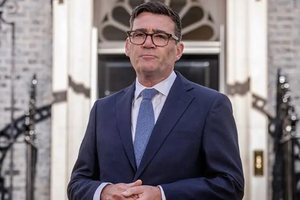
Prime Minister Andy Burnham has announced that most bus fa...

France's parliament has passed a law to ban social media f...

At a time when industrial products are increasingly taking...

Trust among people is not just a three-syllable word. It c...

Master of humor Todi Llupi has passed away at the age of 7...

The ninth edition of "MIK Festival" kicked off with one of...
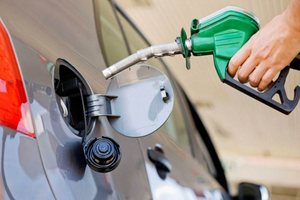
The price of diesel reached 206 lek per liter from 198 lek...

Businesses will no longer be required to simply register t...

Despite economic growth and income in recent years, Albani...
This Wednesday, one US dollar is bought for 81.4 lek and s...