

Strong earthquake in Turkey
An earthquake with a magnitude of 4.8 on the Richter scale...


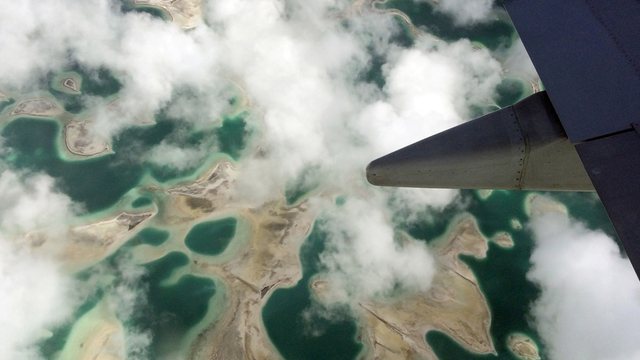
The UN high-level climate meeting concluded in December in Dubai, United Arab Emirates. VOA correspondent Jessica Stone reports that since then, the Pacific Islands have been working to implement the new $500 million climate change protection fund.
Scientists say that some of the most endangered beaches on the planet are found in the Niue Islands, in the Pacific Ocean. So are the Marshall Islands, Micronesia, the Maldives and Palau.
Today, they are on the front lines of the battle against climate change.
"As ocean states, we say that protecting the oceans is an important component as they serve to absorb carbon. Every breath we take comes from the sea," says Surangel Whipps Jr., president of Palau.
He adds that marine conservation has long been a way of life for those living in the Pacific Islands.
Palau's Environment Minister Steven Victor cites examples from the 1990s.
"Fishermen and tribal leaders got together and designated areas where fishing had to be cut off, to give them a chance to recover," says Mr. Victor.
During the UN high-level climate meeting, COP 28, Pacific Island countries announced the Blue Pacific Wealth Initiative and raised $228 million, for a total fund of $500 million to conserve 30% of the ocean .
National Geographic's "Clean Seas" program is already helping Palau create a marine protected area and is ready to help other Pacific countries as well, says program creator Enric Sala.
"We will be there for a long time, to make sure that the protected areas are set up properly, are located where they should be and that they give the greatest results for the benefit of the local people and the planet", says Mr. Sala.
Minister Victor says he hopes the "Clean Seas" program will highlight the resources in Palau's deep seas, about which the knowledge of the indigenous population is not so extensive.
"It helps us understand why fish, particularly those across the continental shelf, use a certain area in the ocean to congregate," he says.
Mr Sala says that circumnavigating vital fishing grounds is a proven way to revive them within 5-10 years and that the longer-term objective is to slow global warming.
"Plankton in the ocean are microscopic algae and bacteria that live offshore. They absorb a quarter of the carbon dioxide pollution we produce every year," he says.
And Palau's president says it's a goal that represents an investment, not just for the region, but for the world.
"Our first objective is to reach 500 million. I would like to see the fund grow to 2 billion – that's 15 countries,” says President Whipps.
Fifteen countries that desperately want to protect their precious natural resources./ VOA

An earthquake with a magnitude of 4.8 on the Richter scale...
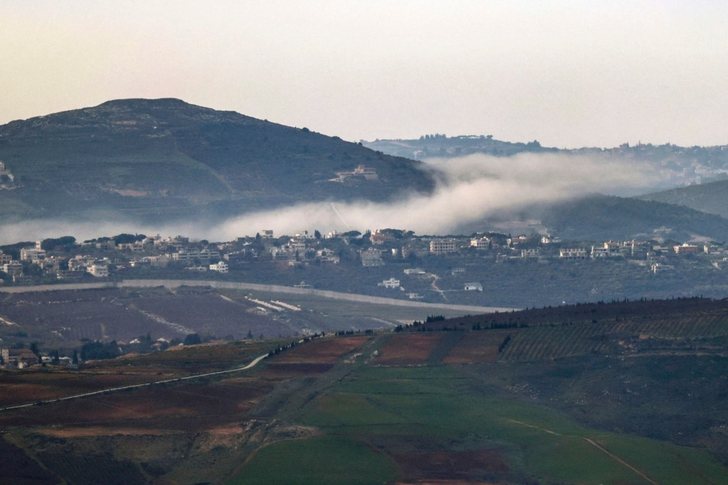
Lebanon's Hezbollah militant group said on March 10 th...
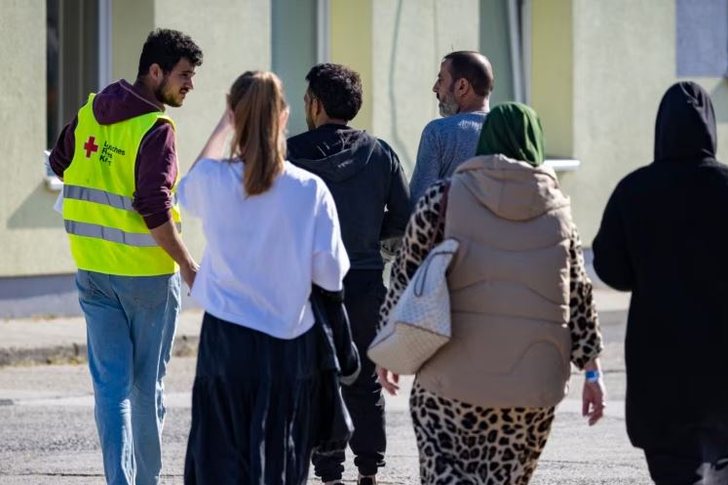
The length of asylum procedures in Germany was shorten...

The Third World War has already begun, warned the form...

Fotoja e parë zyrtare e Princeshës së Uellsit që nga opera...

A suspected drug trafficker and former associate of Pa...

A US military ship carrying equipment to build a temporary...

Working in the European Union/European Economic Area witho...

Earl Spencer, the younger brother of Diana, Princess o...

Mbërmjen e së shtunës u qëllua për vdekje boksieri nga Kos...

In the days before the beginning of the month of fasting i...

The 2024 presidential campaign begins Saturday where the r...
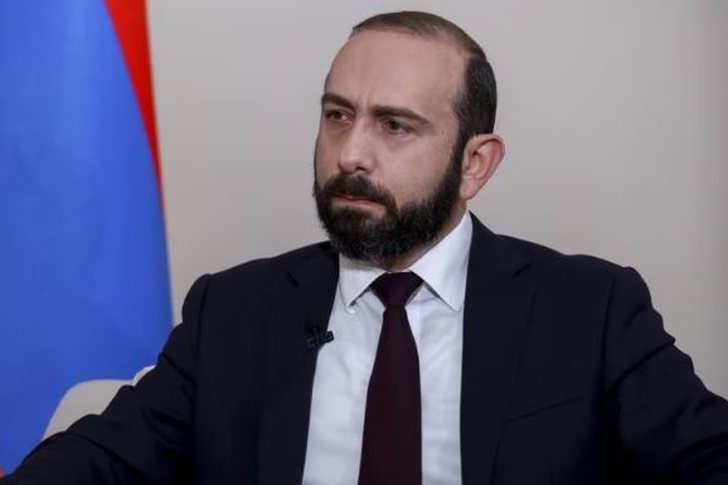
Armenia is considering applying for membership in the Euro...
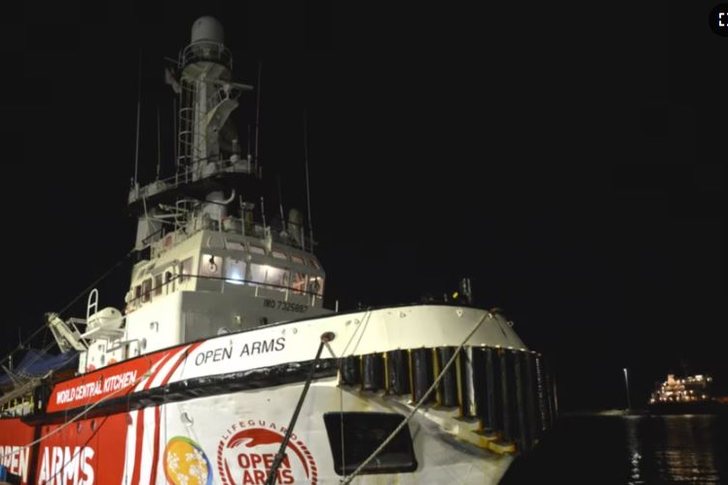
At the port of Larnaca in Cyprus, humanitarian aid for Gaz...

In his State of the Union address, US President Joe Biden ...

Tehran has strongly condemned a United Nations report on t...

Donald Trump and a small group of close advisers me...

US and allied forces have shot down 15 drones launched by ...
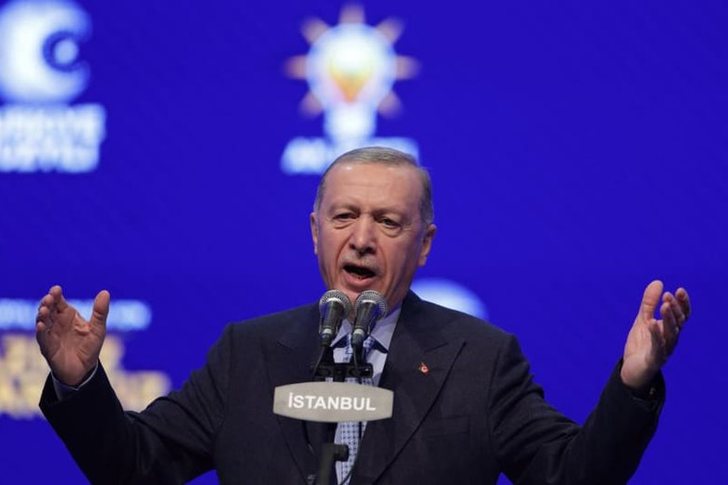
Turkish President Recep Tayyip Erdogan has recently de...

A surge in UFO sightings in the 1950s and 1960s was caused...

CNA has launched another investigation that could lead to ...

Irfan Hysenbelliu is a businessman that we call "Irfan the...

In March 2026, CNA launched another investigation centered...
The arrested mayor of Tirana, Erion Veliaj, with 13 charge...

The Special Board of Appeal (KPA) decided this Monday ...

The KPA vetting decided this Thursday to dismiss the p...

Suela Salavaçi, a prosecutor in the Prosecutor's Offic...

The Special Board of Appeal reinstated the prosecutor ...

Footage emerges from the serious accident that occurred th...

A Shkodra traffic police officer was hit with hard objects...

This Wednesday, around 4:00 PM, a serious accident occurre...

Tirana Police have shared details regarding the accident t...

A serious accident that occurred this Wednesday with the c...

The Institute of Geosciences has shared a forecast for wea...
Rising energy and fertilizer prices are expected to contin...

Over 18,000 foreign citizens from 140 countries have appli...

The trial of ousted Venezuelan President Nicolas Maduro on...

US President Donald Trump has issued another warning to Ir...

Prime Minister Andy Burnham has announced that most bus fa...

France's parliament has passed a law to ban social media f...

At a time when industrial products are increasingly taking...

Trust among people is not just a three-syllable word. It c...

Master of humor Todi Llupi has passed away at the age of 7...

The ninth edition of "MIK Festival" kicked off with one of...

The price of diesel reached 206 lek per liter from 198 lek...

Businesses will no longer be required to simply register t...

Despite economic growth and income in recent years, Albani...

This Wednesday, one US dollar is bought for 81.4 lek and s...