

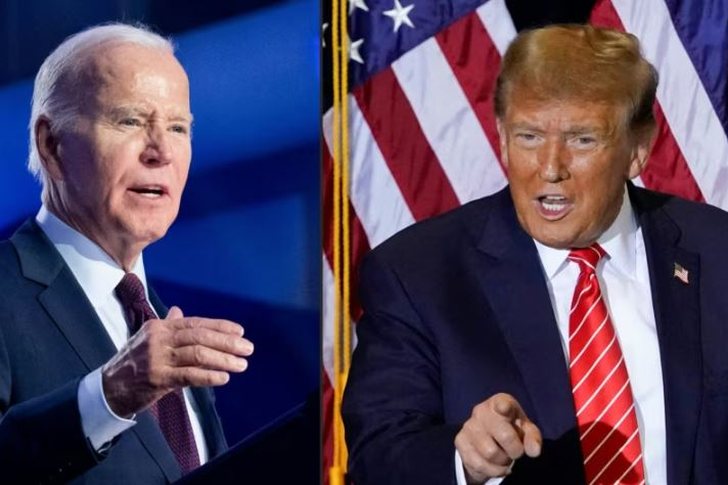
Biden and Trump start the battle in Georgia
The 2024 presidential campaign begins Saturday where the r...


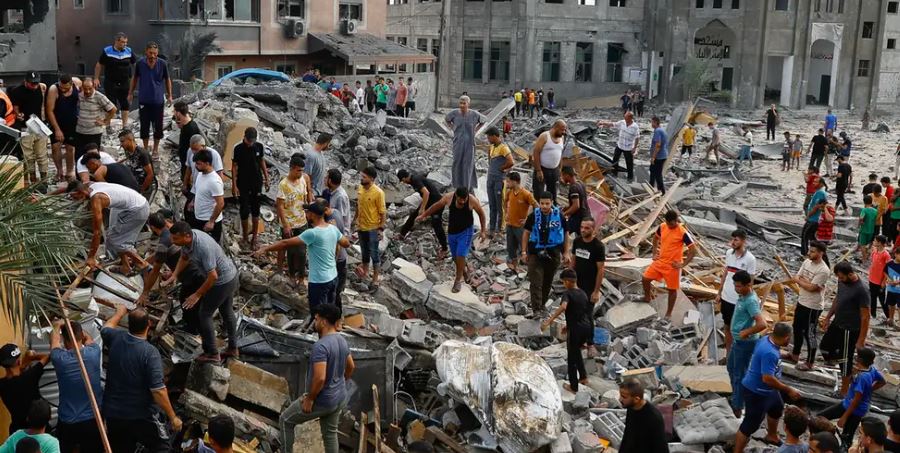
In the days before the beginning of the month of fasting in the Islamic religion, Ramadan, in East Jerusalem it is calmer than other times. Unlike previous years, the narrow alleys are not decorated with holiday lights. "We don't feel that we are on the eve of Ramadan," says Um Ammar, crossing the street of the historic city of Al-Wad. The war in the Gaza Strip is preoccupying most people. The atmosphere is gloomy. Added to this is the uncertainty of how the holy month of fasting and prayers can be spent.
"We will break our fast in the evening, but many in Gaza do not have enough food," she says. "When people sit down at the table...This year is not Ramadan, it feels more like a funeral atmosphere."
According to the data of the Ministry of Health run by Hamas, during the attacks of Israel in Gaza, about 31,000 people have been killed, while aid organizations warn that a crisis of hunger is threatening. Israel's army is fighting the Islamist militant Hamas in this Palestinian territory, since on October 7, 2023, over 1,200 people were killed in Israel and 240 others were taken hostage. In addition to Israel, the USA and Germany, a number of other countries also classify Hamas as a terrorist organization.
Hope for a peaceful Ramadan
Hashem Taha has the same feeling as Um Ammar. He owns a small spice shop on Al-Wad Street: "Jerusalem feels very sad, the people in Gaza are part of us, we are a family and what we are seeing there affects us all," says Taha.
The merchants and residents of the historic city of Jerusalem have experienced many political upheavals and excesses of violence over the years. Their daily life is characterized by tensions. In the vicinity of Taha's shop, Israeli border policemen stop young Palestinians to check their identity. "They make life very difficult for us and constantly harass people," says Taha. But he hopes that the current calm in Jerusalem will continue during the month of Ramadan.
The events of recent months – terrorist acts by Hamas and the ensuing war in the Gaza Strip with many killed – cast a somber shadow on the holy month of fasting. This month starts with the first appearance of the new moon, which is expected on March 10 or 11.
In the past, tensions have centered on the Temple Mount, where the Al-Aqsa Mosque is one of Islam's holiest sites, and the Western Wall, which is Judaism's holiest site. During Ramadan several times a day thousands of Muslims more than 100,000 gather to pray in the square in front of the Al-Aqsa Mosque on the Temple Mount.
Israel promises to preserve the "sanctity of Ramadan"
In February Israel's Minister of National Security, far-right politician Itamar Ben-Gvir, imposed limits on the number of worshipers allowed to visit the holy site. Measures such as limiting the age of participants in prayer - have often led to confrontations between police and Palestinians
Hamas, for its part, again uses the importance of the Al-Aqsa mosque for Muslims, to present itself worldwide as the protector of the holy property. Last week, Hamas leader Ismail Haniyeh, who lives in Qatar, called on Palestinians during a speech to march on the day of Ramadan to the Al-Aqsa mosque.
Last Tuesday, the government of Israel declared that it rejected the plans of the minister Ben Gvirs. "During the first week of the month of Ramadan, the faithful will be allowed to go to the Temple Mount in similar numbers as during other years," said a statement from Israeli Prime Minister Benjamin's office every year. there is also a weekly assessment of security aspects" and measures can be taken accordingly.
Quiet and peaceful prayers
The religious representatives greeted: "We are happy that in the background of this blessed month some things have now become clear for Muslims, not least the fact that the gates of the Al-Aqsa Mosque will be open to all visitor," Scheich Azzam al-Khatib told DW in Jerusalem. Al-Khatib is director of the Jerusalem waqf, the Jordanian oversight authority for Islamic and Christian holy sites in Jerusalem and beyond. "Our goal is to pray there, to fast, and to enter the mosque fully stretched out in peace. And also to leave it redeemed," he says.
The start of Ramadan is also seen as a possible set day to negotiate a new deal between Israel and Hamas. A quick deal on a ceasefire and the release of the 134 Israeli hostages still being held in the Gaza Strip appears unlikely. at this time./DW

The 2024 presidential campaign begins Saturday where the r...
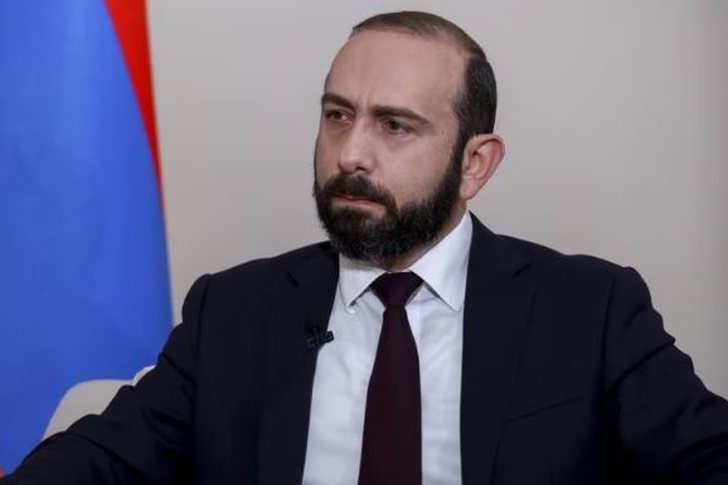
Armenia is considering applying for membership in the Euro...
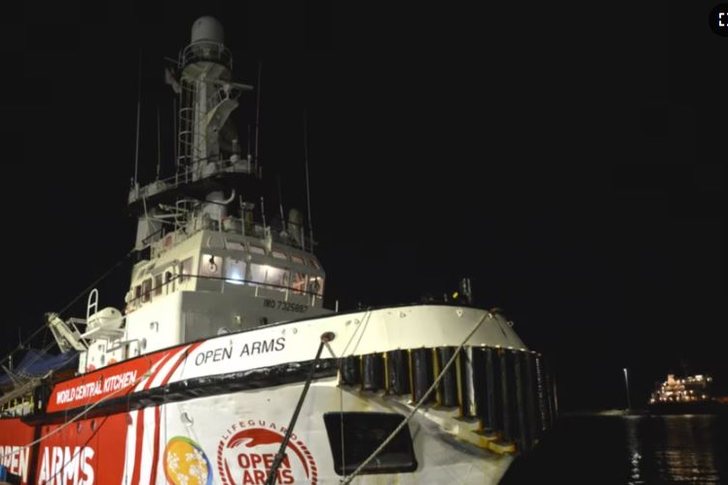
At the port of Larnaca in Cyprus, humanitarian aid for Gaz...
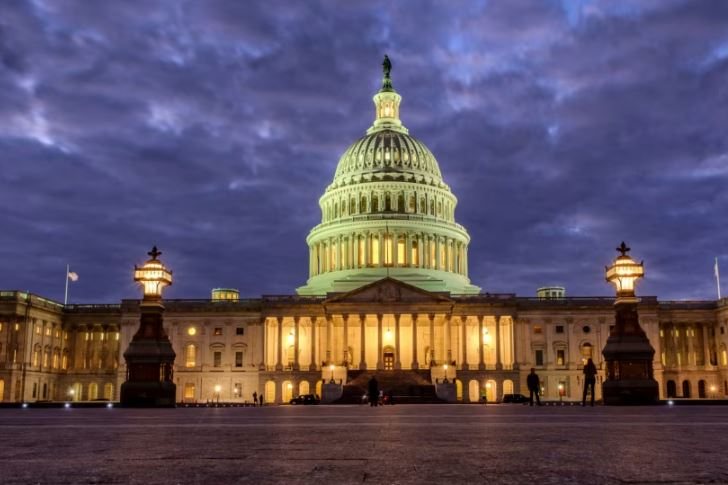
In his State of the Union address, US President Joe Biden ...
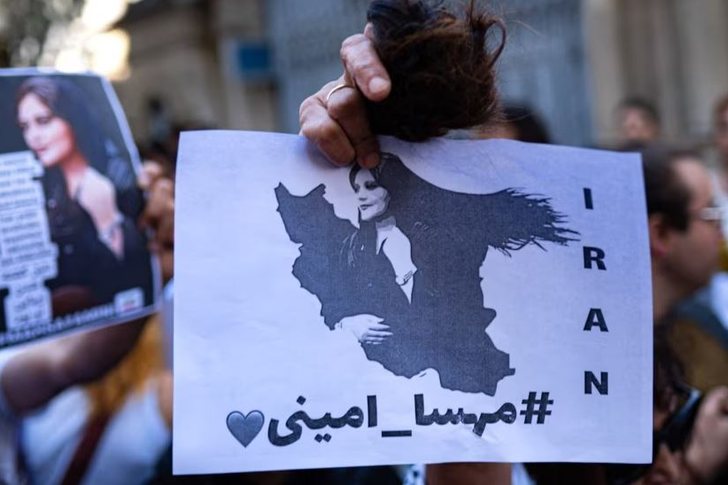
Tehran has strongly condemned a United Nations report on t...

Donald Trump and a small group of close advisers me...
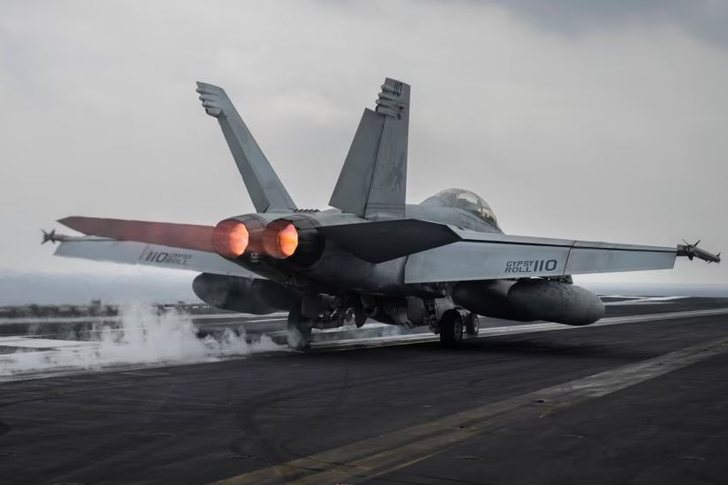
US and allied forces have shot down 15 drones launched by ...
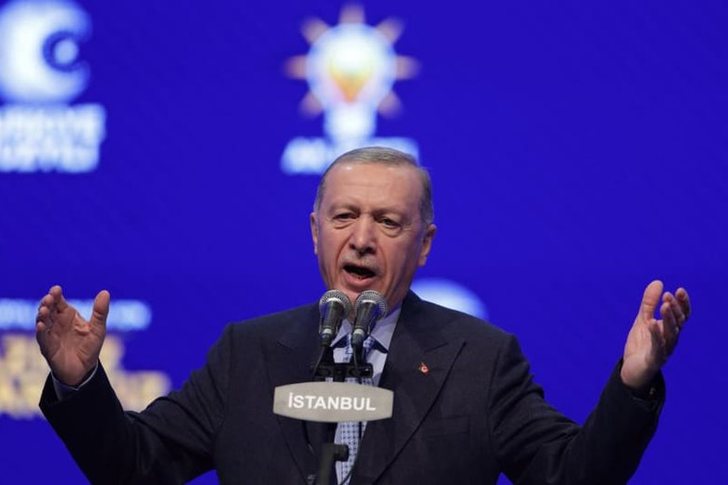
Turkish President Recep Tayyip Erdogan has recently de...
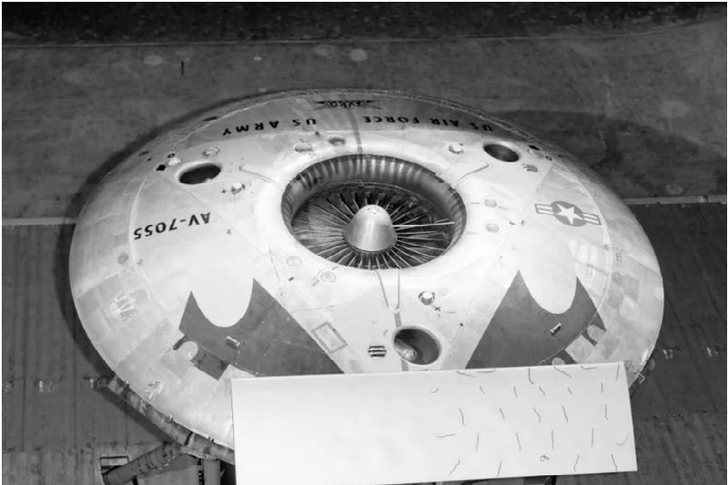
A surge in UFO sightings in the 1950s and 1960s was caused...
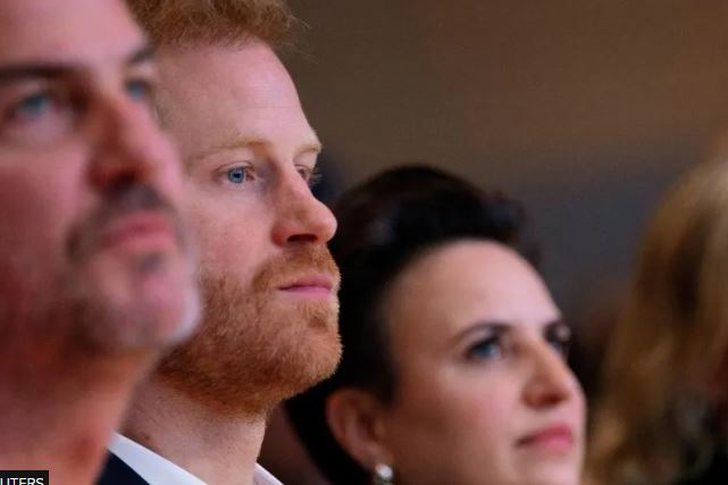
The Duchess of Sussex has slammed the "endless toxicit...
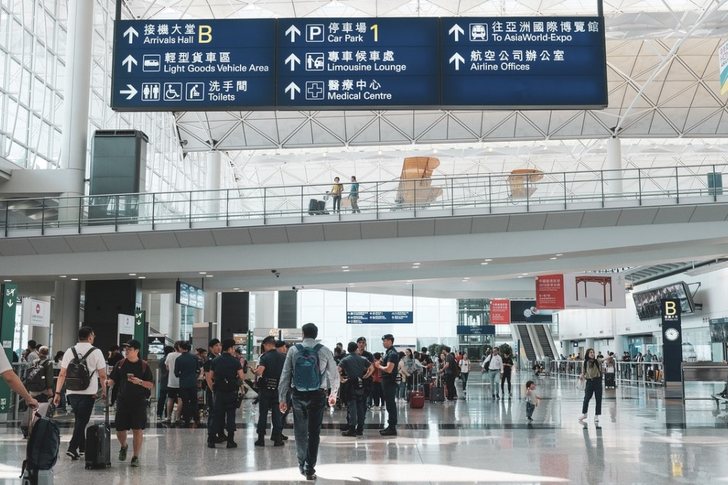
China's Ministry of Foreign Affairs has unveiled plans...
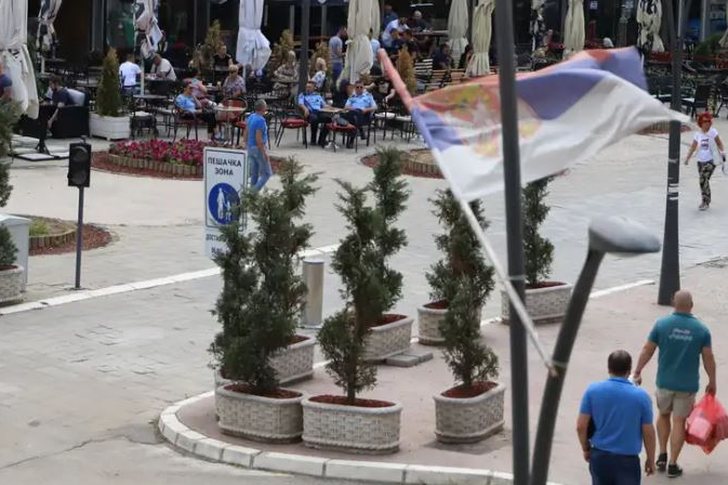
The Central Election Commission, CEC in Kosovo decided...
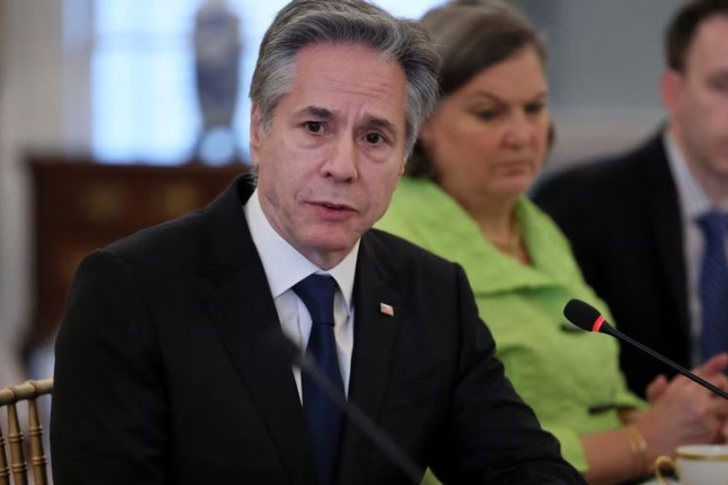
US Secretary of State Antony Blinken said on Friday that i...
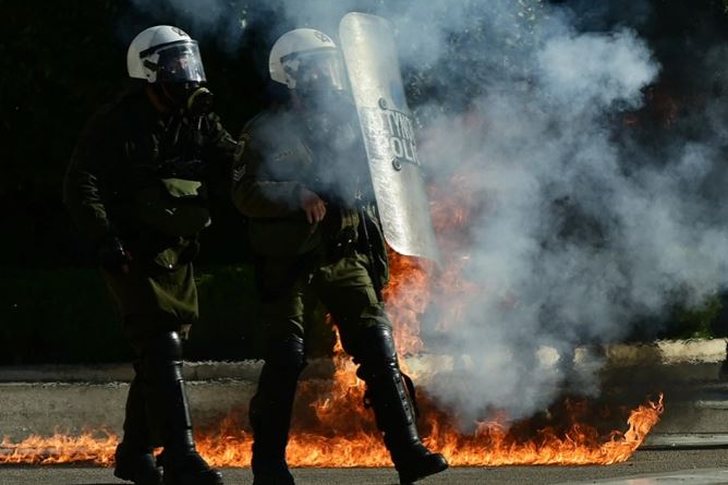
ELAS has issued a statement regarding the incidents that o...
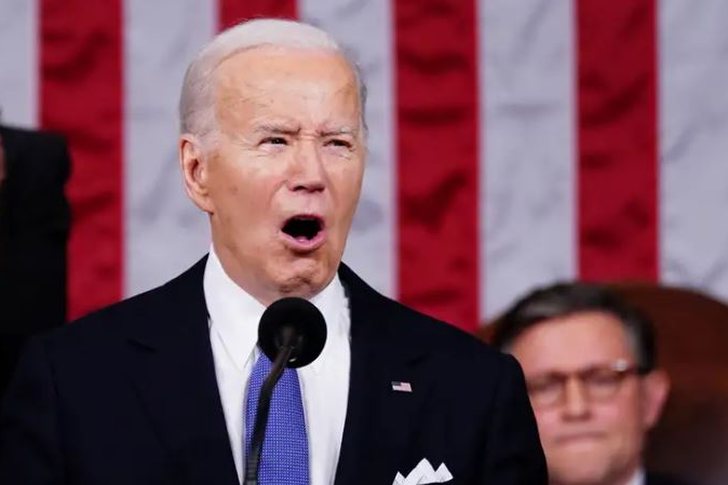
The President of the United States, Joe Biden, collected p...
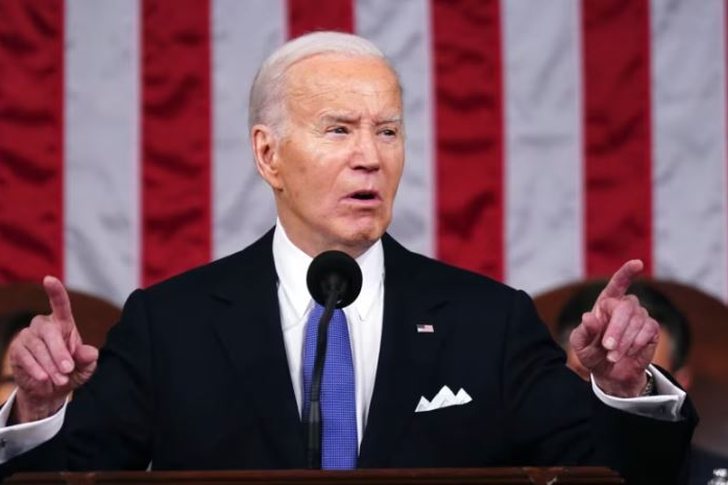
US President Joe Biden used his third State of the Uni...

Akira Toriyama passes away at the age of 68. The cartoon s...

Media mogul Rupert Murdoch's team has confirmed that h...
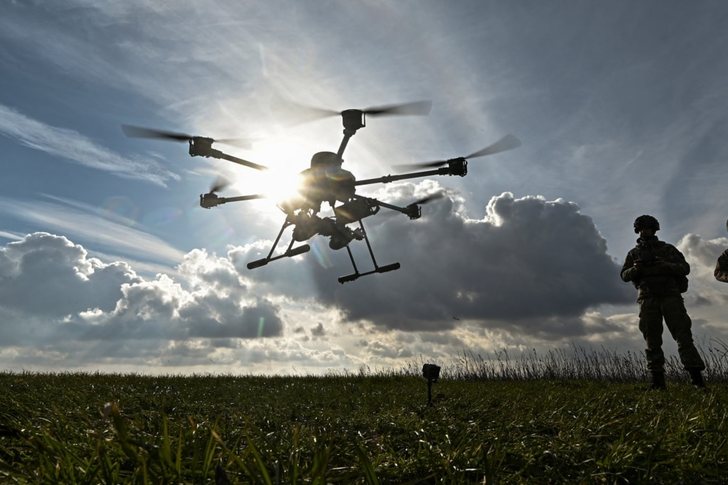
Russia and Ukraine said they shot down dozens of drones ov...
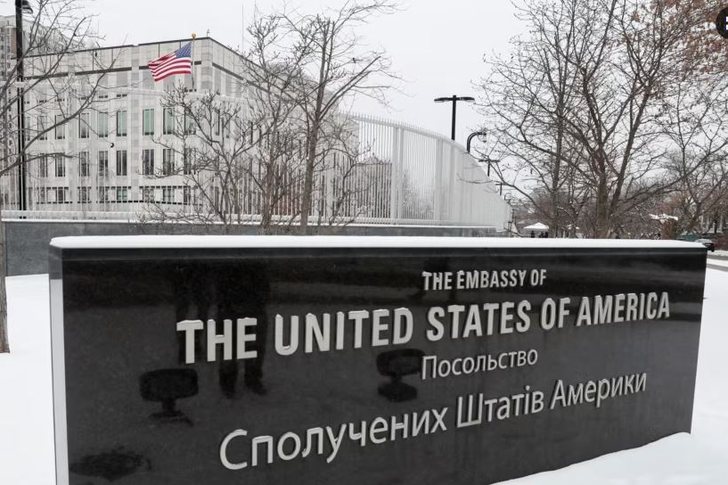
The US Embassy in Russia has warned American citizens to a...

CNA has launched another investigation that could lead to ...

Irfan Hysenbelliu is a businessman that we call "Irfan the...

In March 2026, CNA launched another investigation centered...
The arrested mayor of Tirana, Erion Veliaj, with 13 charge...

The Special Board of Appeal (KPA) decided this Monday ...

The KPA vetting decided this Thursday to dismiss the p...

Suela Salavaçi, a prosecutor in the Prosecutor's Offic...

The Special Board of Appeal reinstated the prosecutor ...

Footage emerges from the serious accident that occurred th...

A Shkodra traffic police officer was hit with hard objects...
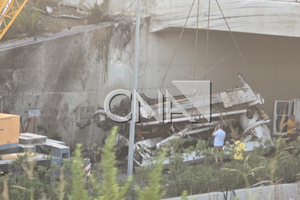
This Wednesday, around 4:00 PM, a serious accident occurre...

Tirana Police have shared details regarding the accident t...
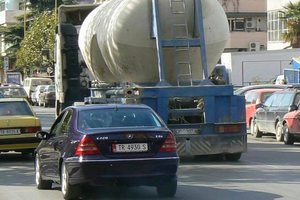
A serious accident that occurred this Wednesday with the c...

The Institute of Geosciences has shared a forecast for wea...
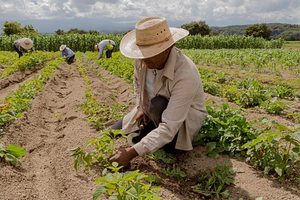
Rising energy and fertilizer prices are expected to contin...

Over 18,000 foreign citizens from 140 countries have appli...

The trial of ousted Venezuelan President Nicolas Maduro on...
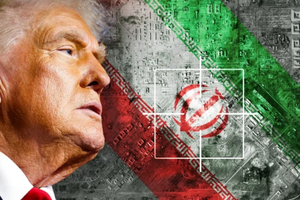
US President Donald Trump has issued another warning to Ir...

Prime Minister Andy Burnham has announced that most bus fa...

France's parliament has passed a law to ban social media f...

At a time when industrial products are increasingly taking...

Trust among people is not just a three-syllable word. It c...

Master of humor Todi Llupi has passed away at the age of 7...

The ninth edition of "MIK Festival" kicked off with one of...
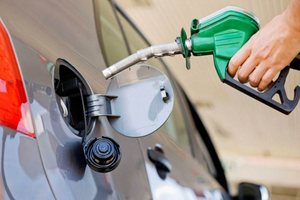
The price of diesel reached 206 lek per liter from 198 lek...

Businesses will no longer be required to simply register t...

Despite economic growth and income in recent years, Albani...

This Wednesday, one US dollar is bought for 81.4 lek and s...