


There is no peace in Syria/ Security Forces accused of killing hundreds of civilians
International media, citing a war monitoring group, rep...


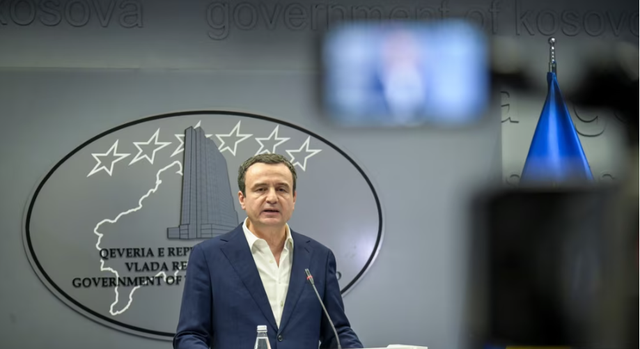
Kosovo Prime Minister Albin Kurti accused Serbia on Sunday of directly interfering in the February 9 parliamentary elections in Kosovo, and of influencing the election of Serb and other minority MPs.
"The Serbian state apparatus has made extraordinary efforts to harm rival Serbian entities, especially the Party for Freedom, Justice and Survival and the Serbian Democracy Party, as well as voters of entities from other communities, mainly Roma and Ashkali," he said.
The Party for Freedom, Justice and Survival is led by Nenad Raši?, who is a minister in Kurti's government, appointed after the removal of the Serbian List from Kosovo's institutions.
Raši?, speaking alongside Kurti at a conference in Pristina, said that the Serbian authorities use Kosovo Serbs as a mechanism for management, but also as an element for destructiveness.
"They don't want us to have full integration and a harmonious life in Kosovo, but exactly the opposite," said Rashic.
Certain representatives from almost all other Serbian political entities have withdrawn from the race after threats they have received, according to Kurti.
He said that these cases have been recorded in the four municipalities with a Serb majority in northern Kosovo, but also in the other six municipalities in the south of the country.
"For most of these cases, our institutions have evidence that, for the sake of the privacy and security of Serbian citizens, is not useful to make public," Kurti said.
The EU observation mission, in presenting its preliminary findings on the February 9 elections, said that Serbia had interfered in the elections through pressure on Serb voters in Kosovo.
Serbia was also accused by Germany of interfering in the elections in Kosovo.
According to data from the Kosovo Central Election Commission, the Serbian List - which enjoys the support of official Belgrade - received over 38,000 votes, while Raši?'s party received around 4,000 votes.
The Constitution of Kosovo guarantees ten of the 120 seats in the Assembly to the Serb community and another ten to other non-majority communities.
Marta Temido, head of the delegation of members of the European Parliament, said in late February that the observation mission found that Serbian authorities interfered in the Kosovo elections by supporting the Serbian List – one of the six Serbian parties that participated in the elections.
Kurti accused Serbia of hybrid intervention, through financial enticement and conditioning, blackmail, intimidation and threats to force voters to vote for the Serbian List.
He stressed that the Kosovo authorities "have identified seven instances or state actors, the first being the President of Serbia Aleksandar Vucic, the second the chief terrorist Milan Radoicic, the head of the Office for Kosovo in the Government of Serbia Petar Petkovic, the Serbian Intelligence Agency (BIA), the Serbian media controlled by the government, the Serbian List and the illegal Serbian structures."
"The president of Serbia himself has encouraged every Serbian state and non-state actor to be involved in the Kosovo elections. For this purpose, the chief terrorist Milan Radoicic, or the man who took over the duties for Kosovo from the president of Serbia, had an executive role," Kurti said.
Prime Minister Kurti said that Serbia used "at least 10 methods" to interfere in the elections, such as financial enticement through the provision of a monthly payment of around 170 euros for all adults, the threat of losing financial benefits, the division of the Srpska Lista's rivals, blackmail and pressure not to support entities other than the Srpska Lista, among others.
A few days before election day, a Serbian candidate for MP told Radio Free Europe that he lost his job after coming out against the Serbian List.
He said that a member of the interim municipal authority in Skenderaj, Nebojsa S. Tomaševi?, told him on January 27 that he would “make sure that he no longer receives any salary from the Serbian budget, because he is a traitor.”
On March 7, the Serbian List claimed that Raši?'s Party for Freedom, Justice and Survival had secured a mandate in the Kosovo Assembly "thanks" to Albanian votes, such as in Podujeva, Shtime, Suhareka, Ferizaj, Malisheva and Kaçanik.
In a statement to Radio Free Europe, Raši? said that in the last two years he has been Minister for Communities and Returns in the Government of Kosovo and that with his work he has gained the trust of other non-majority communities living in Kosovo, not just the Serb community.
Serbian President Vu?i? said after the February 9 elections in Kosovo that the Serbian List marked a "great and important victory for Serbia, showing "the strong commitment of the Serbian people to preserve their homeland and to rely on their Serbia."
Since its establishment in 2013, the Serbian List has won over 90 percent of the votes of the Serbian community in all elections in which it has participated, but the EU Monitoring Mission has pointed to “monopoly and pressures” from its officials.
In the last two years, this party has pursued a “boycott policy”, in line with its decision to withdraw from Kosovo's institutions in the north.
It is not yet clear whether, in the coming period, it will actively participate in Kosovo's institutions, or whether it will continue with boycott./ REL

International media, citing a war monitoring group, rep...

An air incident at Washington's Ronald Reagan airport has ca...
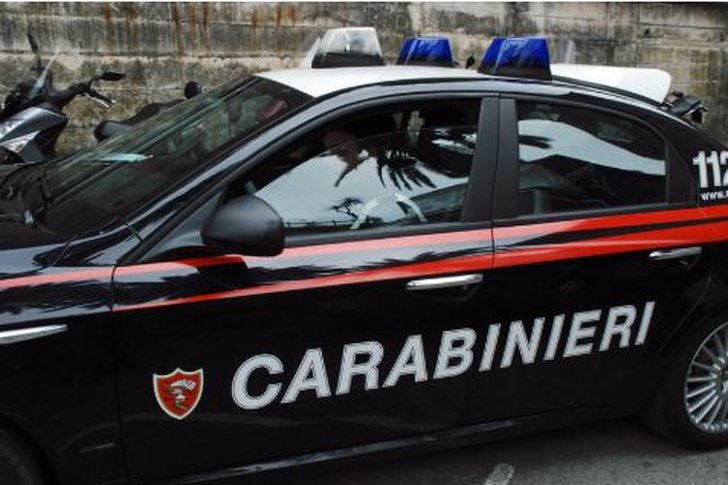
Two 20-year-old Albanians were arrested in Piacenza for dr...
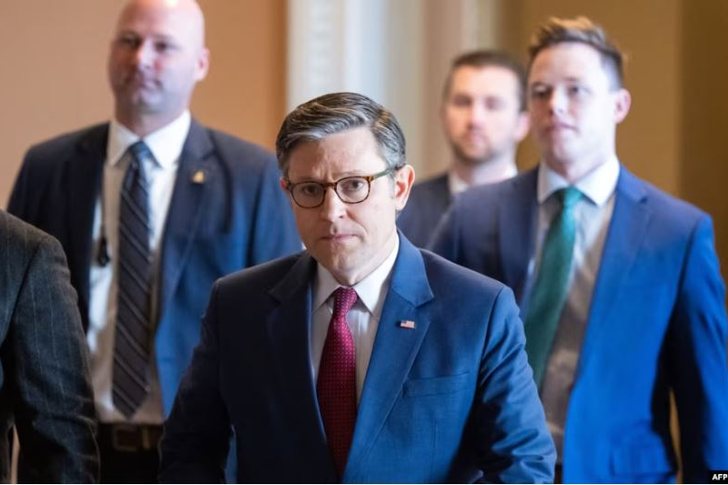
Republican lawmakers introduced a spending bill that aims ...

The famous 2019 phone call that Donald Trump has never forgi...
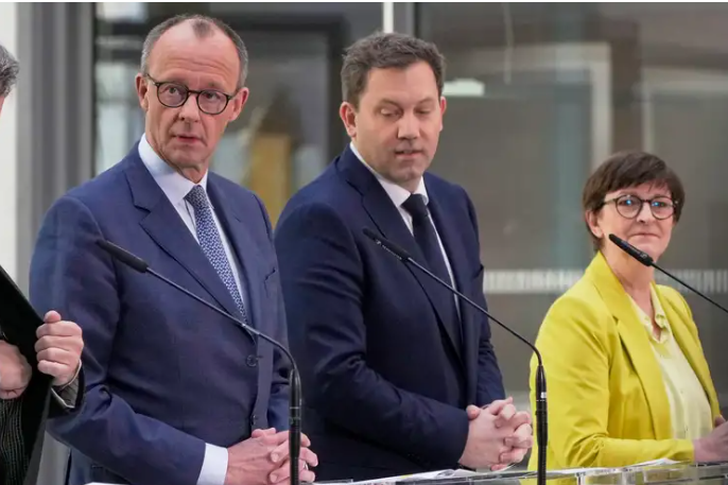
The conservative CDU of election winner Friedrich Merz, it...
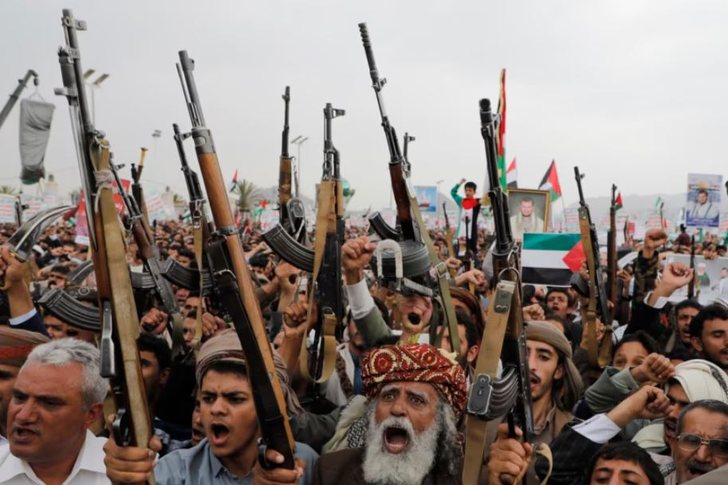
Yemeni Houthi rebels have threatened to resume attacks on ...
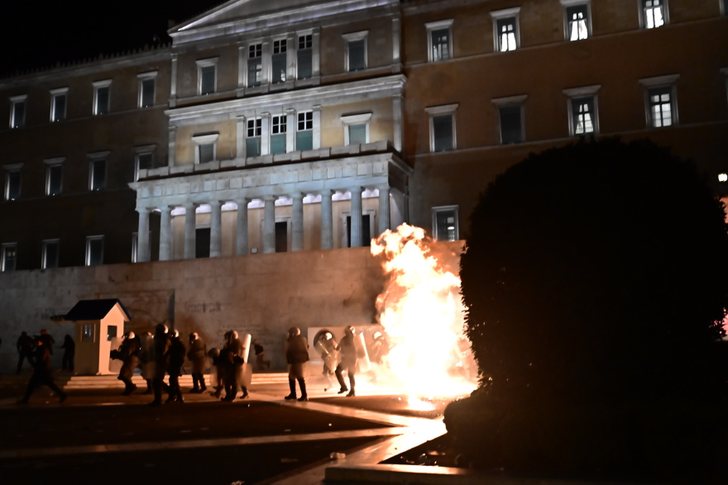
Protests and riots continue in Greece. Syntagma Square is ...
US President Donald Trump has said he wants to negotiate a...
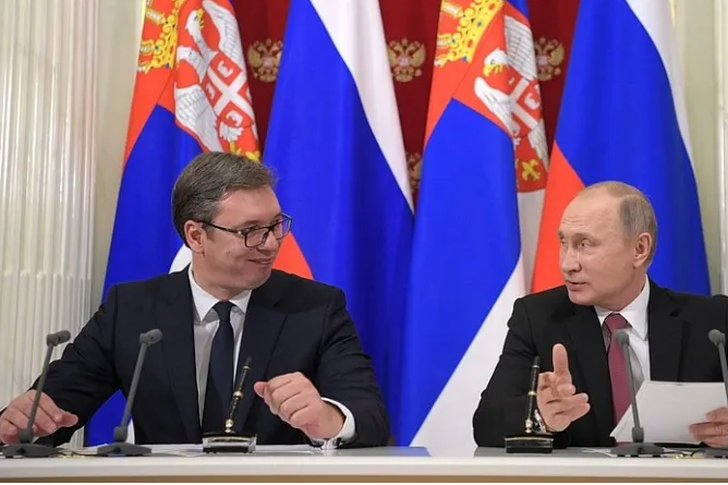
Presidenti serb Aleksandar Vuçiç, tha të premten pas një b...
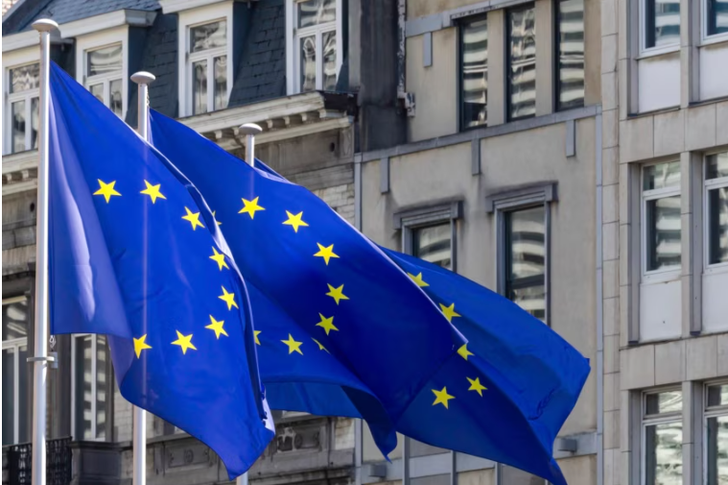
The European Union (EU) said on Friday that Serbia, with i...
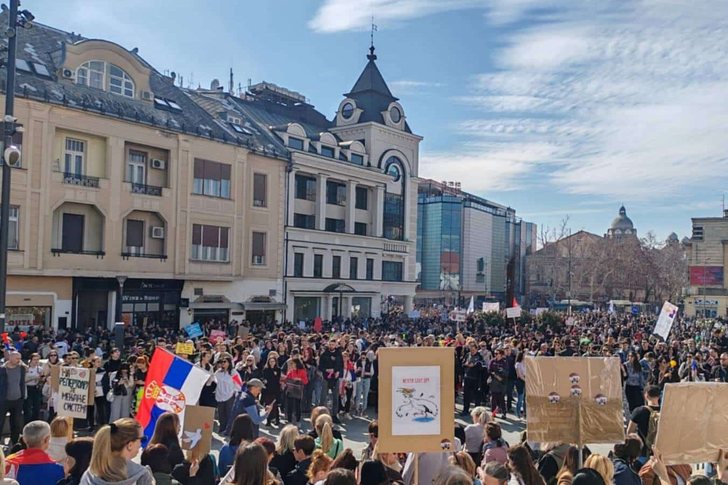
Protests in Serbia continued on Friday. In the capital, Be...

United States President Donald Trump has warned of new san...
United States President Donald Trump said that Mexico will...
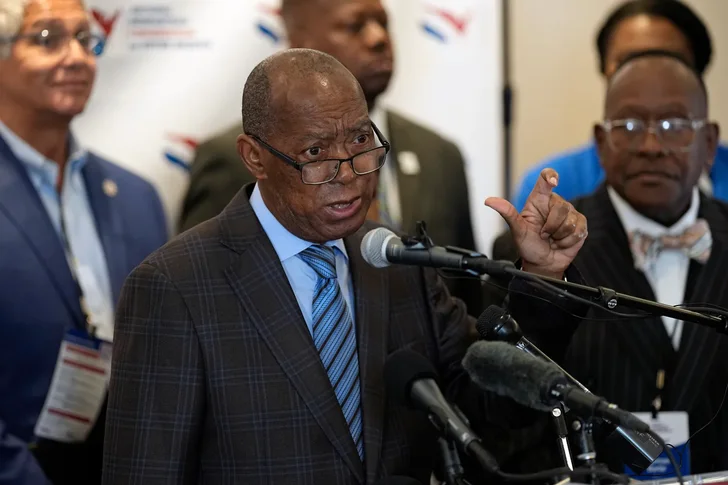
Democratic U.S. Representative and former mayor of Houston...
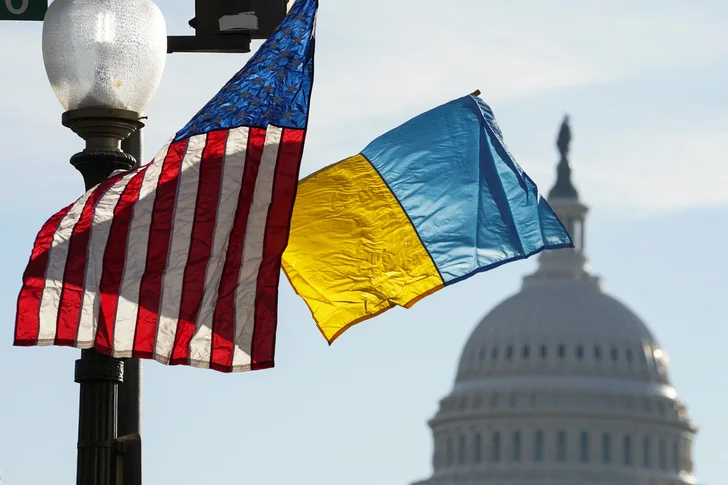
Ukrainian President Volodymyr Zelensky's chief of staff, A...
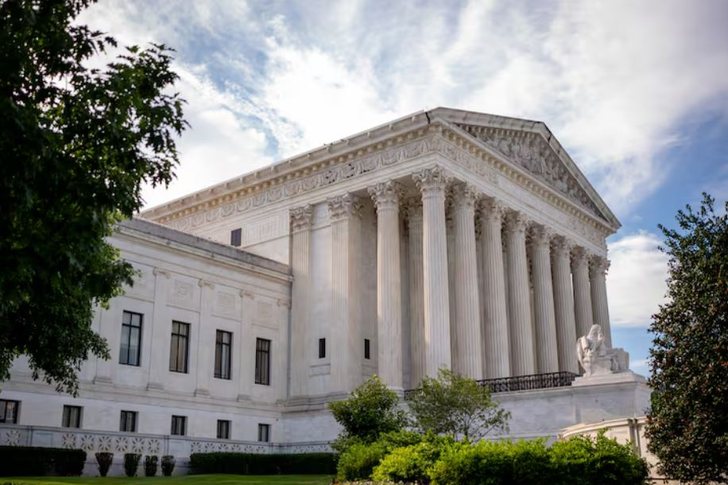
The US Supreme Court has struck down the Donald Trump admi...
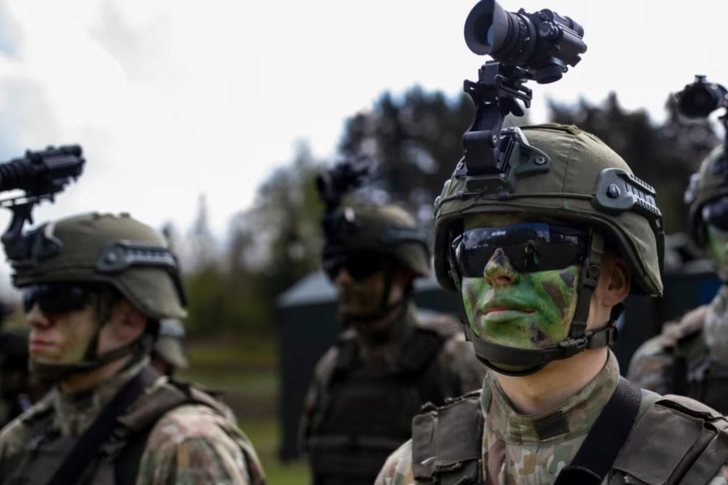
United States President Donald Trump on Monday ordered an ...
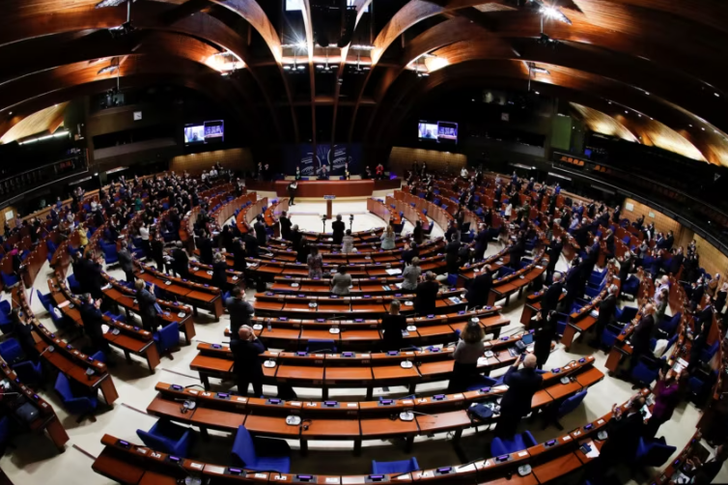
Kosovo's request to be a special guest at the Committee on...
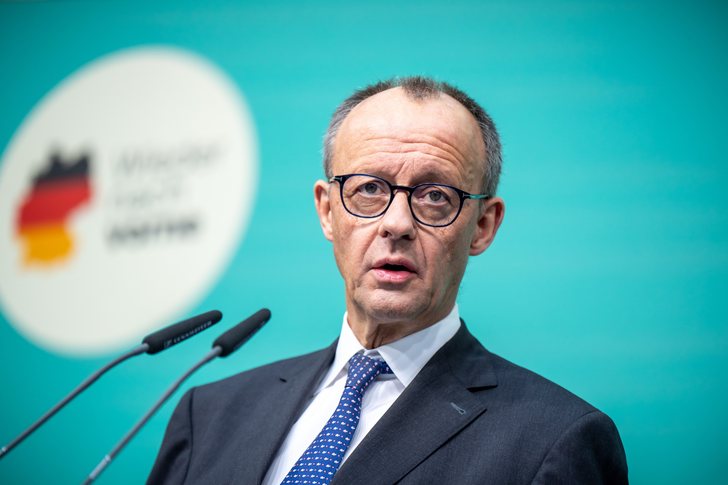
Germany has approved a historic plan that could see up to ...
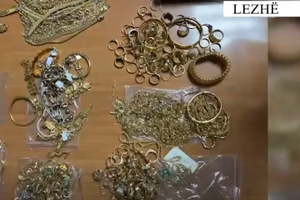
A 39-year-old citizen has been arrested in Lezha, after se...

CNA has launched another investigation that could lead to ...

Irfan Hysenbelliu is a businessman that we call "Irfan the...

In March 2026, CNA launched another investigation centered...

The Special Board of Appeal (KPA) decided this Monday ...

The KPA vetting decided this Thursday to dismiss the p...

Suela Salavaçi, a prosecutor in the Prosecutor's Offic...

The Special Board of Appeal reinstated the prosecutor ...
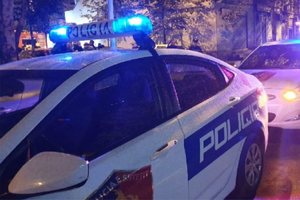
A conflict for weak motives was recorded today in the vill...

An accident involving three vehicles occurred a few minute...

55-year-old Belere Plaka, who was injured today with a sho...
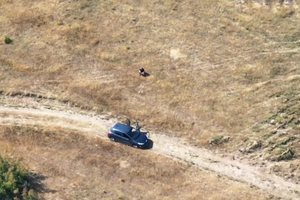
Police Announcement: Following preliminary information...

By noon, cloudiness is expected to prevail in almost all o...

Children without parental care, for whom alternative famil...

On Thursday, our country will be under the influence of st...
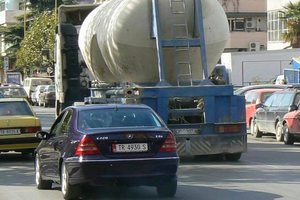
A serious accident that occurred this Wednesday with the c...

Peru and Venezuela will restore diplomatic relations, the ...

United States President Donald Trump has left open the pos...
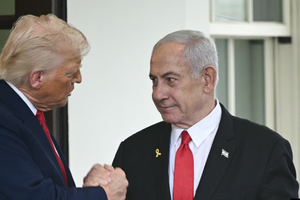
Israeli Prime Minister Benjamin Netanyahu will travel to t...
A bipartisan group of US lawmakers is calling for a Europe...
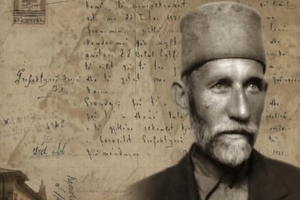
In my research at the Central State Archives, specifically...

At a time when industrial products are increasingly taking...

Trust among people is not just a three-syllable word. It c...

Master of humor Todi Llupi has passed away at the age of 7...
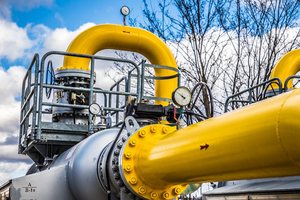
War, weather and supply disruptions could send gas prices ...
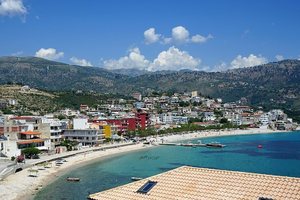
The number of active enterprises in Albania continued to g...
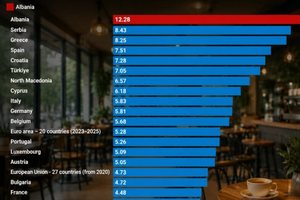
In Albania, the bar-cafe has long become an almost unique ...

This Friday, one US dollar is bought for 81.7 lek and sold...