


VMRO-DPMNE celebrates the victory of the parliamentary and presidential elections
The VMRO-DPMNE party is celebrating a landslide victory in...


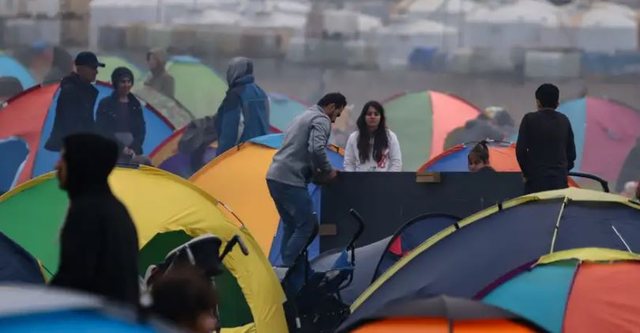
German police officers could hardly believe their eyes when they stopped a Mercedes van with Swedish license plates that had just crossed the German-Polish border in the late evening of September 2023. The van was driven by a 15-year-old Syrian boy. In the trunk of the van - 7 Syrian and Yemeni refugees being smuggled into Germany.
The Syrian boy was not unknown to the authorities in Germany: he came as a refugee without parents or relatives at the age of 13 and lived in a juvenile institution in Thuringia for two years.
After registering at the reception center, these unaccompanied minors are dispersed throughout the country. The Juvenile Office provides them with shelter, care and control. This is often successful, but not always - so children and young people disappear from these settings. Often they disappear completely from the radar of the authorities and that of the whole of Europe.
Key gaps in data collection
Currently, 51,433 refugee children are missing across Europe. Just three years ago, this number was around 18,300. During this period, the number of missing minors has also increased significantly in Germany - from 724 in 2021 to 2005 today.
This is the result of an exclusive investigation by the European journalistic network "Lost in Europe", which includes the Belgian media "De Standaard", the Dutch "NRC", the Italian ANSA and rbb24 Recherche from Germany.
The research highlights significant gaps in data collection on missing refugee children. Of the competent authorities in 31 European countries, which in addition to the 27 EU members and Moldova, Norway, Switzerland and Great Britain - only 15 responded to the research network's questions.
While some countries such as Italy and Austria report particularly drastic figures, with more than 20,000 missing children and youth, others, such as Spain or Greece, do not collect any information on unaccompanied children and youth.
The EU Commission speaks of a "broken" system
Currently in the EU there are no regulations for the registration and exchange of information on the fate of unaccompanied refugee minors. The EU Commissioner responsible for Migration and Home Affairs, Sweden's Ilva Johansson, cannot comment on the very large number of missing young refugees. "I have no idea if your figures are correct. I can say that we have a broken migration system in Europe," she says in an exclusive interview with Germany's rbb24.
When refugee children disappear from shelters under the supervision of the authorities, they must be registered as missing persons. Some reappear, after a few days, in another city, in another municipality.
In Germany, experts assume that many leave the facilities where they are housed because they are dissatisfied with the length of the procedure, hope for faster help in other countries or want to stay with relatives or friends in other European countries. The German police confirm this assumption.
Research across Europe shows: the reasons for the disappearance of minors often cannot be precisely determined even in other countries. One of the reasons is that intra-European data exchange often does not work.
German structures are overloaded
In Germany, the structures are currently very overcrowded, says Helen Sundermeier of the German Federal Association for Unaccompanied Refugees (BumF). "We notice that most young people disappear from the start, when they arrive. At this stage, supervision standards are lowered to ensure care despite staff shortages.
Overcrowding of facilities is associated with incomplete data on the whereabouts of juveniles. The consequences can be serious for minors, warns Teresa Kajl from the German Children's Fund (Deutschen Kinderhilfswerk). "When children are considered missing, it must be started from the fact that they are exposed to certain risks, that they can fall into the hands of criminal organizations, that they are exploited or experience sexual abuse. We know about such cases".
Like the 15-year-old Syrian who was arrested by police in September. According to a newspaper report, he allegedly testified in court that he was recruited by the smuggler who brought him to Germany two years ago.
According to Helen Sundermayer, one of the reasons such recruitment succeeds is the lack of perspective many young refugees face in Germany. "Currently, care is poor in many countries and there are many non-professionals who have neither the time nor the resources to provide guidance to minors in such a situation, young people may be particularly vulnerable to dubious offers and promises to be repaid with money.
Easiest registration
European Commissioner Johansson sees the risk that "unaccompanied refugee minors will become victims of human traffickers when these minors are already in the EU".
The EU is working to introduce a unified registration system for unaccompanied minors. This does not solve the problem of currently missing children. But EU countries should create better conditions and make it easier to find contact persons and guardians.
But, so far, only a small part of the planned regulations has been adopted. The final vote is in May. Member states will then have to incorporate the new regulations into their national legislation. "All 27 countries have promised to do this," says EU Commissioner Ylva Johansson. /DW

The VMRO-DPMNE party is celebrating a landslide victory in...
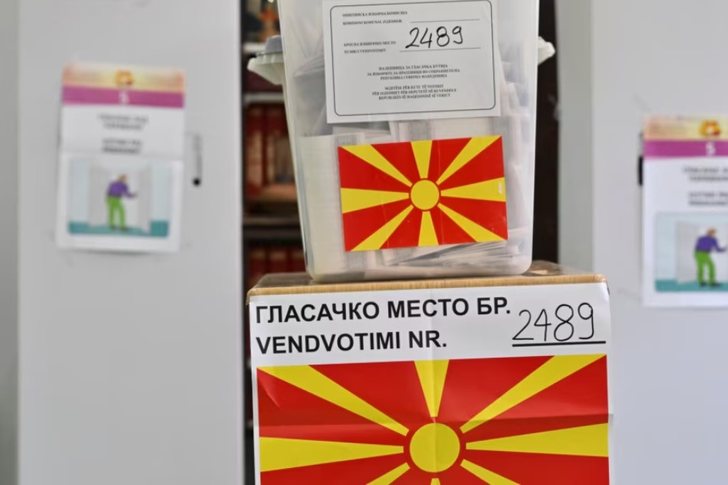
In North Macedonia, at 7 o'clock in the evening, the ballo...
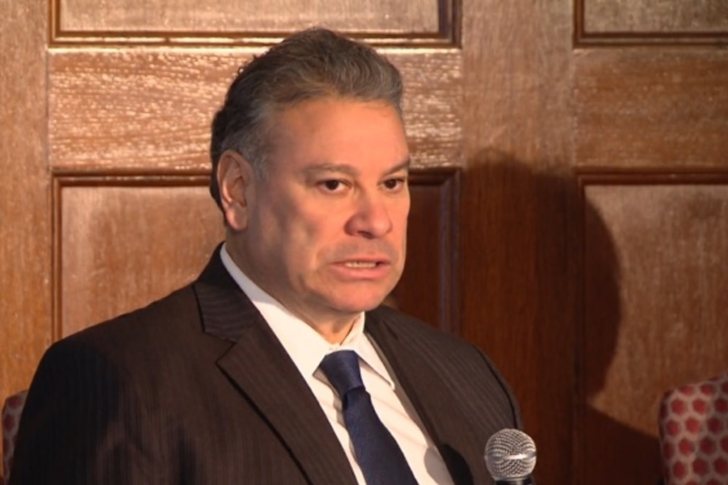
The US envoy for the Western Balkans, Gabriel Escobar, sai...
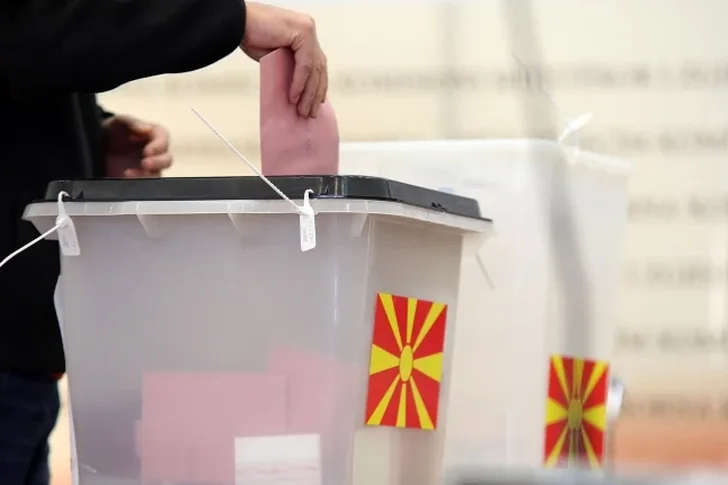
The State Electoral Commission in North Macedonia (SEC...
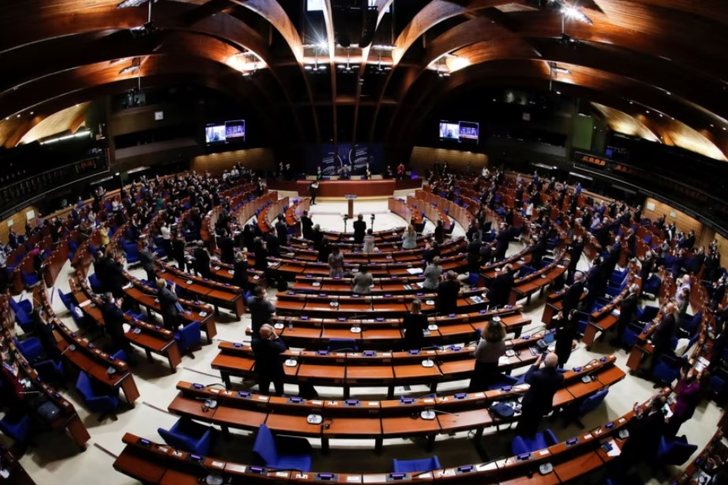
"The issue of Kosovo is not on the agenda of the Council...
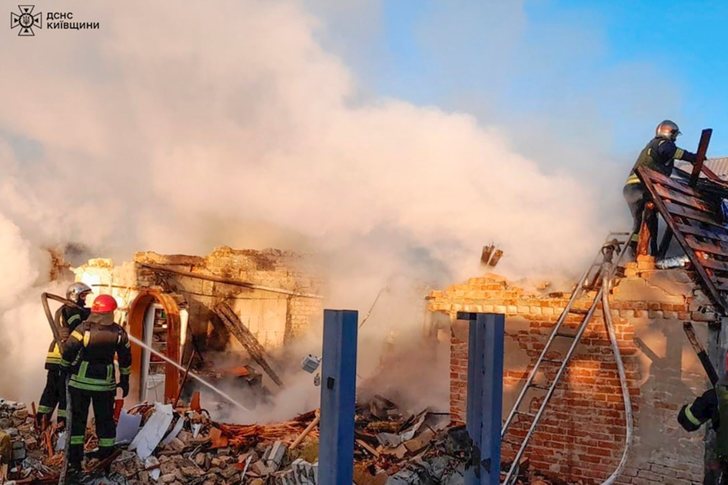
The president of Ukraine said that Russia carried out mass...
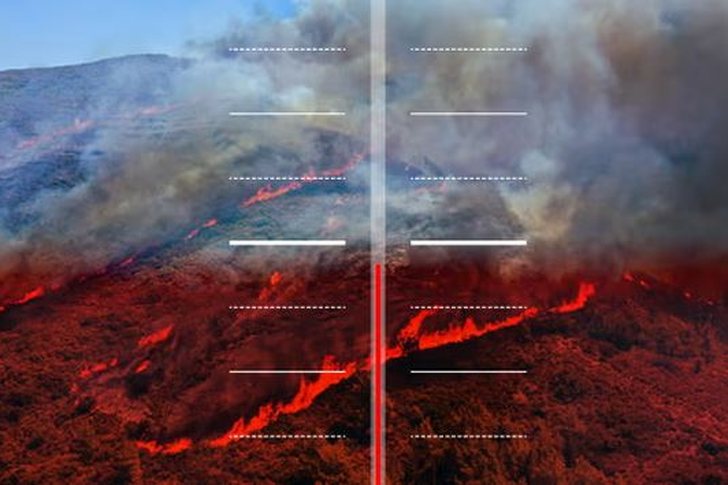
The world's leading climate scientists expect global tempe...
Russia said sending NATO troops to Ukraine would potential...

One of the most beautiful beaches in the world and undoubt...

Military guards lined up in Belgrade on Wednesday to welco...
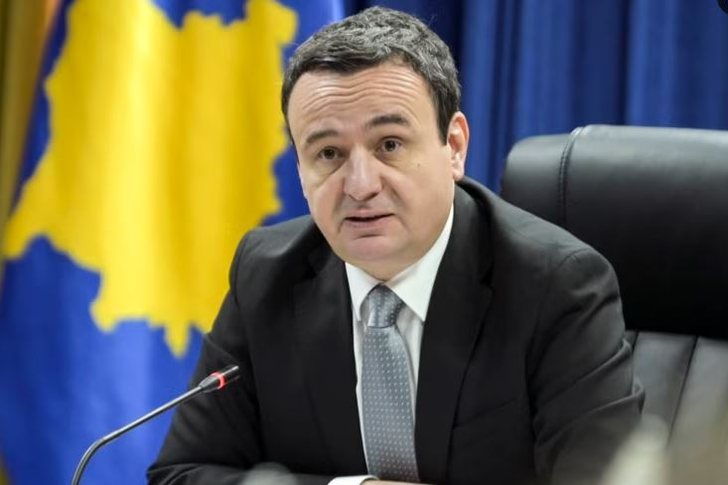
The Prime Minister of Kosovo, Albin Kurti, insisted on...

Protests against the so-called "foreign agents" bill, whic...
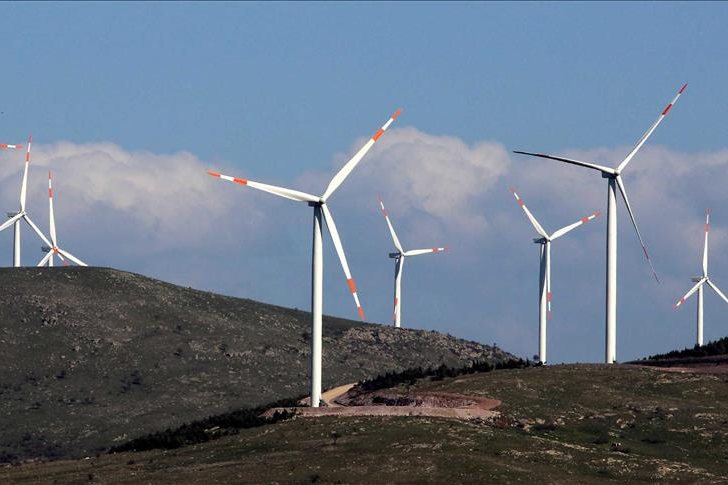
A project for the construction of a wind farm has already ...
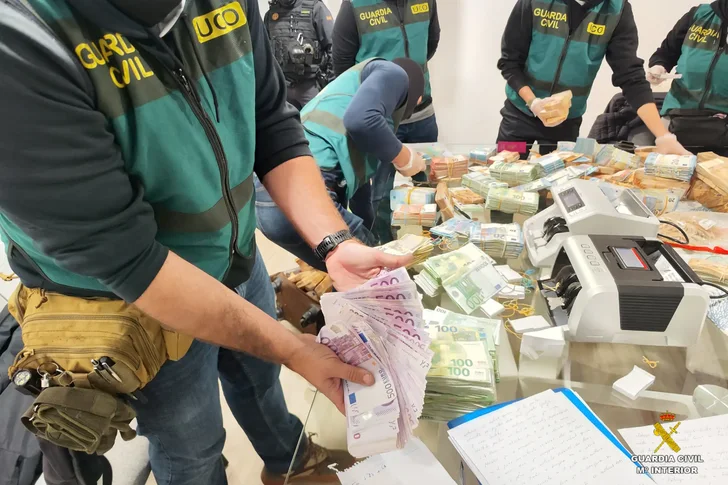
The Spanish Civil Guard arrested 20 suspects after "di...

Fueled by climate change, the world's oceans have broken t...

The European Broadcasting Union (EBU), which organizes the...

Former North Korean propaganda master Kim Ki Nam has died ...

AstraZeneca is withdrawing its Covid-19 vaccine worldwide,...
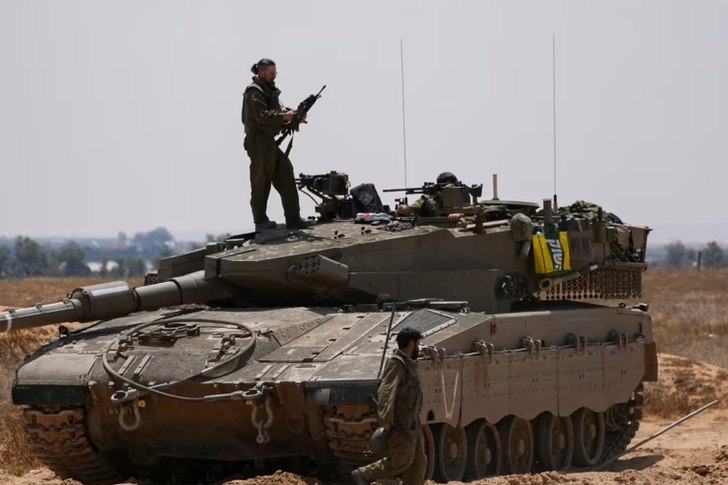
The United States is optimistic that a cease-fire deal in ...
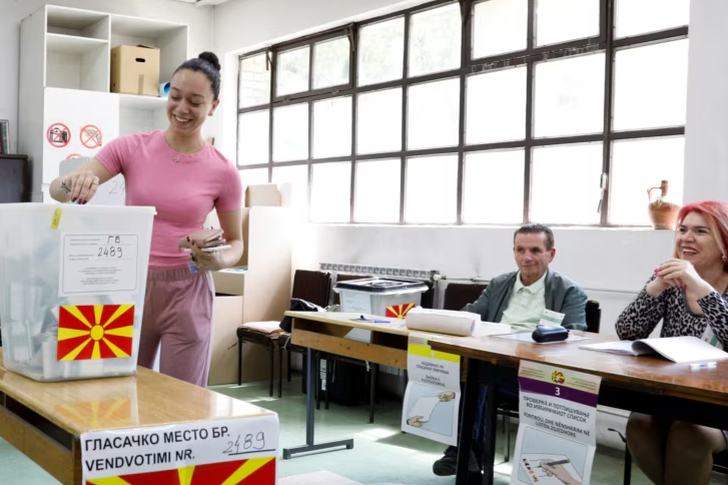
The citizens of North Macedonia have started voting on Wed...

CNA has launched another investigation that could lead to ...

Irfan Hysenbelliu is a businessman that we call "Irfan the...

In March 2026, CNA launched another investigation centered...
The arrested mayor of Tirana, Erion Veliaj, with 13 charge...

The Special Board of Appeal (KPA) decided this Monday ...

The KPA vetting decided this Thursday to dismiss the p...

Suela Salavaçi, a prosecutor in the Prosecutor's Offic...

The Special Board of Appeal reinstated the prosecutor ...

Citizen MH, 61, a fisherman, was found dead near the islan...

Another phase of the international operation, codenamed "T...

Police have arrested a 34-year-old woman at Rinas Airport ...

A serious accident has occurred on the Lezhë-Shëngjin axis...

The Institute of Geosciences has shared a forecast for wea...

Rising energy and fertilizer prices are expected to contin...

Over 18,000 foreign citizens from 140 countries have appli...

This Wednesday, our country will be under the influence of...

Prime Minister Andy Burnham has announced that most bus fa...

France's parliament has passed a law to ban social media f...

US Secretary of State Marco Rubio arrived in Manila on Jul...

In the space of a few days, Ukrainian President Volodymyr ...

At a time when industrial products are increasingly taking...

Trust among people is not just a three-syllable word. It c...

Master of humor Todi Llupi has passed away at the age of 7...

The ninth edition of "MIK Festival" kicked off with one of...

Businesses will no longer be required to simply register t...

Despite economic growth and income in recent years, Albani...

This Wednesday, one US dollar is bought for 81.4 lek and s...

Construction company licenses will have a validity period ...