

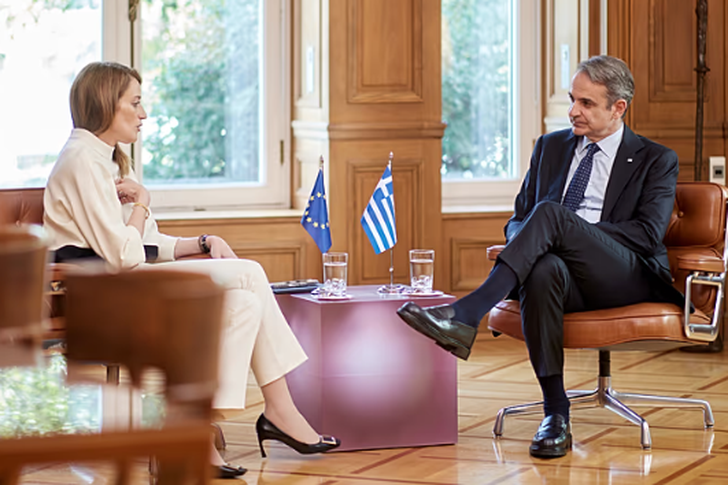
Meeting with Mitsotakis/ President of the European Parliament, Roberta Metsola visits Athens
The President of the European Parliament, Roberta Metsola,...


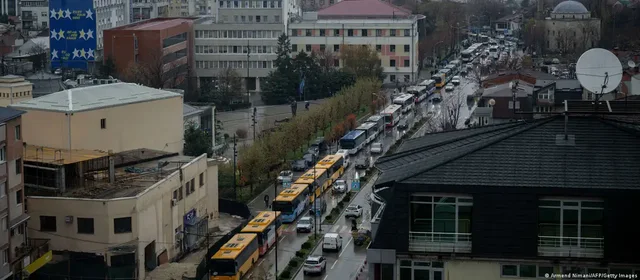
The holding of three elections within a year in Kosovo, the political crisis that has gripped the country since the beginning of the year, the failure to form a new government, which consequently resulted in the non-approval of the budget for 2026, put the country at risk of entering a deep budgetary crisis. With the dissolution of the Parliament and the announcement of extraordinary elections on December 28 by President Vjosa Osmani, Article 24 of the Law on Public Finance Management automatically entered into force, an article that allows for a budgetary extension only for the first two months of the following year for public sector salaries.
According to this law, this extension "may be made if the general elections are held less than four months before the new fiscal year, namely January 1. This two-month extension provides a budget allocation for each budgetary organization, which is equal to 16.67 percent of the budget allocation provided for such budgetary organization by the budget appropriations law," the Law on Public Finance Management states.
Financial constraints and problems
Yes, 1/12 of the budget utilization as stated in the law, for the acting Minister of Economy and Finance, Hekuran Murati, is too restrictive. "There will also be a problem with the execution of other expenditures, because there is a narrow space in terms of the fiscal aspect in the absence of a general budget. So you are seeing how municipalities that do not have an approved budget are facing financial problems due to the narrow fiscal space. The same will happen at the state level and all this after the total irresponsibility of PDK, LDK, AAK and Nisma (previous opposition parties) who did not participate at all in the extraordinary session of the Parliament to approve the 2026 budget."
Objections from Vetëvendosje's opposing parties
But Minister Murati's statements are rejected by the opposition parties so far. According to them, the efforts to approve the budget by the current ruling party Vetëvendosje in these circumstances are urgent and unconstitutional, and that Vetëvendosje cannot use the budget as a means to maintain power without consensus. A statement from the Democratic League of Kosovo stated that this party "does not participate in political improvisations", which according to them "reduce the state agenda to electoral decorum". "We do not become part of populist scenarios and crises fabricated for electoral interests", the LDK statement said.
Representatives of other former opposition parties, PDK, AAK, and Nisma, also said that an incumbent government cannot propose a budget for the following year, because that budget would have to be approved by the previous legislature, whose mandate ended on 9.02.2025, when regular parliamentary elections were held.
Osmani criticizes the lack of political will
However, on November 20, Kosovo President Vjosa Osmani dissolved parliament and set December 28 as the date for holding extraordinary elections after MPs failed to elect a new government twice in a row. Following this decision, the President said that "there was no will from political parties to hold an Assembly session to resolve the budget issue or to approve international agreements that have a financial impact."
But the president hopes that after the December 28 elections, "as soon as we have a new Assembly, which in the first session after its constitution, will be constituted in the morning, in the afternoon it will immediately approve the budget of the Republic of Kosovo, as well as the relevant committees, so that regular payments can immediately begin," says the President. Osmani himself had expressed concern several times about the non-approval of the budget or a draft law on budget allocation, saying that the salaries of public sector employees would be jeopardized. Economic experts and various business organizations, meanwhile, had previously raised the alarm that the country was heading towards a budgetary collapse, saying that the state could for the first time "shut down" and not be able to pay for any services.
The Director of the Association of Kosovo Municipalities, Sazan Ibrahimi, says that if the new institutions are not established by March next year, Kosovo will face a financial collapse. "The institutions will have a budget for February as well. If there is no solution to this problem, from March 1 Kosovo risks facing a financial collapse, which has not happened in post-war Kosovo," Ibrahimi said. According to him, if the new institutions are not established by March, the state treasury will be blocked and this will mean that "it will be followed by non-execution of salaries for public servants, non-execution of pensions, child allowances, social assistance, and others."
Kosovo Business: Climate of uncertainty in the private sector
The Kosovo Business League also expresses deep concern about the situation created where the lack of functional institutions and decision-making has put the country in a complete economic impasse. "The country's economy is being damaged due to political resentment, while Kosovo is facing an increase in imports and a decrease in exports, which further deepens the negative trade balance and damages the competitiveness of local production. The lack of fiscal reforms and the suspension of development policies have created a climate of uncertainty in the private sector. Many state boards and agencies have been left with acting heads, without legitimacy to make strategic decisions, paralyzing economic processes," the reaction states. "Over 1 billion euros in development loans and grants remain blocked in the Parliament due to institutional dysfunction. These funds, which could be invested in energy, infrastructure, education and production, today remain stationary, while businesses face great difficulties on the ground," the Kosovo Business League says.
The political and institutional crisis in Kosovo, which has lasted for over nine months, with no government, no parliament and a new election cycle due at the end of December, has also blocked the ratification of the Agreement with the European Union on the Growth Plan, the Facility Agreement and the Loan Agreement. The EU Growth Plan contains a package of 6 billion euros to support the approximation of the economies of the six Western Balkan countries to European standards. Kosovo could benefit from this package of over 880 million euros, but the failure of the Kosovo parliament to ratify the agreement with the EU has meant that Kosovo has not yet received a single cent of this amount. /DW

The President of the European Parliament, Roberta Metsola,...
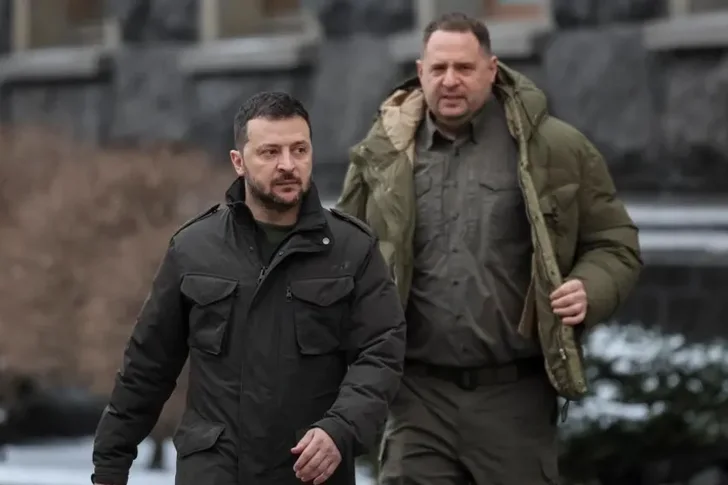
Ukrainian President Volodymyr Zelensky has announced that ...
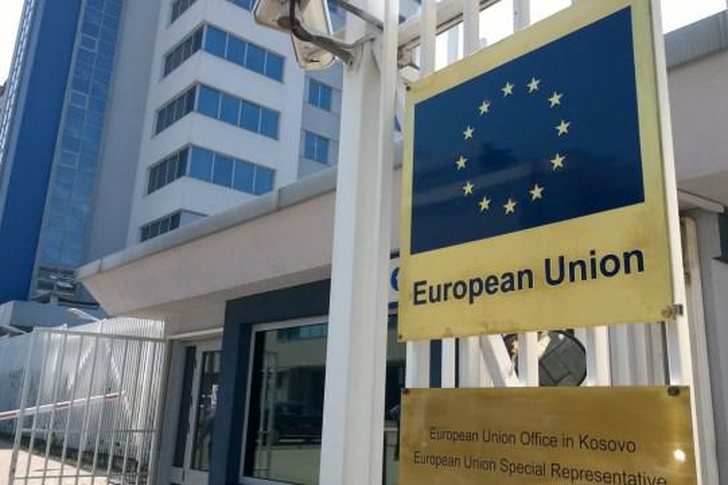
The European Union Office in Kosovo has announced that 3.7...
At least 10 people were killed in an Israeli airstrike on ...
Romanian Defense Minister Ionut Mosteanu resigned this Fri...
The death toll from a devastating fire that engulfed a hig...
The National Anti-Corruption Bureau of Ukraine (NABU) and ...
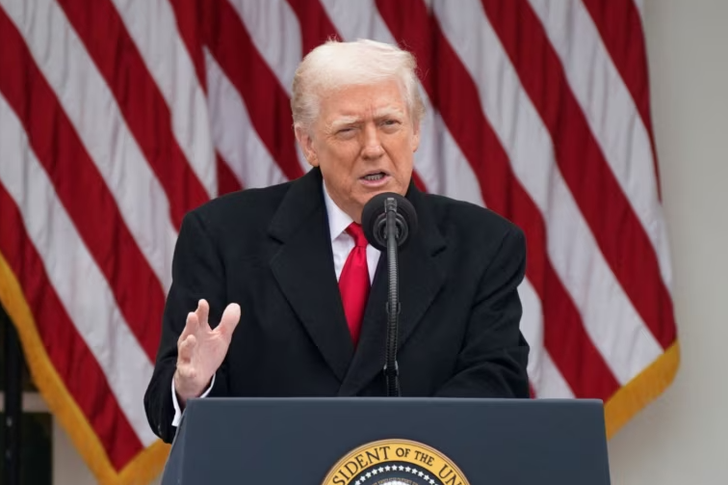
The United States will "very soon" take ground action agai...
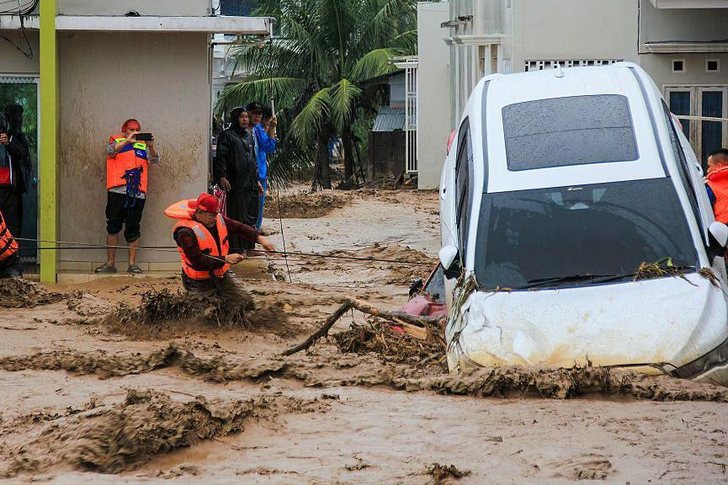
At least 80 people have died and dozens more are missing a...
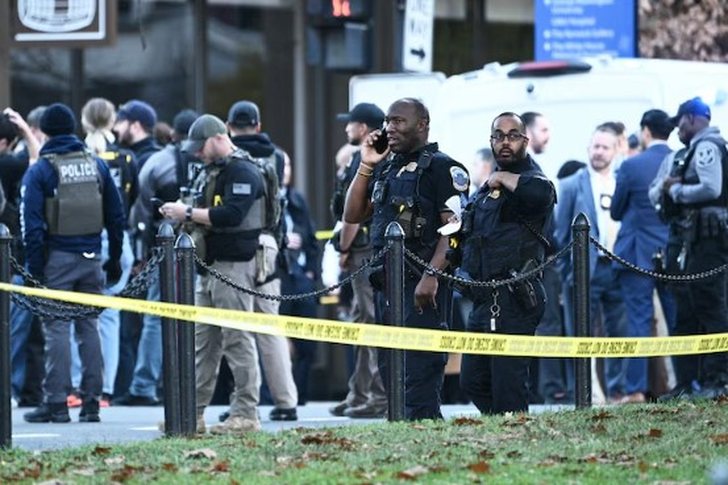
One of two National Guard members who were shot in Washing...
In the latest update from Hong Kong authorities on the dea...
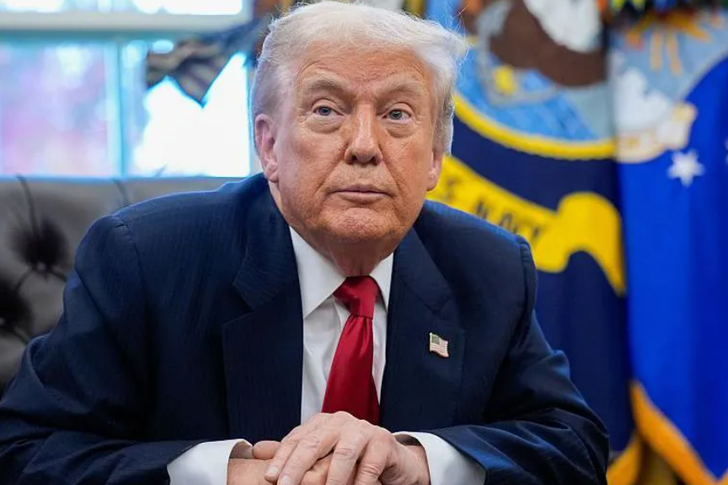
The Trump administration will review green cards issued to...
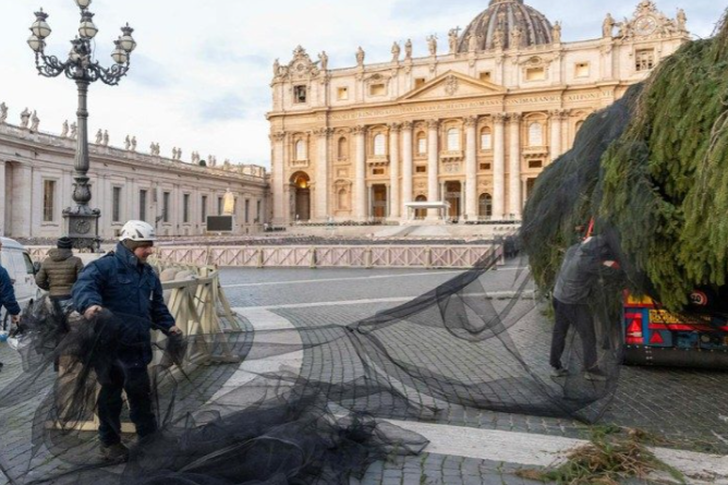
A 27-meter Norway spruce is ready to be placed in St. Pete...
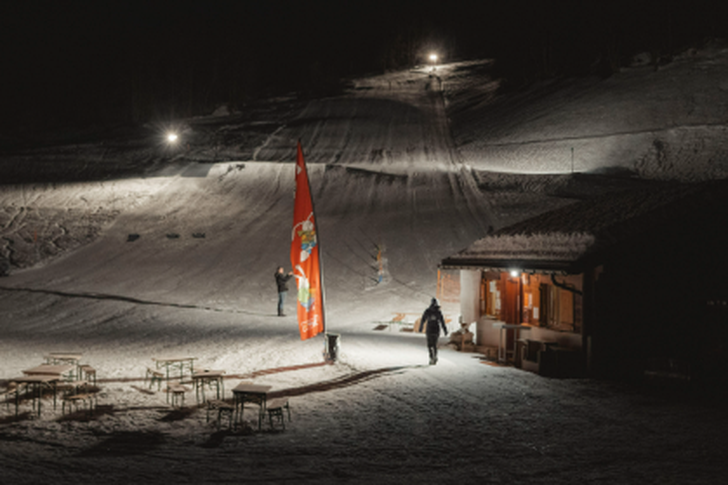
A group of eight skiers were rescued in the Tyrolean Alps ...
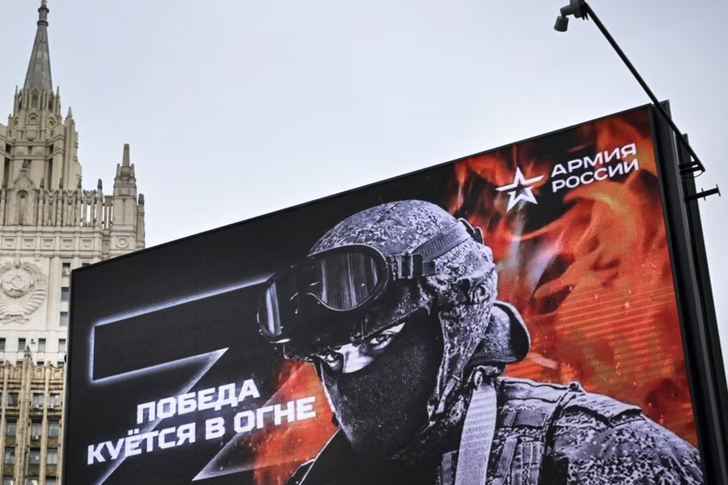
Jordan has asked Russia to stop recruiting its citizens in...
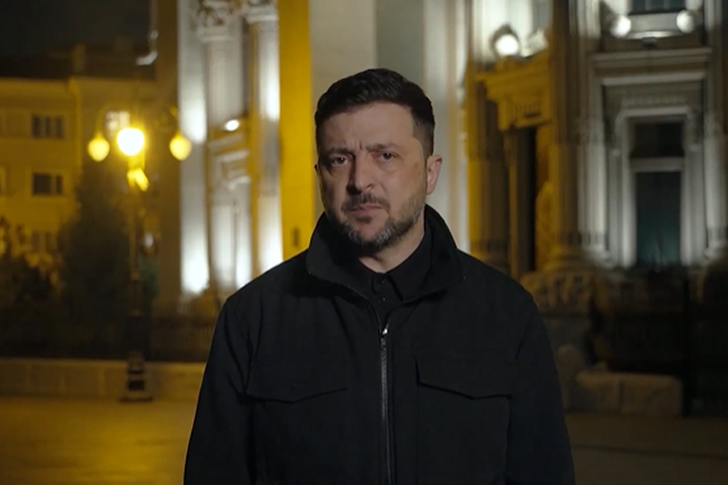
Ukrainian President Volodymyr Zelenskyy, in a post on soci...
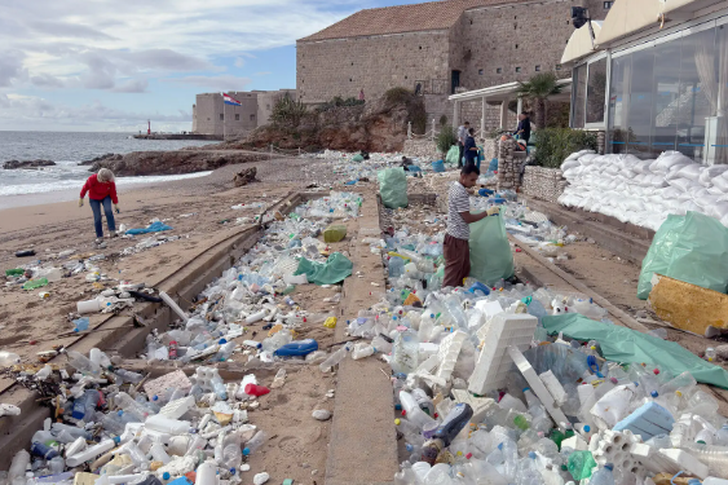
The prestigious media outlet "New York Times" wrote today ...
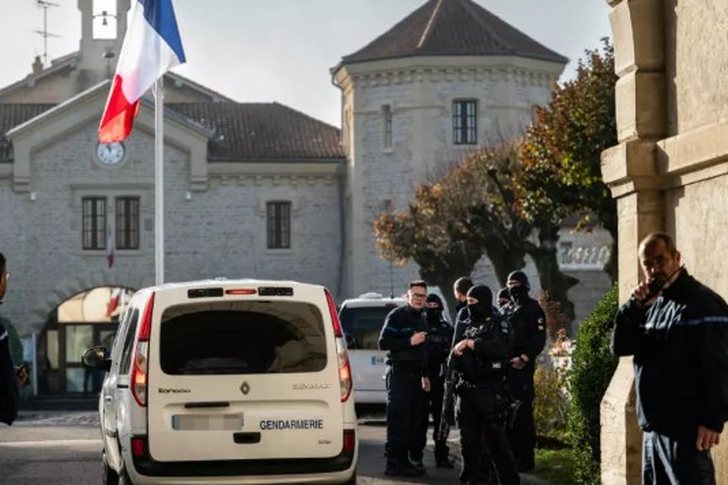
Two inmates at a French prison cut through the bars of the...
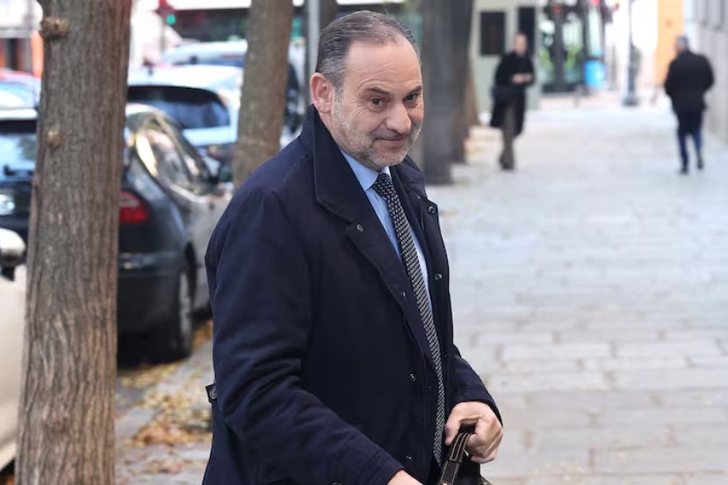
José Luis Ábalos became the first sitting member of parlia...
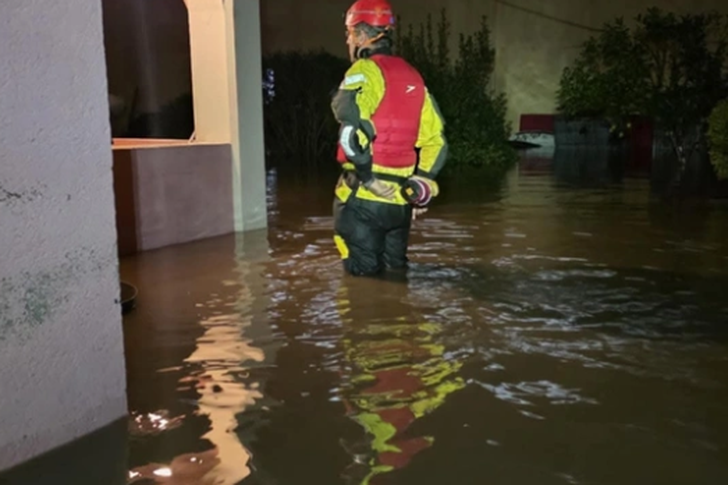
Severe weather from a storm that has hit Greece has caused...

CNA has launched another investigation that could lead to ...

Irfan Hysenbelliu is a businessman that we call "Irfan the...

In March 2026, CNA launched another investigation centered...
The arrested mayor of Tirana, Erion Veliaj, with 13 charge...

The Special Board of Appeal (KPA) decided this Monday ...

The KPA vetting decided this Thursday to dismiss the p...

Suela Salavaçi, a prosecutor in the Prosecutor's Offic...

The Special Board of Appeal reinstated the prosecutor ...
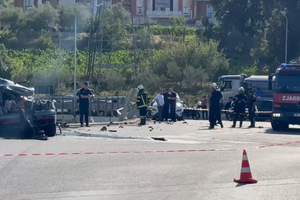
New details have emerged regarding the accident that occur...

New details have emerged from the serious accident that oc...
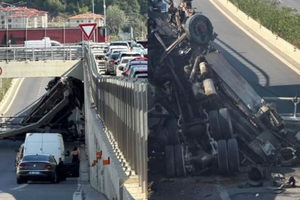
A serious accident occurred this Wednesday on the Elbasan-...
Citizen MH, 61, a fisherman, was found dead near the islan...

The Institute of Geosciences has shared a forecast for wea...
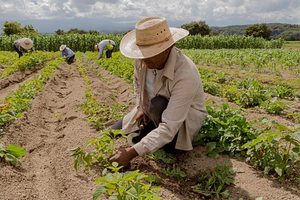
Rising energy and fertilizer prices are expected to contin...

Over 18,000 foreign citizens from 140 countries have appli...
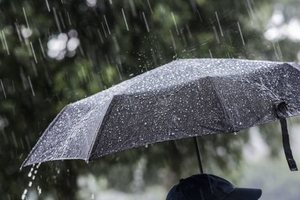
This Wednesday, our country will be under the influence of...
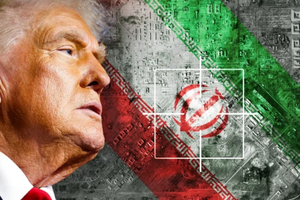
US President Donald Trump has issued another warning to Ir...
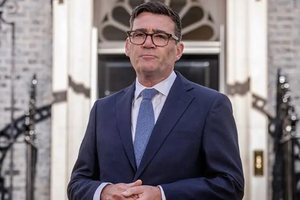
Prime Minister Andy Burnham has announced that most bus fa...

France's parliament has passed a law to ban social media f...
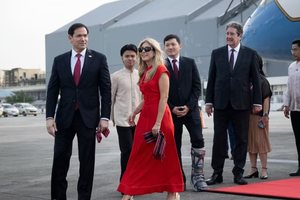
US Secretary of State Marco Rubio arrived in Manila on Jul...

At a time when industrial products are increasingly taking...

Trust among people is not just a three-syllable word. It c...

Master of humor Todi Llupi has passed away at the age of 7...
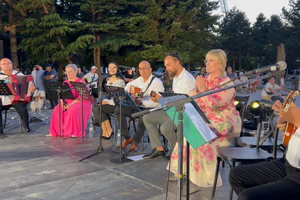
The ninth edition of "MIK Festival" kicked off with one of...

Businesses will no longer be required to simply register t...

Despite economic growth and income in recent years, Albani...

This Wednesday, one US dollar is bought for 81.4 lek and s...

Construction company licenses will have a validity period ...