


Powerful earthquake strikes southern Philippines
A 7.8-magnitude earthquake struck the Mindanao region in t...


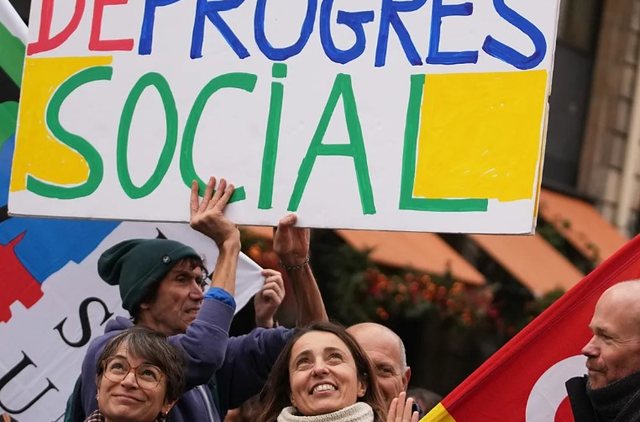
As inflation rises across Europe following the recent conflict in the Middle East, advertised wage increases in the eurozone are failing to keep pace, causing workers' real incomes and purchasing power to fall.
Prices are rising again across Europe, but wages are not keeping pace.
Inflation in the EU reached 3.2% in April 2026, the highest level since January 2024, and Eurostat's preliminary estimates suggest that prices continued to rise in May.
However, the increase in advertised salaries across the eurozone is not keeping pace with inflation, according to Indeed. This means that inflation is outpacing the increase in advertised salaries across Europe, significantly impacting the purchasing power of workers, with earnings buying less than before.
The latest inflationary pressures come as the EU experienced its biggest price shock in decades. Annual inflation rose to more than 11% in 2022, largely driven by rising energy costs following Russia's invasion of Ukraine.
So how do inflation and wage growth recorded across all major European economies compare?
Middle East Conflict: Rising Inflation
It remained below 3% from early 2024 until recently. But a gradual upward trend has emerged since the joint US-Israeli attack on Iran and Tehran's response in late February 2026.
In January 2026, annual inflation in the EU was 2%. It rose sharply to 2.8% in March and 3.2% in April.
Post-pandemic inflation eroded workers’ purchasing power in all major European economies, as consumer prices rose faster than wages. According to Indeed, as of the start of 2026, cumulative real posted wages remained below pre-pandemic levels in Europe’s five largest economies.
As inflation rose following the recent conflict in the Middle East, wage growth in the euro area fell below inflation in March 2026, with the gap widening further in April. This reversed a trend that had continued since September 2023, when recorded wage growth consistently outpaced inflation in the euro area.
With annual consumer prices rising 3.0% in the eurozone in April, workers' wages are no longer keeping up with increases in the cost of living, according to Indeed's wage monitor, which shows annual recorded wage growth of just 2.3%.
In January 2026, recorded wage growth was 2.4%, while annual inflation was only 1.7%, highlighting how quickly the picture has changed.
“Inflationary pressures from the global energy price shock are starting to show up in European data, eroding real wage gains,” said Aubrey Woessner, associate economist at Indeed Hiring Lab.
Why is the UK bucking the trend?
Inflation and registered wage growth vary across major European economies. The United Kingdom stands out with registered wage growth of 4% year-on-year, well above the inflation rate of 2.8%.
"But even so, real wage growth is stalling. The decline in real purchasing power will affect demand in the coming months, adding to other difficulties facing the economy," Woessner noted.
Pawel Adrjan, director of economic research at Indeed, pointed out that the UK still has a real wage reserve that most of the eurozone has already lost. UK inflation eased in April, helped by government measures to cut energy bills, even as it rose across the continent.
"But real wage reserves in the UK are rapidly diminishing. Posted wage growth was 4.0% year-on-year in April, supported in part by a 4.1% increase in the core minimum wage, but this was the slowest rate in four years," he told Euronews Business.
“As employment remains weak, recent increases in real wages will be quickly eroded if the Iran conflict keeps oil and gas prices high.”
The UK is not alone. Since April 2026, registered wage growth has also outpaced inflation in Germany and Ireland, although the gap has been much narrower. In Germany, registered wage growth was 3.2% compared to inflation of 2.9%. In Ireland, the gap was even narrower, with registered wages rising by 3.7% compared to inflation of 3.6%.
Italy and France: Hardest hit for workers
Italy and France appear to be the hardest hit countries for workers. While wage growth in France has remained steady at 1.1% throughout 2026, inflation rose from 0.4% in January to 2.5% in April.
Workers are also losing ground in Italy. Posted wage growth has been below 0.8% since mid-2025, while inflation has consistently exceeded it over the past year. The gap has widened further this year, as inflation reached 2.8% in April.
While monthly trends provide useful insights, the cumulative growth in real wages over recent years provides a more complete picture./ CNA

A 7.8-magnitude earthquake struck the Mindanao region in t...

With their vote, the citizens of Kosovo sent a message to ...

The leader of the Vetëvendosje Movement, Albin Kurti, appe...
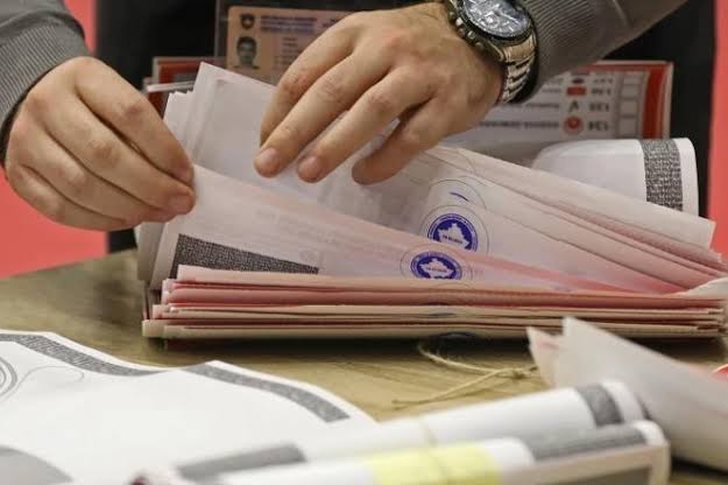
The vote counting for political entities in Kosovo is almo...

Former President Vjosa Osmani, who was the leader of the D...
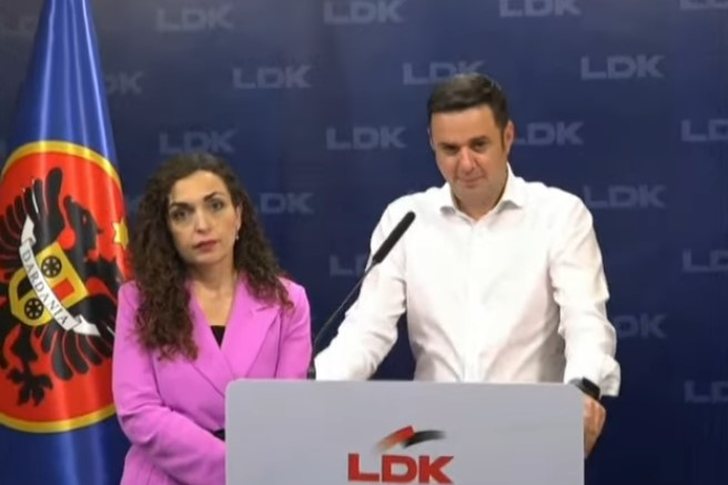
LDK leader Lumir Abdixhiku and former president Vjosa Osma...
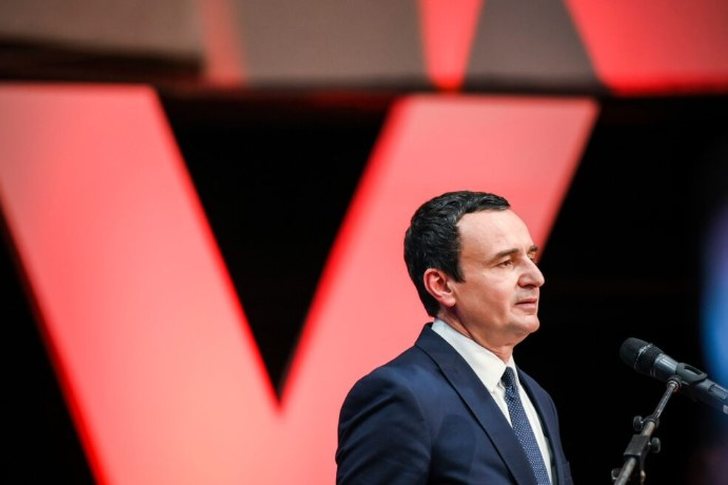
The Vetëvendosje movement has declared victory in the snap...
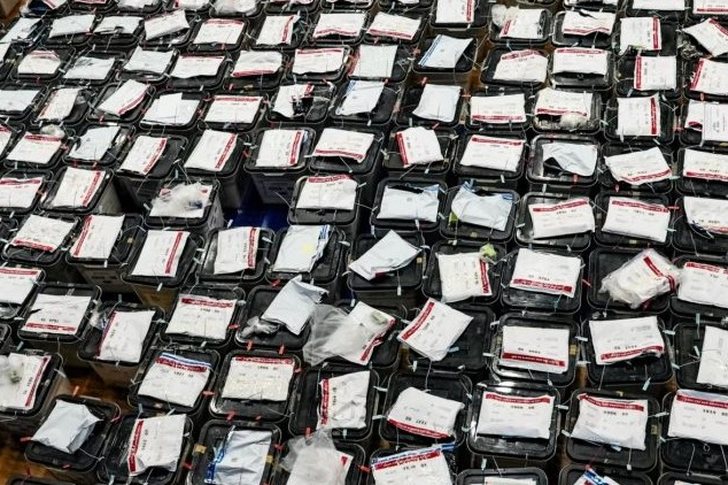
The counting of votes for political entities in Kosovo is ...
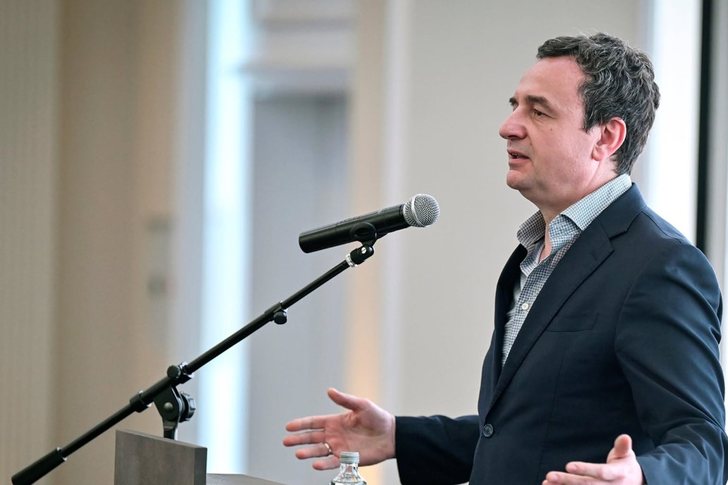
Kosovo's acting Prime Minister, Albin Kurti, has reacted a...

The counting of votes for political entities in Kosovo has...
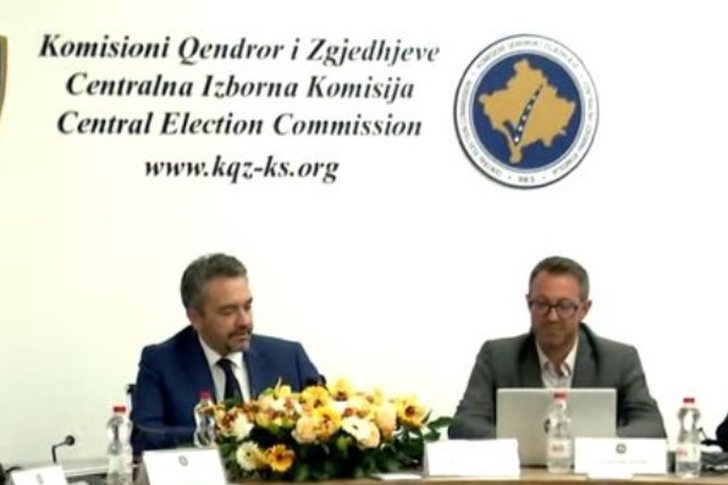
The Chairman of the Central Election Commission, Kreshnik ...
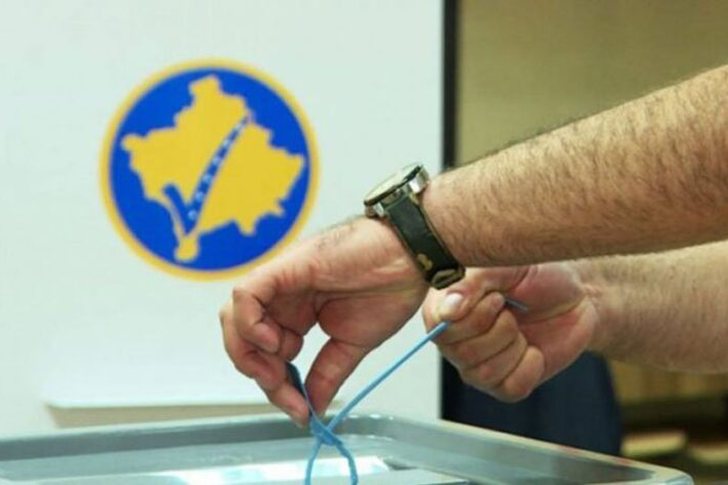
The voting process for the early elections in Kosovo has c...
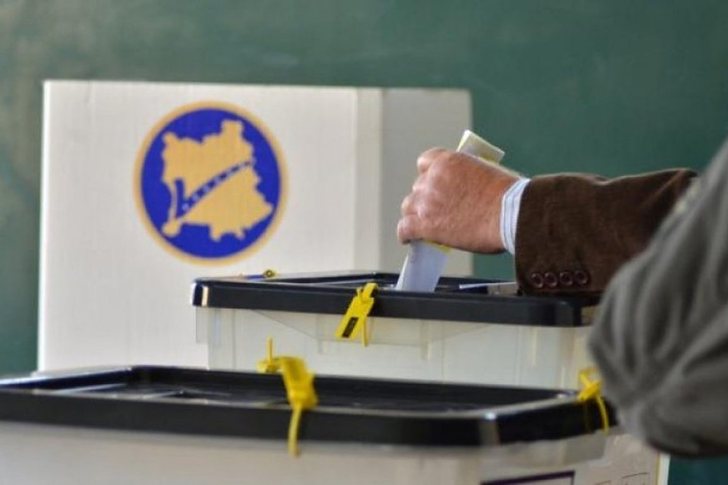
The Central Election Commission of Kosovo has updated the ...
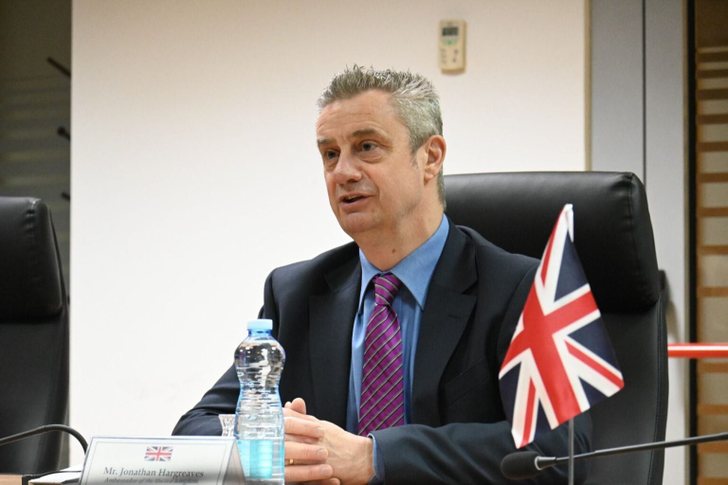
The British Ambassador to Kosovo, Jonathan Hargreaves, spo...

Qytetarët e Kosovës votojnë sot për zgjedhjet e parakohshm...

Komisioni Qendror i Zgjedhjeve në Kosovë ka publikuar rezu...
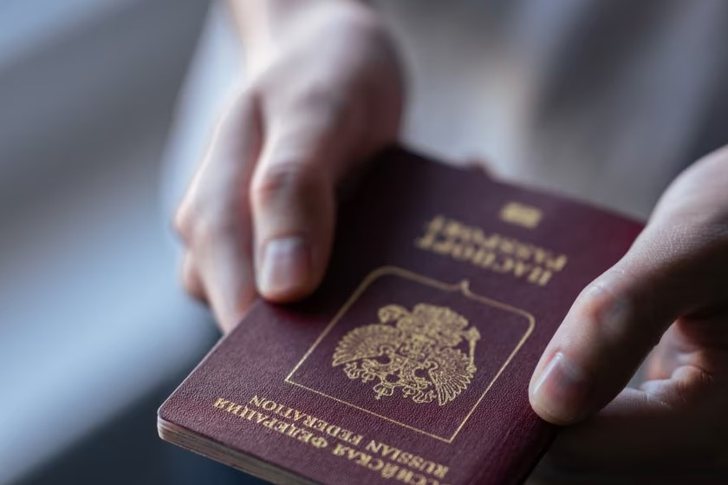
Megjithëse politika e shtetësisë është kompetencë e Serbis...
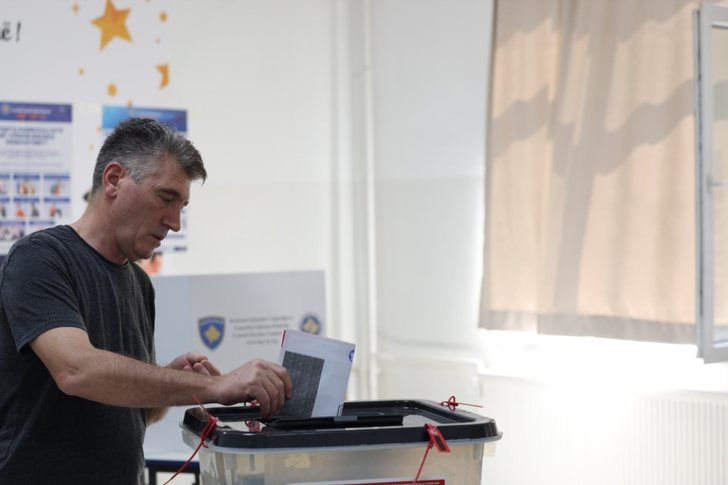
Kosovo citizens are voting in new snap parliamentary elect...

Kryeministri në detyrë i Kosovës, Albin Kurti, votoi sot n...
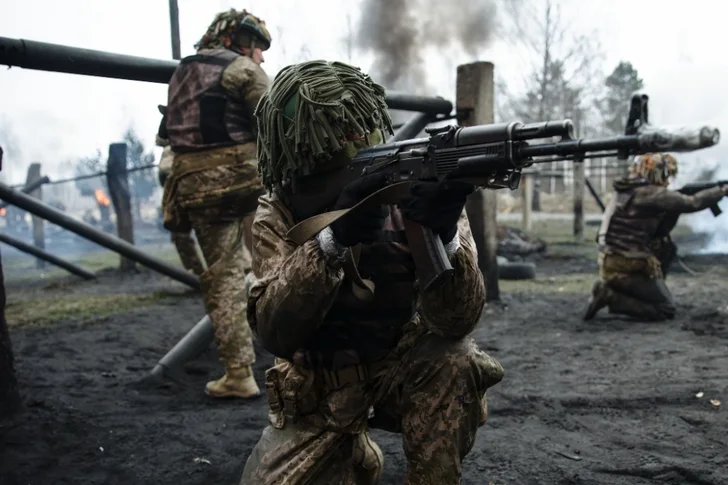
Presidenti rus Vladimir Putin është në pushtet prej 26 vit...

A 39-year-old citizen has been arrested in Lezha, after se...

CNA has launched another investigation that could lead to ...

Irfan Hysenbelliu is a businessman that we call "Irfan the...

In March 2026, CNA launched another investigation centered...

The Special Board of Appeal (KPA) decided this Monday ...

The KPA vetting decided this Thursday to dismiss the p...

Suela Salavaçi, a prosecutor in the Prosecutor's Offic...

The Special Board of Appeal reinstated the prosecutor ...

As a result of the investigative and procedural actions ca...

A conflict for weak motives was recorded today in the vill...

An accident involving three vehicles occurred a few minute...

55-year-old Belere Plaka, who was injured today with a sho...

Today, our country will be under the influence of stable a...

By noon, cloudiness is expected to prevail in almost all o...

Children without parental care, for whom alternative famil...
On Thursday, our country will be under the influence of st...

Marine Le Pen is entering the decisive phase of the presid...
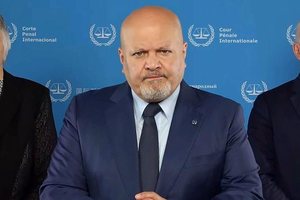
Member states of the International Criminal Court voted to...

From the declining role of exports to new public investmen...

South Korea is becoming one of the most sought-after desti...
Two windows, a century of history and the metaphysics of p...

In my research at the Central State Archives, specifically...

At a time when industrial products are increasingly taking...

Trust among people is not just a three-syllable word. It c...
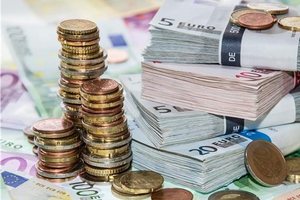
This Saturday, one US dollar is bought for 81.7 lek and so...
War, weather and supply disruptions could send gas prices ...
The number of active enterprises in Albania continued to g...
In Albania, the bar-cafe has long become an almost unique ...