


Fire continues at the waste field in Kruja/ Area covered in toxic smoke
The fire continues at the Kruja landfill, with smoke cover...

The fire continues at the Kruja landfill, with smoke cover...

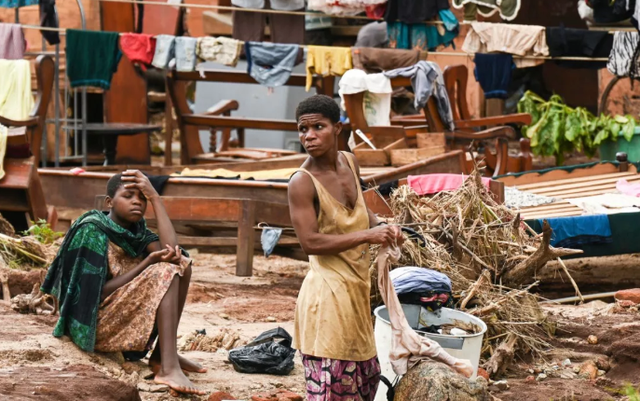
A new index has identified the countries most vulnerable to climate shocks.
More than two billion people live in 'red zone' countries, where the risk of a major hazard or disaster is high and access to finance is decreasing, the report reveals.
Two-thirds of the 65 countries on the most at-risk list are in Africa, but the index also includes two countries in Europe, Cyprus and Ukraine.
Built by the Columbia Climate School in the US with support from the Rockefeller Foundation, the Climate Finance Vulnerability Index (CliF) aims to provide more comprehensive risk assessments and ultimately help direct aid to those most in need.
How does debt increase climate vulnerability?
“Climate shocks are becoming more frequent and intense, yet many of the nations facing the highest threats are also mired in huge debt, limiting their access to financial markets,” says Jeff Schlegelmilch, Associate Professor of Climate Professional Practice and Director of the National Center for Disaster Preparedness at Columbia’s Climate School.
Heat waves, floods, cyclones, droughts and other extreme events are all on the rise as the climate warms.
Although predictions are full of uncertainty, these climate disasters could result in more than 14.5 million deaths and $12.5 trillion (about 10.7 trillion euros) in global economic losses by 2050, according to the World Economic Forum.
Meanwhile, the United Nations Environment Programme (UNEP) estimates that the annual adaptation financing gap - the amount that countries need to adapt to climate change - could be as much as $387 billion (€331 billion) per year.
At the same time, high borrowing costs and limited access to finance keep many nations locked in a cycle of response and recovery to climate disasters, researchers say.
Eric Pelofsky, Vice President for Global Economic Recovery at the Rockefeller Foundation, says the index is an important starting point for discussions ahead of the Fourth International Conference on Financing for Development in Seville next week.
“By using the CliF Vulnerability Index, donors and funders can prioritize support for countries that are potentially one disaster away from crisis.”
Why are Cyprus and Ukraine 'red zone' countries?
The Red Zone is dominated by countries in Sub-Saharan Africa, which account for 43 (66 percent) of the 65 countries in the risk zone where climate vulnerability and financial fragility overlap.
The index makes four predictions for each country: using a 2050 or 2080 timeframe, as well as 'optimistic' and 'pessimistic' climate scenarios.
10 African countries appear in the bottom 10 in all four scenarios: Angola, Burundi, Gambia, Guinea-Bissau, Eritrea, Lesotho, Malawi, South Sudan, Sudan and Zambia.
Saliem Fakir, Executive Director of the African Climate Foundation, says the index complements his work supporting “more systematic approaches to adaptation in Africa for countries suffering from high debt problems.”
Ukraine and Cyprus also appear in the red zone; Cyprus in the optimistic 2050, pessimistic 2050 and pessimistic 2080 scenarios. Ukraine in the optimistic 2050 and optimistic 2080 scenarios.
This is largely due to non-climatic risks, which are nevertheless included in the data. Cyprus is prone to earthquakes, while the conflict in Ukraine makes it vulnerable.
These factors affect disaster management, climate adaptation systems and pressures on finances, explains a spokesperson for the Columbia Climate School and the Rockefeller Foundation.
European nations are better represented on the list of nations best equipped to deal with climate shocks. Eight of the top 10 countries are OECD members, and half are in Europe: Denmark, Estonia, Norway, Switzerland, Sweden, as well as South Korea, Japan and the US./ CNA


US President Donald Trump said today that "nothing was mov...
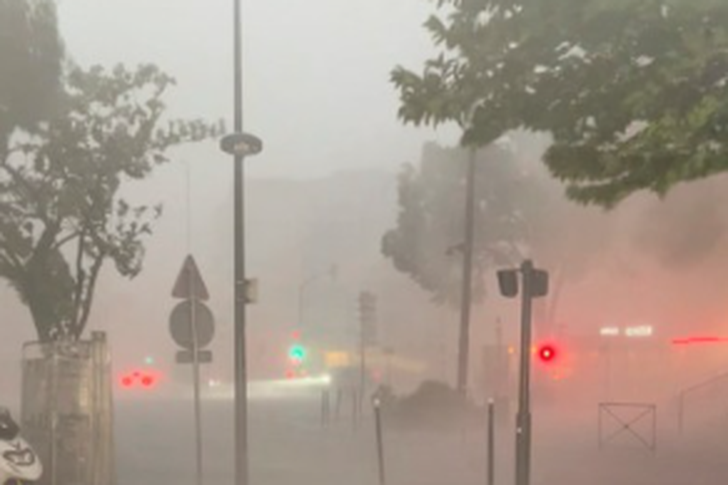
Two people were killed and 17 others injured as torrential...

Iran's Supreme Leader Ayatollah Ali Khamenei has reacted f...
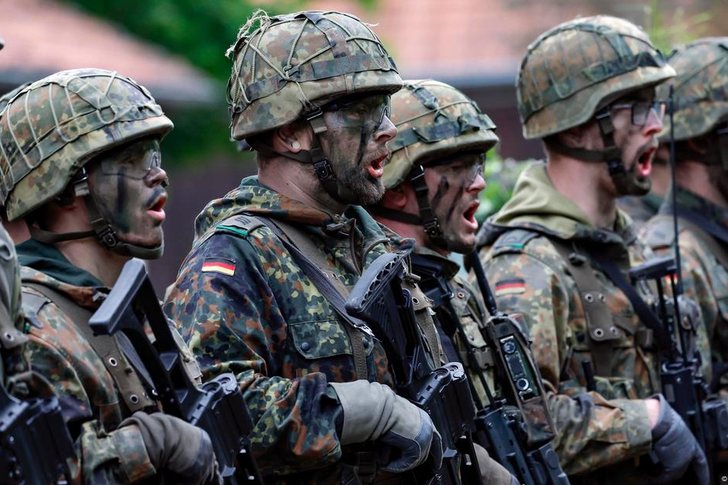
Gjermania është duke hartuar një ligj të ri për të rregull...
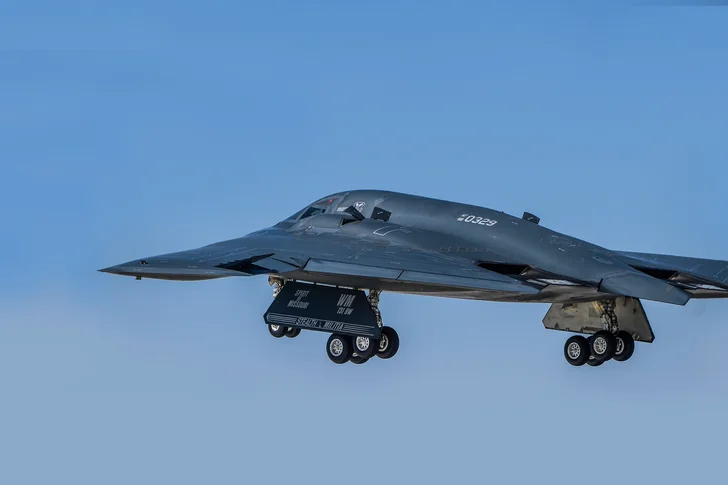
With the ability to refuel in flight, the B-2 Spirit bombe...
CIA chief John Ratcliffe has said US strikes "severely dam...

NATO Secretary-General Mark Rutte denied calling President...
Ministri i Mbrojtjes i Iranit, Aziz Nasirzadeh, mbërriti n...
Turkish President Recep Tayyip Erdogan told leaders at a N...

Balkan countries are facing high temperatures, with temper...

For the Netherlands, this was the largest security operati...
The initiative comes at a time when Europe risks falling f...
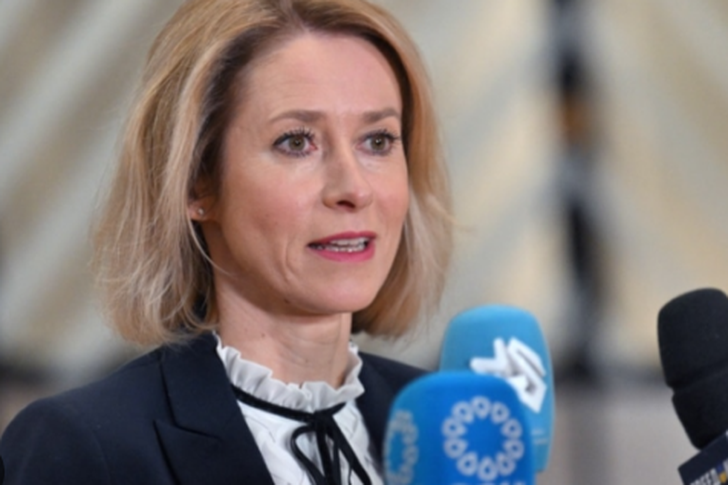
The EU has listened to President Trump and is doing more t...

US President Donald Trump mentioned Kosovo and Serbia duri...
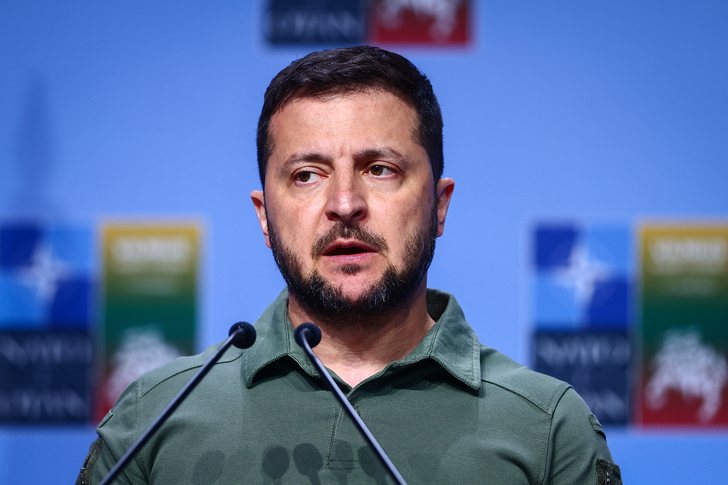
Ukrainian President Volodymyr Zelensky described his meeti...

Airlines will not be allowed to charge passengers addition...

United States President Donald Trump said today that it is...

During Wednesday's General Audience, Pope Leo XIV recalled...

US President Donald Trump, during his speech at a conferen...

US President Donald Trump has begun his press conference a...

CNA has launched another investigation that could lead to ...

Irfan Hysenbelliu is a businessman that we call "Irfan the...

In March 2026, CNA launched another investigation centered...
The arrested mayor of Tirana, Erion Veliaj, with 13 charge...

The Special Board of Appeal (KPA) decided this Monday ...

The KPA vetting decided this Thursday to dismiss the p...

Suela Salavaçi, a prosecutor in the Prosecutor's Offic...

The Special Board of Appeal reinstated the prosecutor ...

Footage emerges from the serious accident that occurred th...

A Shkodra traffic police officer was hit with hard objects...
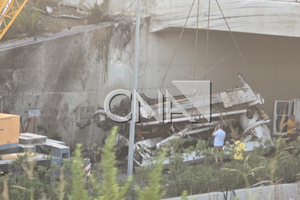
This Wednesday, around 4:00 PM, a serious accident occurre...

Tirana Police have shared details regarding the accident t...

On Thursday, our country will be under the influence of st...
A serious accident that occurred this Wednesday with the c...

The Institute of Geosciences has shared a forecast for wea...
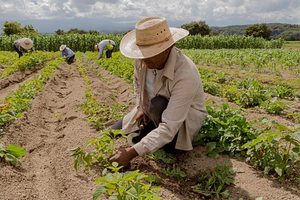
Rising energy and fertilizer prices are expected to contin...
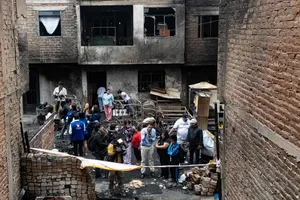
At least 10 people have died after a fire broke out in a h...
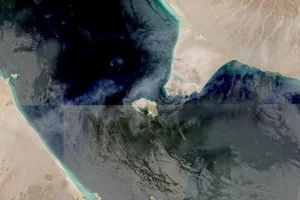
Yemen's Houthis have claimed to have attacked two Saudi oi...

The trial of ousted Venezuelan President Nicolas Maduro on...

US President Donald Trump has issued another warning to Ir...

At a time when industrial products are increasingly taking...

Trust among people is not just a three-syllable word. It c...

Master of humor Todi Llupi has passed away at the age of 7...

The ninth edition of "MIK Festival" kicked off with one of...
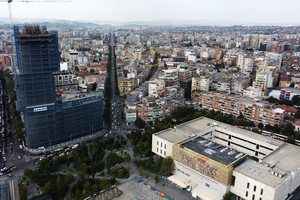
The average sale price of apartments in Tirana reaches rec...

This Thursday, one US dollar is bought for 81.5 lek and so...
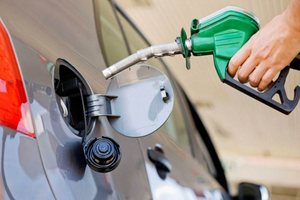
The price of diesel reached 206 lek per liter from 198 lek...

Businesses will no longer be required to simply register t...