

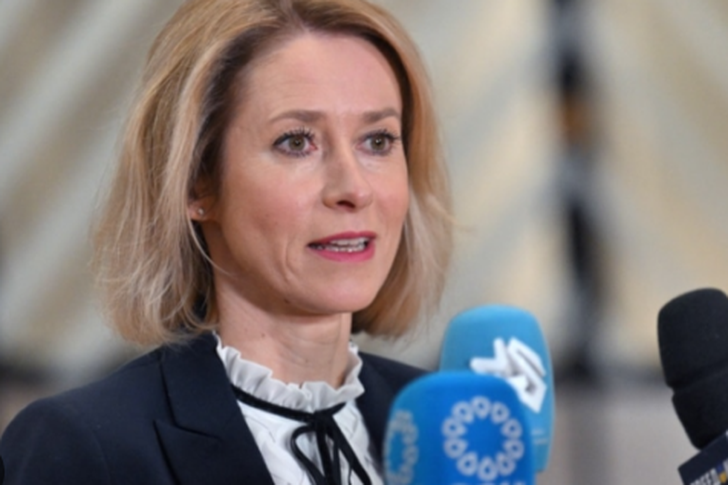
Kallas: EU increased defense spending after Trump's phone call
The EU has listened to President Trump and is doing more t...


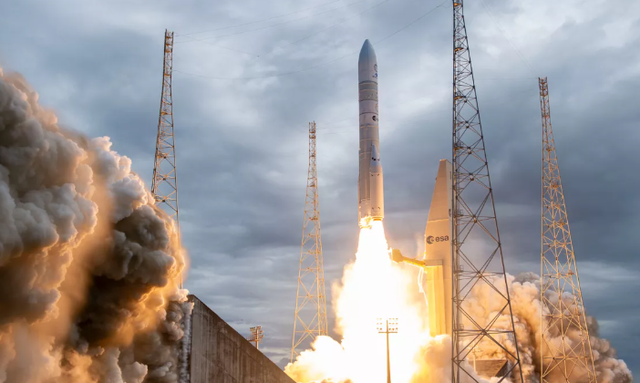
The initiative comes at a time when Europe risks falling further behind global competitors such as the US and China. It will apply to EU and non-EU operators, excluding military activities, and provides support for small and medium-sized enterprises.
The EU Commission aims to create a competitive single market for space services and data by cutting red tape, protecting space assets and ensuring a level playing field for all businesses, in a new EU Space Act proposed on Wednesday.
“The Space Act will allow us to grow in space,” EU Commissioner for Defence and Space, Andrius Kubilius, told reporters. “Growth in space means growth and jobs on Earth and in space,” he added.
The regulation also aims to address Europe's fragmented space rules by harmonizing national measures to make the bloc's space market cleaner, safer and more resilient.
"This fragmentation is bad for business, bad for competitiveness, bad for our future in space," Kubilius argued, emphasizing that Europe wants a stronger role in the global space economy.
In 2023, the global space economy was valued at 572 billion euros and is expected to grow by around 9% per year until 2035, potentially reaching 1.6 trillion euros.
However, until now, the space market has depended mainly on public investments and institutional programs, an area where Europe risks falling behind.
According to the European Space Agency (ESA), Europe accounted for 11% of global public space funding in 2023 (12 billion euros), while the US contributed 64% (over 65 billion euros) and China 12%.
Europe's share of global private investment follows a similar pattern, with European investments totaling €980 million compared to €3.6 billion invested by the US.
To support the development of Europe's industrial and economic presence in space, the EU executive on Wednesday also presented "A Vision for the European Space Economy," a communication outlining 40 proposed measures aimed at helping the bloc expand its participation in the global space market.
“European industry, although highly competitive, can only capture one-third of the accessible upstream market and one-fifth of the downstream market,” a senior EU official said ahead of the proposal.
The space economy is usually divided into three main areas: the upstream segment, which covers research, development, production and launches; the downstream segment, focused on applications that use space-based technologies; and a derived market, which includes all economic activities that benefit from space advances, such as photovoltaic panels.
Kubilius also warned that space is becoming increasingly congested and contested. “It is time to establish rules of the road for space to prevent damage and disasters and to protect space services,” he said.
Over the next decade, around 50,000 new satellites and around 140 million pieces of debris will enter orbit, according to EU figures.
Space assets are increasingly exposed to threats, both intentional and accidental. Kubilius noted the rise of cyber and physical risks.
"We know there is constant radio frequency interference in our systems, jamming and spoofing. We know there are a lot of cyber attacks. So, with our Space Act, we will increase the resiliency of our satellites and space operations," he said.
If adopted, the regulation will apply to EU and national space assets, as well as to non-EU operators providing services on the European market. However, it will not cover military activities.
To ease the transition, the Commission plans to provide support to help businesses - especially small and medium-sized enterprises - manage any costs associated with compliance.
MEP Christophe Grudler (FR/REN), co-chair of Parliament's cross-sectoral group on sky and space, welcomed the proposal as an important first step towards building an EU-scale space industry. "This, together with the future EU Space Programme, will put the EU in orbit for the global space race," he said in a press release.
The Space Act also includes steps to increase the EU's presence in the satellite launcher market, which is currently dominated by Elon Musk's SpaceX. One measure would make a single launch authorisation valid across the EU.
"This is a strong signal to encourage innovation and strengthen the competitiveness of the European space sector, which we want to see grow," concluded Grudler./ CNA

The EU has listened to President Trump and is doing more t...
US President Donald Trump mentioned Kosovo and Serbia duri...
Ukrainian President Volodymyr Zelensky described his meeti...

Airlines will not be allowed to charge passengers addition...
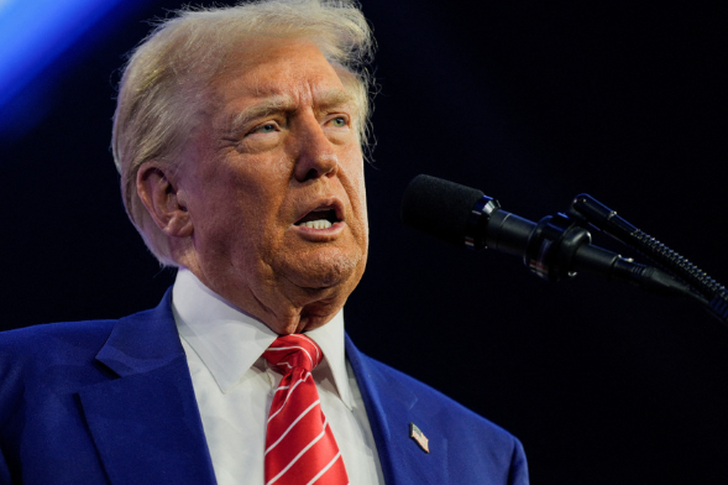
United States President Donald Trump said today that it is...
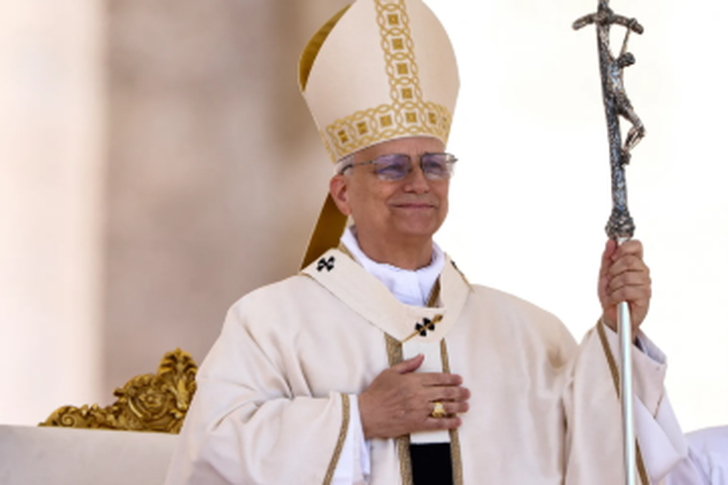
During Wednesday's General Audience, Pope Leo XIV recalled...
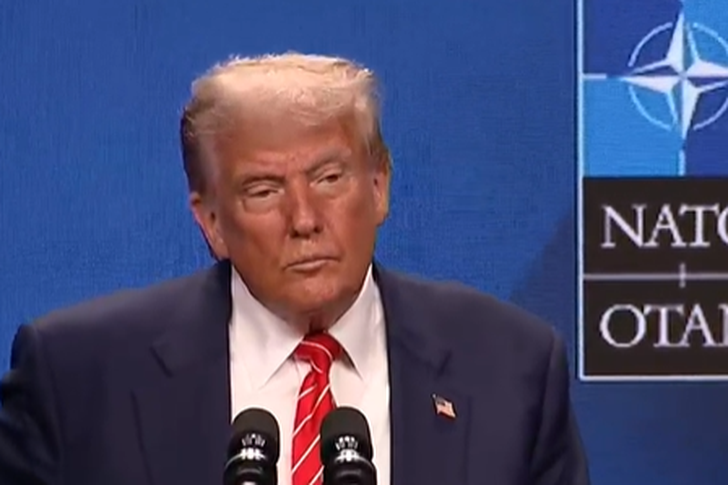
US President Donald Trump, during his speech at a conferen...
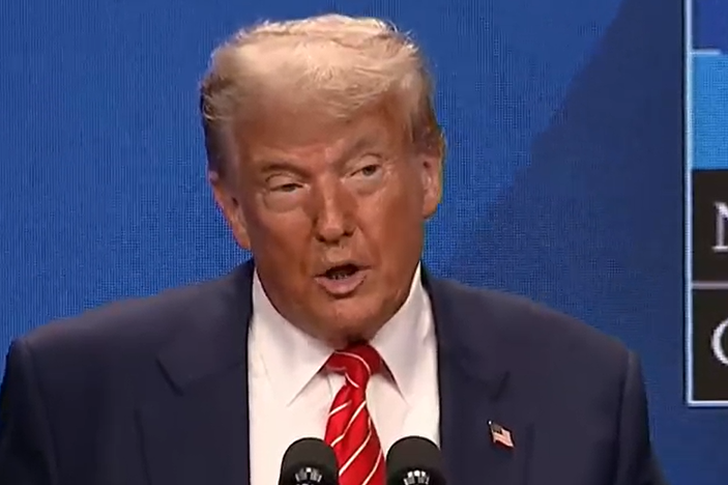
US President Donald Trump has begun his press conference a...
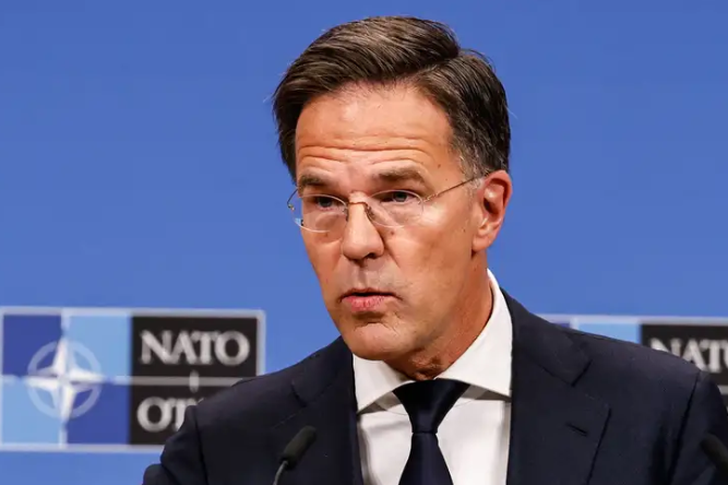
NATO chief Mark Rutte delivered a speech at today's Summit...
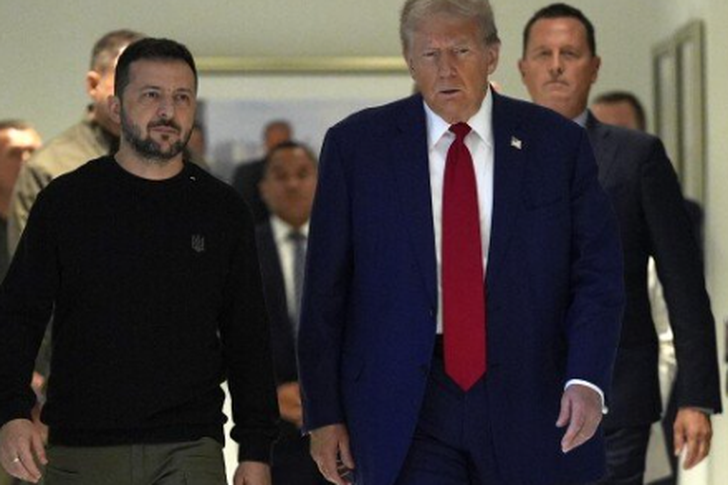
Ukrainian President Volodymyr Zelensky has begun a meeting...
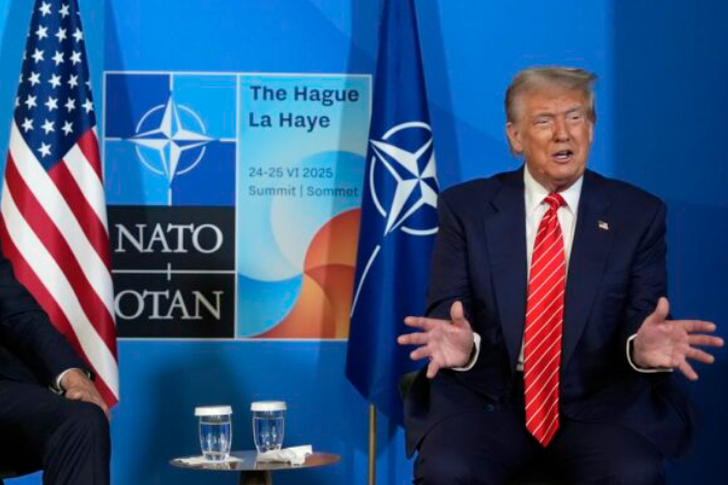
NATO Secretary General Mark Rutte has expressed appreciati...

Switzerland will begin exploratory talks with the European...
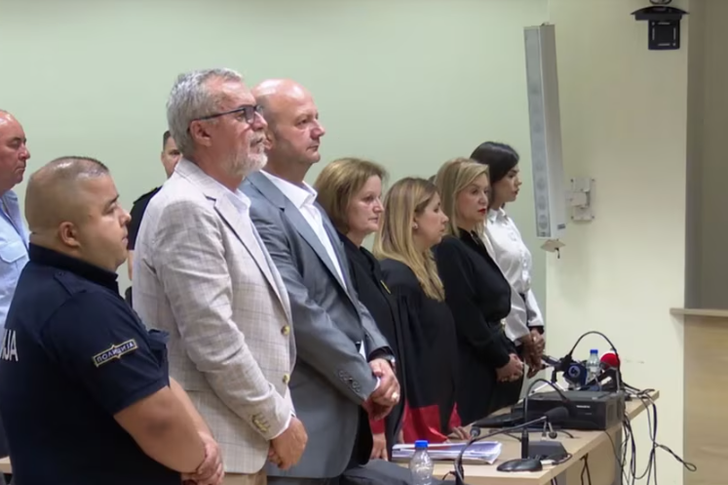
Skopje Criminal Court Judge Ivica Stefanovski today senten...

A Russian ballistic missile attack on Dnipro hit several c...
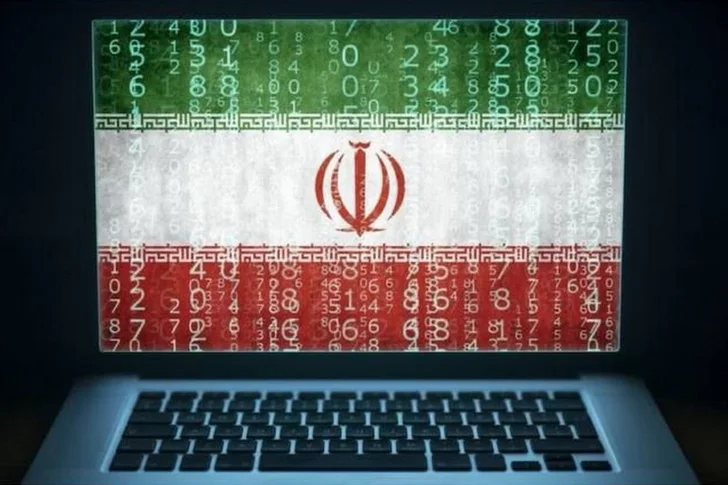
The internet in Iran has returned to its "previous state,"...
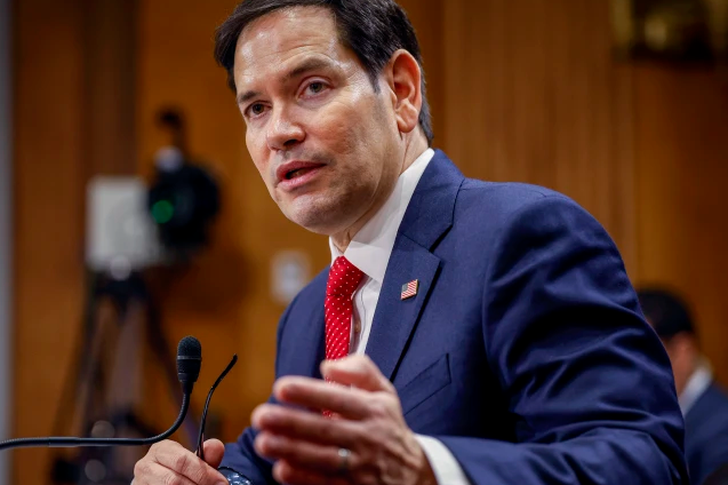
US Secretary of State Marco Rubio stated at a meeting of t...
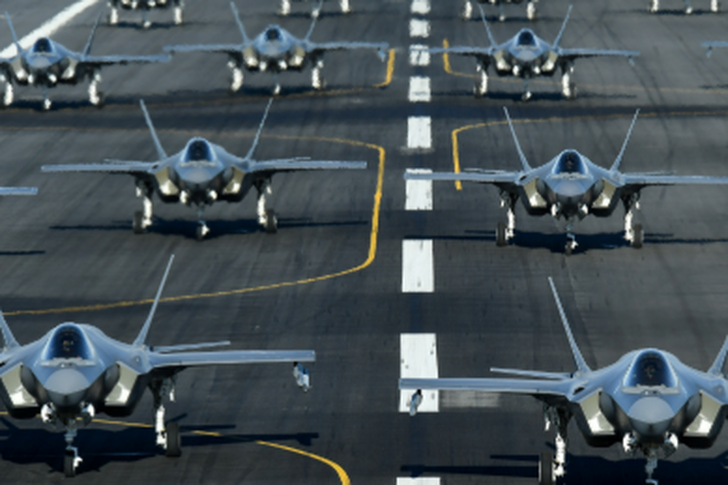
The United Kingdom will buy 12 F-35A fighter jets that can...
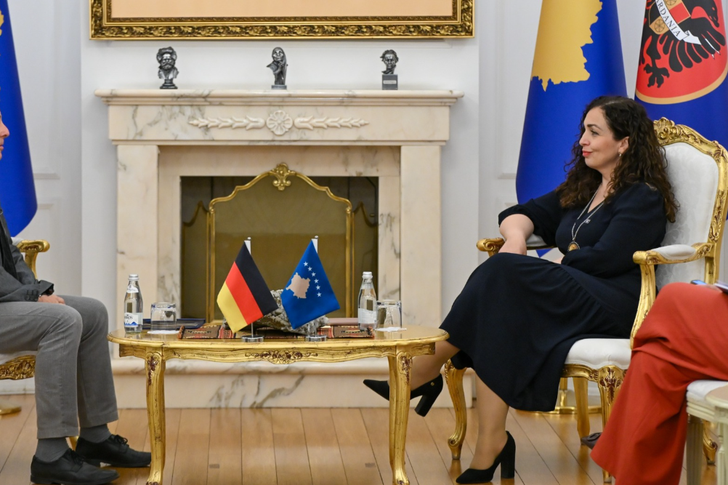
The President of Kosovo, Vjosa Osmani, received in a meeti...
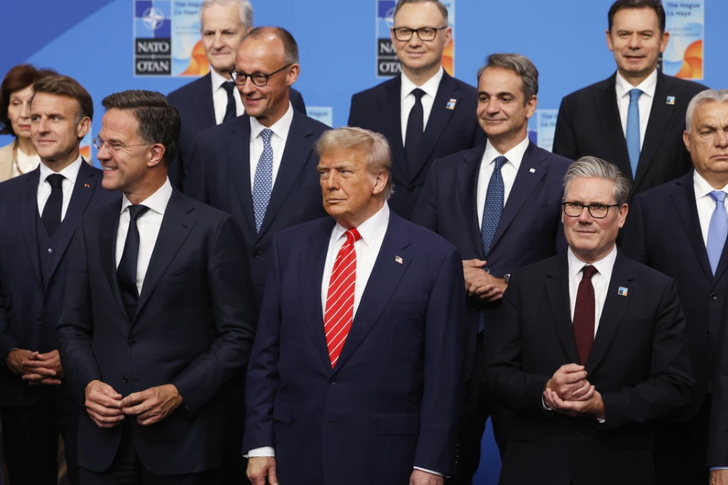
NATO leaders gathered in The Hague for a historic two-day ...
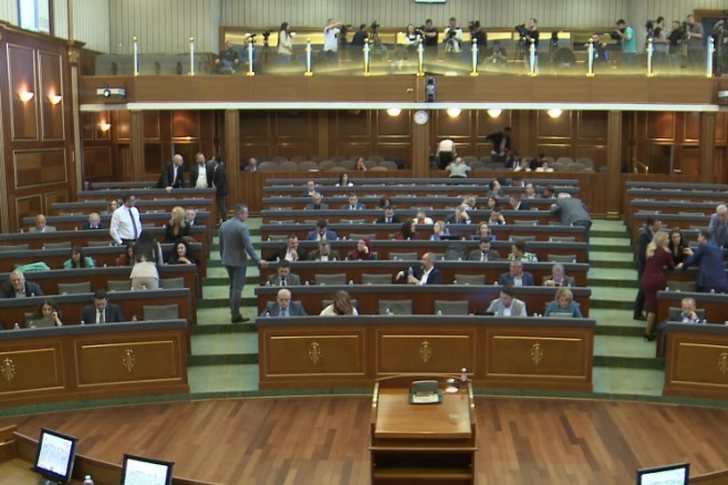
The constitution of the Kosovo Assembly has failed for the...

CNA has launched another investigation that could lead to ...

Irfan Hysenbelliu is a businessman that we call "Irfan the...

In March 2026, CNA launched another investigation centered...
The arrested mayor of Tirana, Erion Veliaj, with 13 charge...

The Special Board of Appeal (KPA) decided this Monday ...

The KPA vetting decided this Thursday to dismiss the p...

Suela Salavaçi, a prosecutor in the Prosecutor's Offic...

The Special Board of Appeal reinstated the prosecutor ...

Footage emerges from the serious accident that occurred th...

A Shkodra traffic police officer was hit with hard objects...

This Wednesday, around 4:00 PM, a serious accident occurre...

Tirana Police have shared details regarding the accident t...

On Thursday, our country will be under the influence of st...
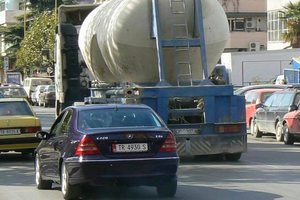
A serious accident that occurred this Wednesday with the c...

The Institute of Geosciences has shared a forecast for wea...

Rising energy and fertilizer prices are expected to contin...

Artificial intelligence (AI) models from the American comp...

At least 10 people have died after a fire broke out in a h...
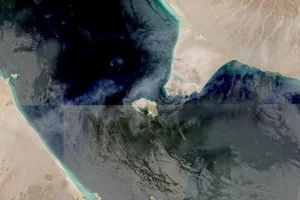
Yemen's Houthis have claimed to have attacked two Saudi oi...

The trial of ousted Venezuelan President Nicolas Maduro on...

At a time when industrial products are increasingly taking...

Trust among people is not just a three-syllable word. It c...

Master of humor Todi Llupi has passed away at the age of 7...

The ninth edition of "MIK Festival" kicked off with one of...

The average sale price of apartments in Tirana reaches rec...
This Thursday, one US dollar is bought for 81.5 lek and so...
The price of diesel reached 206 lek per liter from 198 lek...

Businesses will no longer be required to simply register t...