


Armë, kokainë dhe cannabis në zonat bregdetare/ Arrestohen dy persona
Policia e Vlorës ka finalizuar operacionin e koduar “Sigur...

Policia e Vlorës ka finalizuar operacionin e koduar “Sigur...

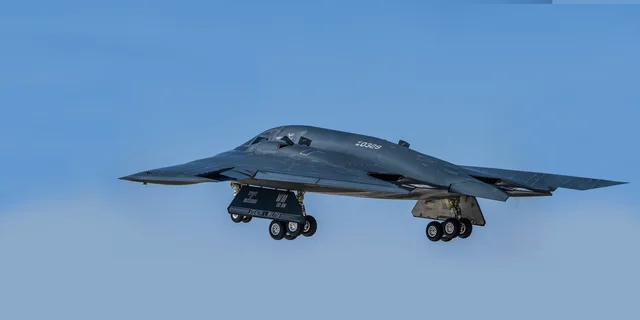
With the ability to refuel in flight, the B-2 Spirit bomber's flight time is limited only by the physical endurance of its pilots.
During the 37-hour mission to strike Iran's nuclear facilities on June 22, this human limit was pushed to the extreme.
"B-2 bomber pilots can lie down and take a nap. However, they can rest in a small space behind the pilots' seats, on a metal surface, which is not comfortable," a spokesman for Whiteman Air Force Base, Missouri, where these bombers are stationed, told Radio Free Europe.
The Air Force spokesman also said that "the plane produces its own oxygen - that is, it extracts it from the atmosphere - which results in almost no humidity inside the plane, which in turn requires pilots to be constantly hydrated, although they still face problems such as dry skin and chapped skin."
The B-2 was created by the US during the Cold War as a bomber capable of carrying nuclear weapons and being invisible to thousands of Soviet radar stations, as well as evading the country's powerful fleet of aircraft and surface-to-air missiles.
The B-2 bomber's "flying wing" design, top-secret radar-absorbing materials, and other advanced technologies make the 52-meter-wide bomber look like a large insect on radar. The bomber's first flight was in July 1989.
Lieutenant General Mark E. Weatherington is the deputy commander of the U.S. Air Force's Global Air Strike Command. He told Radio Free Europe/Radio Liberty that one of the most stressful aspects of a long-range mission like Operation Midnight Hammer, the strikes on Iran, is refueling in flight from another tanker aircraft. A B-2 must refuel every six hours. "Airborne refueling is extremely important, and if it's dark, cloudy or turbulent, this operation requires a lot of concentration," he said.
Pilots have said that when they complete the delicate refueling operation, which requires about 30 minutes of intense concentration, they become drenched in sweat.
And there are no showers or changing rooms on this bomber. B-2 bomber crews wear seat belts and life jackets over their flight suits, which would make changing clothes a very complicated process during a combat mission.
Minimum crew size
Feeding the people inside the B-2 bomber is a less intensive process.
The B-2 bomber is equipped with a microwave and pilots take their favorite foods with them.
"We work with pilots to offer suggestions on what and when to eat, but everyone brings what they want," Weatherington said, adding, "hydration is key on such a long mission."
The B-2 is designed to seat a crew of up to three, but is typically flown by just two pilots, one of whom also serves as the mission commander.
This small crew size is partly to keep costs down. Specialized personnel are one of the most expensive components of advanced weapons systems, and the B-2 has been criticized for its high price tag from the start. Each B-2 costs about $2 billion, and 21 of the bombers have been built so far.
Sleep training
One of the drawbacks of flying with such a small crew is that pilots have very little time to rest.
General Weatherington said that B-2 pilots selected for a combat mission spend several days working with an “aeronautical physiologist” to adjust their sleep schedule to that of the mission ahead. However, he added: “How much and how well pilots sleep depends on the individual.”
It is not known exactly when sleep training for B-2 bomber pilots began, but it may have happened after the war in Kosovo, when American aviators reported feeling so full of adrenaline due to the tension of combat that they were exhausted but unable to sleep even during long missions.
B-2 pilots who have participated in previous combat missions have also used amphetamine pills to stay awake.
After several refueling stops and occasional breaks during the secret flight to Tehran, the most tense moment for the pilots was the strikes themselves, according to General Weatherington.
"Implementing the mission in the targeted area is probably the most stressful part of this case," he stated.
With seven B-2 bombers dropping 14 powerful bunker-busting bombs on a country that has previously shot down US drones, "operating almost independently in the targeted area, but synchronized to achieve results, makes this an extremely demanding mission," Weatherington added./ REL

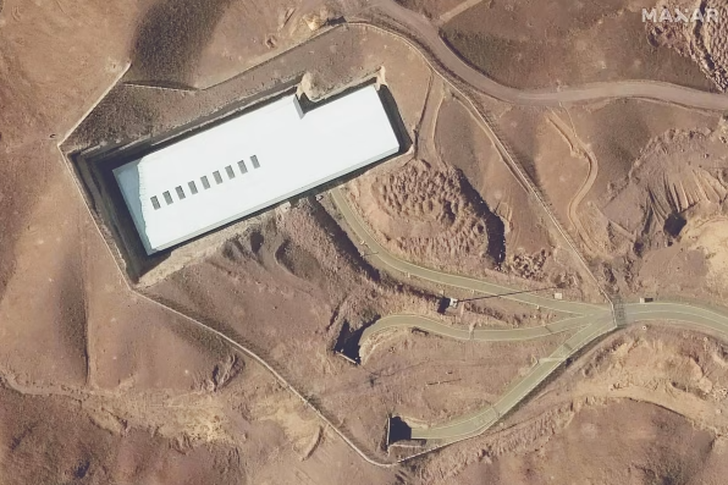
CIA chief John Ratcliffe has said US strikes "severely dam...
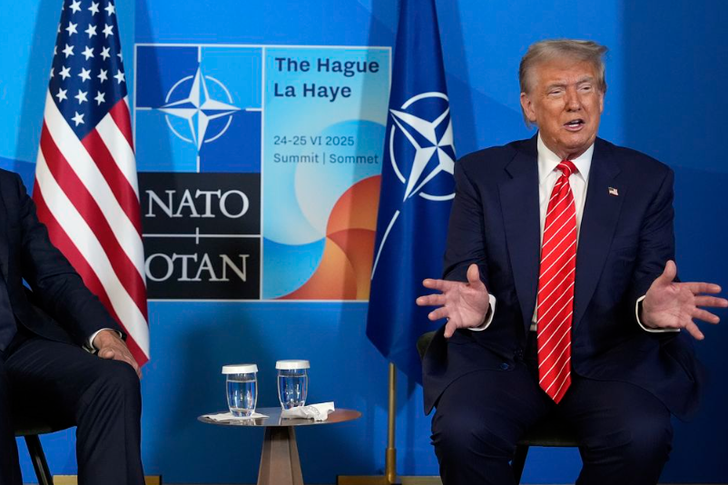
NATO Secretary-General Mark Rutte denied calling President...

Ministri i Mbrojtjes i Iranit, Aziz Nasirzadeh, mbërriti n...
Turkish President Recep Tayyip Erdogan told leaders at a N...

Balkan countries are facing high temperatures, with temper...

For the Netherlands, this was the largest security operati...
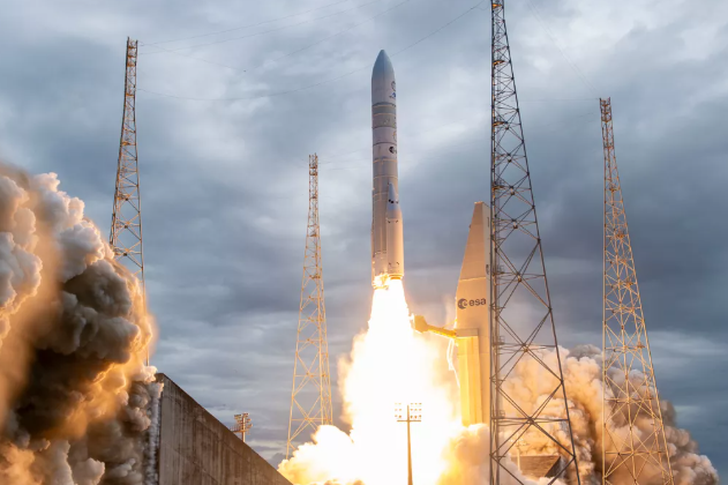
The initiative comes at a time when Europe risks falling f...
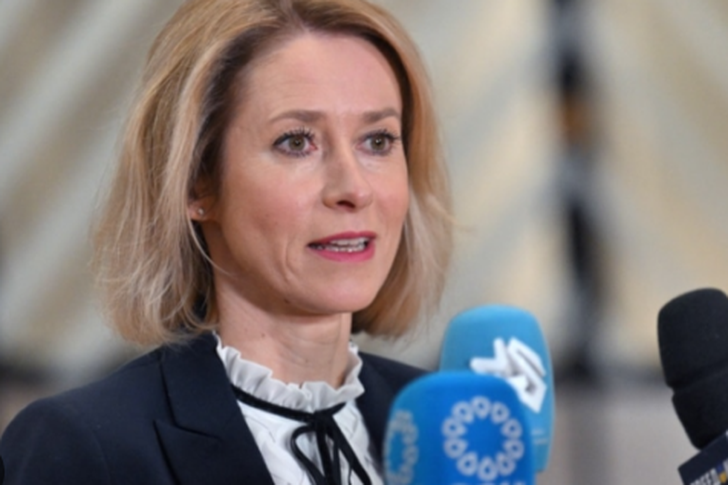
The EU has listened to President Trump and is doing more t...

US President Donald Trump mentioned Kosovo and Serbia duri...
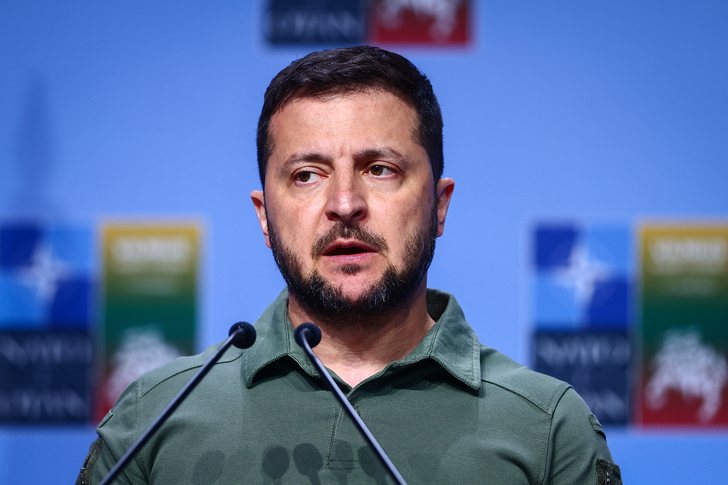
Ukrainian President Volodymyr Zelensky described his meeti...

Airlines will not be allowed to charge passengers addition...

United States President Donald Trump said today that it is...

During Wednesday's General Audience, Pope Leo XIV recalled...

US President Donald Trump, during his speech at a conferen...

US President Donald Trump has begun his press conference a...

NATO chief Mark Rutte delivered a speech at today's Summit...

Ukrainian President Volodymyr Zelensky has begun a meeting...
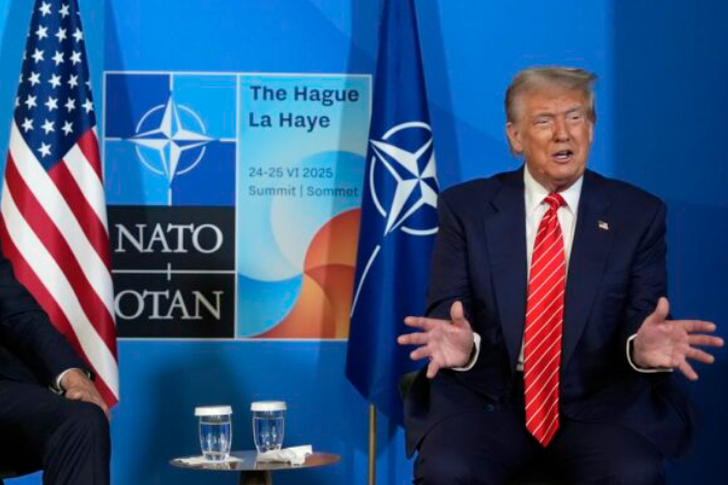
NATO Secretary General Mark Rutte has expressed appreciati...
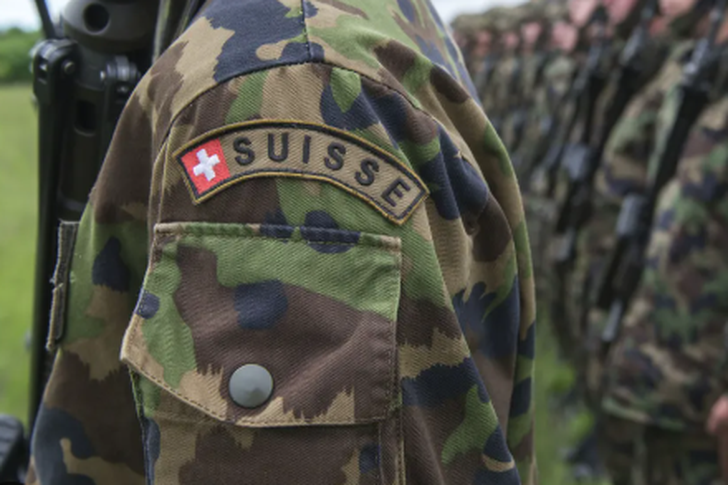
Switzerland will begin exploratory talks with the European...

Skopje Criminal Court Judge Ivica Stefanovski today senten...

There have been 12 days of protests in the capital, which ...
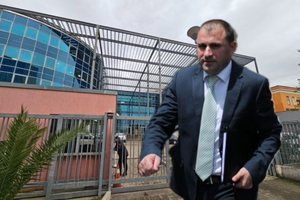
Dritan Prençi is the SPAK prosecutor who is sleeping on th...

The in-depth investigations that SPAK conducted into Ajola...
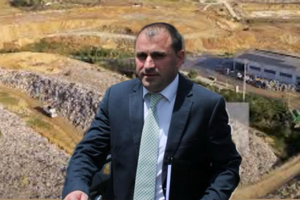
SPAK's standards, the way it investigates, how it secures ...

The Special Board of Appeal (KPA) decided this Monday ...

The KPA vetting decided this Thursday to dismiss the p...

Suela Salavaçi, a prosecutor in the Prosecutor's Offic...

The Special Board of Appeal reinstated the prosecutor ...

Policia e Vlorës ka finalizuar operacionin e koduar “Sigur...

New details have emerged regarding the serious accident th...
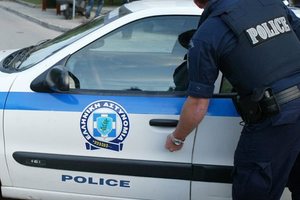
An Albanian businessman was arrested this afternoon in Gre...
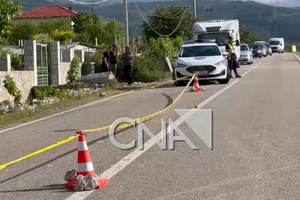
A serious accident has occurred on the Korça-Ersekë axis, ...

Today our country will be affected by stable weather condi...

A tragic accident occurred this Friday afternoon in Kameni...

Today our country will be affected by unstable weather con...

On Thursday, our country will be affected by relatively un...
Good news for those who fly: After years of negotiations, ...

It took more than two years, but now the EU can begin acce...
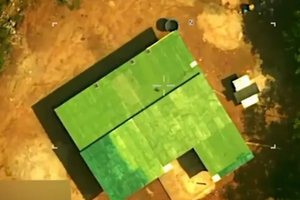
US President Donald Trump announced that the US military h...
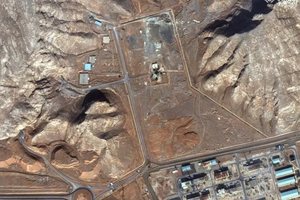
Iran has taken new measures to strengthen the protection o...
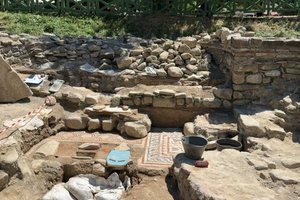
Several archaeological excavations conducted during this s...

At the Museum of Fine Arts in Chambéry, France, an exhibit...

Korça has transformed this weekend into the capital of cel...

Korça is ready to open the summer season with one of the c...

This Saturday, one US dollar is bought for 81.5 lek and so...
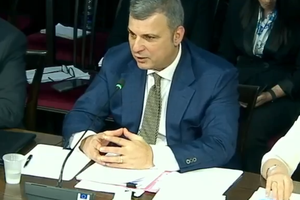
The Governor of the Bank of Albania, Gent Sejko, shared to...

Business lending has increased in the first half of this y...

The labor market has shown worrying trends in early 2026. ...