

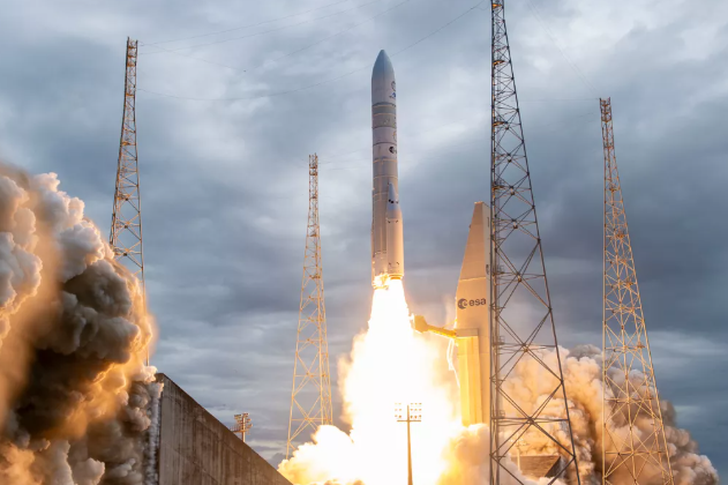
EU aims to create a competitive single market for space services
The initiative comes at a time when Europe risks falling f...


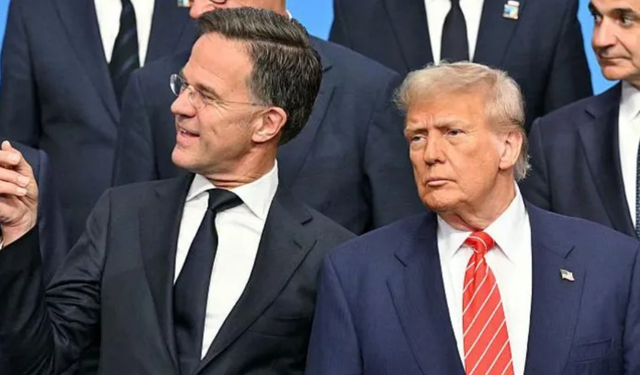
For the Netherlands, this was the largest security operation in its history; for the 32 NATO member states, the Hague summit was historic.
There were unexpected moments of calm between important decisions on the threat posed by Russia and the increase in defense spending to levels unseen since the Cold War.
Huge increase in defense spending
The main conclusion is the commitment of allies to a target of 5% of defense spending, to be achieved within a decade. It is a remarkable leap from the current guideline of 2%, which is currently not met by even eight of NATO's 32 members.
Only 3.5% of this figure is intended to be achieved entirely through core defense spending on troops and weapons, while the remaining 1.5% can be used for "defense-related spending."
And this is a broad enough concept that it can be applied to expenditures even if they are solely defense-related: as long as they are used to “protect our critical infrastructure, protect our networks, ensure our civil preparedness and resilience, unleash innovation, and strengthen our defense industrial base.”
Achieving the 3.5% target of core defense spending will still be a significant requirement for many NATO countries, many of which currently hover around the 2% line.
Plans to reach the 5% target will have to be submitted annually and will have to follow a “credible and gradual path.” A review will take place in 2029.
One for all and all for one
For as long as NATO has existed, its Article Five on collective defense has been a core principle that means an attack against one ally is considered an attack against all.
So when Trump suggested on the way to the summit that there were “multiple definitions” of mutual security guarantees, it was a reminder of comments he made during the election campaign last year, when he suggested that if a country didn’t pay its own expenses, “I wouldn’t protect you, I would actually encourage Moscow to do whatever it wants.”
This summit agreement seems to end any remaining concerns about Trump’s intentions because it reaffirms “our unwavering commitment to collective defense.” “I support Article Five, that’s why I’m here,” he told reporters afterward.
This assurance will be welcomed by NATO member states that are seen as under the greatest threat, but they have paid their own way anyway. And Trump has returned to Washington with a deal that means all other member states have agreed to increase their spending as well.
Trump and the Russian war
The Russia issue was always going to be complicated. Most NATO countries, especially those close to the Russian border, agree that Moscow could pose a direct threat to them in the near future; Rutte himself has said that Russia could use military force against the alliance within five years.
But Trump has taken a much softer approach to Moscow and resisted treating it as an enemy. As such, it has always been unlikely that he would endorse a statement that labeled Russia as the clear culprit for the bloody Ukraine war, which has now lasted more than three years.
So, while the statement mentions "the long-term threat that Russia poses to Euro-Atlantic security" and reaffirms the need to provide sustained support to Ukraine, there is no specific condemnation of Russia in the communiqué.
Spain accused by Trump of wanting "a free ride"
Since Volodymyr Zelensky's difficult experience in the White House last February, European leaders have tried to avoid conflicts with Donald Trump.
Spain's socialist prime minister, Pedro Sánchez, went to The Hague already mired in domestic political scandals.
Spain holds the last place on the NATO spending list with 1.24% of economic output on defense. He came to The Hague insisting that 2.1% was enough, and told reporters after signing the summit declaration that Spain considered the amount "sufficient, realistic and compatible with our social model and the welfare state."
The Spanish prime minister was noticeably cold during the "family photo," preferring to stand away from his NATO colleagues at the end. There were suggestions he had gone to great lengths to avoid Trump as well.
But Sánchez had already caught Trump's eye, and the American president was not accepting this.
"It's terrible what they've done," said Trump, who accused Madrid of asking for "a little free ride." "We're negotiating with Spain for a trade deal, but we're going to make them pay double."
Since Spain is a member of the European Union, Trump will find it difficult to do so - but Sánchez will return to Madrid isolated in NATO, as well as struggling at home.
Rutte and his problems with 'father'
No one would have been more aware of the potential dangers of this summit than NATO Secretary General Mark Rutte, who was involved in a surprising exchange with the US president, in which he called him "father."
Rutte already praised Trump in a private message for "decisive action in Iran" that "no other American president in decades could have taken."
Asked if he had overdone his flattery, Rutte said he didn't think so: "I think he deserves all the praise."/ CNA

The initiative comes at a time when Europe risks falling f...
The EU has listened to President Trump and is doing more t...
US President Donald Trump mentioned Kosovo and Serbia duri...
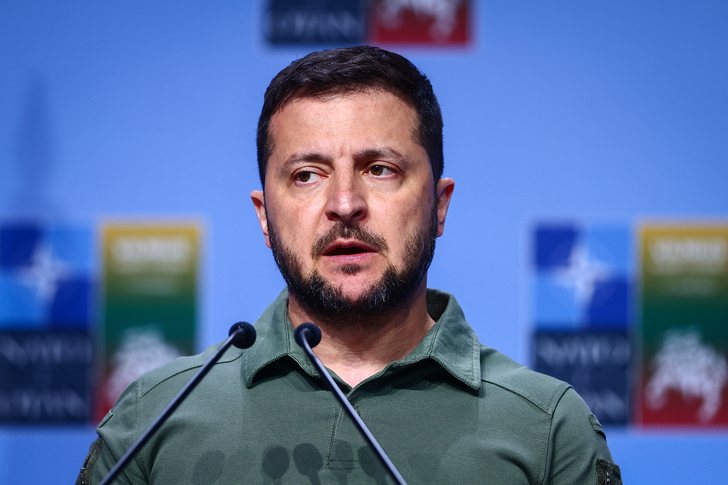
Ukrainian President Volodymyr Zelensky described his meeti...

Airlines will not be allowed to charge passengers addition...
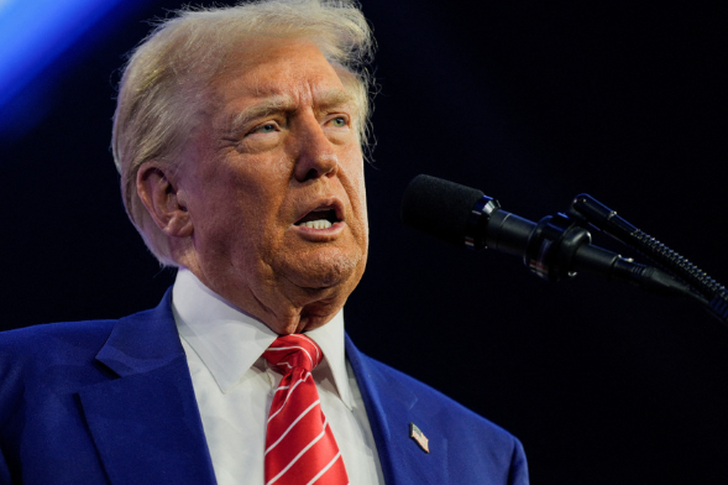
United States President Donald Trump said today that it is...
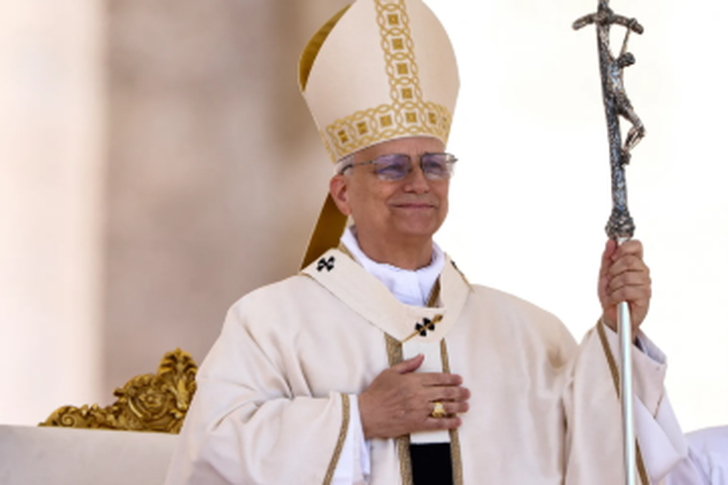
During Wednesday's General Audience, Pope Leo XIV recalled...
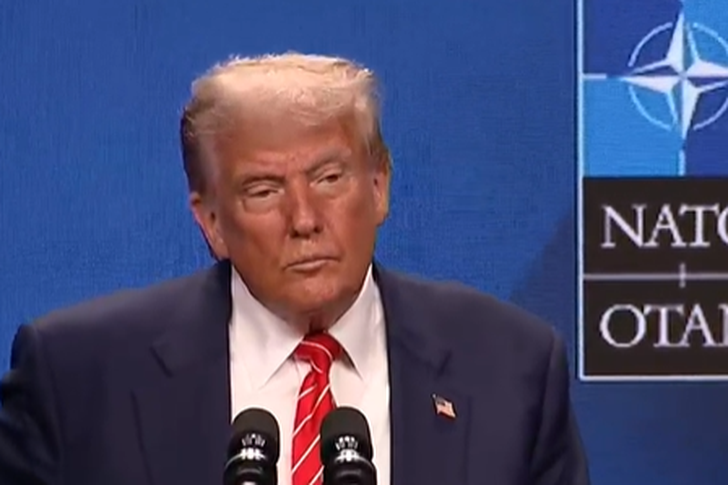
US President Donald Trump, during his speech at a conferen...
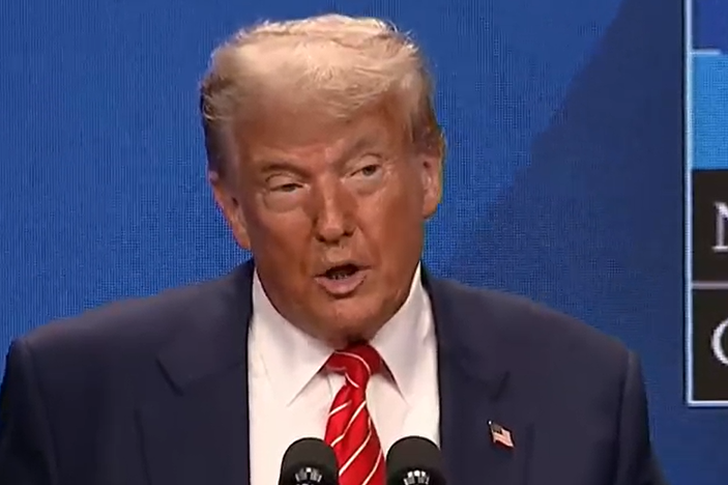
US President Donald Trump has begun his press conference a...
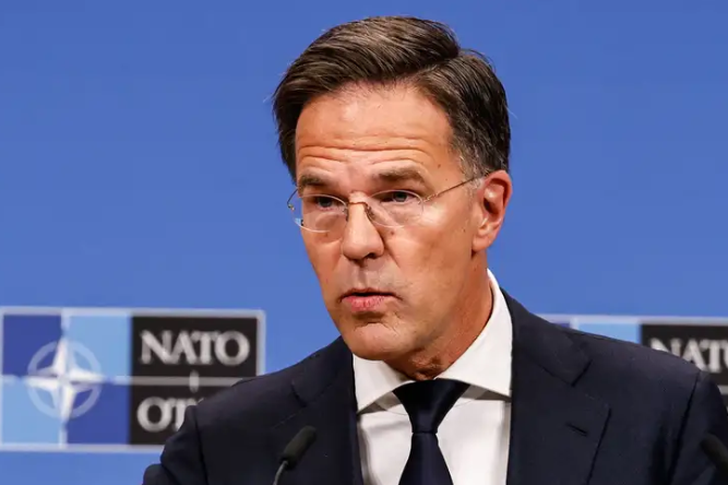
NATO chief Mark Rutte delivered a speech at today's Summit...
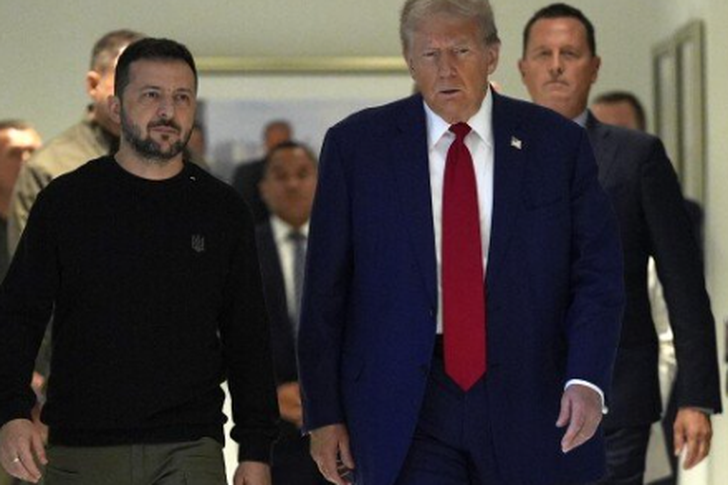
Ukrainian President Volodymyr Zelensky has begun a meeting...
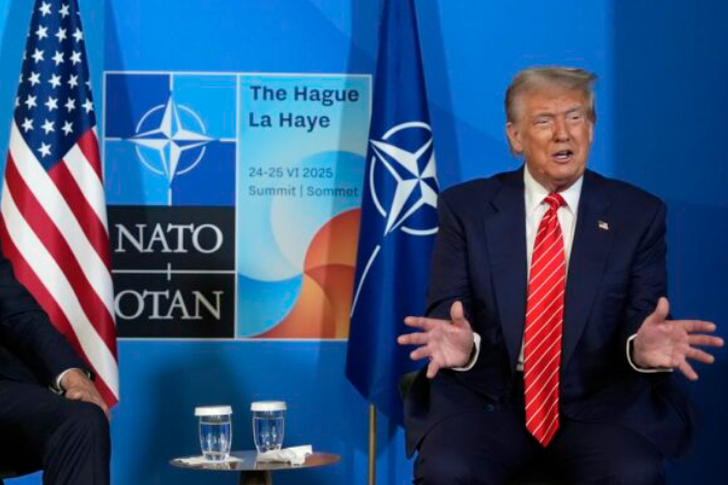
NATO Secretary General Mark Rutte has expressed appreciati...
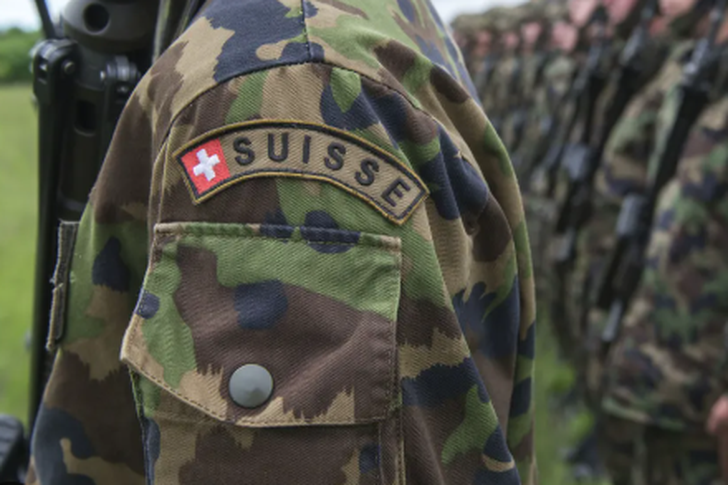
Switzerland will begin exploratory talks with the European...
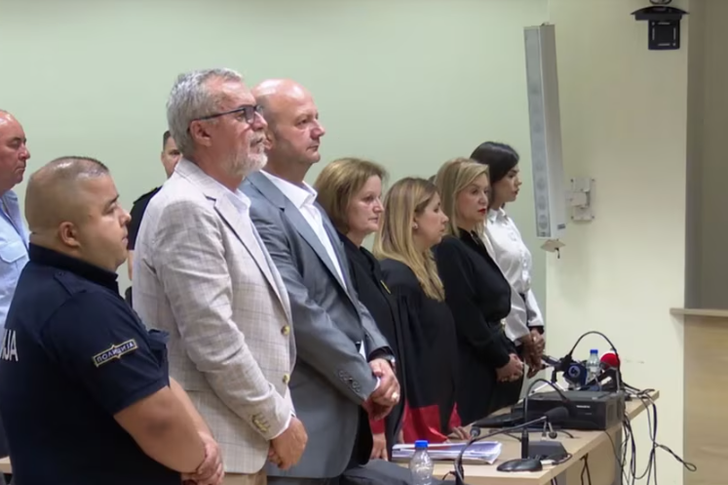
Skopje Criminal Court Judge Ivica Stefanovski today senten...
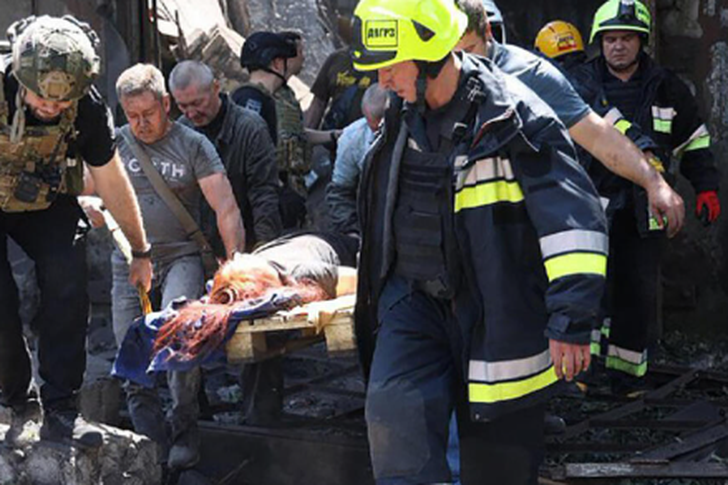
A Russian ballistic missile attack on Dnipro hit several c...
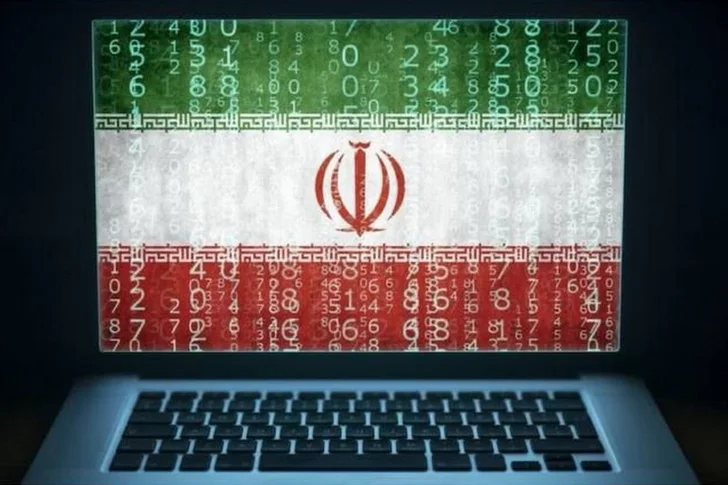
The internet in Iran has returned to its "previous state,"...
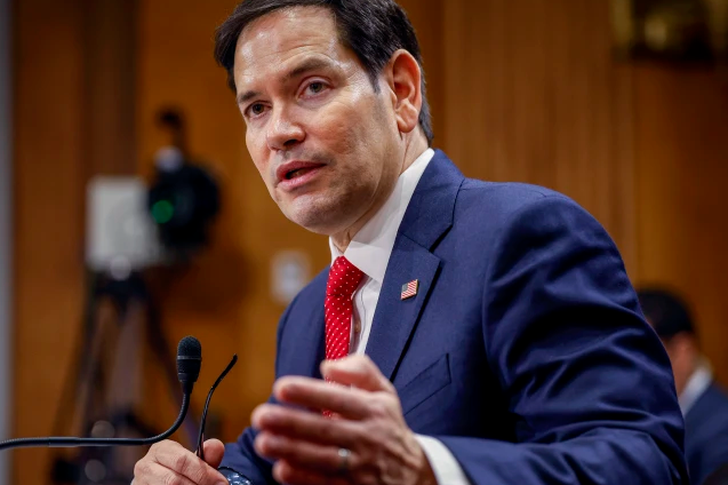
US Secretary of State Marco Rubio stated at a meeting of t...
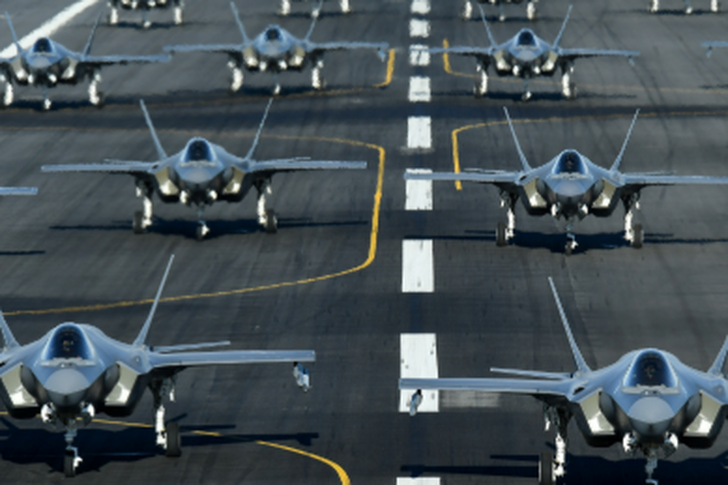
The United Kingdom will buy 12 F-35A fighter jets that can...
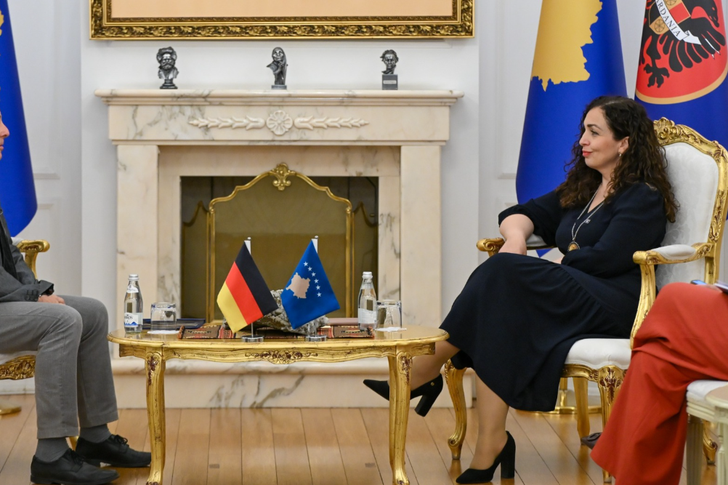
The President of Kosovo, Vjosa Osmani, received in a meeti...
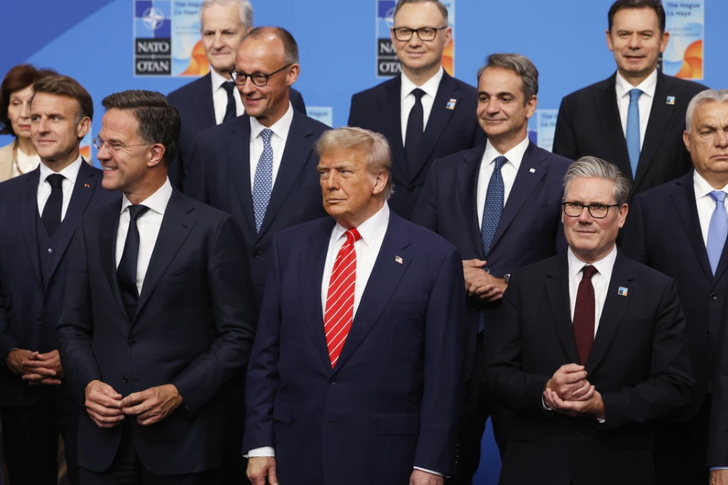
NATO leaders gathered in The Hague for a historic two-day ...

CNA has launched another investigation that could lead to ...

Irfan Hysenbelliu is a businessman that we call "Irfan the...

In March 2026, CNA launched another investigation centered...
The arrested mayor of Tirana, Erion Veliaj, with 13 charge...

The Special Board of Appeal (KPA) decided this Monday ...

The KPA vetting decided this Thursday to dismiss the p...

Suela Salavaçi, a prosecutor in the Prosecutor's Offic...

The Special Board of Appeal reinstated the prosecutor ...
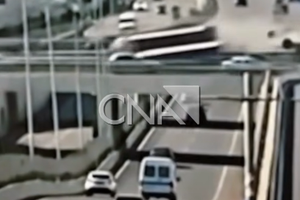
Footage emerges from the serious accident that occurred th...

A Shkodra traffic police officer was hit with hard objects...
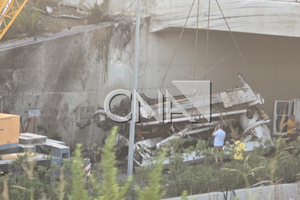
This Wednesday, around 4:00 PM, a serious accident occurre...
Tirana Police have shared details regarding the accident t...

On Thursday, our country will be under the influence of st...
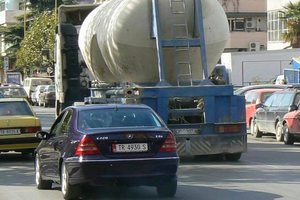
A serious accident that occurred this Wednesday with the c...

The Institute of Geosciences has shared a forecast for wea...
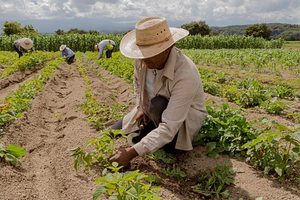
Rising energy and fertilizer prices are expected to contin...

Artificial intelligence (AI) models from the American comp...
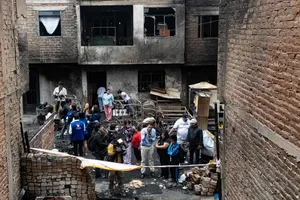
At least 10 people have died after a fire broke out in a h...
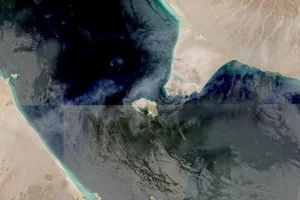
Yemen's Houthis have claimed to have attacked two Saudi oi...
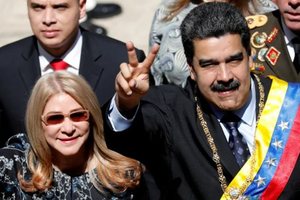
The trial of ousted Venezuelan President Nicolas Maduro on...

At a time when industrial products are increasingly taking...

Trust among people is not just a three-syllable word. It c...

Master of humor Todi Llupi has passed away at the age of 7...

The ninth edition of "MIK Festival" kicked off with one of...
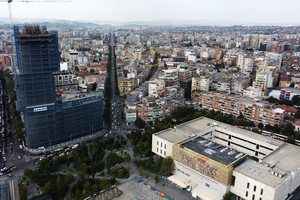
The average sale price of apartments in Tirana reaches rec...
This Thursday, one US dollar is bought for 81.5 lek and so...
The price of diesel reached 206 lek per liter from 198 lek...

Businesses will no longer be required to simply register t...