


Gulf War Heightens Fears of Energy Crisis
Iranian attacks on regional refineries and gas facilities,...



According to Eurostat, 45.4% of young people in North Macedonia use artificial intelligence programs. Experts warn of long-term consequences for critical thinking, academic integrity and privacy.
Artificial intelligence is rapidly entering university classrooms in North Macedonia. From essays and seminar papers to exam preparation, programs like ChatGPT are becoming part of everyday academic life. But while students talk about saving time and increasing productivity, experts warn of long-term consequences for critical thinking, academic integrity and privacy.
Growing adoption, unclear rules
According to Eurostat data, 45.4% of young people in North Macedonia, aged 16–24, use artificial intelligence programs, a significant percentage, although below the European average.
A practical study conducted by DW with students of the "Mother Teresa" University in Skopje, through three focus groups, shows that use is already routine: most of them use Artificial Intelligence regularly (3-4 times a week), some occasionally, and only one student says he uses it rarely.
Students say they use it to structure topics or essays, translate and edit texts, reformulate to improve the texts they write, organize ideas, and prepare for exams.
Some also use it for image generation and leisure. Students cite the following benefits: time savings, greater structural clarity, and increased productivity.
However, the use of AI is developing in a terrain with unclear academic regulations.
The Dangers: From "hallucinations" to cognitive atrophy
Students' biggest concern is inaccurate information: 81% of them consider this as the main risk, followed by dependence on technology (57%) and the standardization of ideas (48%).
Alexander Manasiev, president of the Center for Media Innovations "NarrativAI", sees AI as a tool with great pedagogical potential, but with serious limitations: "Research suggests that some students use tools like ChatGPT to fully or partially generate essays and papers. Although this seems tempting, the danger is real. One of the biggest problems is 'hallucinations', when AI models create fictitious information, fictitious quotes or non-existent sources, directly endangering academic integrity."
The danger, according to university professor and media expert Agron Kurtishi, is even deeper: "Students are delegating thinking to technology. This leads to cognitive atrophy, a decline in mental abilities that is usually observed in the brains of older people. If students use AI to tell them the answer, they stop thinking for themselves and with it the ability to think critically declines."
Kurtishi also raises the issue of privacy: "Every use of AI creates data about the user. Over time, the system builds a complete 'album' of information. In a way, AI can know more about us than we know about ourselves."
Between control and opportunity
Experts emphasize that AI cannot and should not replace the role of the teacher. The University of Oxford recommends that AI tools be used to support learning and not as a substitute for reasoning.
The students themselves are not asking for a ban on the use of AI, but for clear academic rules and guidelines for essays and projects, as well as training on the ethical use of AI.
Manasiev emphasizes the need for institutional policies: "Institutions need to set a clear path. Currently, technology is used before rules are set."
An aid, not a replacement for the mind
The dilemma is not whether AI will be used or not, because it is already being used. The question is how.
If integrated with clear rules, ethical education, and an emphasis on critical thinking, Artificial Intelligence can become a useful tool for productivity and creativity. Otherwise, it risks producing addiction, uniformity of thought, and weakening of intellectual capacities.
The challenge for universities in North Macedonia is not to stop technology, but to integrate AI knowledge into the teaching process in a structured way. Because in the digital age, the ability to think remains the most important competence and no algorithm can completely replace it./ DW

Iranian attacks on regional refineries and gas facilities,...

US lawmakers voted on Wednesday, March 4, against a war po...

The General Staff of the Iranian Armed Forces has issued a...

Iran fired several missiles toward Israel in the early hou...

US President Donald Trump at a roundtable at the White Hou...

White House spokeswoman Caroline Levitt said in a briefing...
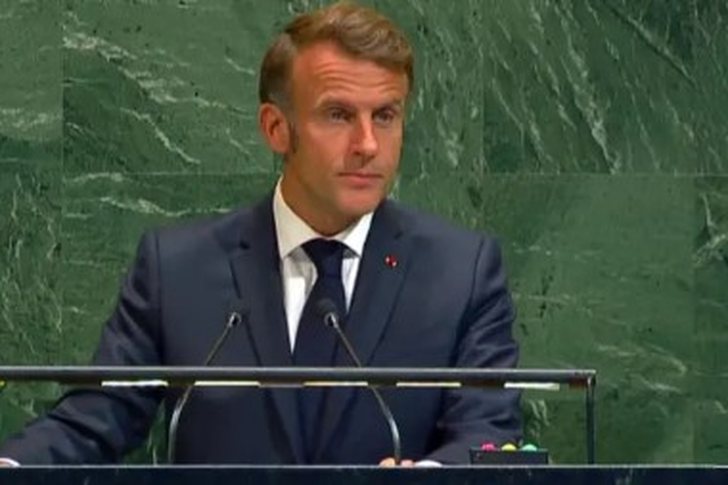
French President Emmanuel Macron said he spoke with Israel...
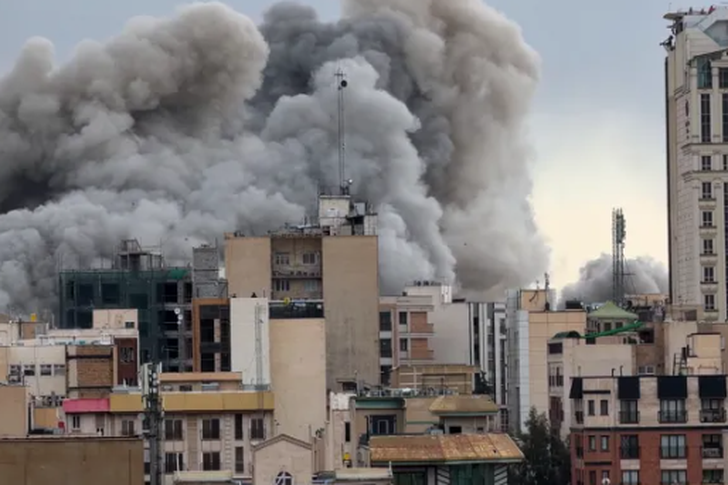
Agents from Iran's Ministry of Intelligence have signaled ...
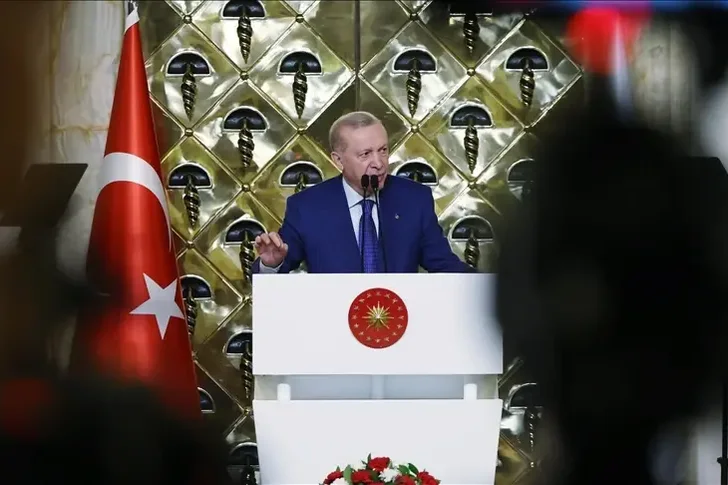
President Recep Tayyip Erdogan vowed on Wednesday that Ank...
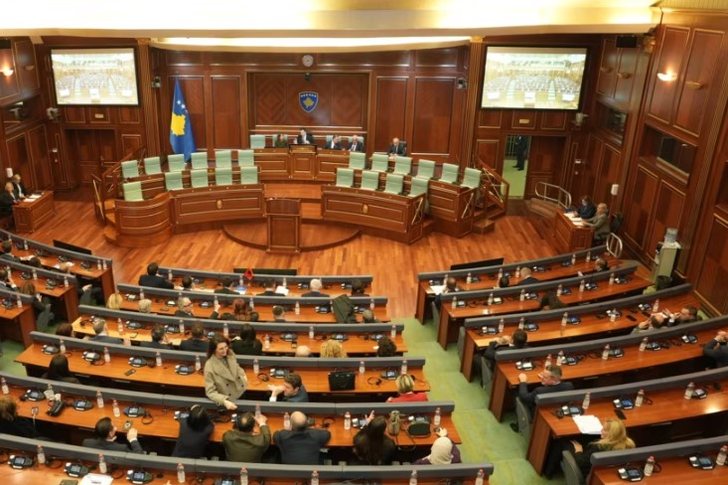
The Kosovo Assembly session to elect the president has fai...
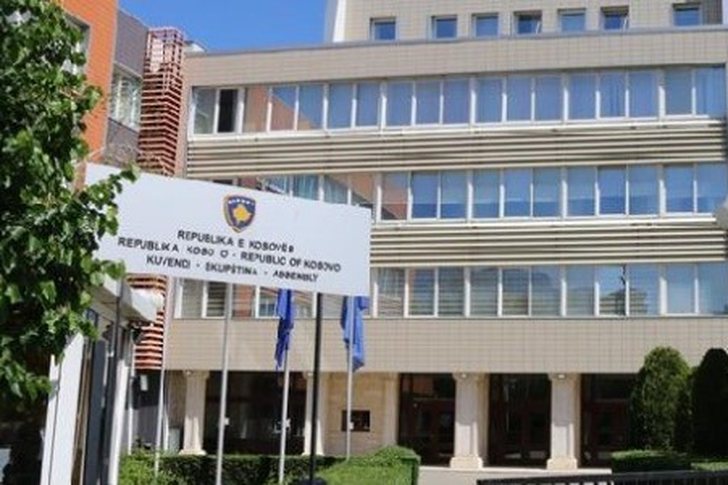
The Democratic League of Kosovo has reacted after the prop...
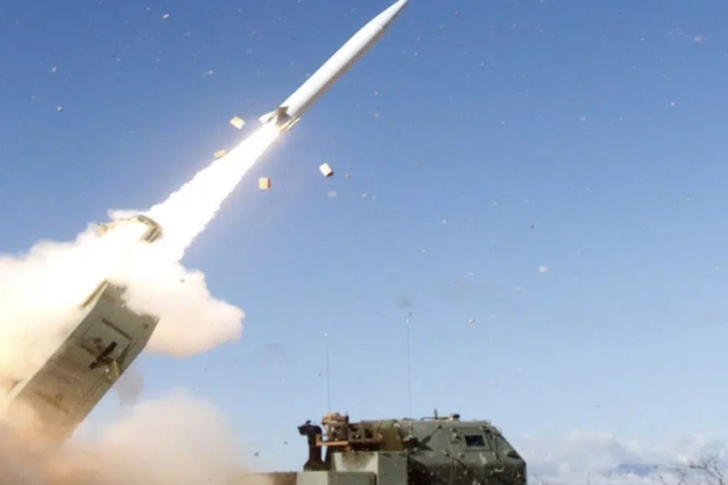
Foreign military experts have identified new Tomahawk Crui...

An Israeli military official says they understood at the p...
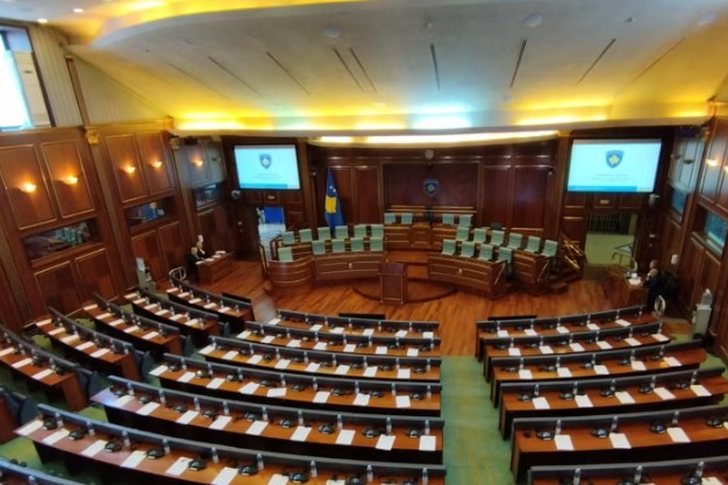
Prime Minister Albin Kurti's Vetëvendosje Movement has nom...
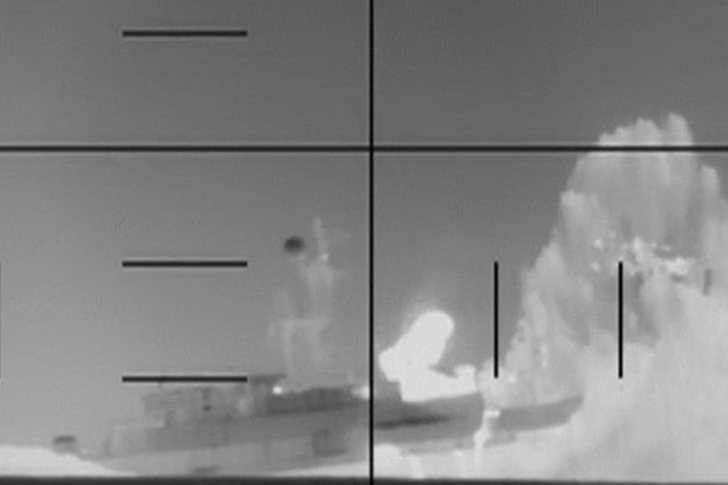
The Israeli air force claimed to have dropped 5,000 bombs ...

One of three men arrested on suspicion of spying for China...
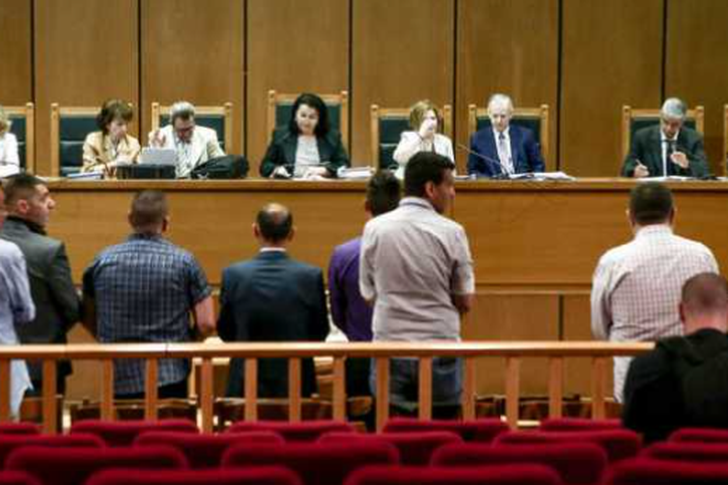
The Athens Court of Appeal for Serious Crimes confirmed th...

Kosovo imposed safeguard measures on fuel prices on Wednes...

Iran has postponed the state funeral of supreme leader Aya...
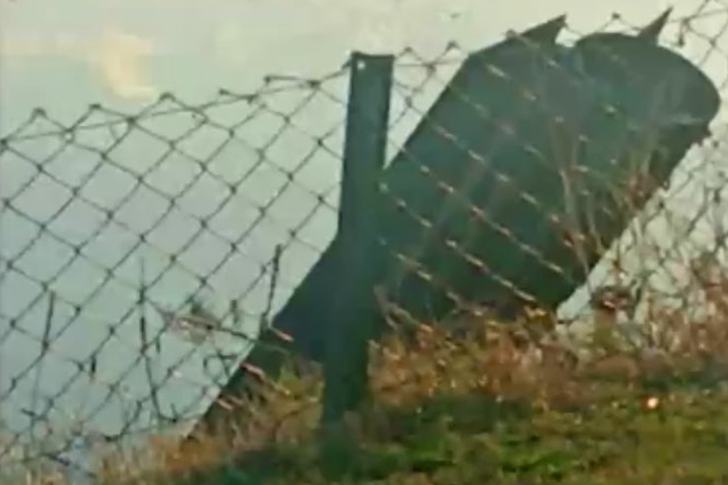
Turkey has expressed its anger at Iran after it launched a...

CNA has launched another investigation that could lead to ...

Irfan Hysenbelliu is a businessman that we call "Irfan the...

In March 2026, CNA launched another investigation centered...
The arrested mayor of Tirana, Erion Veliaj, with 13 charge...

The Special Board of Appeal (KPA) decided this Monday ...

The KPA vetting decided this Thursday to dismiss the p...

Suela Salavaçi, a prosecutor in the Prosecutor's Offic...

The Special Board of Appeal reinstated the prosecutor ...
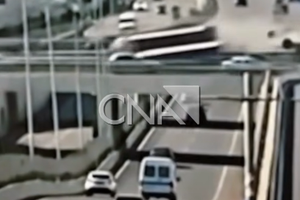
Footage emerges from the serious accident that occurred th...

A Shkodra traffic police officer was hit with hard objects...
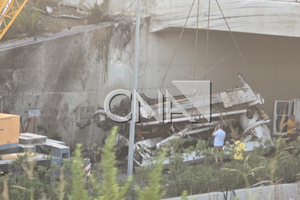
This Wednesday, around 4:00 PM, a serious accident occurre...

Tirana Police have shared details regarding the accident t...

On Thursday, our country will be under the influence of st...
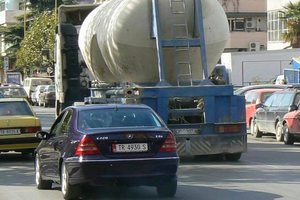
A serious accident that occurred this Wednesday with the c...

The Institute of Geosciences has shared a forecast for wea...

Rising energy and fertilizer prices are expected to contin...

Artificial intelligence (AI) models from the American comp...
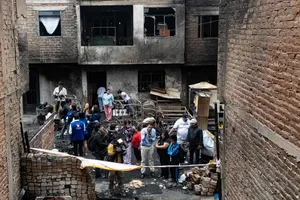
At least 10 people have died after a fire broke out in a h...

Yemen's Houthis have claimed to have attacked two Saudi oi...

The trial of ousted Venezuelan President Nicolas Maduro on...

At a time when industrial products are increasingly taking...

Trust among people is not just a three-syllable word. It c...

Master of humor Todi Llupi has passed away at the age of 7...

The ninth edition of "MIK Festival" kicked off with one of...
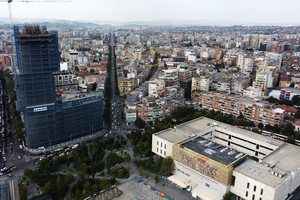
The average sale price of apartments in Tirana reaches rec...

This Thursday, one US dollar is bought for 81.5 lek and so...

The price of diesel reached 206 lek per liter from 198 lek...

Businesses will no longer be required to simply register t...