

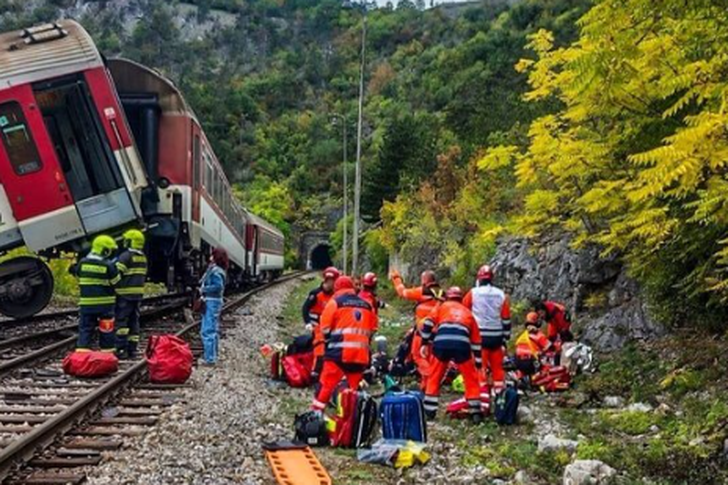
Two trains collide in Slovakia / 800 people on board, over 100 injured
Over 100 people were injured as two trains collided with e...


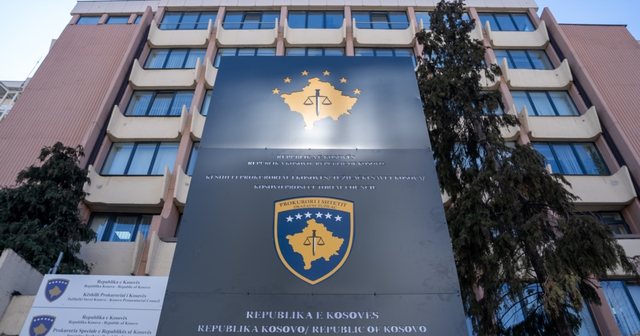
The Basic Court in Pristina has extended the detention of Fatmir Sheholli, who is suspected of espionage against the state, for another two months.
Mirlinda Gashi, a spokeswoman for this court, told Radio Free Europe on Monday that the judge accepted the prosecutors' request to keep Sheholli in custody while authorities conduct investigations against him.
Sheholli was arrested in early October in Pristina and, so far, the prosecution has not provided many details about him or who he is suspected of spying for.
However, on the day of his arrest, the acting Interior Minister, Xhelal Sveçla, hinted that he may have been spying for Serbia.
"We remain committed to defending our country from all circles that do not hesitate to endanger it for any of their own gains. The time of Serbia's spies in Kosovo is over," Sveçla wrote on Facebook after his arrest in October.
Sveçla had said that Sheholli enjoyed "unlimited space" in Kosovo's media, and that he had "collaborated with actors who work and act every day to undermine our Republic and its progress."
Recently, authorities in Kosovo have arrested, charged, and tried Serbs and Albanians on suspicion of spying for Serbia's intelligence services.
In June, a court in Pristina sentenced Aleksandar Vllajic to five years in prison after he pleaded guilty to charges of being involved in espionage as a member of the Serbian Intelligence and Security Agency (BIA).
Two other suspects, Bedri Shabani and Muharrem Qerimi, are being tried for espionage for Serbia at the Basic Court in Pristina.
They have pleaded not guilty to charges that they had provided information to the Serbian BIA about several security institutions in Kosovo, the KLA and the Recak massacre.
In another case, Serbian woman Jelena Djukanovic is also on trial, accused of spying for Serbian intelligence. She has denied the charges.
In Kosovo, espionage is defined as the secret activities of collecting, transmitting, or distributing sensitive information to another state, organization, or group.
According to the Criminal Code of Kosovo, espionage is considered a serious crime and is punishable by at least five years in prison, if the suspect is found guilty.
Experts have said that espionage is a serious threat to Kosovo's security, and the recent arrests only highlight the ongoing danger.
According to them, this activity not only destabilizes the country internally, but also damages its international standing.
Former Chief Inspector of the Kosovo Intelligence Agency (KIA), Burim Ramadani, considers espionage as one of the main threats to national security in the country. /REL

Over 100 people were injured as two trains collided with e...
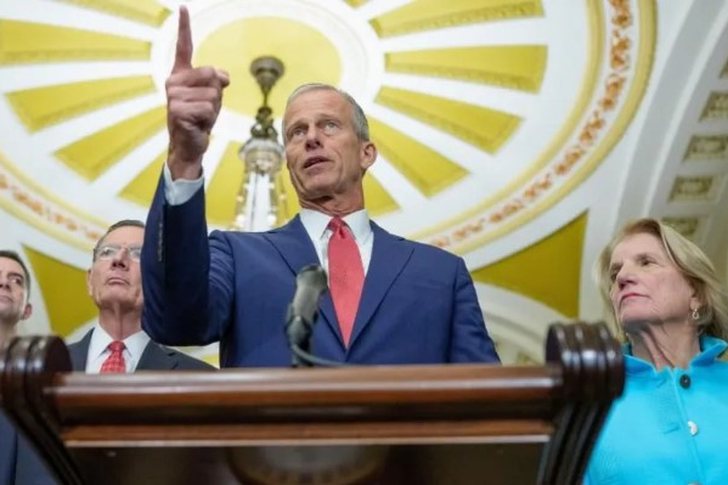
A deal aimed at ending the US government shutdown has been...
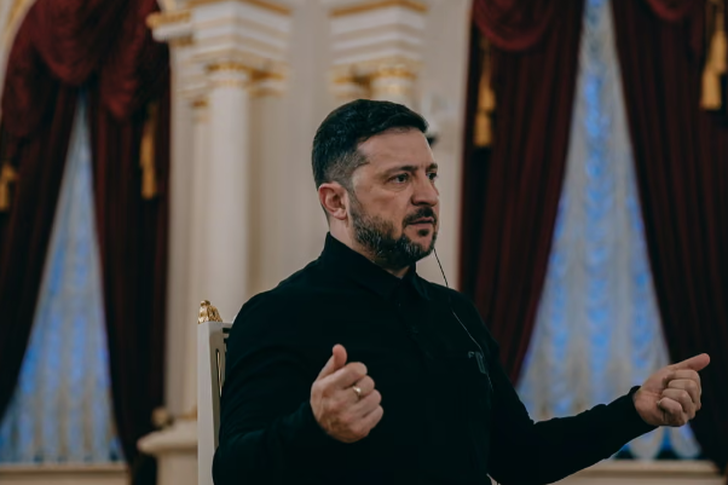
Ukrainian President Volodymyr Zelensky once again emphasiz...

US senators have approved a deal that could end the longes...
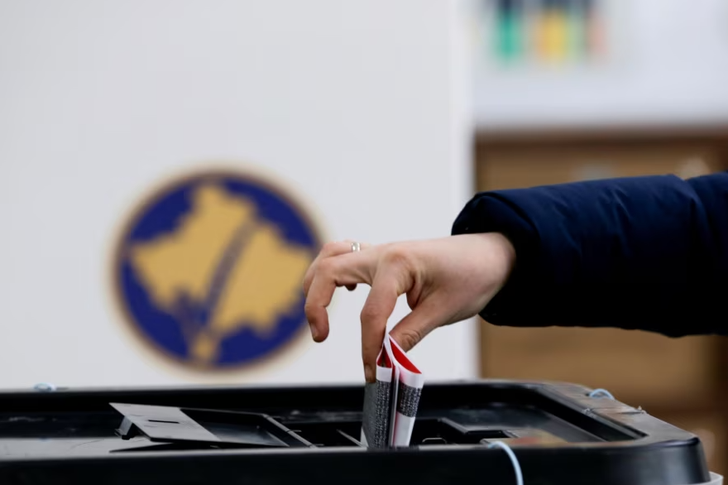
The counting has been completed in the last municipalities...
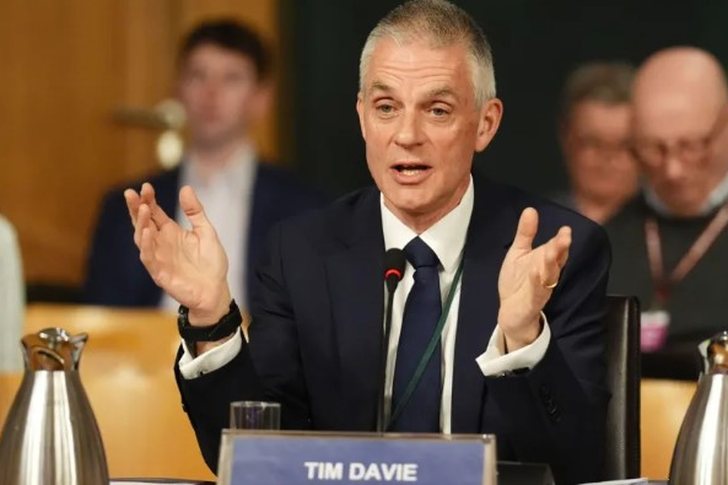
BBC Director General Tim Davie and Director of News Debora...
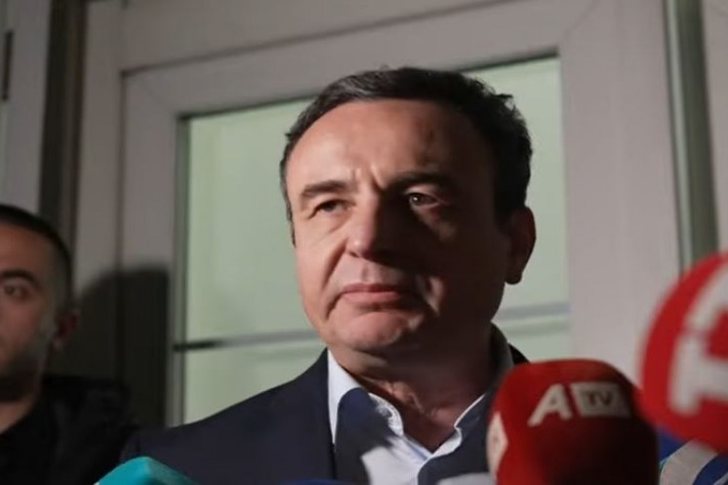
The acting Prime Minister of Kosovo, and also the leader o...
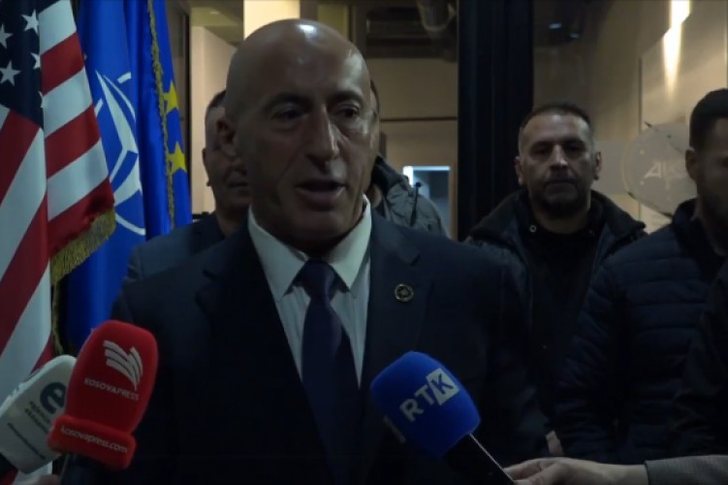
The leader of the Alliance for the Future of Kosovo, Ramus...
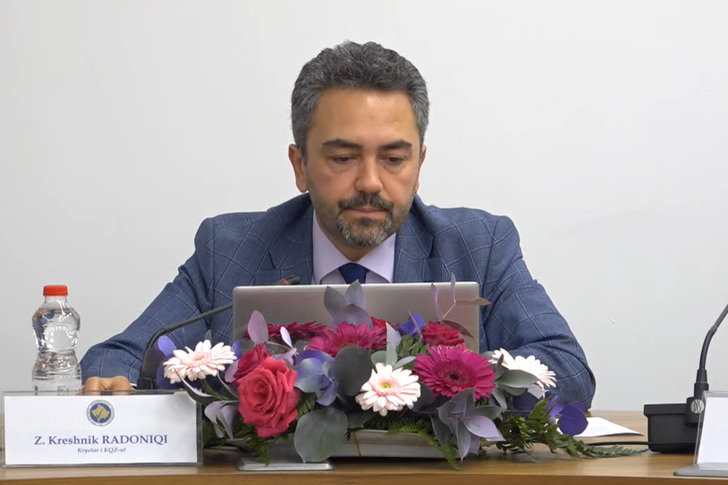
The Chairman of the Central Election Commission in Kosovo,...
The vote counting process has been completed in several of...

BBC Director General Tim Davie and News Chief Executive De...

The leader of the Democratic League of Kosovo, Lumir Abdix...
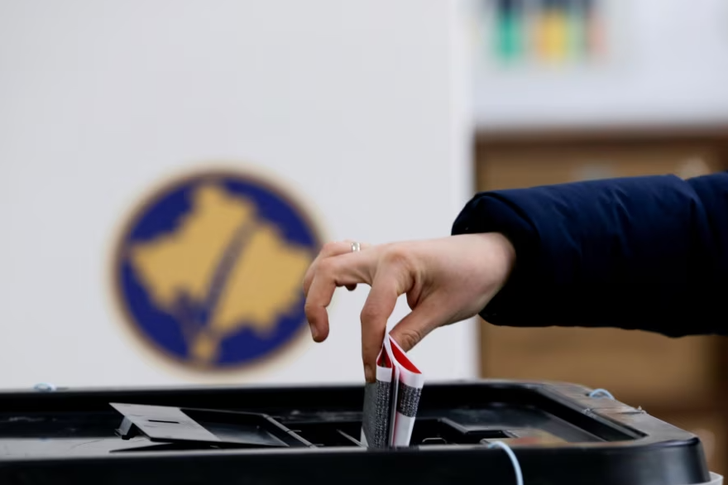
Kosovo held the second round of local elections today, in ...
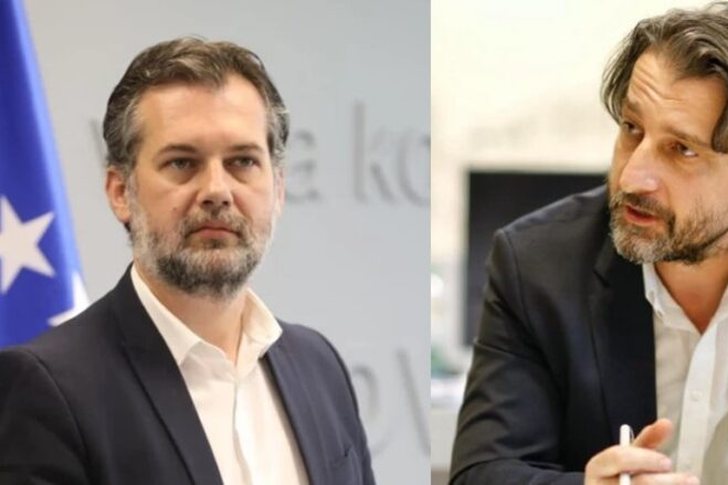
The vote counting process has begun in Kosovo after the co...
The vote counting process has been completed in the munici...
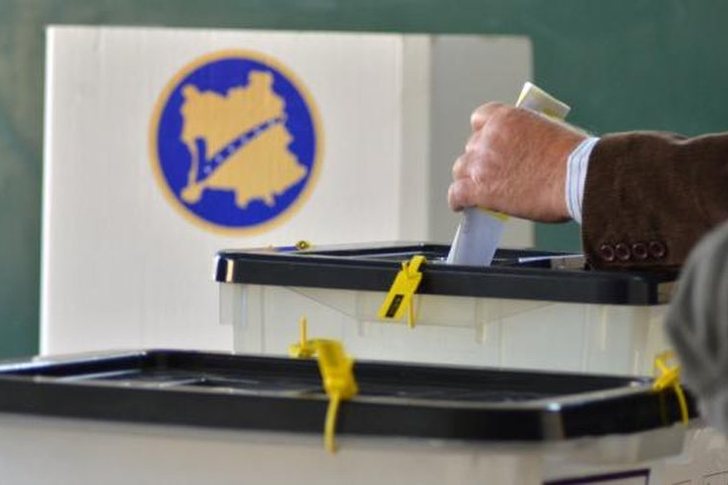
The voting process has closed in 18 municipalities of Koso...
Based on 93.03 percent of polling stations processed, the ...
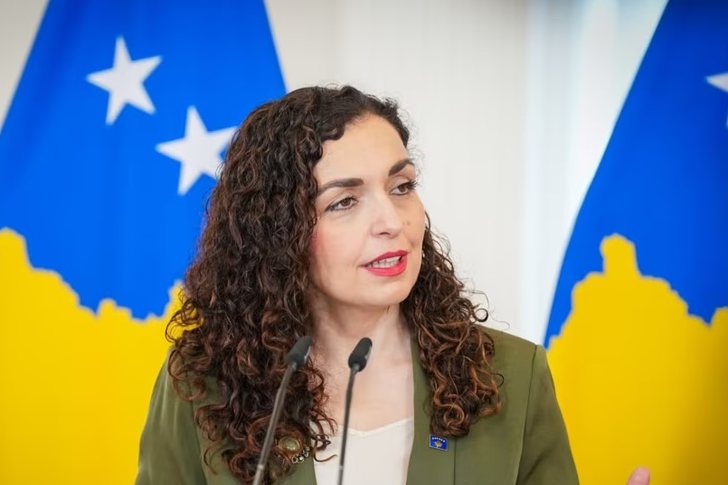
Kosovo President Vjosa Osmani reacted today as mayoral run...
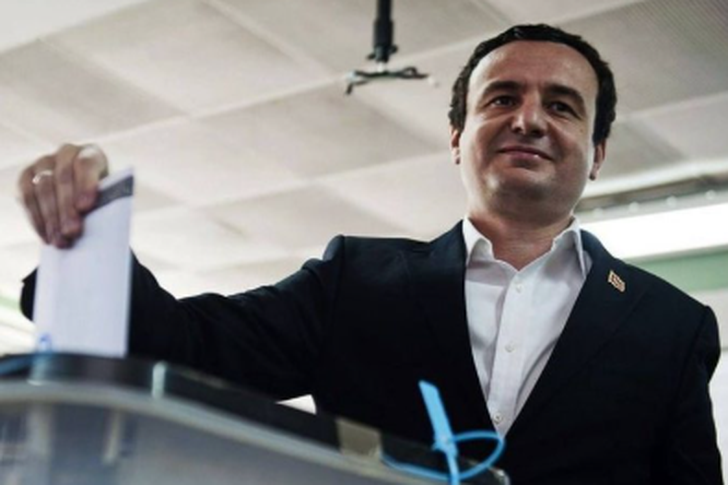
Kosovo Prime Minister Albin Kurti has called on all citize...
Elections are also being held in Kosovo this Sunday, with ...

CNA has launched another investigation that could lead to ...

Irfan Hysenbelliu is a businessman that we call "Irfan the...

In March 2026, CNA launched another investigation centered...
The arrested mayor of Tirana, Erion Veliaj, with 13 charge...

The Special Board of Appeal (KPA) decided this Monday ...

The KPA vetting decided this Thursday to dismiss the p...

Suela Salavaçi, a prosecutor in the Prosecutor's Offic...

The Special Board of Appeal reinstated the prosecutor ...

Footage emerges from the serious accident that occurred th...
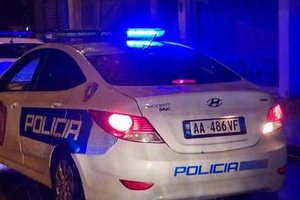
A Shkodra traffic police officer was hit with hard objects...
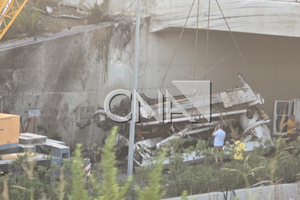
This Wednesday, around 4:00 PM, a serious accident occurre...

Tirana Police have shared details regarding the accident t...

On Thursday, our country will be under the influence of st...

A serious accident that occurred this Wednesday with the c...

The Institute of Geosciences has shared a forecast for wea...

Rising energy and fertilizer prices are expected to contin...

Artificial intelligence (AI) models from the American comp...
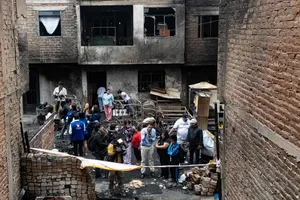
At least 10 people have died after a fire broke out in a h...

Yemen's Houthis have claimed to have attacked two Saudi oi...

The trial of ousted Venezuelan President Nicolas Maduro on...

At a time when industrial products are increasingly taking...

Trust among people is not just a three-syllable word. It c...

Master of humor Todi Llupi has passed away at the age of 7...

The ninth edition of "MIK Festival" kicked off with one of...

The average sale price of apartments in Tirana reaches rec...

This Thursday, one US dollar is bought for 81.5 lek and so...

The price of diesel reached 206 lek per liter from 198 lek...

Businesses will no longer be required to simply register t...