

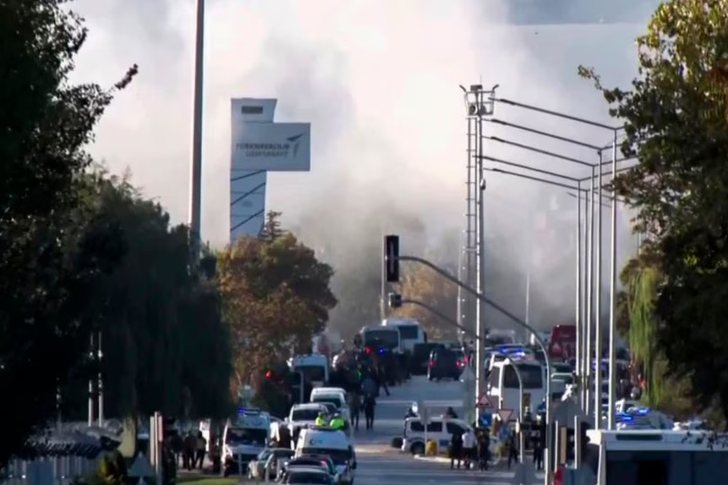
The number of victims is deepened/ 5 killed, 22 injured from the terrorist attack
3 people detonated a bomb and fired gunshots this afternoo...


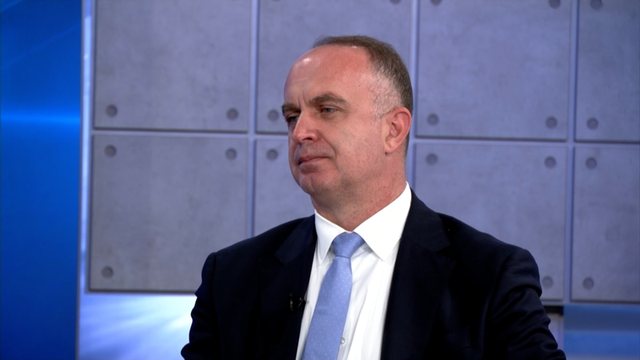
This week in Washington, the United States and Montenegro signed a memorandum of understanding to advance strategic economic cooperation between the two countries in the fields of energy, infrastructure, digitalization and tourism. During meetings with American officials, the Deputy Prime Minister of Montenegro, Nik Gjeloshaj, warned the United States of destabilizing activities, as he said, "of clerical-nationalist structures" that aim to damage the European perspective of Montenegro. In an interview for the Voice of America with his colleague Garentina Kraja, Mr. Gjeloshaj says that in his country there are efforts to hinder European integration, but so far they are only at the rhetorical level. He says that despite the differences of the governing coalition partners, which includes pro-Serb and pro-Russian parties, Montenegro has so far implemented a foreign and security policy that is in line with the European Union, including sanctions against Russia and the recognition of Kosovo's independence.
Voice of America: Mr. Gjeloshaj, this week in Washington you signed a memorandum of understanding for economic cooperation between the United States and Montenegro. Can you tell us more about the cooperation and in which areas?
Nik Gjeloshaj: It is a very important day for Montenegro. Montenegro has had a very close partnership with the United States of America, they have been our biggest supporters and helped us a lot for Montenegro to be part of NATO, while now we are in a new phase with agreement on economic cooperation. With this memorandum of cooperation, we have created working groups, we have connected the requests from business, so that more investments come to Montenegro from the USA. We see it as a very important day for Montenegro, among the most important days in partnership with the USA after NATO integration.
Voice of America: What are the areas where you expect cooperation with the United States?
Nik Gjeloshaj: They are four, they are the field of energy, digitization, tourism and infrastructure. Concrete companies are interested in these fields, but we as a state have defined them as the main pillars of economic development in the coming years.
Voice of America: During your stay in Washington, you also had a meeting with the special envoy for the Balkans, Mr. Kasanof, after which you declared that you informed him about the "potentially destabilizing activities of clerical-nationalist structures that aim to destroy the European perspective of Montenegro". Can you tell us what structures and what activities you are talking about?
Nik Gjeloshaj: Yes, I had the pleasure of meeting Mr. Kasanof, because he has taken the new position and at the same time Montenegro has a great partnership with the United States. At the same time, I, as an Albanian, have our close partnership ties with the United States and the discussion with the American partners is very important and we can say vital for our policies, not only for the future but also for the present. We talked and I explained to him the whole political situation in Montenegro, from how the government was created, what are the steps we are taking, how much we are working on European integration, the results we have achieved and normally, the fact that there are structures that do not want Montenegro in the European Union, that try to stop the process. But also, I conveyed to the representatives of the United States of America, that the fact that in Montenegro over 80 percent want the country to be part of the European Union is important, and I am convinced that these structures will also we win towards integration in the European Union. We with our American partners have nothing that we keep without knowing, without opening it. I did not open it by chance, because we know the structure in Montenegro, both political and governmental. We believe that with the United States of America we will take all the necessary steps so that Montenegro does not get stuck in European integration and we expect that in the future as well, as before, we will have support from the United States.
Voice of America: How much is the influence of Serbia and Russia threatening the stability of Montenegro and the European aspiration?
Nik Gjeloshaj: Montenegro, even in its geographical aspect, is very interesting for these influences. It is a very small country, but the effort to influence is huge, from many countries. Montenegro has determined its direction, it is in an irreversible direction, especially with NATO membership, it is a pro-Western state, oriented towards the West, towards the European Union, with a strategic partnership with the USA. The orientation of the citizens, convincing majority, is in this direction and I think that these influences, which may be, in quotes, legitimate, will not succeed in changing the path of Montenegro. I would emphasize that Montenegro, by the end of the year, will close four chapters in the European integration process. It is the only country in the interrogation process that is managing to close the chapters and that has the opportunity to be the first future member of the European Union.
VOA: However, critics of your government, including President Milatovic, accuse the government of pandering to Russian and Serbian interests to the detriment of Montenegro's European ambitions. It has been a year since your government included these parties in its ranks. Taking into account these ideological differences, but also practical ones, whether regarding the recognition of Kosovo's independence, or the sanctions against Russia, how much are these differences actually hindering the fulfillment of the European agenda?
Nik Gjeloshaj: Apart from declarative, these structures have had no impact. The government of Montenegro has not brought any decision that could be in contradiction with what is the orientation of Montenegro, towards partnership with the United States and the European Union. Montenegro has fully implemented the foreign and security policy of the European Union, both for sanctions against Russia and for its stance on Kosovo, for good neighborliness with all the countries with which we border. In this regard, the influence, except declarative, did not exist. Is it also declaratively problematic? It is, because it also affects social cohesion, it affects the perception of society, of our partners, and I think this is necessary in the future and I believe that together with Prime Minister Spajic we will manage to eliminate them even as public statements.
I repeat, the government of Montenegro has not brought any decision that could be in conflict with these pro-Western values.
Voice of America: Recently, we have also seen tensions around the Montenegrin population census, where we saw a 4 percent increase in Montenegrin citizens who identify as members of the Serbian community. What will be the impact of this registration on the efforts of the Serbian parties to officialize the Serbian language, on the issue of dual citizenship, but also on other issues, such as the representation of this community in the institutions of Montenegro?
Nik Gjeloshaj: I think that in this direction it will have no impact at all, it will not be able to have an impact. Montenegro is a state of citizens, where some nationalities and some religious affiliations live. It is oriented as a citizen state, it will survive that way because Montenegro was conceived that way and the majority of citizens want it that way. With the population census, some political structures were taken, inviting the people how to declare, putting pressure, blackmailing. The registration model is a bit interesting because recently there has been migration, no longer from minorities, the minorities have stabilized, while from other nations. I think the recording has nothing unexpected. For me, it is humiliating to invite someone to declare, based on what I owe them...
Voice of America: Where did these interventions come from?
Nik Gjeloshaj: ...I tell Albanians to declare themselves Albanians. For me, it is completely humiliating and I have not even commented on it. It is the first time that I am commenting on the population census, neither before nor after the results. To me they are statistics. I know that the Albanian people exist in Montenegro, they exist in the number they are, there is a tendency of stability, there is no more migration. This may be thanks to our policy, that we lead the Albanians well, that's why more than 70 percent of Albanian national parties vote for us, but they are sequences that we analyze, that should not be part of the daily debate. These influences that have been attempted, thinking that they can realize aspirations, which are for me still thinking about them and telling them that they are only dreams and that they cannot be realized in Montenegro. Elsewhere they can. Because those political structures that proclaim this do not have the support of either the citizens or the community they represent. Now there were elections in Podgorica, about 150,000 residents are registered there, half of them did not turn out at all (to vote). If we see how much support these structures have received in the entire voting body, they are almost ten percent. That kind of policy is more folklore, which apart from being declarative until today in Montenegro, in decision-making, has had no impact or any change and I hope it will be like this in the future.
Voice of America: I also want to ask you about the proposal made by the Serbian political parties regarding the law on foreign agents, a law that has been used by various countries to target political opponents. What is your feedback, how do you rate this effort?
Nik Gjeloshaj: I think it has been a trend. We had several deadlines in the process of closing the four chapters and there was an attempt to hinder the further steps of the integration of Montenegro in the European Union. I believe I am saying this publicly for the first time... It will also remain only a statement and nothing more, like the law on dual citizenship, which is a tendency to change the structure of the population of Montenegro. It is forbidden by international conventions, by the resolutions of the United Nations and the Council of Europe, and I don't believe in such a thing, and I don't think they have the support to implement it... If it goes with this, and I believe not, it will to enter into a very big problem and I think that it will not be possible to realize, because there will be a very harsh response from many structures in Montenegro - political, non-governmental organizations, I believe also our international partners and I can say how Albanians and as a political leader of the Albanians, very harshly. We will find the mechanisms to oppose it if it embarks on such a journey. But I think that there is no support neither in Montenegro, nor in the parliament, nor in the government, for such a thing to be realized.
Voice of America: We are two weeks away from the elections in the United States. Do you think the outcome of these elections will affect your country?
Nik Gjeloshaj: Montenegro and the United States have good state relations, strategic partners, allies in NATO, and I think that this partnership of the two countries will continue, regardless of who will lead in Montenegro. Black, or in America. Good US relations with Montenegro will not depend on who will be in power in Podgorica or in Washington. We will continue to cultivate good relations, while the citizens of these two countries decide who is best to lead them, and we respect the decisions of the citizens of the USA. I think that regardless of who will be the winner, we will continue our strategic partnership in NATO and in other projects that we have already defined in economic development./ VOA

3 people detonated a bomb and fired gunshots this afternoo...
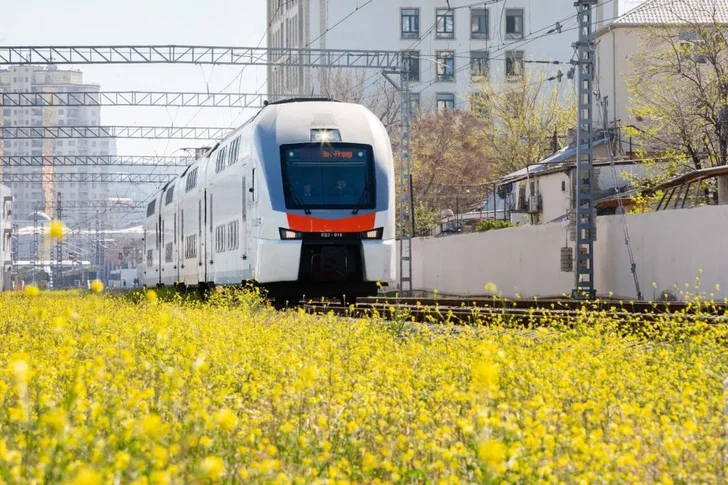
Much has been reported in recent years about the steady pr...
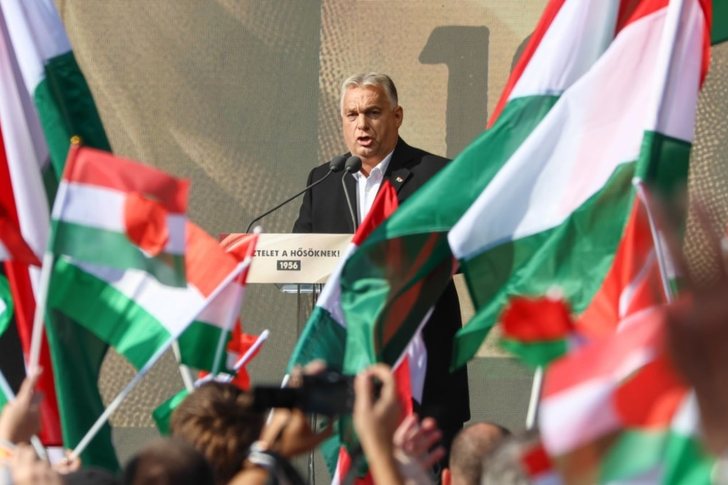
Nationalist Prime Minister Viktor Orban warned Hungarians ...
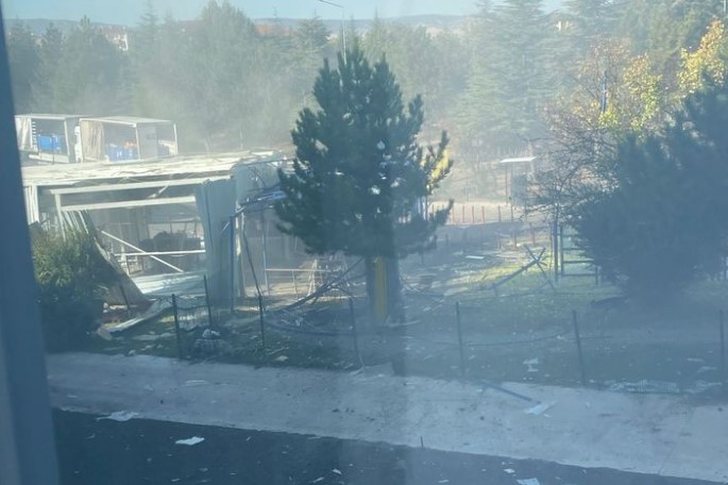
Ankara was shocked this Wednesday by the sudden terrorist ...
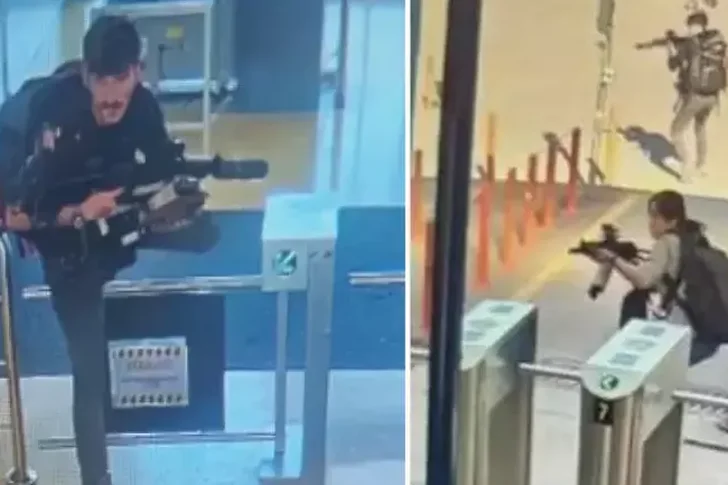
An explosion and gun attack occurred this afternoon at the...
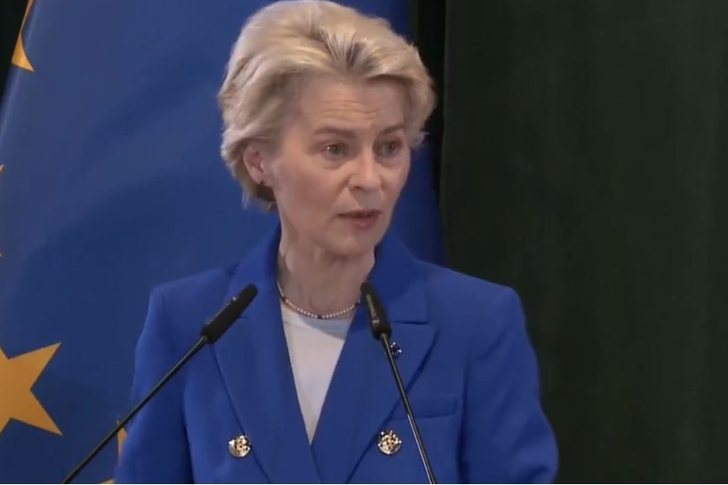
The President of the EC, Ursula von der Leyen, spoke a...
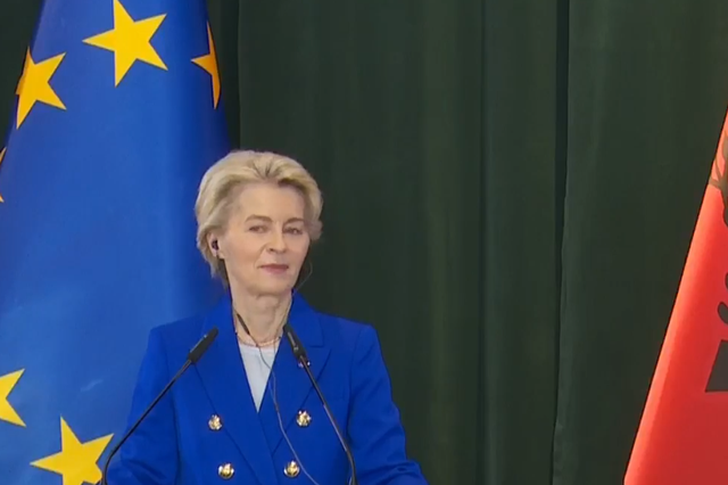
One of the questions addressed this afternoon to the E...
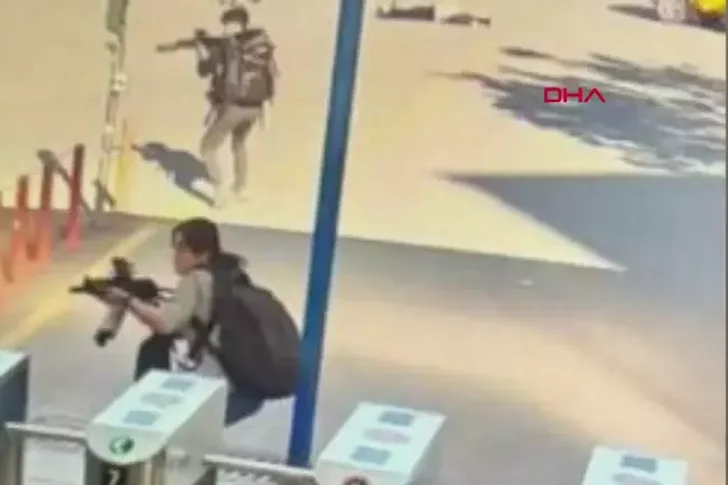
Mediat turke kanë publikuar fotot e para të terroristëve q...
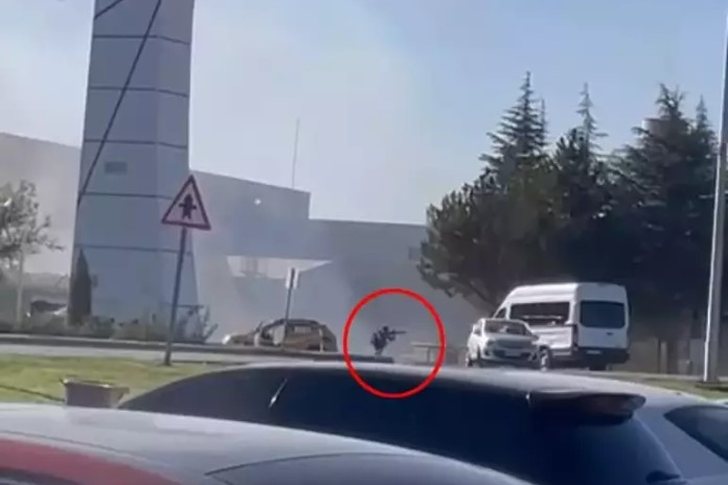
Disa shpërthime dhe të shtëna armësh janë regjistruar pasd...
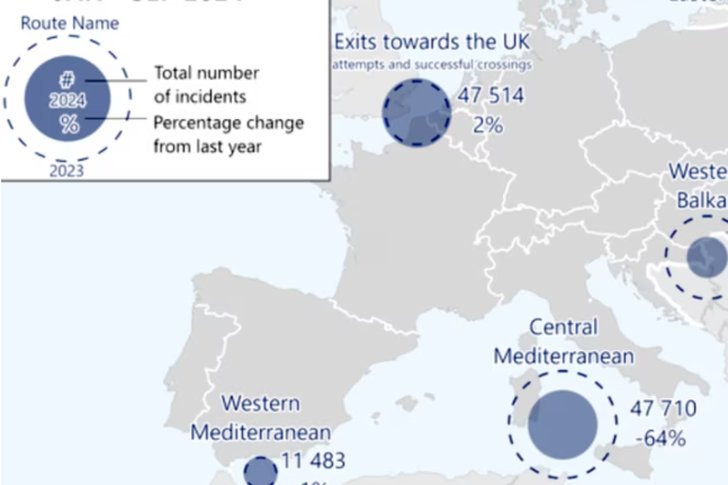
According to the data of the European Border and Coast Gua...
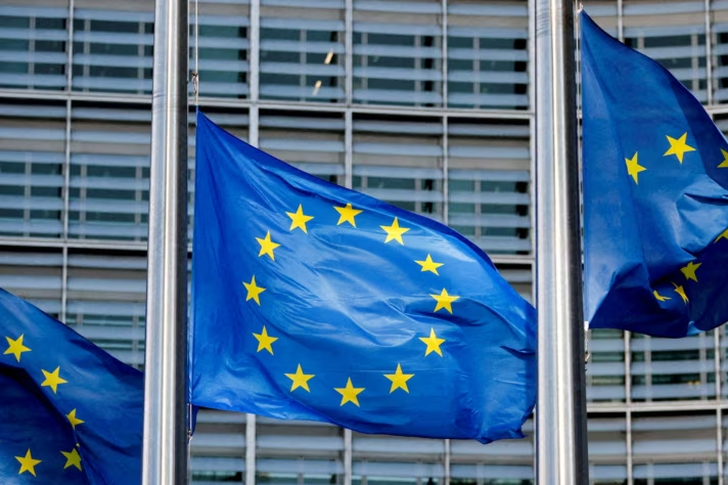
The European Commission has taken the key step to enable t...
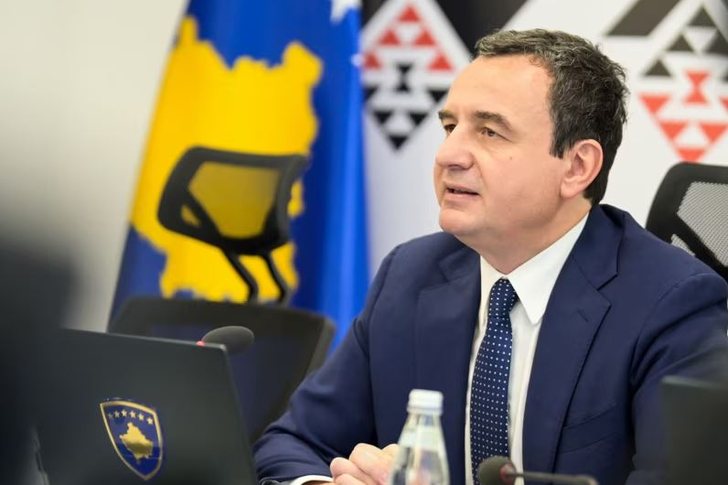
The Prime Minister of Kosovo, Albin Kurti, said that the s...
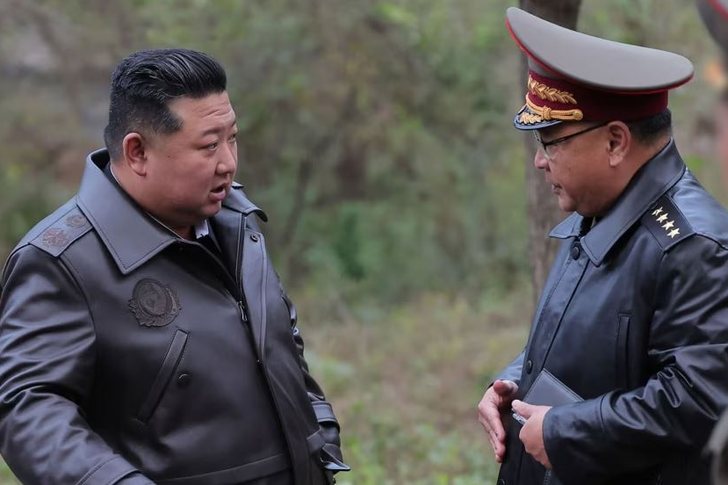
North Korean leader Kim Jong Un has visited missile bases ...
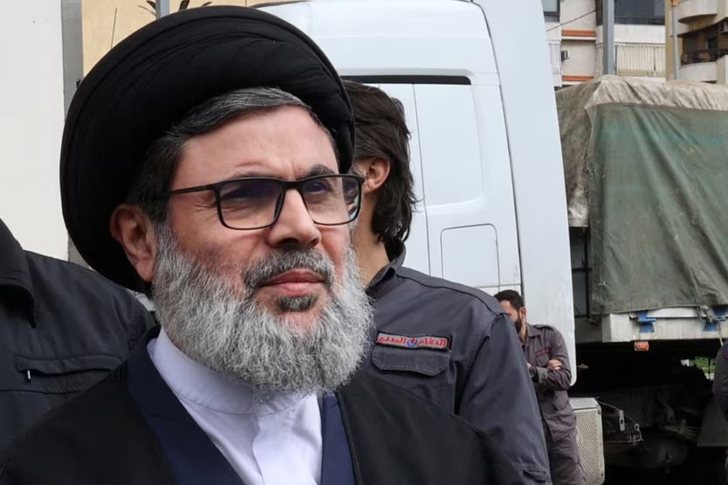
Israel said an airstrike on the outskirts of Beirut earlie...
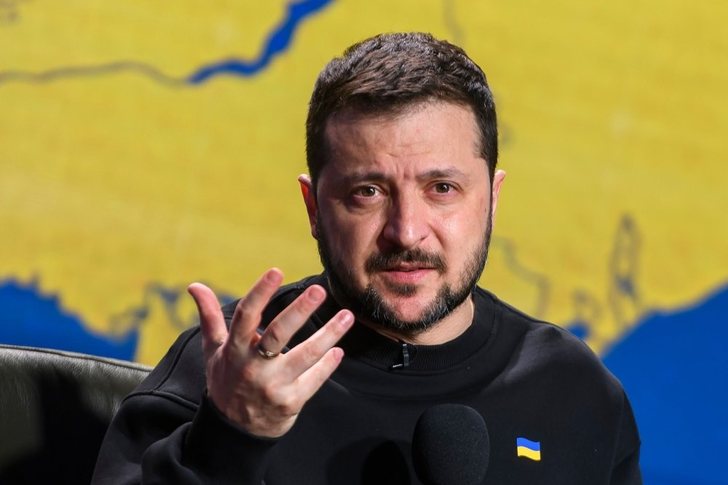
If North Korea is able to get involved in Russia's war...
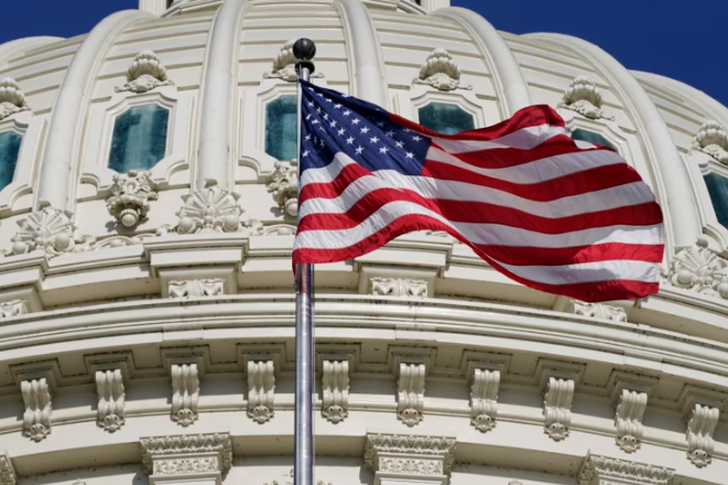
Efforts by US adversaries to divide Americans and sow grow...
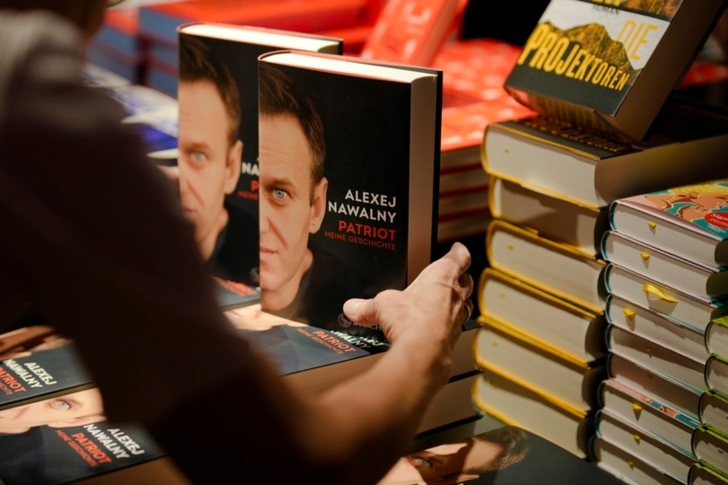
In a memoir published eight months after he died in prison...
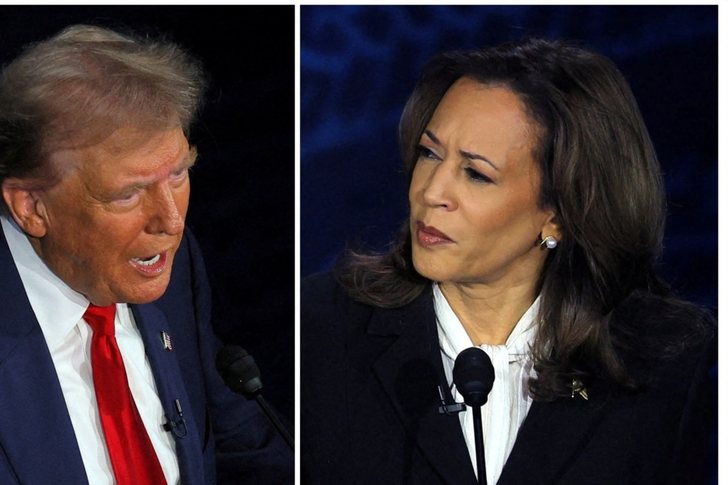
There are two weeks left from the voting day for the Novem...
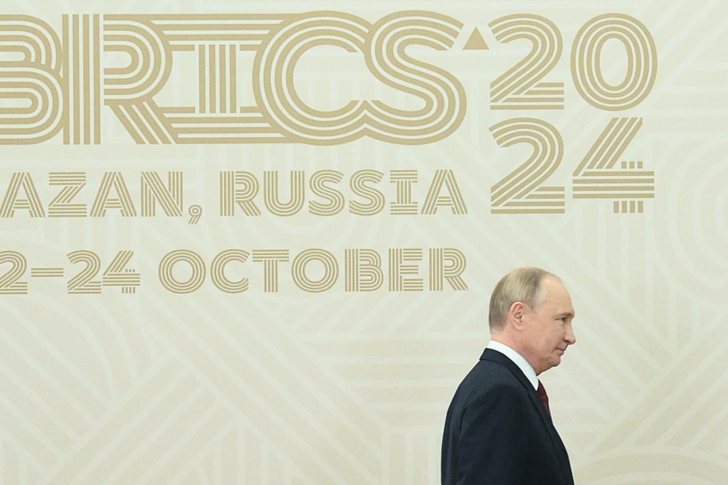
Chinese President Xi Jinping, Indian Prime Minister Narend...
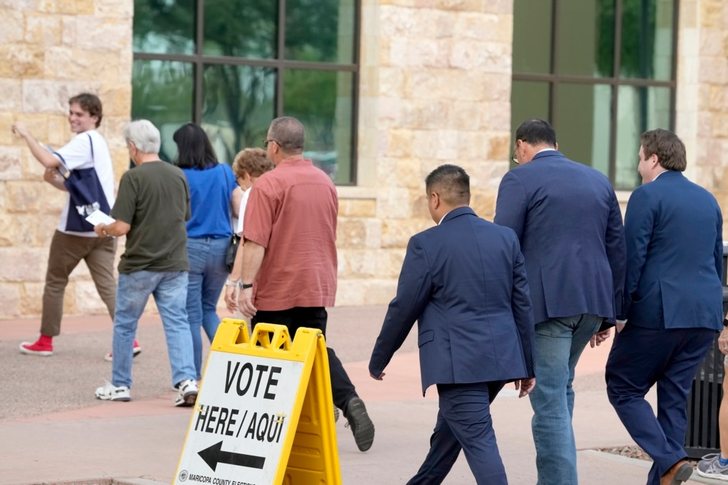
Eligible residents of all 50 states will vote in this year...

CNA has launched another investigation that could lead to ...

Irfan Hysenbelliu is a businessman that we call "Irfan the...

In March 2026, CNA launched another investigation centered...
The arrested mayor of Tirana, Erion Veliaj, with 13 charge...

The Special Board of Appeal (KPA) decided this Monday ...

The KPA vetting decided this Thursday to dismiss the p...

Suela Salavaçi, a prosecutor in the Prosecutor's Offic...

The Special Board of Appeal reinstated the prosecutor ...
A road accident occurred this evening on Nikolla Zoraqi St...
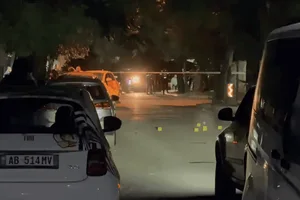
Three people were shot and wounded in Elbasan last night b...
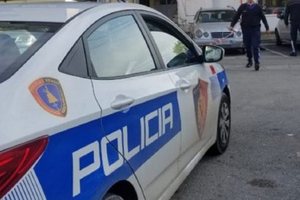
A serious incident occurred this Tuesday in the Yrshek are...
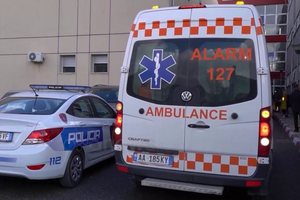
An accident occurred this Tuesday on "Dituria" street in K...
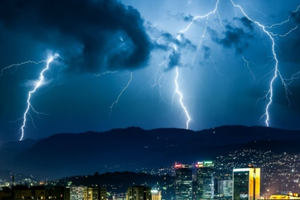
All of Southern Europe will face changing weather conditio...
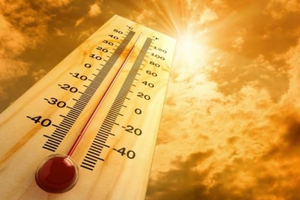
Albania was hit by temperatures significantly higher than ...

For the first time, Pogradec welcomed the Inter-Lake Chess...

Albania has achieved a record for the employment of foreig...
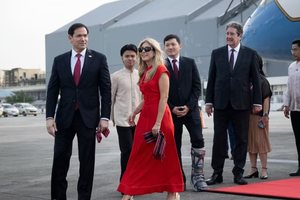
US Secretary of State Marco Rubio arrived in Manila on Jul...
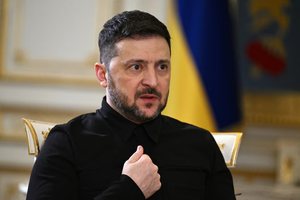
In the space of a few days, Ukrainian President Volodymyr ...
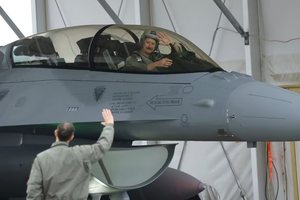
The spokesman for the Iranian Foreign Ministry warned Bulg...
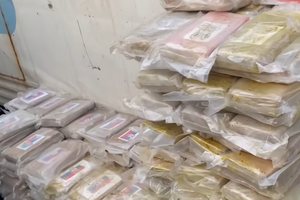
Autoritetet italiane sekuestruan pako me afër 800 kilogram...

At a time when industrial products are increasingly taking...

Trust among people is not just a three-syllable word. It c...

Master of humor Todi Llupi has passed away at the age of 7...

The ninth edition of "MIK Festival" kicked off with one of...

Construction company licenses will have a validity period ...
The Centralized Purchasing Operator recently opened a tend...
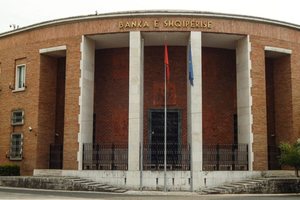
The new draft law "On the Bank of Albania" provides that t...
This Tuesday, one US dollar is bought for 81.2 lek and sol...