


Iran War/ Trump: You Can't Leave Nuclear Weapons in the Hands of Madmen
United States President Donald Trump spoke to reporters at...


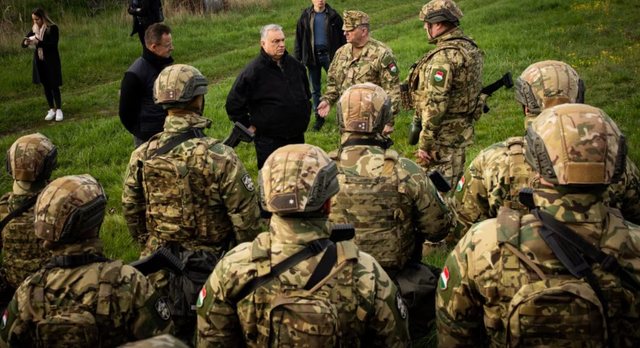
Hungarian Prime Minister Viktor Orban traveled to the TurkStream gas pipeline on the Hungarian-Serbian border on Monday to inspect infrastructure that his government says has been targeted in failed sabotage attempts - six days before parliamentary elections, which polls suggest he could lose.
"Yesterday they wanted to blow up the gas pipeline," Orban wrote on Facebook before leaving for the border crossing.
"We are checking if everything is okay on the Hungarian side."
Serbian authorities said they found two bags containing about four kilograms of explosives near the village of Velebit in northern Serbia on April 5, along with detonator caps and tools used to assemble explosive devices.
The High Prosecutor's Office in Subotica has said that the case has been classified as illegal trafficking of illegal weapons and explosives related to suspected sabotage.
The revelation quickly sparked controversy over responsibility, as it all happened in the run-up to elections in Hungary.
Speaking at an extraordinary meeting of Hungary's Defense Council, Orban did not mention Ukraine by name, but said that Kiev "has been trying for years to deprive Europe of Russian energy," and added that attacks on the Russian segment of the TurkStream pose a "mortal danger to Hungary."
Ukraine's Foreign Ministry has denied any involvement.
Meanwhile, Kremlin spokesman Dmitry Peskov said there was "no reliable data" on who was responsible, but suggested Ukraine could be involved, citing what he claimed were attacks on energy infrastructure in the past.
There were also reactions from Serbia's military intelligence.
Duro Jovanic, director of the Military Security Agency, said that "it is not true that the Ukrainians attempted to organize this sabotage" and that such attributions will complicate finding those responsible.
"Based on the notes on the explosives, it is clear that the manufacturer is from the United States," Jovanic said.
"Now, would anyone suggest that the United States would benefit from this situation at this time ?"
According to him, forensic analysis of the evidence is being conducted and new information will emerge.
He also said that the agency he heads has been warning the political leadership for months that there could be attacks on gas infrastructure, but that his concerns have been met with "skepticism and disagreement."
Jovanic has claimed that an immigrant with military training is behind the suspected sabotage operation.
Srdjan Cvijic from the Belgrade Center for Security Policy has dilemmas in this regard.
"Our authorities don't dare to openly accuse Ukraine, so they invent some supposed migrant, which suits Orban's anti-migrant rhetoric," he told Radio Free Europe's Balkan Service.
This incident came at a time of other disagreements regarding the energy sector.
Budapest is clashing with Kiev over the suspension of the transport of Russian energy resources through the Druzhba gas pipeline, for which Hungary and Slovakia blame Ukraine, while Kiev attributes the damage to the pipeline to a Russian drone attack.
Orban has taken advantage of these disagreements to block the formal approval of the EU loan for Ukraine worth 90 billion euros, which was approved by the other 26 countries of the bloc in December.
More broadly, Orbán and his Fidesz party have attempted to link opposition leader Peter Magyar to Ukraine and the EU.
Magyar has described the pipeline incident as a transparent attempt to boost Orbán's numbers. However, Orbán, speaking on camera, has denied this claim.
"This development does not affect the elections. It affects Hungary's energy security. Let's not mix the campaign with state leadership ," he said.
Elections in Hungary will be held on April 12, while Orban has been in power for 16 years. /REL

United States President Donald Trump spoke to reporters at...
American sanctions have been lifted, but the pro-Russian n...
The Israeli government has approved a plan to accelerate p...
The President of the Council of Europe, Antonio Costa, sai...
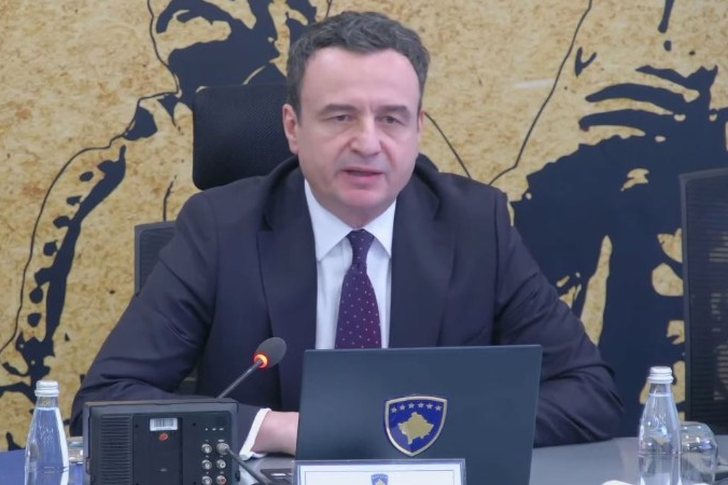
After meeting with LDK leader Lumir Abdixhiku about electi...

Albanian students in North Macedonia are protesting today ...

Hundreds of students gathered today in front of the Stone ...

The astronauts of the Artemis mission will experience one ...

Reuters - The United States and Iran agreed on the outline...
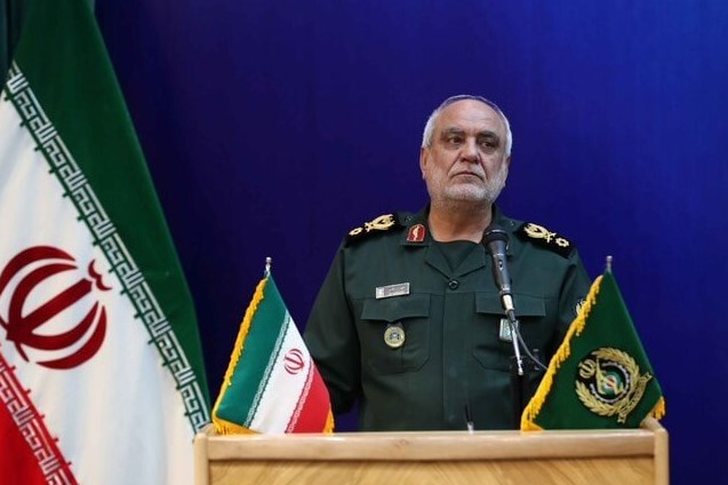
Foreign media reports that the IRGC has announced that the...

Police in Spain have discovered and recovered a rare 17th-...
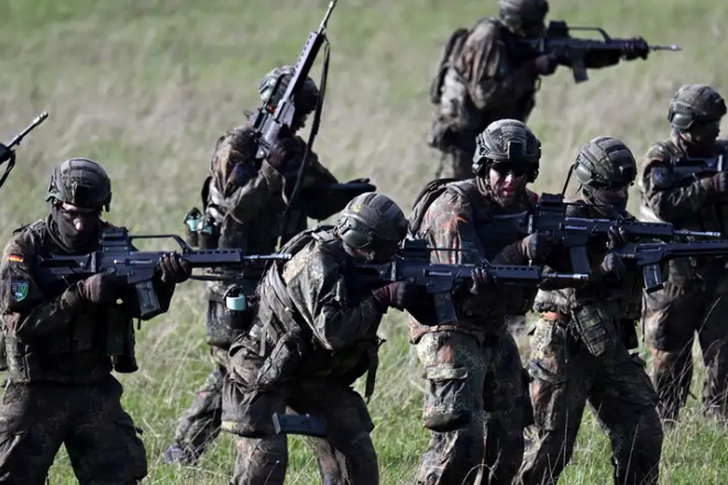
The new military service law requires all men between the ...

Iran has warned of a much more devastating response if the...
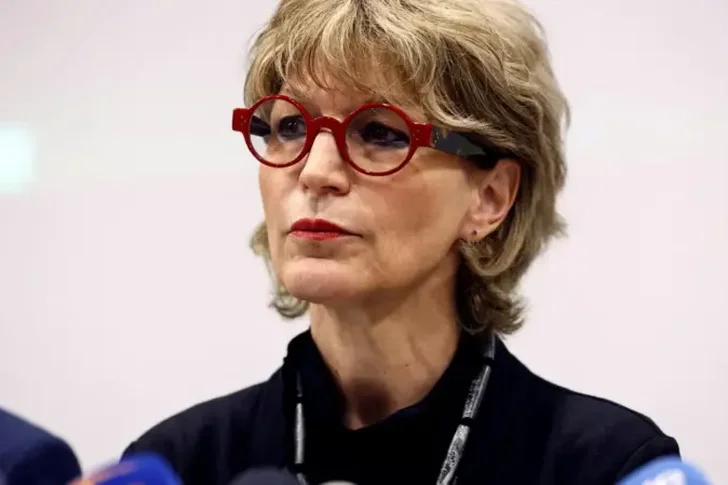
The Secretary General of one of the world's largest human ...

A US State Department spokesman said Iran-linked militias ...
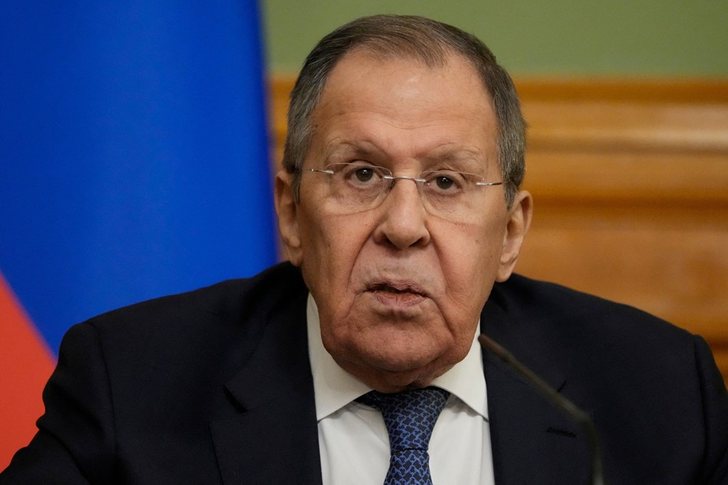
Russian Foreign Minister Sergei Lavrov held a telephone co...
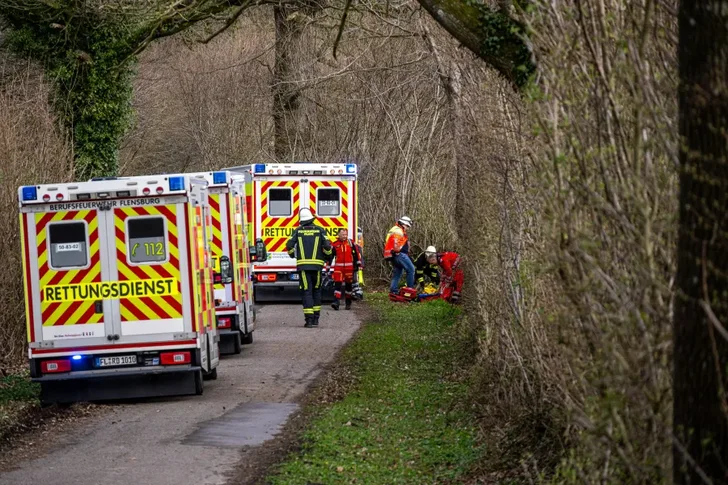
Three people have tragically died in Germany after a tree ...

Një zyrtar i lartë iranian i është përgjigjur ultimatumit ...
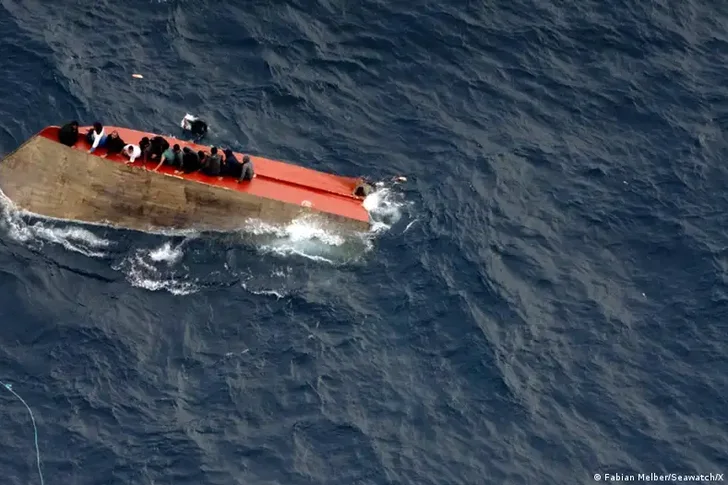
At least two people have died and dozens more are missing ...
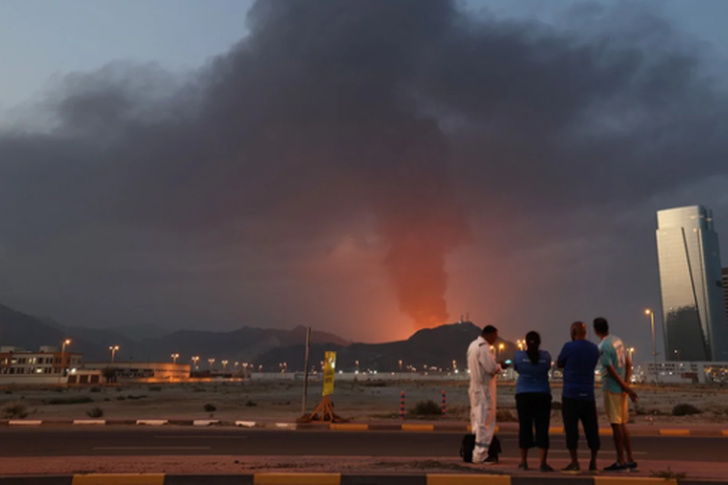
Authorities in the United Arab Emirates have announced tha...
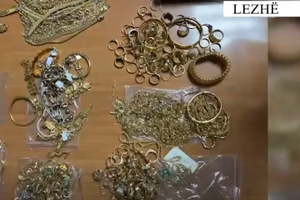
A 39-year-old citizen has been arrested in Lezha, after se...

CNA has launched another investigation that could lead to ...

Irfan Hysenbelliu is a businessman that we call "Irfan the...

In March 2026, CNA launched another investigation centered...

The Special Board of Appeal (KPA) decided this Monday ...

The KPA vetting decided this Thursday to dismiss the p...

Suela Salavaçi, a prosecutor in the Prosecutor's Offic...

The Special Board of Appeal reinstated the prosecutor ...

Several gunshots were reported today in the village of Gjo...

Following the successive operations carried out by the ope...

The Police Supervision Agency has seized the service weapo...
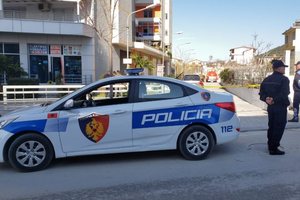
A serious incident occurred in Lushnje, where citizen IY, ...

As the year 2026 is in its second half, the world is exper...

Today, our country will be under the influence of stable a...

By noon, cloudiness is expected to prevail in almost all o...

Children without parental care, for whom alternative famil...
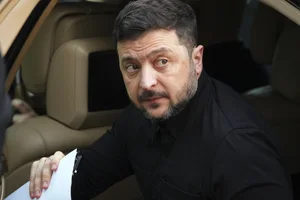
Ukrainian President Volodymyr Zelensky said Russia wants t...
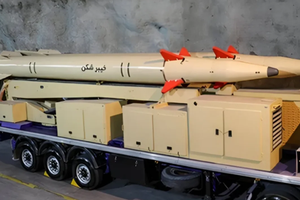
Iran is adapting and enhancing the capabilities of its bal...
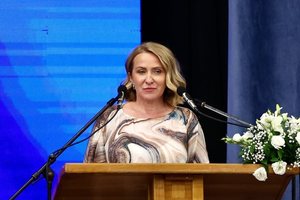
Serbia's Minister of State Administration and Local Self-G...
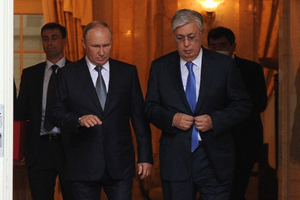
Kazakh President Kassym-Jomart Tokayev shared some critici...
Two windows, a century of history and the metaphysics of p...

In my research at the Central State Archives, specifically...

At a time when industrial products are increasingly taking...

Trust among people is not just a three-syllable word. It c...

This Saturday, one US dollar is bought for 81.7 lek and so...
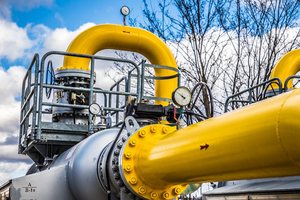
War, weather and supply disruptions could send gas prices ...
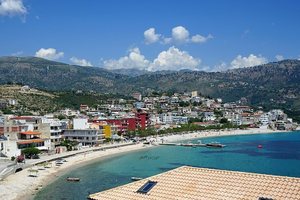
The number of active enterprises in Albania continued to g...
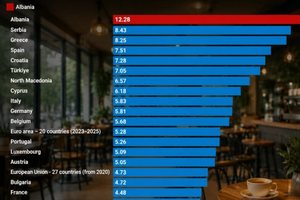
In Albania, the bar-cafe has long become an almost unique ...