

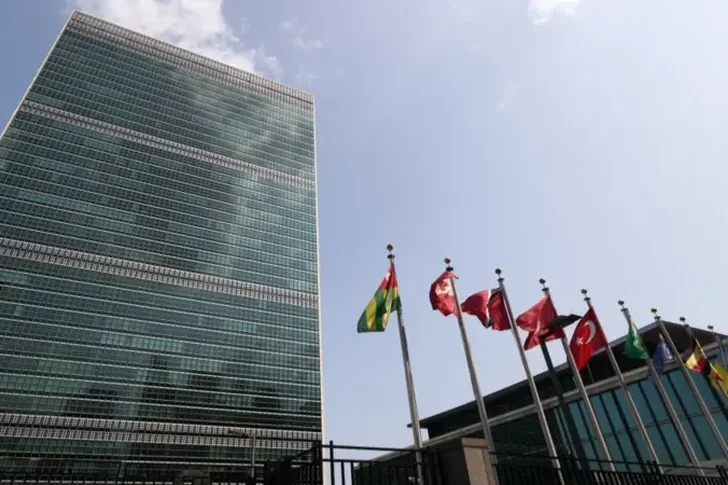
More countries expected to recognize Palestinian state at UN conference
More countries, including France and Belgium, are expected...


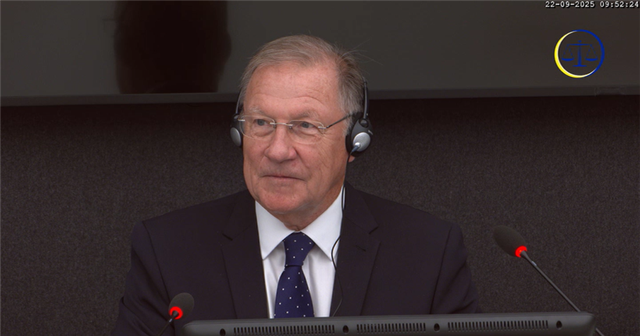
Former British diplomat John Stewart Duncan is testifying at the Kosovo Specialist Chambers in The Hague, summoned by the defense of former Kosovo President Hashim Thaçi, accused of war crimes.
In the late 1990s, Duncan was a political advisor to former NATO Supreme Allied Commander Wesley Clark, who led the NATO air campaign against Serbian military targets in 1999.
At the beginning of his testimony, the defense asked him if he had also covered the work of the Kosovo Liberation Army during his activities - to which he answered 'yes'.
He said that the KLA had a heterogeneous composition and was made up of people with different experiences and motives.
"When the ethnic cleansing began to escalate, the composition of the core members was very diverse: there were former Yugoslav Army soldiers, lawyers, doctors, journalists and other people, some with abused families. The reason they took up arms varied from person to person," Duncan said.
"We called it 'the army of those who had nothing.' Their aspirations were not the same. Their motive was not the same," according to him.
Regarding the political leadership of the KLA, including Thaçi, Duncan said that he was often unable to convince soldiers about important decisions, such as disarmament.
He said that Thaçi's role did not reflect political reality and that he did not have full legitimacy in society.
"There were several political forces there like the LDK, Mr. Rugova and others," Duncan said.
Duncan said he got information about Kosovo from various sources.
"First, I would read all the information on the internet for the last 24 hours regarding Kosovo. Then I would listen to the latest news, the BBC... I would review all the diplomatic cables, the monitoring services and then I would go into meetings and brief General Clark. I would also talk to journalists and non-governmental organizations to get as much information as possible," said Duncan, as he described, as he put it, a typical working day at that time.
"My main duties were to advise military commanders on political and diplomatic aspects, but also to guide them on how to respond and their impact on the relevant operations," Duncan added.
He had also served in Albania after the fall of communism.
"This was a closed country for 46 years, and I was really interested in understanding how society worked, because that was the basis of our job as diplomats. We had to explain to our superiors how society works, what happens inside it, how the powers that be operate, what you can influence them with and why sometimes they can be difficult. That's the job of a diplomat - to explain all aspects of a society to their respective superiors," Duncan said.
According to the presiding judge, Charles Smith III, this witness's testimony will last two or three days.
The defense of Thaçi and other former leaders of the Kosovo Liberation Army (KLA), accused of war crimes, has called a total of 11 witnesses, who will appear in the coming weeks.
Two other witnesses will be presented by Jakup Krasniqi's defense, while the defense of Kadri Veseli and Rexhep Selim has not yet called witnesses.
The defense's testimony began last week with former US Assistant Secretary of State James Rubin and legal advisor to the Kosovo delegation during the 1999 Rambouillet negotiations, Paul Williams.
Rubin, over the course of three days, spoke mainly about Thaçi's role in the war, which he said was political and had no authority for military decisions within the KLA.
Rubin said there is no information linking Thaçi or Krasniqi to the murder allegations.
Williams, during his testimony, also said that Thaçi represented the KLA as a credible negotiator, but did not have full authority over regional commanders.
The trial of four former KLA superiors began in 2023.
Thaçi was the political leader of the KLA before and during the 1998–1999 war, Veseli was the head of the intelligence service, Krasniqi was the spokesman, and Selimi was a member of the general staff.
The indictment against them includes charges of illegal detention, torture, murder, crimes against humanity, enforced disappearance and persecution of hundreds of civilians and persons who did not participate in the fighting.
These crimes allegedly occurred between March 1998 and September 1999 in various locations in Kosovo, but also in northern Albania.
According to the Specialist Chambers, Thaçi, Veseli, Krasniqi and Selimi bear personal criminal responsibility for these crimes, but they all deny guilt.
Defense lawyers have stated that the KLA would not have gained the support of the international community if there had been a criminal plan, as prosecutors claim.
According to them, the indictment is based on a selective misinterpretation of events./REL

More countries, including France and Belgium, are expected...
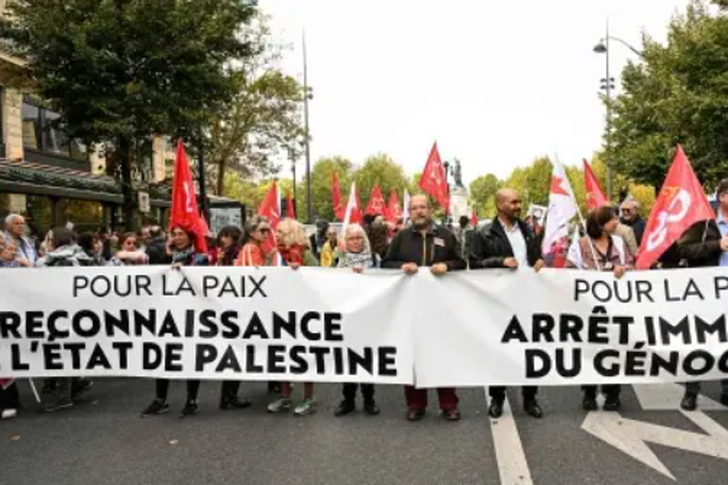
Thousands of people marched in Paris demanding the recogni...
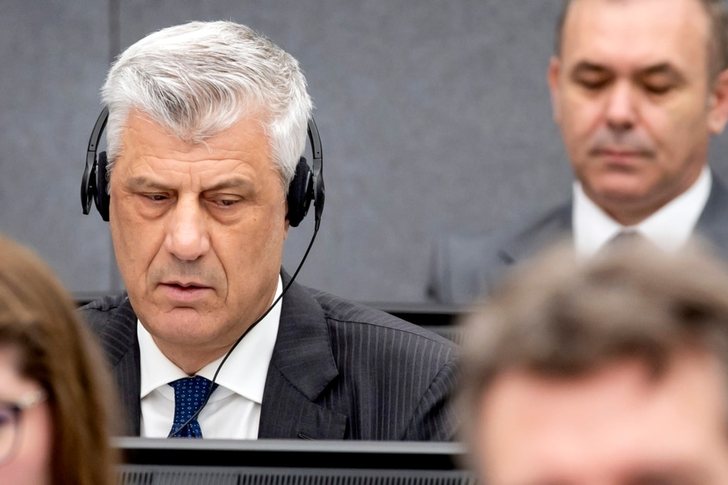
At the Kosovo Specialist Chambers in The Hague, following ...
The UN Security Council will hold an emergency meeting on ...
US President Donald Trump praised the activist killed in a...
French President Emmanuel Macron has announced plans for F...
Portugal says it will recognize a Palestinian state, makin...
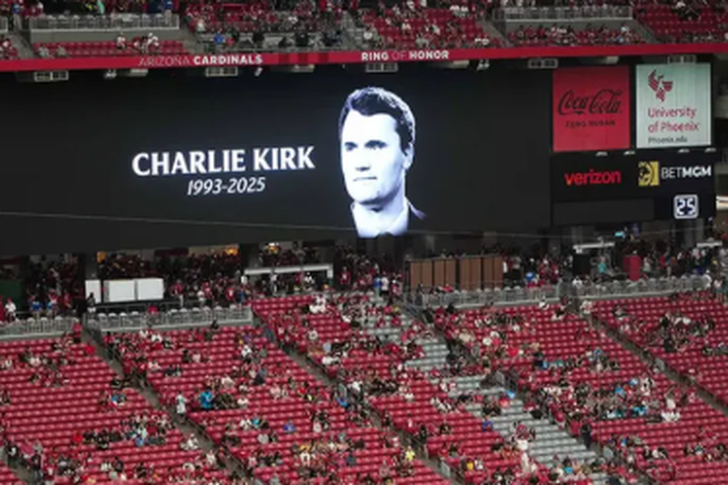
Thousands of people have descended on State Farm Stadium i...
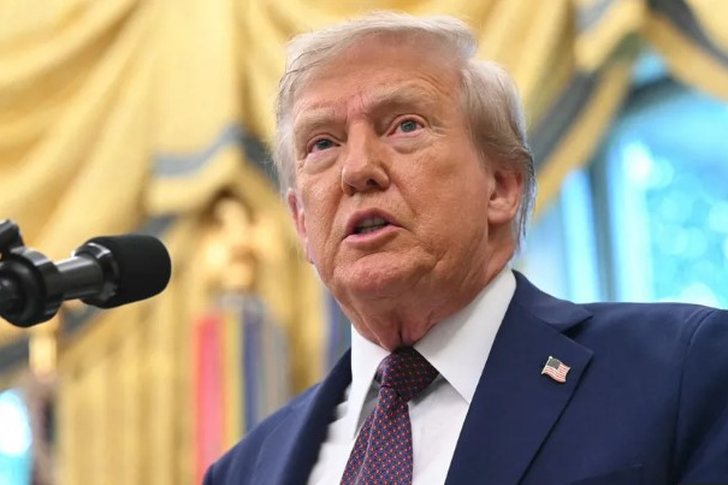
US President Donald Trump declared that the US will help d...
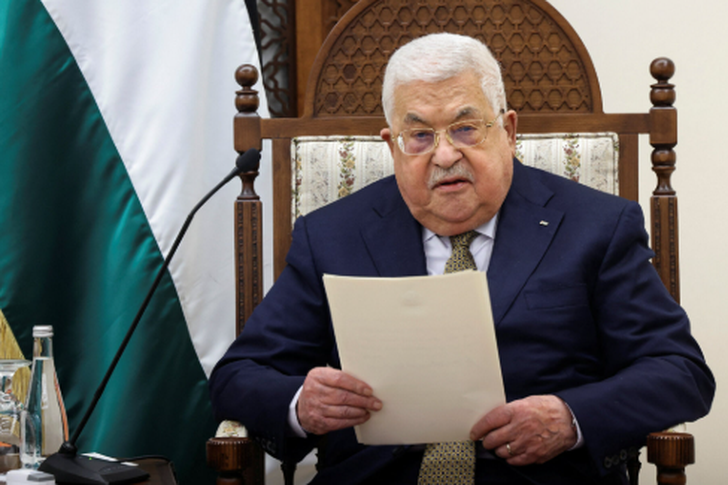
Palestinian Authority President Mahmoud Abbas has reacted ...
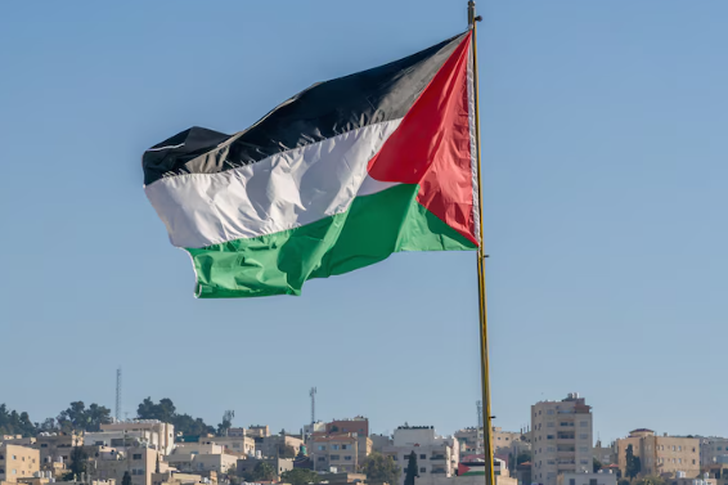
Palestine was formally recognized as a state this Saturday...
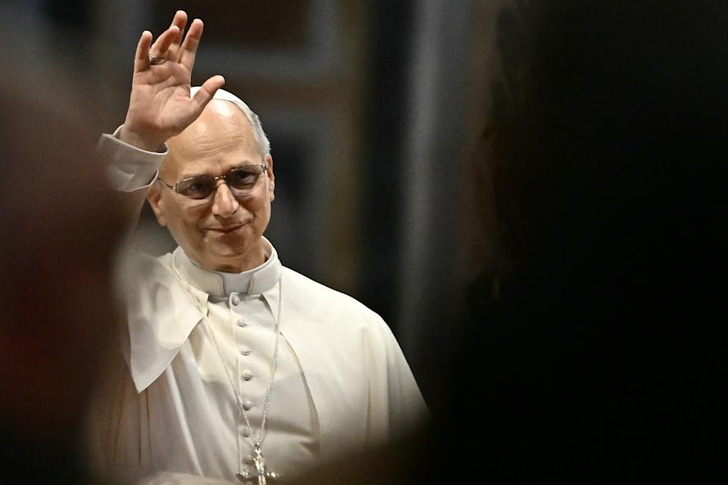
Pope Leo XIV today expressed the solidarity of the Roman C...
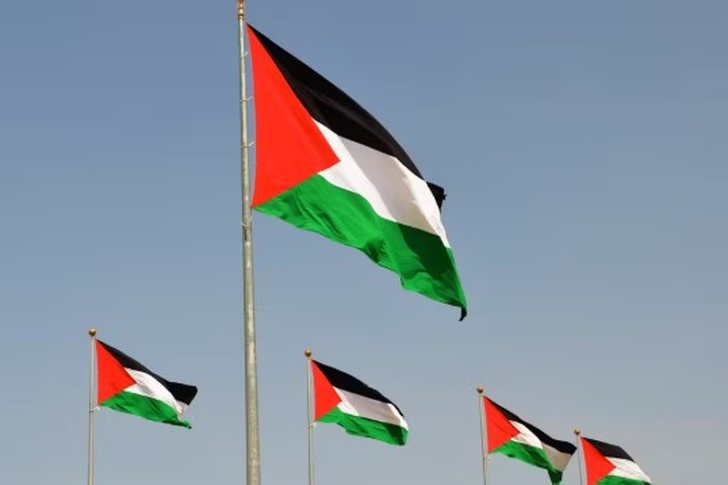
Australia has announced recognition of the Palestinian sta...
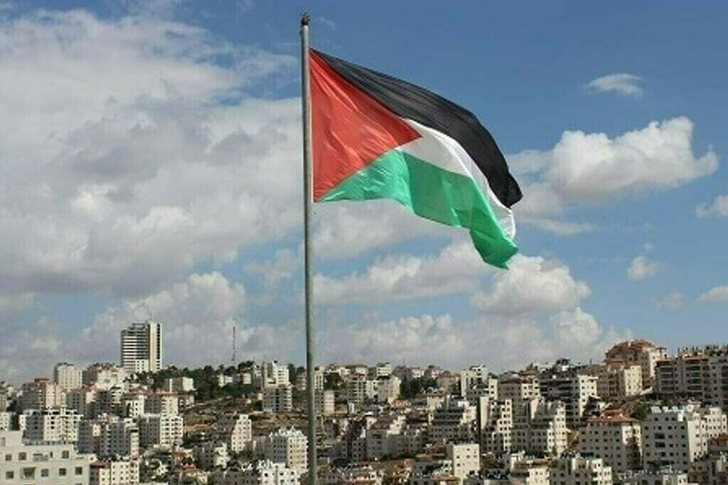
Canada has become the first G7 country to recognize the st...
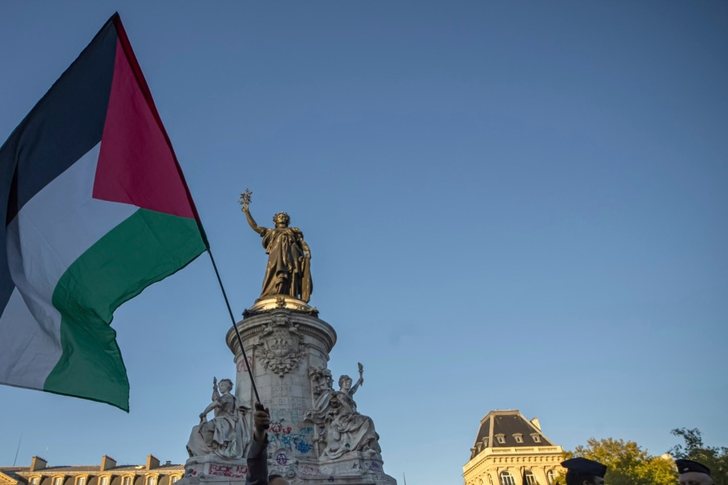
Mayors of several cities in France intend to place the Pal...
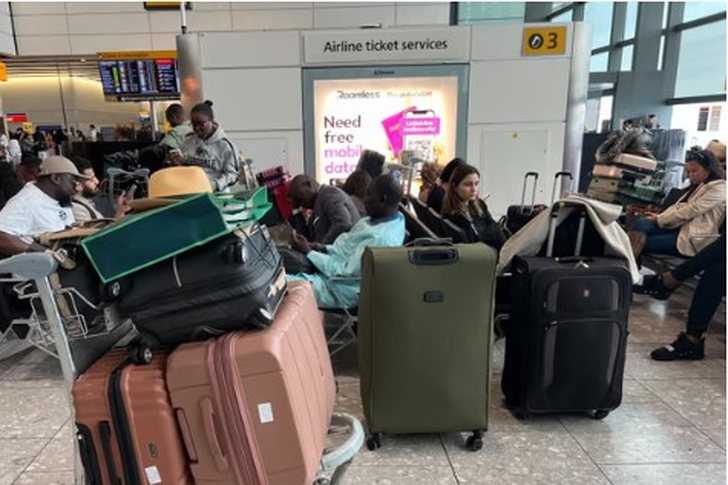
Passengers at London's Heathrow Airport and those in Bruss...
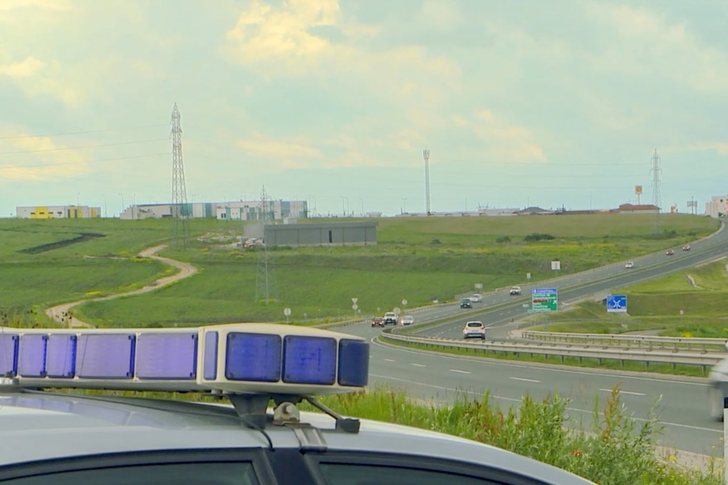
Kosovo police have arrested four suspects during a wide-ra...
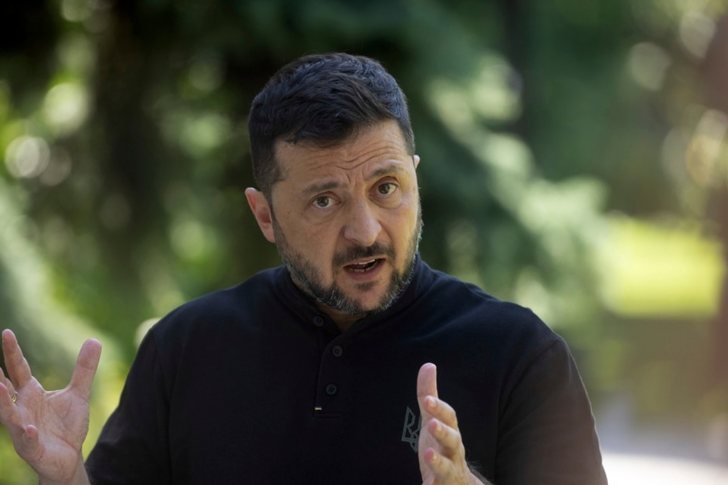
Ukrainian President Volodymyr Zelensky called on the Unite...
US President Donald Trump said he was nominating his forme...
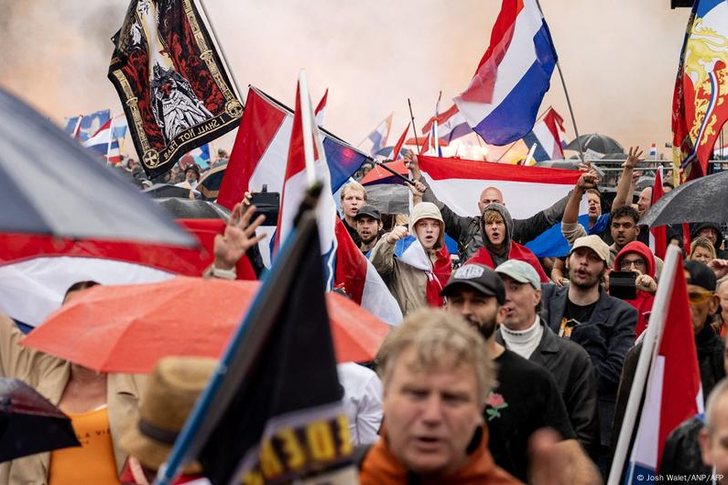
Far-right demonstrators in the Netherlands clashed with po...

CNA has launched another investigation that could lead to ...

Irfan Hysenbelliu is a businessman that we call "Irfan the...

In March 2026, CNA launched another investigation centered...
The arrested mayor of Tirana, Erion Veliaj, with 13 charge...

The Special Board of Appeal (KPA) decided this Monday ...

The KPA vetting decided this Thursday to dismiss the p...

Suela Salavaçi, a prosecutor in the Prosecutor's Offic...

The Special Board of Appeal reinstated the prosecutor ...

Footage emerges from the serious accident that occurred th...
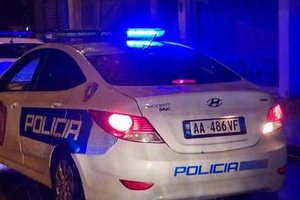
A Shkodra traffic police officer was hit with hard objects...
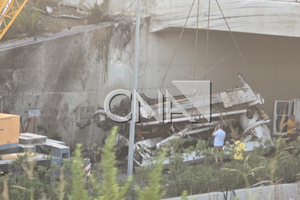
This Wednesday, around 4:00 PM, a serious accident occurre...
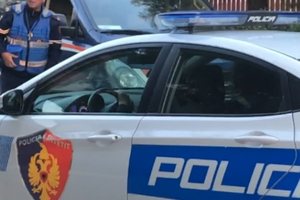
Tirana Police have shared details regarding the accident t...
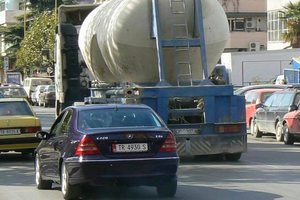
A serious accident that occurred this Wednesday with the c...

The Institute of Geosciences has shared a forecast for wea...
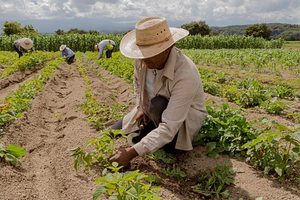
Rising energy and fertilizer prices are expected to contin...

Over 18,000 foreign citizens from 140 countries have appli...
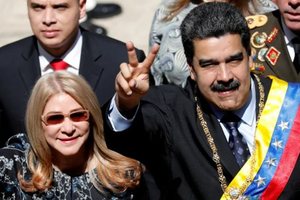
The trial of ousted Venezuelan President Nicolas Maduro on...
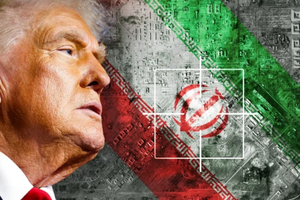
US President Donald Trump has issued another warning to Ir...
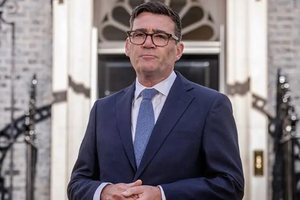
Prime Minister Andy Burnham has announced that most bus fa...

France's parliament has passed a law to ban social media f...

At a time when industrial products are increasingly taking...

Trust among people is not just a three-syllable word. It c...

Master of humor Todi Llupi has passed away at the age of 7...

The ninth edition of "MIK Festival" kicked off with one of...

The price of diesel reached 206 lek per liter from 198 lek...

Businesses will no longer be required to simply register t...

Despite economic growth and income in recent years, Albani...

This Wednesday, one US dollar is bought for 81.4 lek and s...