

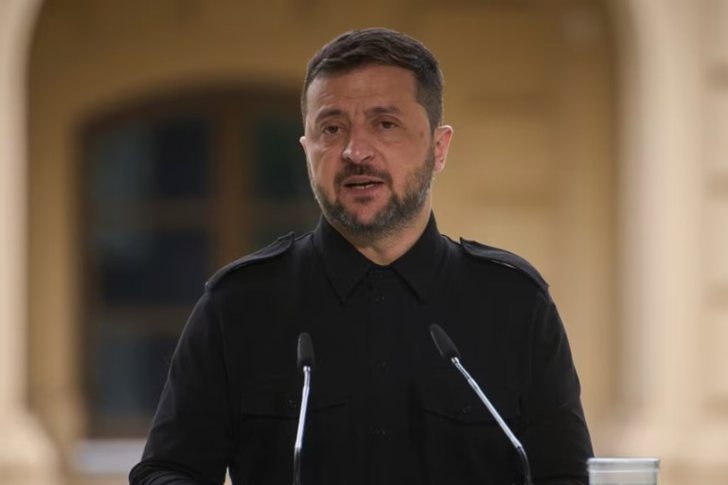
Zelensky: US ready to provide security guarantees after war
Ukrainian President Volodymyr Zelensky discussed Russia's ...


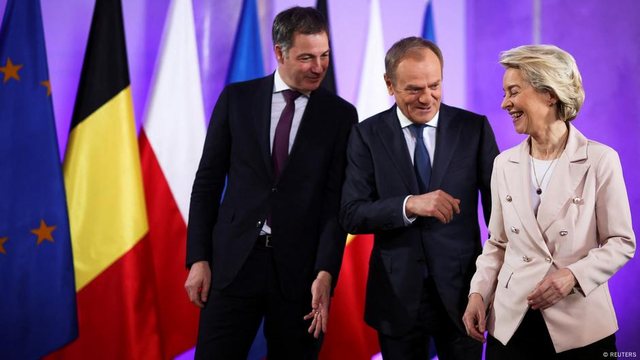
The European Union has in the past been forced to make decisions without Hungary, leaving space for conservative Hungarian Prime Minister Viktor Orban for a "coffee break" or issuing final statements without his presence.
However, in EU foreign and security policy, it is becoming increasingly difficult to make joint decisions.
Sanctions against Russia, the 19th package currently being negotiated, must be approved by all member states. The same applies to tax policy or the admission of new EU members, where one country can block any decision with its veto.
This is "not morally wrong," Nicolai von Ondarza of the Foundation for Science and Politics (SWP) tells DW. These are "key areas of national sovereignty."
Countries do not like to compromise when it comes to their interests, explains the political scientist who heads the EU research group at the SWP. In Germany, this is the case, for example, with the EU's policy towards Israel.
Ondarza finds it problematic that Hungary often does not take an interest in one issue. And yet, it uses its veto power to "blackmail" other member states on other issues.
In EU jargon, this is called a "tactical veto". Orbán often blocks EU policy towards Ukraine. For example, some 6.6 billion euros in aid to Ukraine from the European Peace Facility has not yet been disbursed. The country is also opposed to Ukraine's possible membership in the EU.
Hungary, among others, argues that this could drag the EU into a war with Russia. But the Hungarian government has ultimately approved all 18 sanctions packages against Russia so far./ DW
It is rare for other member states to use this tactic, says Ondarza. In 2021, Cyprus blocked sanctions against Belarus to achieve a tougher approach towards Turkey.
The EU has a constitutional problem, Danish Foreign Minister Lars Løkke Rasmussen said at an informal meeting in Copenhagen: “The slowest ship in the convoy determines the speed. We must find ways to implement the majority position.” The EU, Rasmussen said, must seek “innovative solutions.”
What new solutions and working methods might look like were not discussed at the meeting in late August. This should "definitely" happen in the coming months, said EU High Representative for Foreign Affairs Kaja Kallas. It is a "credibility issue" for the EU.
As early as 2023, at the initiative of Germany, a "Group of Friends for Improving Decision-Making in the Common Foreign and Security Policy" was established. According to the Council of the EU, it now includes twelve countries. In addition to Germany , these are Belgium, Denmark, Finland, France, Italy, Luxembourg, the Netherlands, Romania, Slovenia, Spain and Sweden.
The "Group of Friends", for example, has proposed that decisions on sanctions, declarations on human rights issues or decisions on participation in civilian missions should be taken by qualified majority. This means that at least 15 member states, representing at least 65% of the EU population, must vote in favour of the decision. There should also be some kind of safety net for the core national interests of member states. But such proposals must be approved by all 27 EU heads of state and government.
According to an EU diplomat, some countries in the group want to extend the discussions to tax policy, in order to relax the unanimity principle here as well. European Commission President Ursula von der Leyen called for a reform of the decision-making process in her State of the Union address in early September to avoid deadlocks. In some areas, the EU needs to be freed from the "shackles of unanimous decision-making" by the 27 member states, she said.
Another possibility to soften the unanimity principle in the EU would be to amend the EU treaties, for example in the context of admitting new members, says von Ondarza. This would also require the consent of all 27 member states. The political scientist currently considers such consent "politically impossible."
If member states expand their circle of friends, they could put more pressure on other countries to implement majority decision-making at some point. However, the EU may have to pay a high price in the future for Hungary to give up its powerful veto, says von Ondarza.
Even in Brussels, the Group of Friends is seen as a tool for exerting pressure, the EU diplomat told DW. Hungary is increasingly isolated. The European Commission is currently working on a plan to use frozen Russian assets to rebuild Ukraine. According to a Reuters report, the Commission is already considering ways to circumvent the Hungarian veto.

Ukrainian President Volodymyr Zelensky discussed Russia's ...
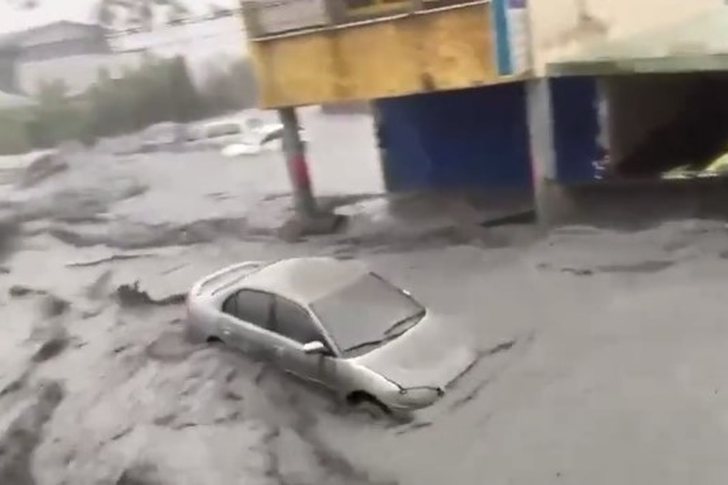
Nearly two million people have been evacuated from souther...
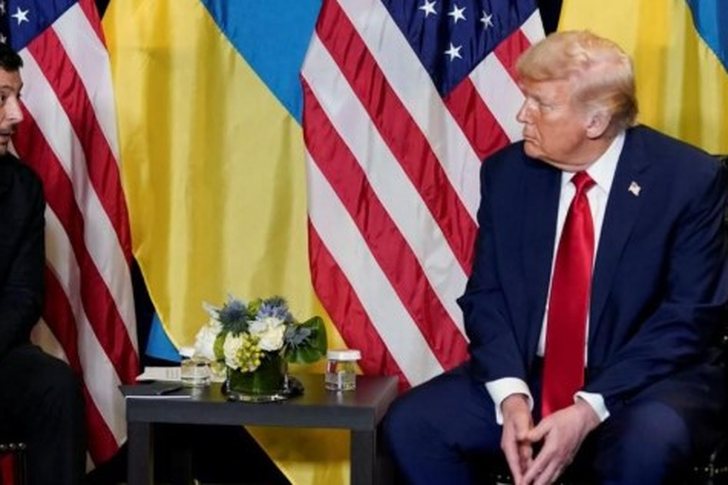
US President Donald Trump, through a post, provided detail...
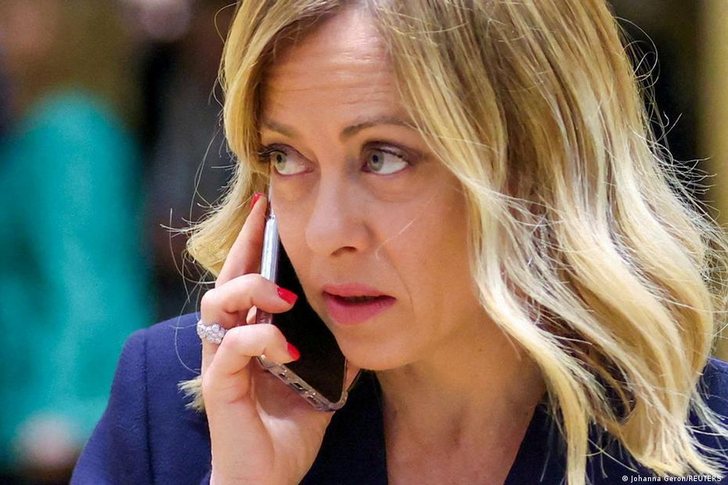
Prime Minister Giorgia Meloni, speaking to reporters on th...
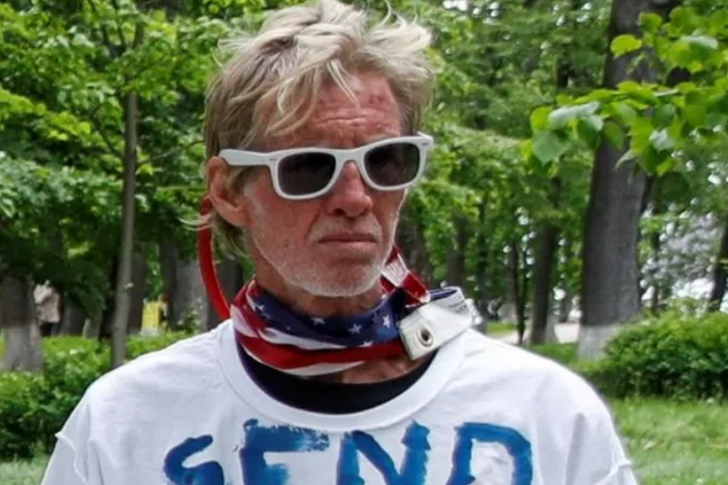
Ryan Routh has been found guilty of attempting to assassin...
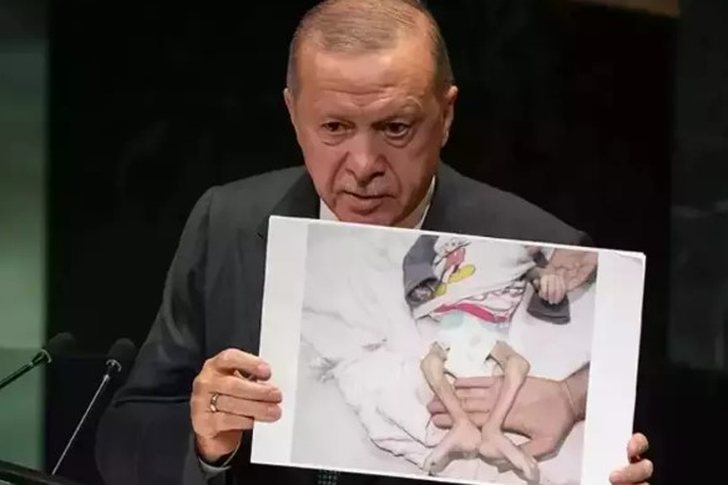
Turkish President Recep Tayyip Erdogan has attracted atten...
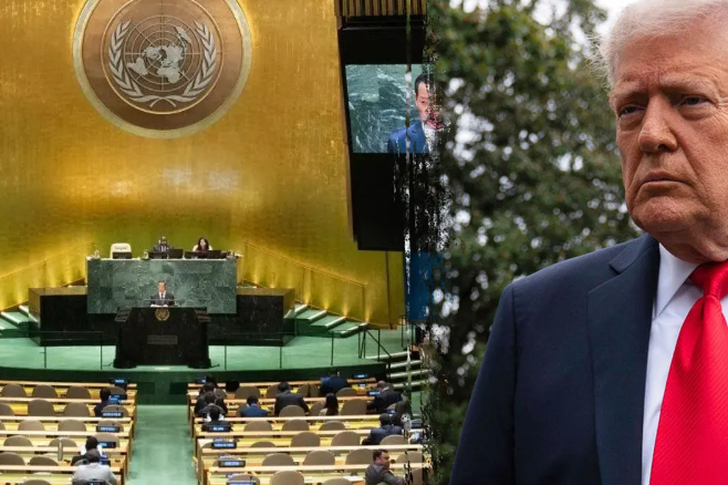
President Donald Trump sharply criticized the United Natio...
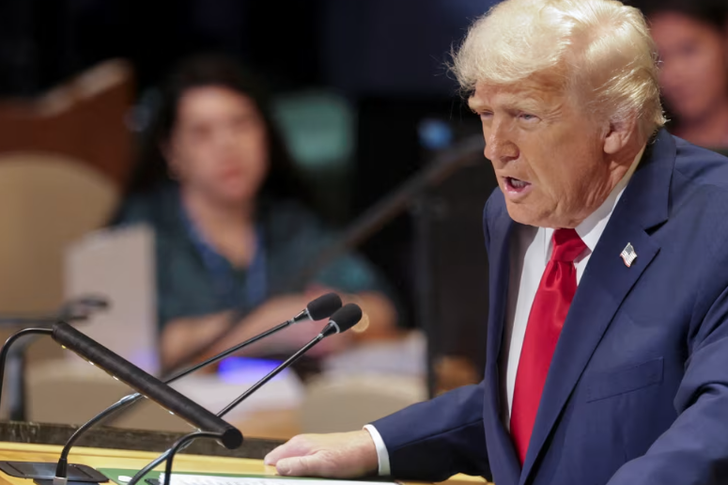
US President Donald Trump sharply criticized European coun...
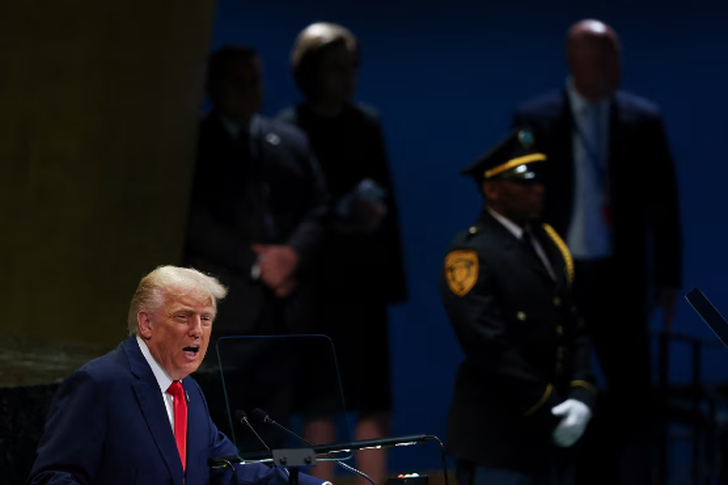
President Donald Trump announced at the UN Assembly that h...
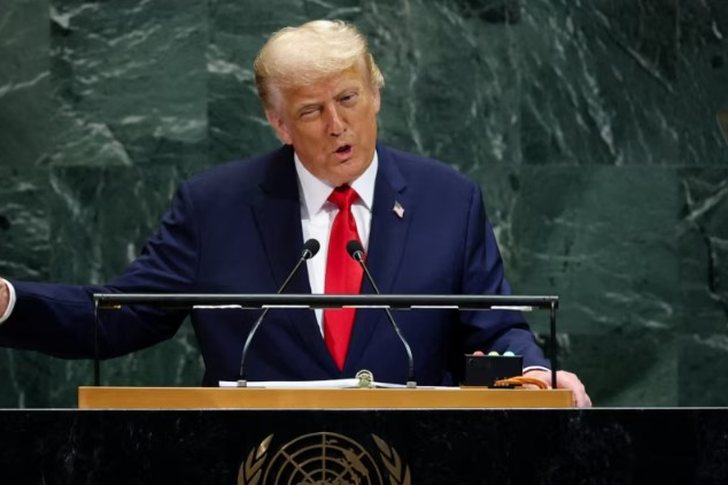
US President Donald Trump said European allies should imme...
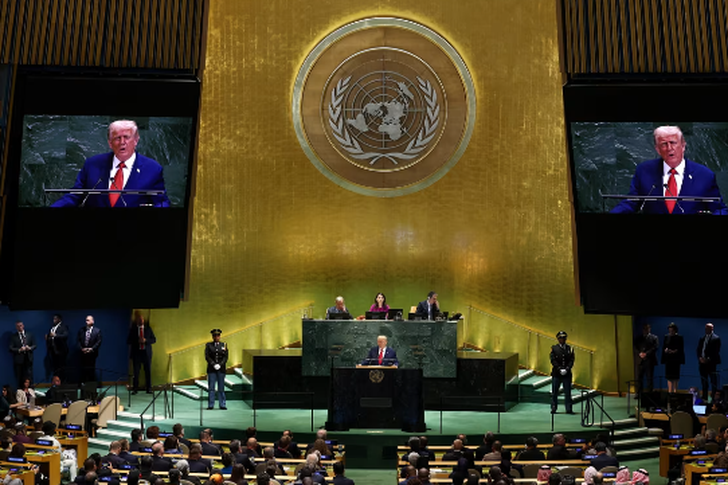
US President Donald Trump, during his speech at the United...
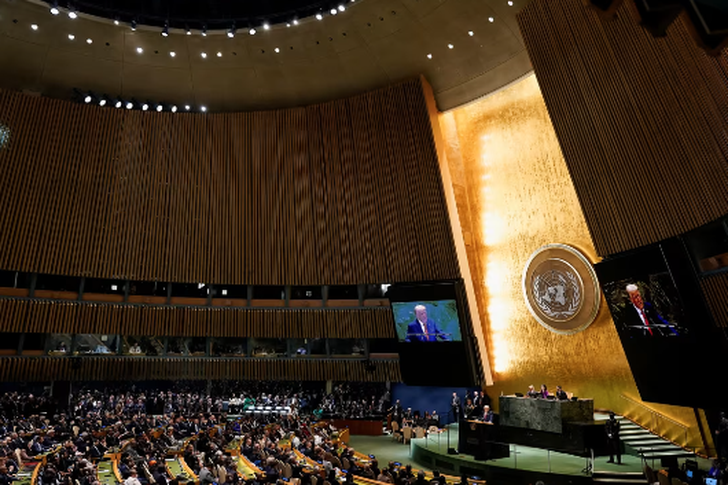
President Donald Trump dismissed the threat of climate cha...
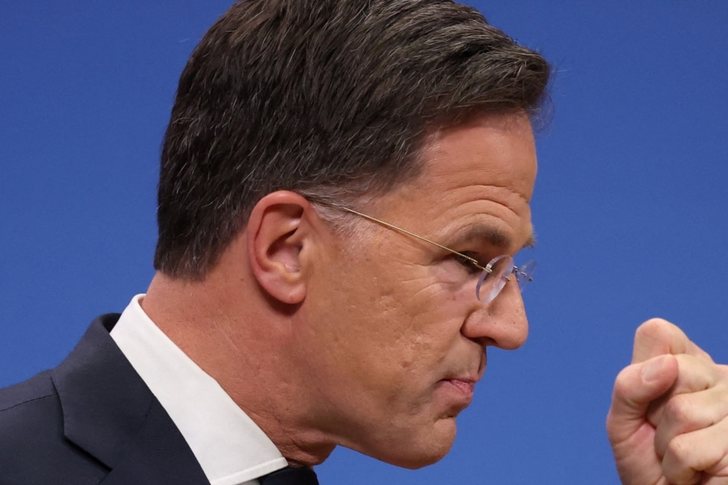
NATO warned Russia to stop "escalating" airspace violation...
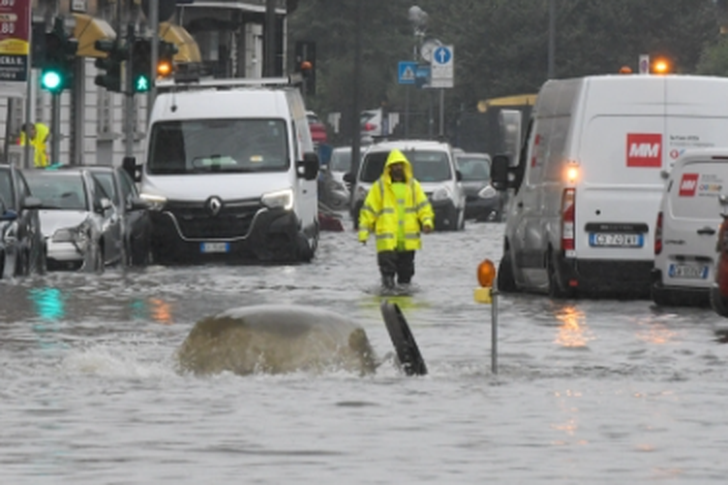
Italy continues to be hit by a strong wave of bad weather,...
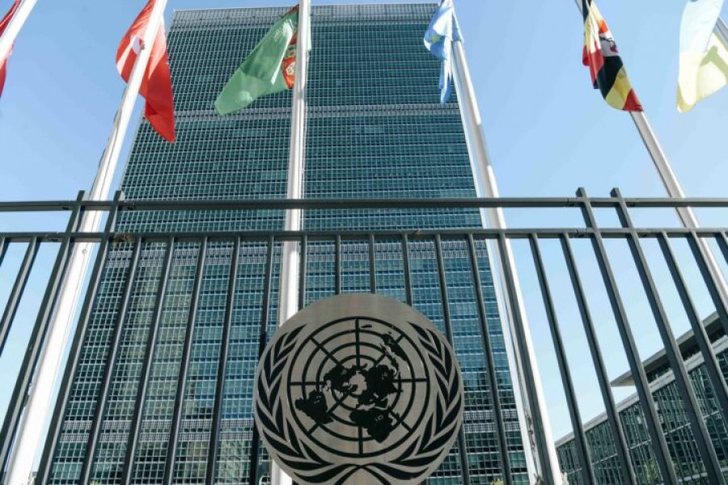
This is also the last week of the United Nations General A...
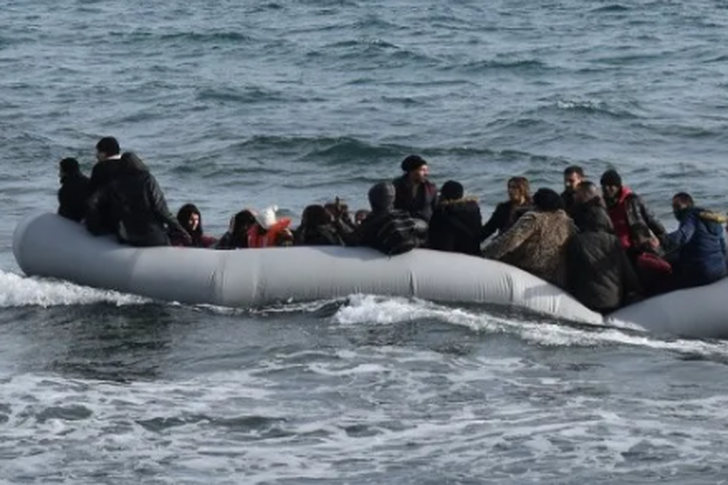
A total of 145 migrants were rescued in the last 24 hours ...
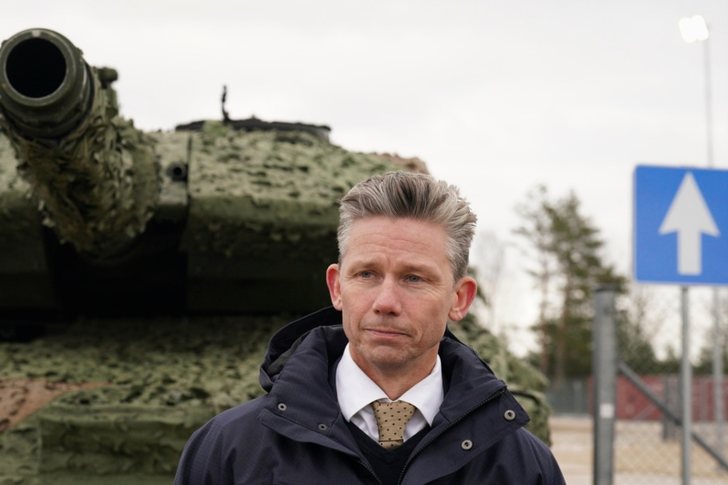
Swedish Defense Minister Pál Jonsson on Tuesday called for...
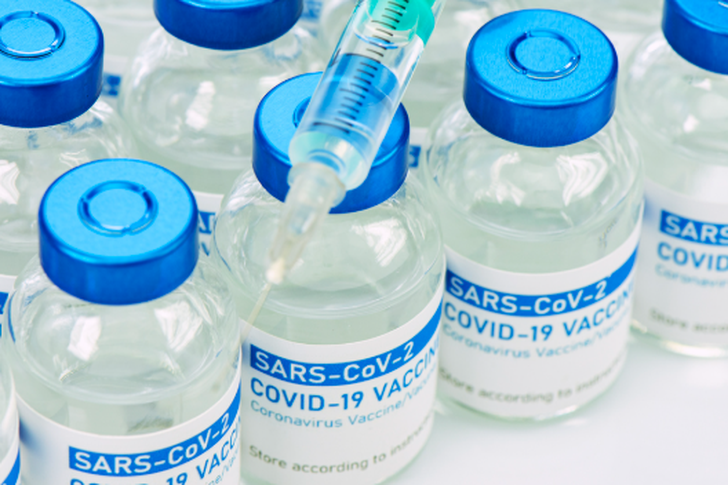
Italy's health ministry launched a vaccination campaign ag...
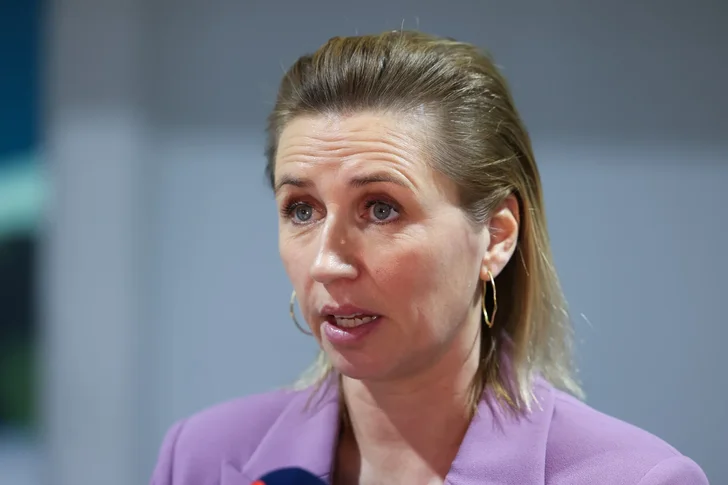
Danish Prime Minister Mette Frederiksen said she could not...
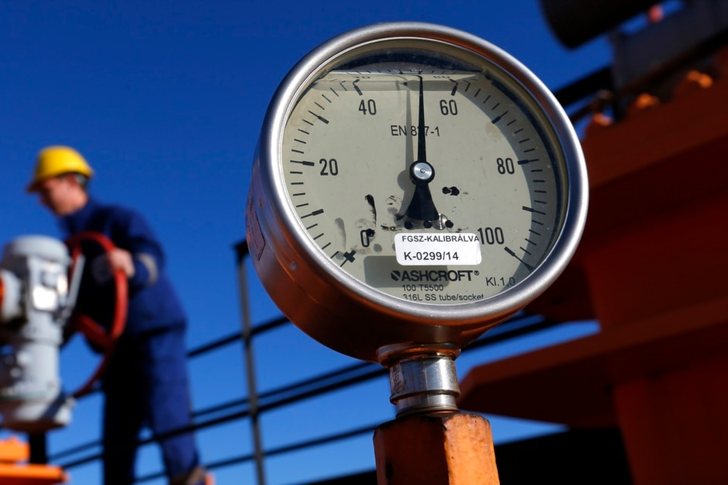
Serbia will sign a three-year gas import agreement with Ru...

CNA has launched another investigation that could lead to ...

Irfan Hysenbelliu is a businessman that we call "Irfan the...

In March 2026, CNA launched another investigation centered...
The arrested mayor of Tirana, Erion Veliaj, with 13 charge...

The Special Board of Appeal (KPA) decided this Monday ...

The KPA vetting decided this Thursday to dismiss the p...

Suela Salavaçi, a prosecutor in the Prosecutor's Offic...

The Special Board of Appeal reinstated the prosecutor ...

A Shkodra traffic police officer was hit with hard objects...
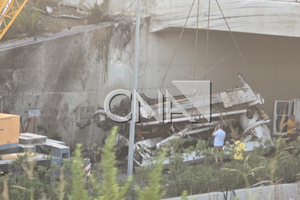
This Wednesday, around 4:00 PM, a serious accident occurre...

Tirana Police have shared details regarding the accident t...
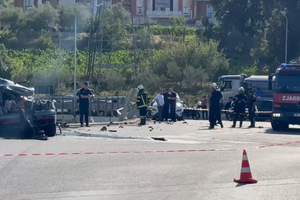
New details have emerged regarding the accident that occur...
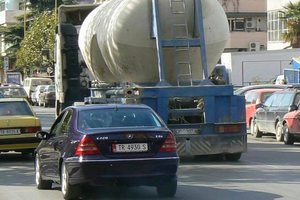
A serious accident that occurred this Wednesday with the c...

The Institute of Geosciences has shared a forecast for wea...

Rising energy and fertilizer prices are expected to contin...
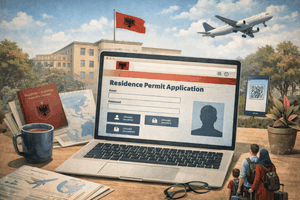
Over 18,000 foreign citizens from 140 countries have appli...
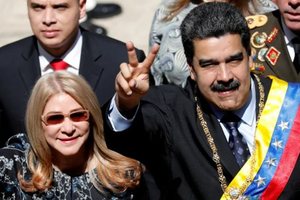
The trial of ousted Venezuelan President Nicolas Maduro on...
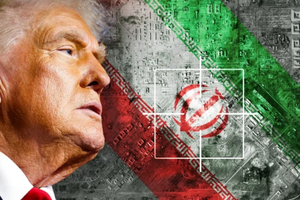
US President Donald Trump has issued another warning to Ir...
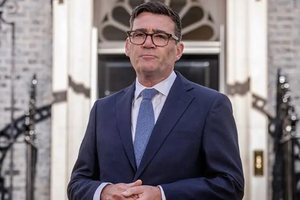
Prime Minister Andy Burnham has announced that most bus fa...

France's parliament has passed a law to ban social media f...

At a time when industrial products are increasingly taking...

Trust among people is not just a three-syllable word. It c...

Master of humor Todi Llupi has passed away at the age of 7...

The ninth edition of "MIK Festival" kicked off with one of...
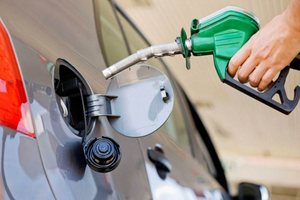
The price of diesel reached 206 lek per liter from 198 lek...

Businesses will no longer be required to simply register t...

Despite economic growth and income in recent years, Albani...

This Wednesday, one US dollar is bought for 81.4 lek and s...