

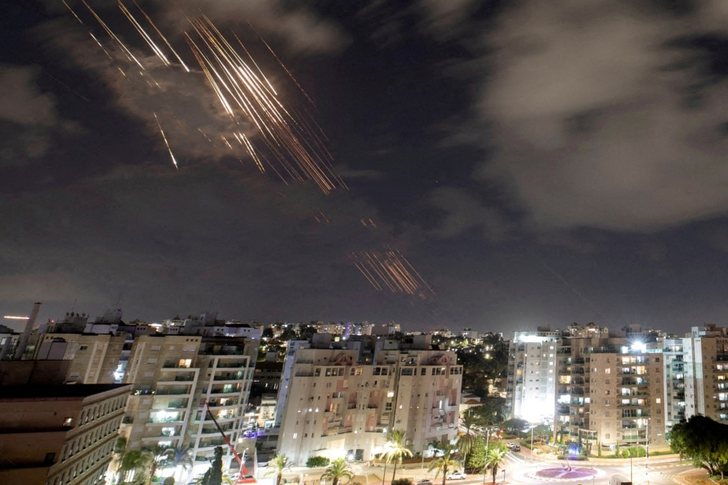
Do rising tensions between Israel and Iran pose a nuclear threat?
Israel's threat to retaliate against Iran's October 1 miss...


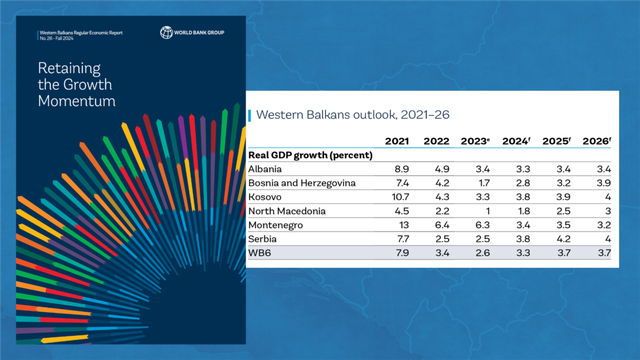
The World Bank estimates that most of the economies of the six countries of the Western Balkans experienced moderate economic growth this year, but warns that the forecast for the future remains uncertain.
According to the latest report of the World Bank, entitled "Maintaining the Pace of Growth", as a whole, the region is expected to record an economic growth of 3.3 percent in 2024, compared to 2.6 in 2023, and this "moderate" growth is expected to continue throughout 2025, the report states.
Overall economic growth in the region is projected to reach 3.7 percent during 2025, according to the World Bank.
"Despite positive forecasts, the region remains fragile" due to weak global economic growth, inflation, political uncertainty and extreme weather, the World Bank said in a statement released Thursday.
In the report on economic growth and other factors affecting it, Kosovo, Serbia, Bosnia and Herzegovina and North Macedonia have recorded growth compared to 2023. Albania has experienced the same level of economic growth as in 2023, while Mali Black is the only country with an economic decline in the region, from 6.3 percent in 2023 to 3.4 percent in 2024.
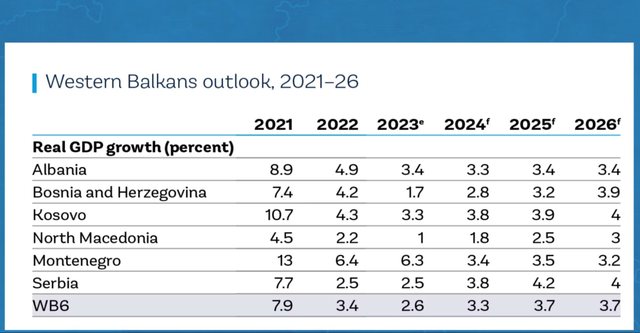
According to the World Bank, in 2024 Albania had an economic growth of 3.3 percent, the same as last year, driven mainly by consumption, tourism and construction.
The poverty rate, according to the report, is expected to moderate while wages will continue to rise. Currently, according to the World Bank, 21.7% of the population in Albania live in poverty, employment has increased by over 1% and wages in the private sector have increased by 12.7%. Foreign investments in Albania during 2024 have increased by 8.5% compared to the previous year.
The main challenges for Albania remain the decline in the number of the population due to emigration, the poor quality of the labor force and the jobs created, as well as the implementation of structural reforms not at the necessary pace, the report states.
In Kosovo, economic growth is 3.8 percent, mainly driven by consumption and diaspora investments in construction.
The main challenges for Kosovo, according to the report, remain reforms in the energy sector, water supply and improvement of human capital, as well as connections with foreign markets.
Among the risks, the World Bank emphasizes the pressure to increase budget expenditures on the eve of the elections, but also the ongoing geopolitical uncertainty, included in the special political context of Kosovo.
In the region, according to the World Bank, Serbia recorded the greatest economic growth, with 3.8 percent, or 1.3 percent greater than that of 2023 due to investments and increased domestic consumption.
"Economic growth during 2024 is the result of fiscal stimulus policies, increased borrowing opportunities and measures to control price inflation, which have led to increased consumption and investment," says the latest World Bank report.
However, according to the report, the small economic growth in the European partner countries has led to a decrease in the demand for exports and services from the region, mainly in the tourism sector.
"The uncertainty related to the drop in demand from EU countries for exports and its impact on the region remains high. Maintaining the current level of economic growth requires a combination of structural reforms and closer economic integration of the countries of the region" , the report states.
In the forecasts of the World Bank, the economic growth in the countries of the region until 2026 will reflect the current trends. Albania is expected to have an increase of 3.4 percent in 2025 and 2026, while Kosovo 3.9 and 4 percent.
The weak economic growth in the European Union, especially in Germany, is affecting the general economic uncertainty of the region as well as increasing the budget deficit, according to the World Bank. The report estimates that remittances from the diaspora will stagnate in 2024.
According to the report, the budget deficit of the states of the region is expected to deepen further this year, reaching 2.5 percent of the Gross National Product, mainly due to the expansion of pension, salary and social security schemes.
"Weakened demands for exports from abroad, in addition to high electricity prices and insufficient growth of the labor market in the EU, which affect diaspora remittances, have led to the deterioration of the budget situation" , says the World Bank report.
The region-wide employment rate (age group over 15 years able to work) according to the report, has improved, reaching 48.5 percent this year, or just six points below the employment rate in EU member states. , but even in this aspect the growth is not uniform in all countries. Kosovo continues to have the largest number of unemployed, with only 37% of the population able to work, employed. In Albania, at the end of 2023, the employment rate was 66.7%.
Poverty alleviation, according to the report, has continued across the region, but the rate of reduction is slower than before the pandemic, mainly due to slower economic growth and higher food prices in recent years. Overall, the World Bank predicts a 1% reduction in poverty each year.
According to the Bank's report, consumption and investments are expected to play a more important role in economic growth in the coming years, while imports will exceed exports.
Albania and Serbia have recorded the best economic growth in the region driven by investments. In Albania, growth is driven by construction and the improved business climate, according to the report.
The World Bank evaluates the new EU plan for the Western Balkans as a positive step that can support the economic growth of the region, but at the same time warns that there are ongoing risks, such as "slow global growth, price increases, political uncertainty and damage from extreme weather.” The report calls for labor market reforms, in particular for increasing the inclusion of women in it.
The World Bank also singles out immigration in the region, which according to it, is the largest country of origin of immigrants in the world relative to population, with 1 in four residents living abroad. In this category, Bosnia and Albania are the countries with the highest number of immigrants from the region, with about a third of the residents having left their countries in search of a job.
According to the Bank's report, while the residents of the region have left their countries, they have been replaced by foreign workers who are meeting the demands of the labor market.
"In the period between 2000 and 2020, the population has decreased by 8 percent, or 1.2 million inhabitants," said the Bank's report, adding that such trends will continue in the future and urging the countries of the region to draw policies to engage immigrants to contribute to the economies of their countries of origin.
To accelerate economic sustainability, the World Bank says greater economic integration of the region is needed.
"To drive this growth, countries need to increase regional and EU trade, cut border waiting times and integrate payment systems... To move from middle-income (countries) status to of high-income countries, it is essential to improve the education and health systems," the report states./ VOA

Israel's threat to retaliate against Iran's October 1 miss...
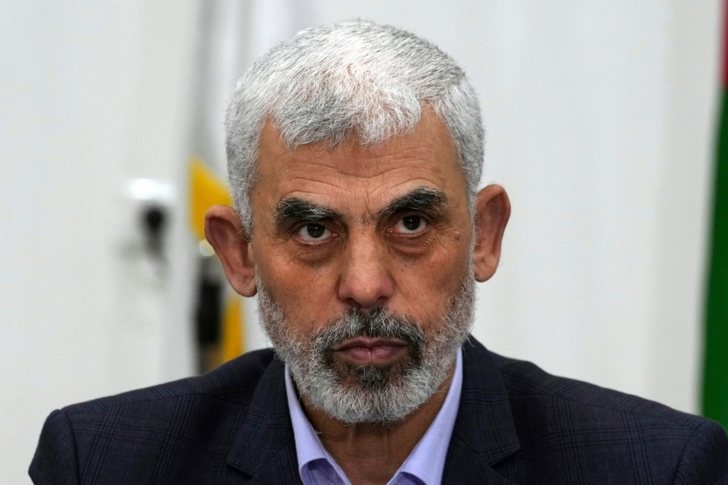
The Israeli military said it is investigating whether Yahy...
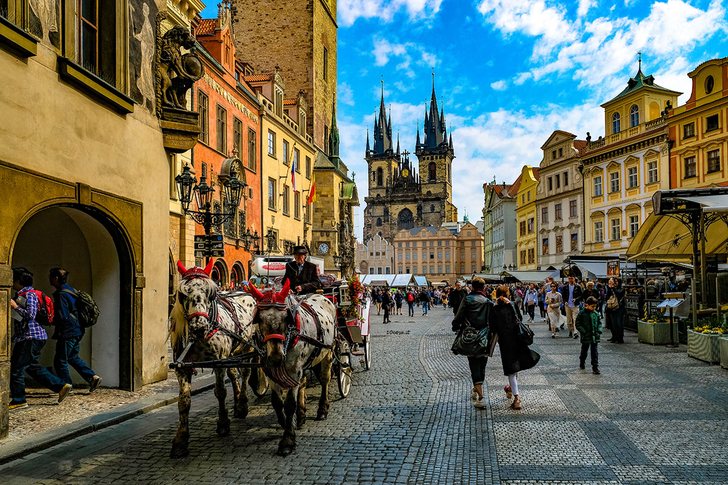
Prague has decided to limit problematic tourists visit...
Cocaine is increasingly being found on beaches along the N...
Israel's defense minister on Wednesday called French Presi...
A solution to the rapidly expanding regional conflict that...
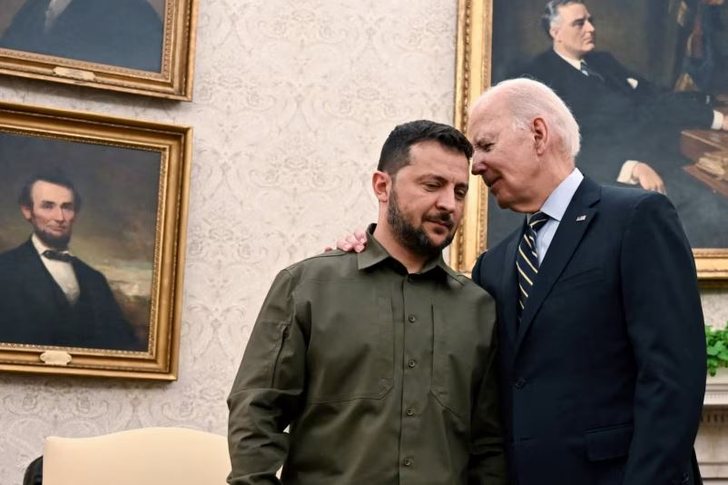
The President of the United States, Joe Biden, announced o...
The United States would like Kosovo to become part of the ...
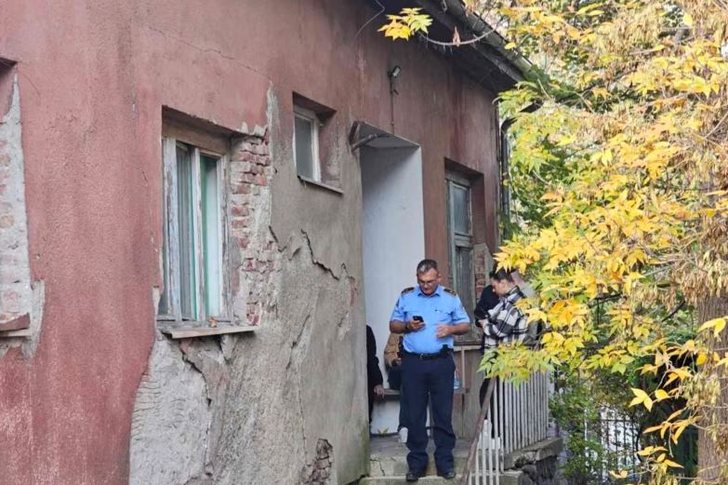
On Wednesday, the Kosovo authorities closed a parallel Ser...
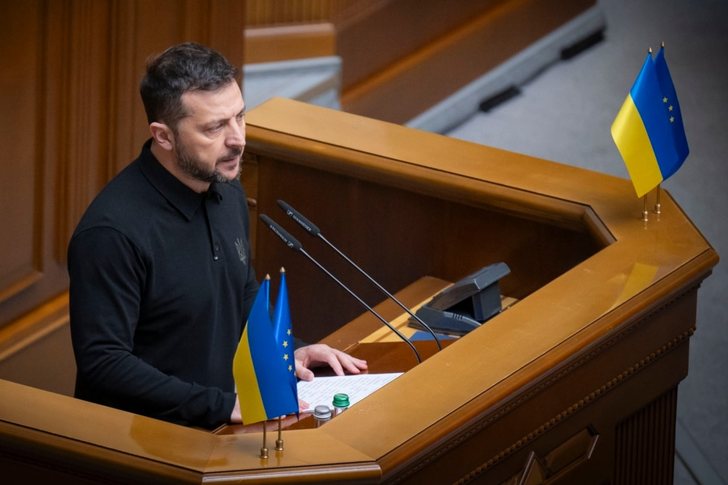
Ukrainian President Volodymyr Zelensky presented his "...
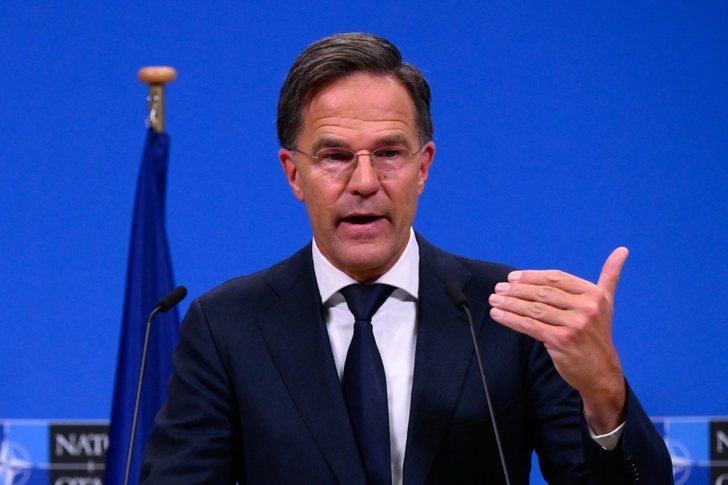
The new head of NATO, Mark Rutte, said on Wednesday th...
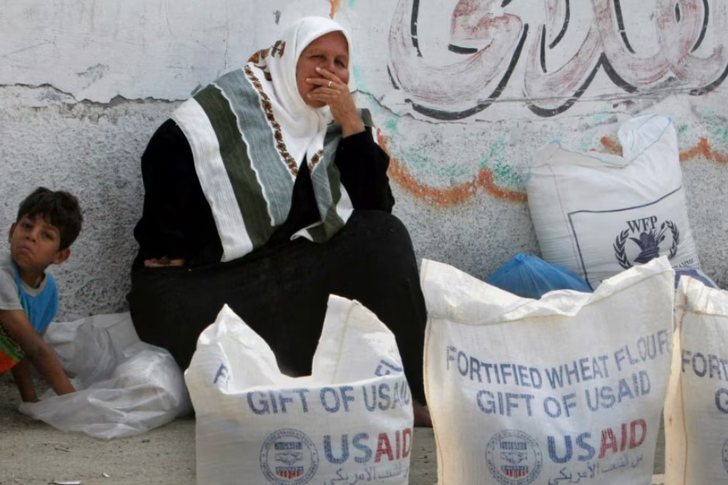
The United States has sent a letter to Israel asking it to...
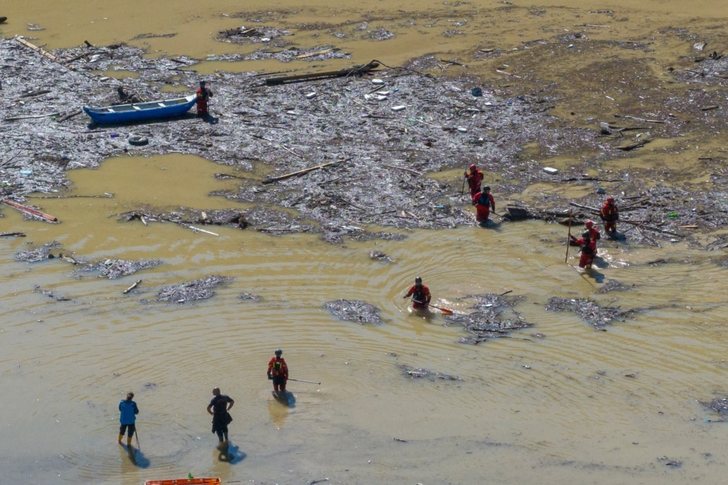
The body of the latest victim of the deadly and devast...
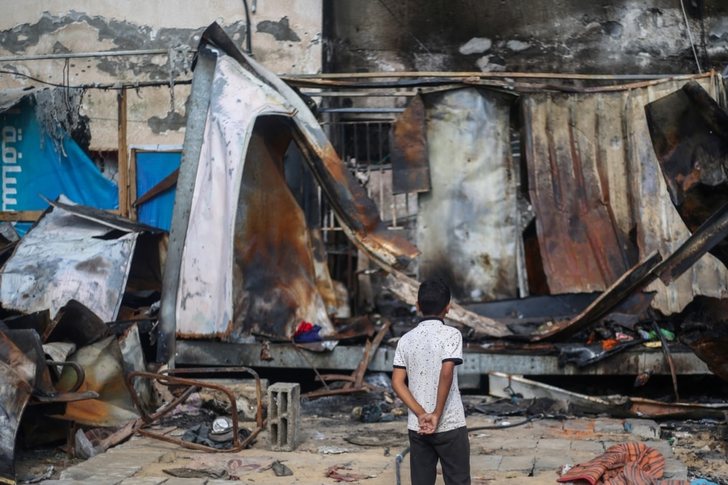
Great Britain and France have called an emergency meeting ...

A former Radio Free Europe (REL) journalist who returned t...

On average, Germans spend 27 minutes a day reading pri...

Një 37-vjeçar shqiptar është arrestuar nga policia italian...

About 2,000 people attended the burial Tuesday of 19 peopl...
The United States has warned Israel that it must improve t...

Eric Adams, New York's embattled mayor, could be embroiled...

CNA has launched another investigation that could lead to ...

Irfan Hysenbelliu is a businessman that we call "Irfan the...

In March 2026, CNA launched another investigation centered...
The arrested mayor of Tirana, Erion Veliaj, with 13 charge...

The Special Board of Appeal (KPA) decided this Monday ...

The KPA vetting decided this Thursday to dismiss the p...

Suela Salavaçi, a prosecutor in the Prosecutor's Offic...

The Special Board of Appeal reinstated the prosecutor ...

A road accident occurred this evening on Nikolla Zoraqi St...

Three people were shot and wounded in Elbasan last night b...

A serious incident occurred this Tuesday in the Yrshek are...

An accident occurred this Tuesday on "Dituria" street in K...

All of Southern Europe will face changing weather conditio...

Albania was hit by temperatures significantly higher than ...

For the first time, Pogradec welcomed the Inter-Lake Chess...

Albania has achieved a record for the employment of foreig...

US Secretary of State Marco Rubio arrived in Manila on Jul...

In the space of a few days, Ukrainian President Volodymyr ...

The spokesman for the Iranian Foreign Ministry warned Bulg...

Autoritetet italiane sekuestruan pako me afër 800 kilogram...

At a time when industrial products are increasingly taking...

Trust among people is not just a three-syllable word. It c...

Master of humor Todi Llupi has passed away at the age of 7...

The ninth edition of "MIK Festival" kicked off with one of...

Construction company licenses will have a validity period ...

The Centralized Purchasing Operator recently opened a tend...
The new draft law "On the Bank of Albania" provides that t...

This Tuesday, one US dollar is bought for 81.2 lek and sol...