

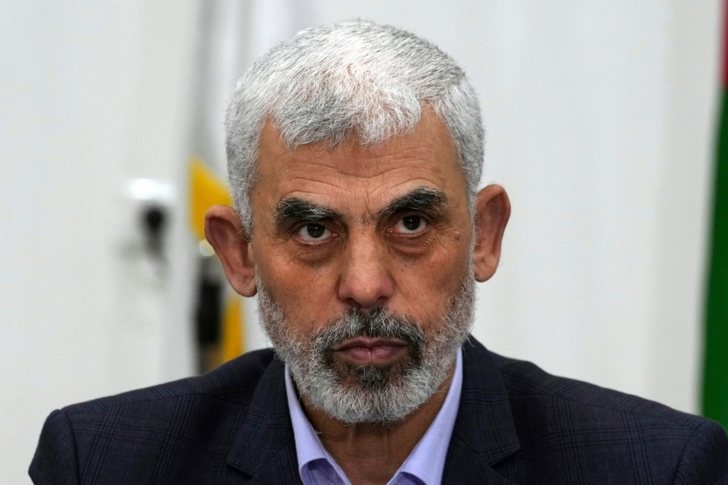
Israel is investigating whether it killed the head of Hamas in Gaza
The Israeli military said it is investigating whether Yahy...


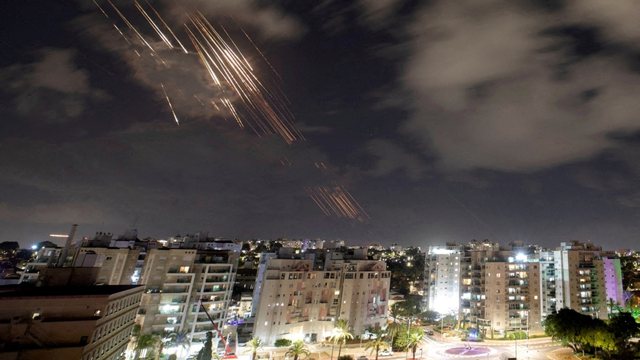
Israel's threat to retaliate against Iran's October 1 missile attack is raising fears of a nuclear confrontation in the region. As Voice of America correspondent Heather Murdock reports, analysts do not believe that Israel and Iran see any benefit in using nuclear weapons, considering the catastrophic consequences of such an attack. However, an Israeli attack on Iran's nuclear facilities would prompt the Islamic republic to develop its own nuclear weapons, according to experts.
Israel has never denied that it has nuclear weapons.
Analysts say Iran does not yet have them, but the Islamic republic has the expertise and resources to produce nuclear weapons.
Israel is not in direct conflict with Iran, but is at war with groups supported by Tehran. However, Israel has warned that it will respond to hundreds of missiles that Iran fired at the Jewish state on October 1, promising that the attack will be "lethal, precise and surprise".
Iran has vowed to respond to the attack warned by Israel.
"This conflict ultimately brings to the surface Israel's biggest security problem, the ongoing hostility with Iran and Tehran's support for the 'Axis of Resistance' groups, which are active on Israel's borders," says Sanam Vakil of the British institute. Chatham House'.
The term "Axis of Resistance" refers to Iranian-backed military groups that have called for the destruction of Israel. It includes the Hezbollah group in Lebanon, where more than 2,300 people have been killed and 1.2 million displaced by Israeli attacks in recent weeks. It also includes the Hamas group in Gaza.
The conflict began when Hamas killed 1,200 people and kidnapped hundreds more inside Israel in a surprise attack on October 7 last year.
Since then, Gaza's health ministry says more than 42,000 people have been killed and nearly all of Gaza's civilian population has been driven from their homes.
Experts, however, say this does not mean the conflict will lead to a nuclear war.
"I don't expect Israel or Iran to see any benefit in using nuclear weapons because of the catastrophic consequences that would follow. "Both countries understand that the use of nuclear weapons would provoke massive retaliation, potentially leading to their destruction," says Samuel M. Hickey of the Center for Arms Control in Washington.
Israel has said it has no intention of striking nuclear facilities, after much speculation by politicians and analysts about what Israeli forces would do after the Iranian attack.
Analyst Hickey says even if Iran's nuclear facilities are hit, it is not likely to prevent Iran from developing such a bomb.
"Iran's nuclear facilities may be bombed, but they will continue to operate elsewhere. Work can continue in facilities underground," says Mr. Hickey.
A video previously released by news agencies is believed to show one of Iran's nuclear facilities in Isfahan.
Attacks on or near areas like this could cause radioactivity to spread to civilian areas. Such an attack could also encourage Iran to build nuclear weapons, although Tehran has previously said it would not.
"Israel's actions and lack of diplomatic engagement to urge Iran to limit its nuclear program could, over time, lead to Iran's production of nuclear weapons. This, of course, would be disastrous for the region," says Sanam Vakil from the London-based organization Chatham House.
How long it would take Iran to build nuclear weapons has been the subject of much speculation.
Analyst Samuel Hickey says the time it would take Iran to produce the right nuclear material for the bomb is about a week.
After that, the production of the bomb, he says, would be done in secret and it would take at least a few months./ VOA

The Israeli military said it is investigating whether Yahy...

Prague has decided to limit problematic tourists visit...

Cocaine is increasingly being found on beaches along the N...
Israel's defense minister on Wednesday called French Presi...
A solution to the rapidly expanding regional conflict that...
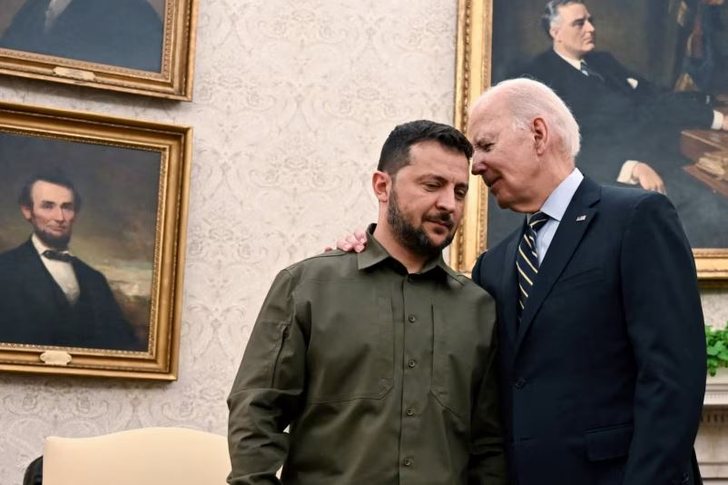
The President of the United States, Joe Biden, announced o...
The United States would like Kosovo to become part of the ...
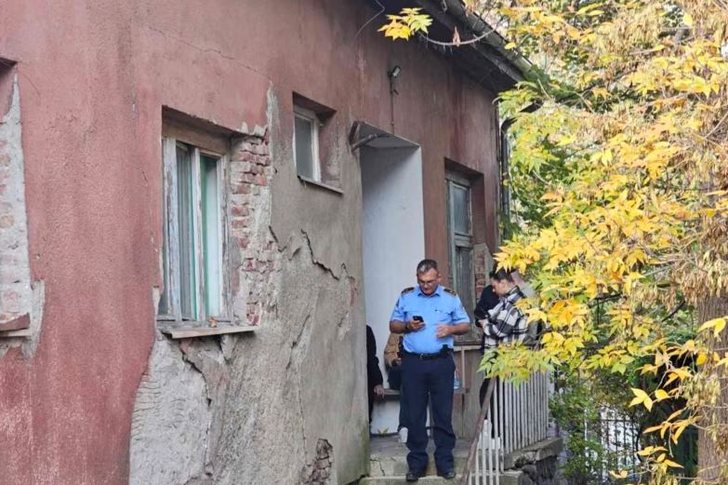
On Wednesday, the Kosovo authorities closed a parallel Ser...
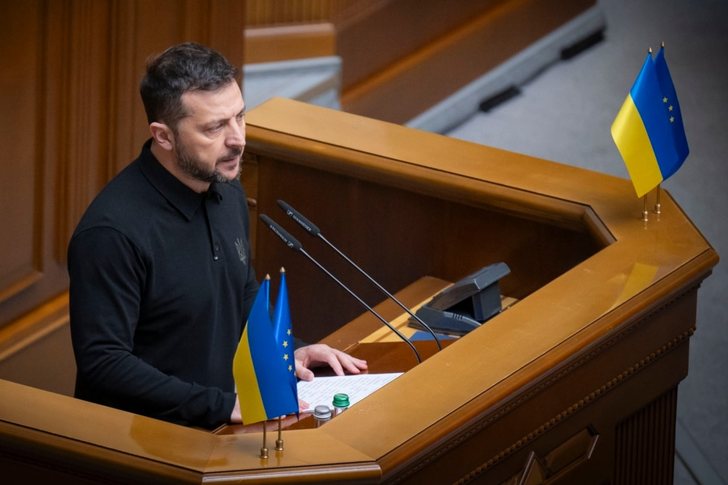
Ukrainian President Volodymyr Zelensky presented his "...
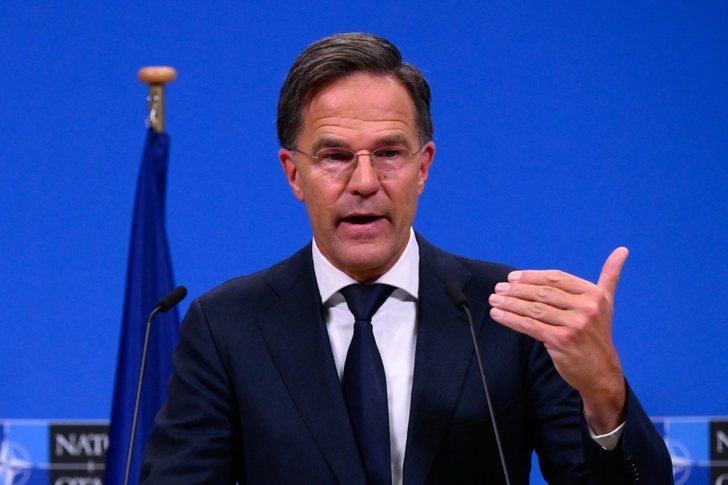
The new head of NATO, Mark Rutte, said on Wednesday th...
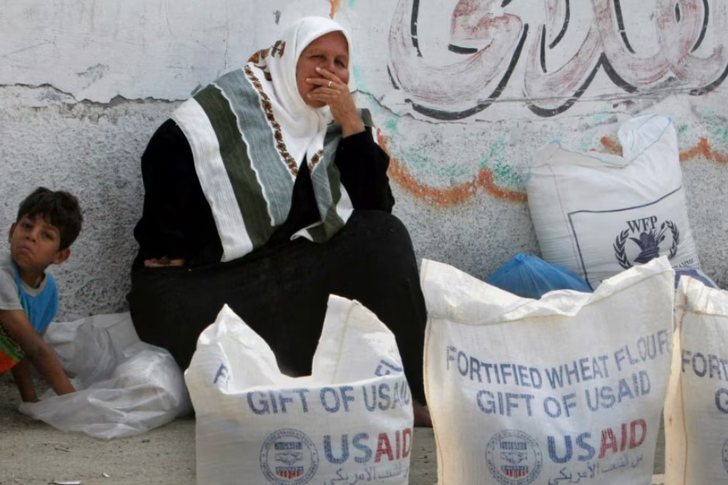
The United States has sent a letter to Israel asking it to...
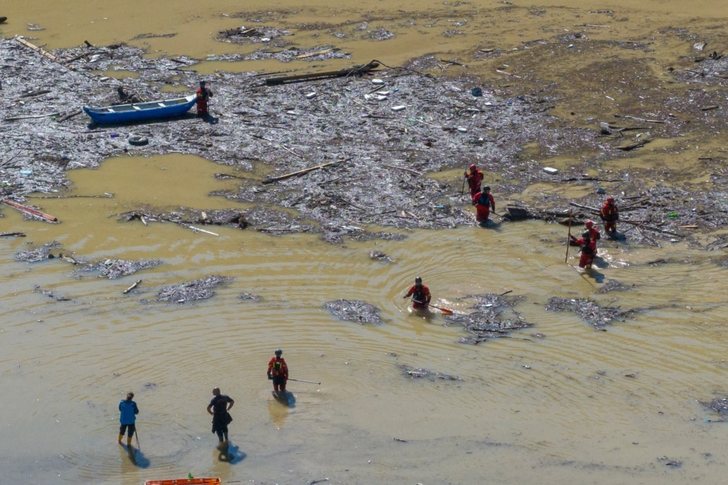
The body of the latest victim of the deadly and devast...
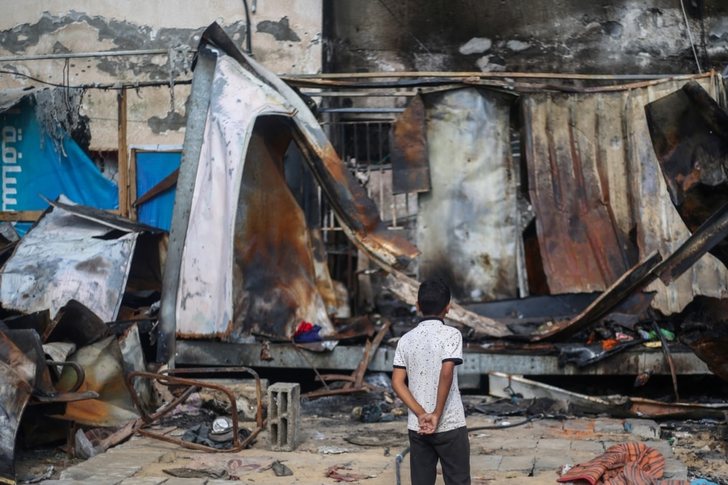
Great Britain and France have called an emergency meeting ...
A former Radio Free Europe (REL) journalist who returned t...

On average, Germans spend 27 minutes a day reading pri...

Një 37-vjeçar shqiptar është arrestuar nga policia italian...
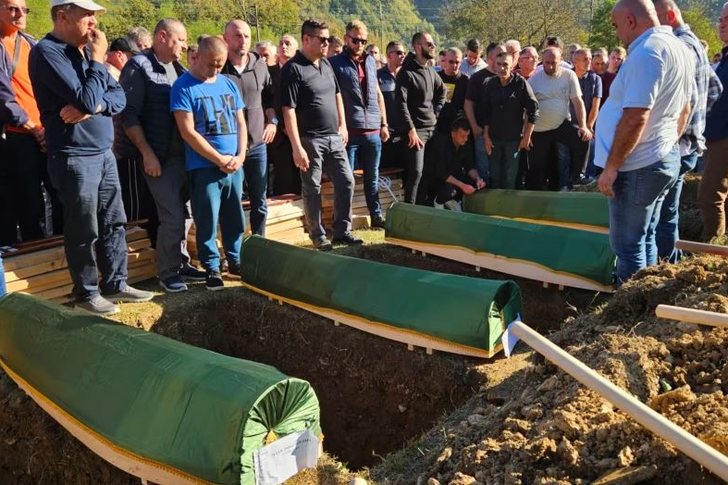
About 2,000 people attended the burial Tuesday of 19 peopl...
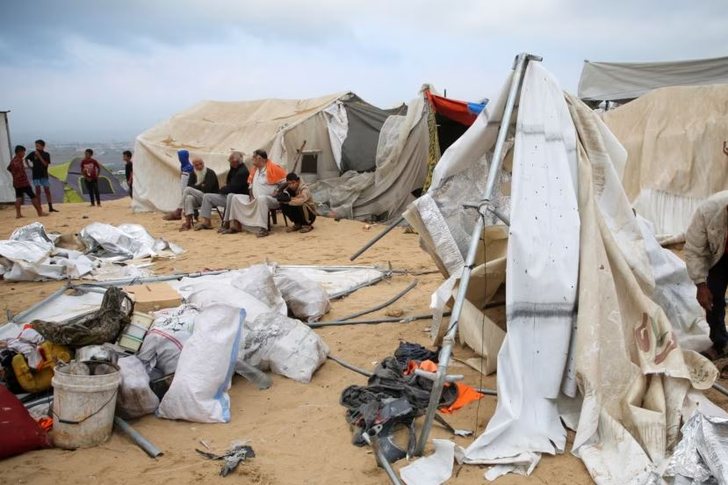
The United States has warned Israel that it must improve t...

Eric Adams, New York's embattled mayor, could be embroiled...

A Syrian citizen was arrested on Tuesday in the west of Ko...

CNA has launched another investigation that could lead to ...

Irfan Hysenbelliu is a businessman that we call "Irfan the...

In March 2026, CNA launched another investigation centered...
The arrested mayor of Tirana, Erion Veliaj, with 13 charge...

The Special Board of Appeal (KPA) decided this Monday ...

The KPA vetting decided this Thursday to dismiss the p...

Suela Salavaçi, a prosecutor in the Prosecutor's Offic...

The Special Board of Appeal reinstated the prosecutor ...

A road accident occurred this evening on Nikolla Zoraqi St...

Three people were shot and wounded in Elbasan last night b...

A serious incident occurred this Tuesday in the Yrshek are...

An accident occurred this Tuesday on "Dituria" street in K...

All of Southern Europe will face changing weather conditio...

Albania was hit by temperatures significantly higher than ...

For the first time, Pogradec welcomed the Inter-Lake Chess...

Albania has achieved a record for the employment of foreig...

US Secretary of State Marco Rubio arrived in Manila on Jul...

In the space of a few days, Ukrainian President Volodymyr ...

The spokesman for the Iranian Foreign Ministry warned Bulg...

Autoritetet italiane sekuestruan pako me afër 800 kilogram...

At a time when industrial products are increasingly taking...

Trust among people is not just a three-syllable word. It c...

Master of humor Todi Llupi has passed away at the age of 7...

The ninth edition of "MIK Festival" kicked off with one of...

Construction company licenses will have a validity period ...

The Centralized Purchasing Operator recently opened a tend...

The new draft law "On the Bank of Albania" provides that t...

This Tuesday, one US dollar is bought for 81.2 lek and sol...