

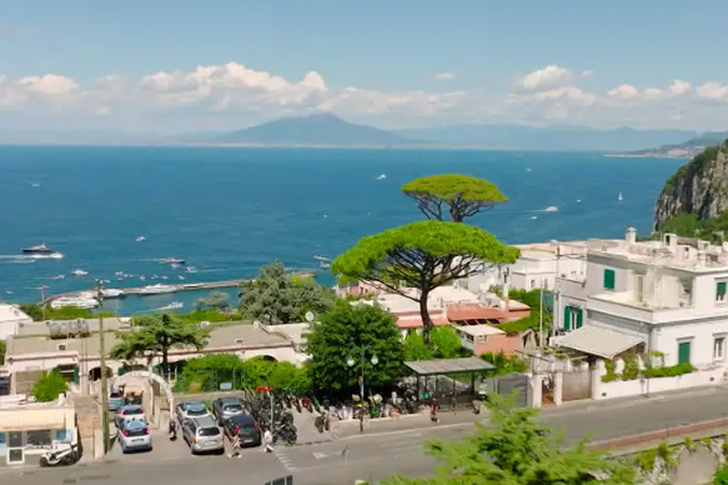
Italy, curbs on mass tourism/ Restrictions imposed in Capri
Capri has just 13,000 inhabitants, but in the summer up to...


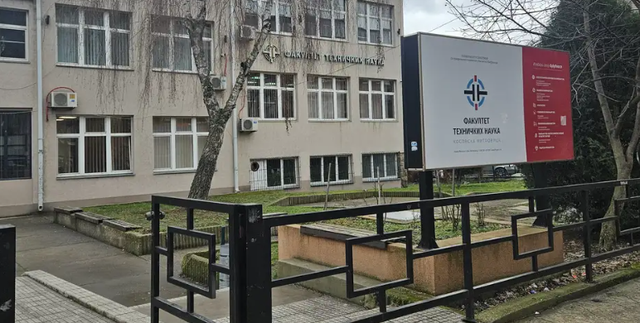
Leave or integrate into the Kosovo education system, this is the ultimatum given to a Serbian faculty in northern Kosovo. What is the situation there?
The Faculty of Technical Sciences (FTN) in North Mitrovica – which operates within the school system of the Republic of Serbia and is part of the University of Pristina, with temporary headquarters in north Mitrovica – received a letter from the University of Pristina in Kosovo three days ago.
The letter states that the Faculty is "currently an illegal user of a land parcel owned by the University of Pristina in the Republic of Kosovo." The letter demands "the release of the occupied real estate" and demands that the FTN leave within 30 days or begin the process of regularizing relations with the University of Pristina.
This event drew attention to the issue that has been one of the biggest concerns of Kosovo Serbs in recent months – the integration of education and healthcare into the Kosovo system, the only two remaining areas that function within the system of the Republic of Serbia in Kosovo.
Very prepared, a little surprised
This development regarding the remaining parallel structures in Kosovo apparently surprised neither analysts nor Serbs there. For months, healthcare and education workers have been rapidly submitting requests for verification of Serbian diplomas in the Kosovo system, in order to be ready for the news of integration announced by the Pristina authorities.
This, as lawyer Dragutin Nenezic explains to DW, is "an integral part of the process that was expected." But, he says, it started suddenly with the property issue, not with the Law on Foreigners - which comes into force on March 15 and stipulates that anyone without Kosovo documents will be forced to register their stay in Kosovo.
However, "what is worrying is the speed and synchronization of the movements," says Branka Petkovic, a professor at the Faculty of Science and Mathematics of the University of Pristina with temporary headquarters in North Mitrovica. She emphasizes that the impression is that "the processes have been prepared for a long time, with silence or inadequate responses from the competent institutions and authorities of Serbia," and that the situation is further complicated by the fact that the academic community and citizens do not have clear information about the plans and strategy for "preserving the last institution of vital importance that remains for the Serbian and non-Albanian community, education and healthcare."
"The teaching staff and students are seriously concerned," Professor Petkovic said. This was confirmed in a statement to DW by a student from the university, who wished to remain anonymous.
He emphasizes that the students are "discouraged and demoralized, as expected. No one asks them, and not even the faculty administration informed them," which, he says, "further irritates them."
"No one knows for sure how the situation will develop, but there has never been so much talk about leaving as before," he emphasizes.
Are the next few weeks crucial?
Dragisa Mija?i?, coordinator of the Working Group for Chapter 35 of the National Convention on the European Union, sees the letter sent to the FTN as "another form of continuous pressure on the educational institutions of the Republic of Serbia", but also highlights the problem of the unresolved issue of public property in Kosovo.
"This is a topic that the Serbian Government and the Kosovo Government have avoided for years. Now this form of inertia is coming, and the same thing could happen with other public facilities like the hospital in North Mitrovica, primary and secondary schools, all other public facilities," Mija?i? emphasizes.
The letter was delivered to the FTN on the same day that Kosovo Deputy Prime Minister Besnik Bislimi declared that the coming weeks are crucial for health and education. He also sent an invitation to the mayors of Serb-majority municipalities for a meeting on the topic of including these institutions in the Kosovo system.
The meeting with the Minister of Local Self-Government Elbert Krasniqi in Pristina was attended by the mayors of the municipalities in the North. But the topic, as the mayor of the municipality of North Mitrovica Milan Radojevic emphasized, was not the integration of health and education.
"This issue is not for us, it is an issue that should be resolved in Brussels, between the official negotiators of Belgrade and Pristina. We as mayors believe that this is not a topic that should be addressed by mayors, but exclusively a topic for negotiations," said Radojevic.
He emphasized that the topic of the meeting was exclusively related to the problems in Serb-majority municipalities and expressed the hope "that both the Minister and the Government will listen to the problems we face in our municipalities."
Under the radar of Belgrade and Pristina
Although the news of the request to relocate one of the Serbian faculties is almost officially the beginning of the "moving of the ball" regarding the integration of education into Kosovo institutions, there have been lukewarm, almost non-existent reactions from Belgrade.
The only one who spoke was the director of the Office for Kosovo, Petar Petkovic, who told the European External Action Service's Deputy Director for Western Europe, Emmanuel Gioffre: "Belgrade and the Serbs from Kosovo and Metohija expect the European Union and all other relevant actors to take with the utmost seriousness such movements and announcements from Pristina, which lead to the direct ethnic cleansing of our people from this area."
DW's interlocutors are not surprised by such reactions. "First of all, the silence of President Vu?i?, who is the creator and main bearer of Serbia's policy towards Kosovo, is significant. Even though he wants to move away from the topic of Kosovo, the greatest responsibility and the greatest expectations certainly belong to him," emphasizes Dragisa Mija?i?.
Although it made no announcement on the day of the letter's delivery, the Serbian List - the largest party of Kosovo Serbs - held a meeting yesterday with representatives of health and education institutions, precisely at the premises of the FTN. In the statement that was adopted, they called for legal and administrative relief for citizens, protection of educational and health institutions, as well as stronger engagement of the international community.
On the other hand, this news seems to have gone even more unnoticed among Kosovo politicians. Preoccupied with the constitution of the Government and Parliament, after a political blockade that lasted several months, reactions from Pristina were almost non-existent.
However, Kosovo Prime Minister Albin Kurti announced the "gradual integration of the health and education systems" in mid-January, with the message that this process would be carried out in coordination with the European Union and with respect for the views of the Serbian community. "This is just an indication that all this is the implementation of what was agreed upon several years ago. This level of silence only shows that everything was done deliberately," concludes lawyer Dragutin Nenezi?./ DW

Capri has just 13,000 inhabitants, but in the summer up to...
The far-right Alternative for Germany (AfD) party is plann...
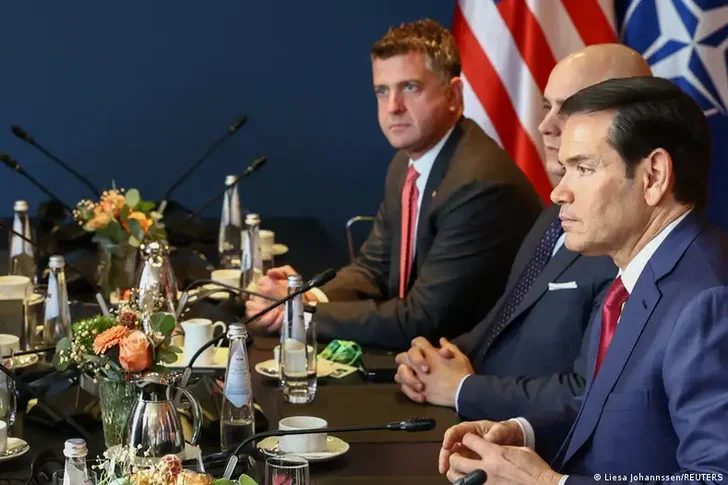
Marco Rubio, Sekretari i Shtetit i SHBA-së, pritej me padu...
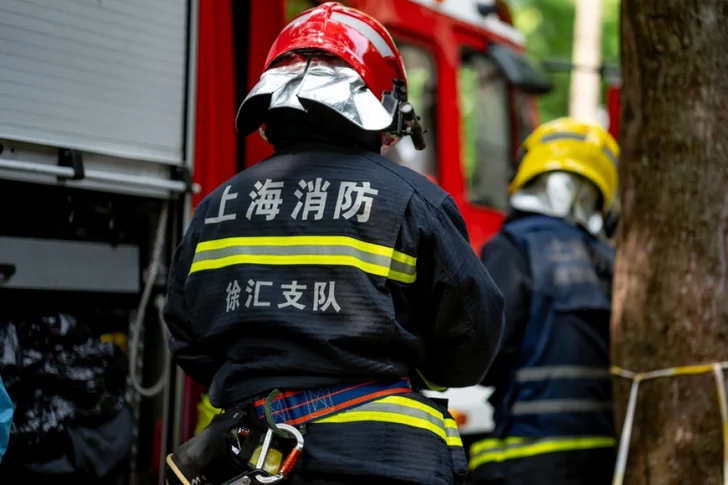
An explosion at a fireworks shop in eastern China has kill...
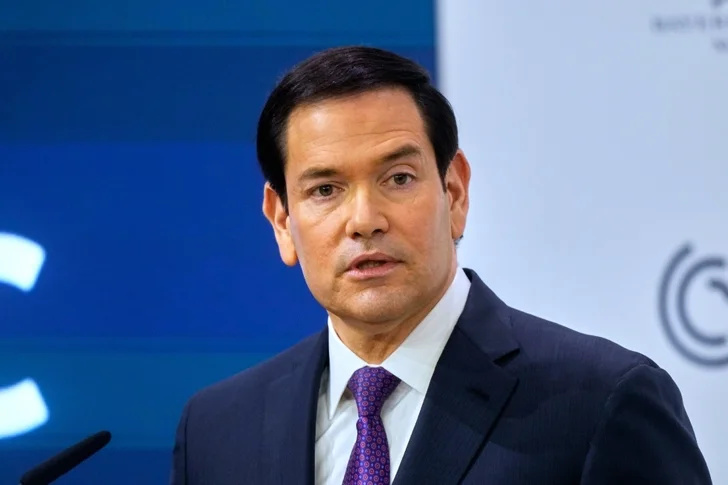
US Secretary of State Marco Rubio has stated that the Unit...

The United States announced that American soldiers have in...

Ukrainian President Volodymyr Zelensky said Ukraine has re...

US President Donald Trump announced that members of the "P...
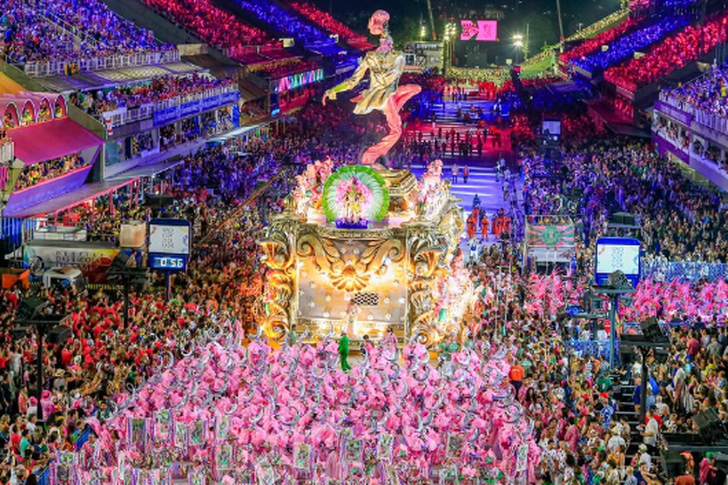
Carnival celebrations are in full swing in Rio de Janeiro,...

US President Donald Trump has told Israeli Prime Minister ...

Five European countries, the United Kingdom, France, Germa...
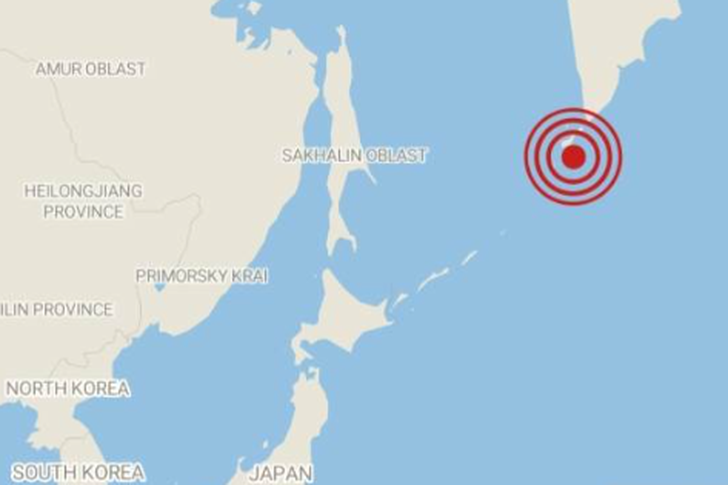
A magnitude 6.0 earthquake struck the sea area around the ...
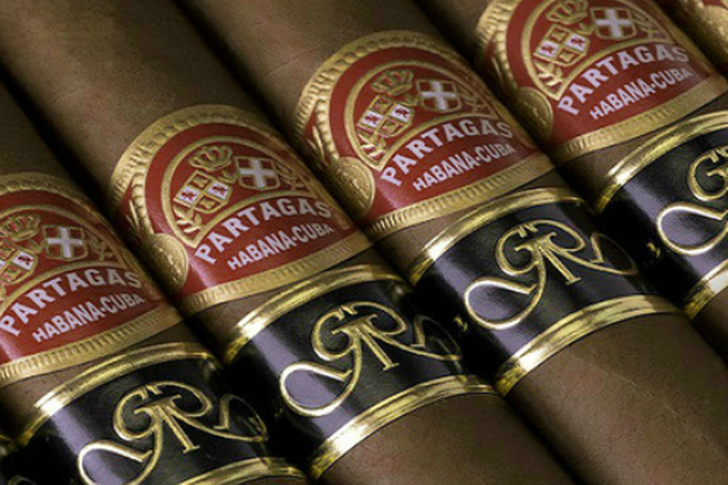
Cuba has announced that it will not hold its annual cigar ...
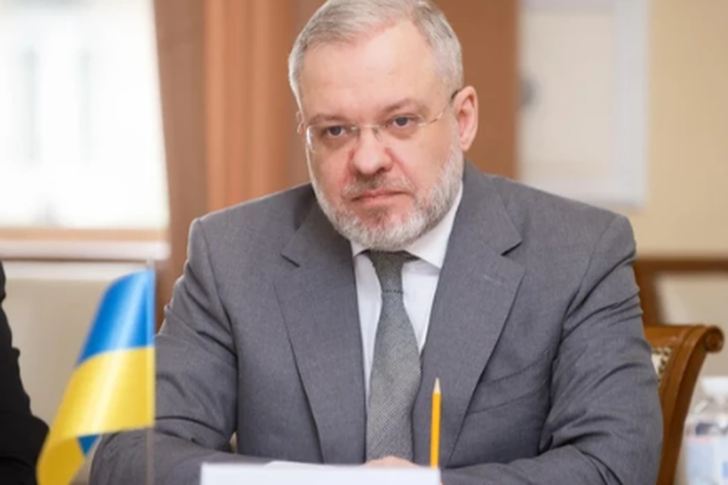
Ukraine's former Energy Minister Herman Halushchenko was a...
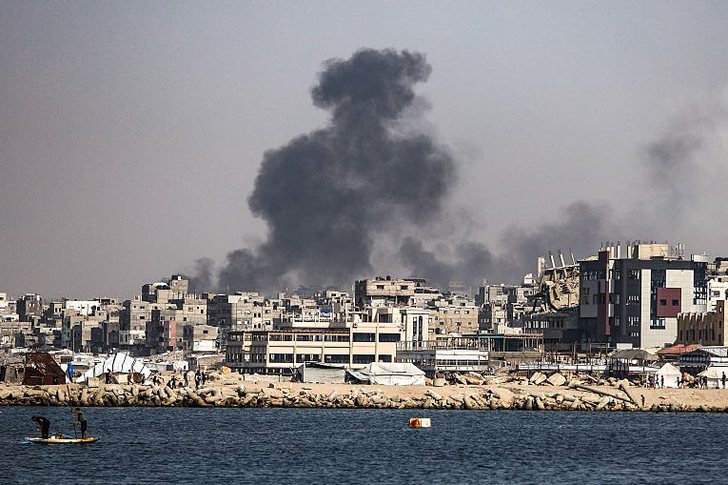
Sulmet ajrore izraelite vijojnë në Gaza, ndërsa ditën e...
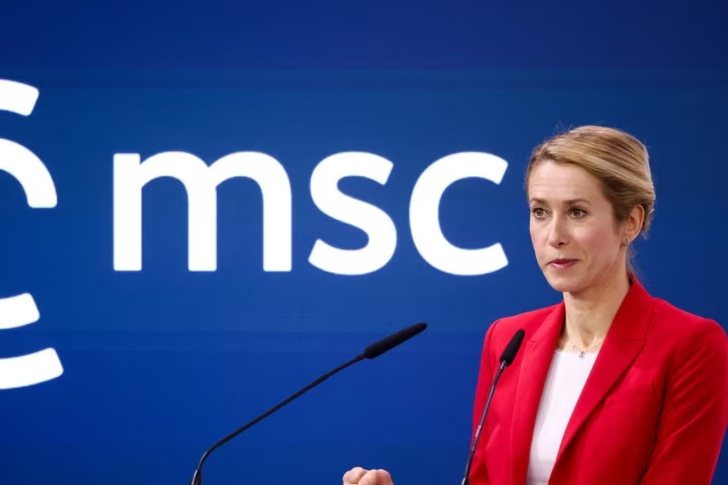
The European Union's High Representative for Foreign Affai...
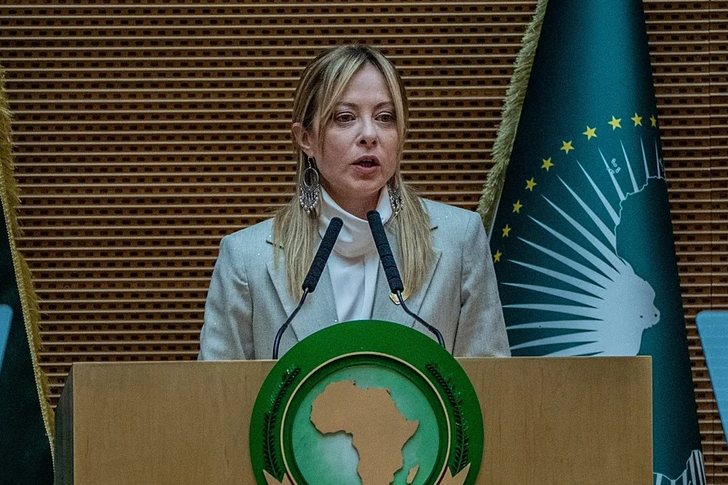
Italian Prime Minister Giorgia Meloni has announced that s...
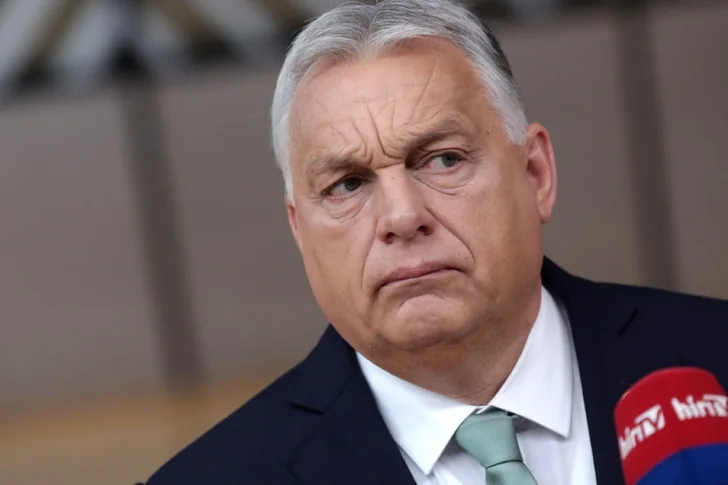
At a campaign rally, Hungarian Prime Minister Viktor Orban...
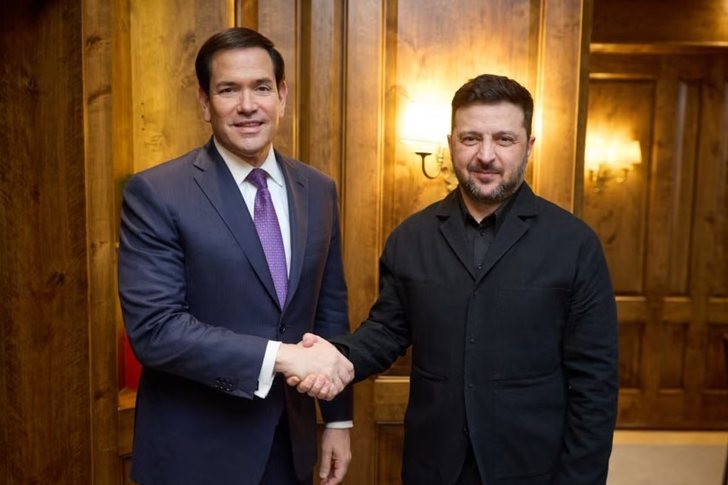
On his second day at the Munich Security Conference, US Se...
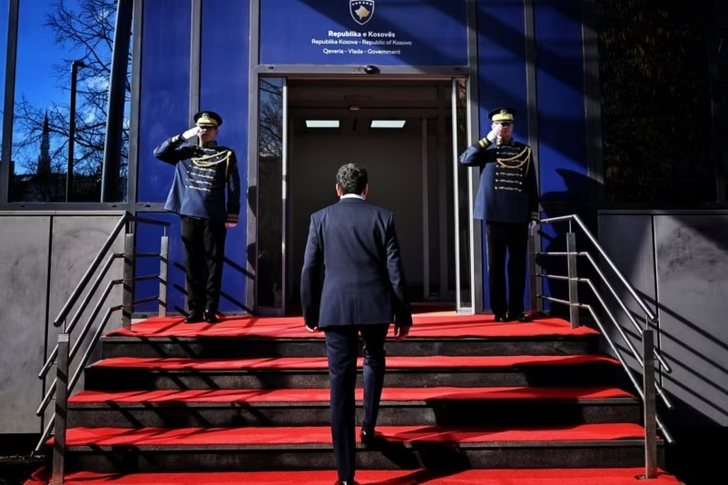
Albin Kurti won the trust of voters with a strong discours...

CNA has launched another investigation that could lead to ...

Irfan Hysenbelliu is a businessman that we call "Irfan the...

In March 2026, CNA launched another investigation centered...
The arrested mayor of Tirana, Erion Veliaj, with 13 charge...

The Special Board of Appeal (KPA) decided this Monday ...

The KPA vetting decided this Thursday to dismiss the p...

Suela Salavaçi, a prosecutor in the Prosecutor's Offic...

The Special Board of Appeal reinstated the prosecutor ...
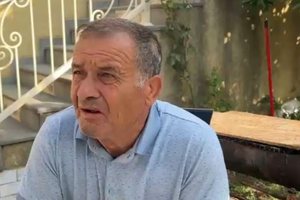
A serious incident occurred in Fier where citizen RB, 35 y...
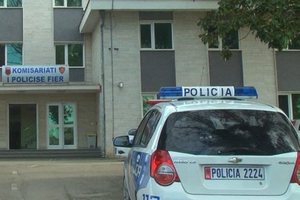
Roskovec/Preliminary information At around 06:00, in the ...
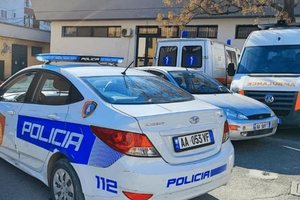
A serious incident occurred in Fier in the village of Vidh...
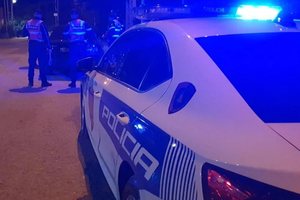
A conflict occurred this Thursday evening in the toy area ...

By noon, cloudiness is expected to prevail in almost all o...
Children without parental care, for whom alternative famil...
On Thursday, our country will be under the influence of st...
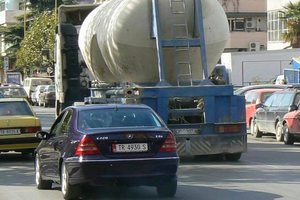
A serious accident that occurred this Wednesday with the c...
The European Union Office in Kosovo has called on all poli...
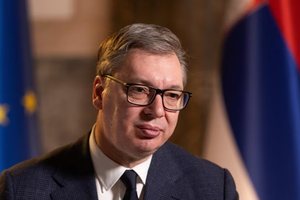
Serbian President Aleksandar Vučić, at a press conference ...

For the first time since the launch of the euro, European ...

Artificial intelligence (AI) models from the American comp...

At a time when industrial products are increasingly taking...

Trust among people is not just a three-syllable word. It c...

Master of humor Todi Llupi has passed away at the age of 7...

The ninth edition of "MIK Festival" kicked off with one of...
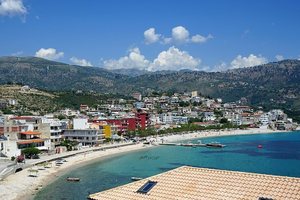
The number of active enterprises in Albania continued to g...
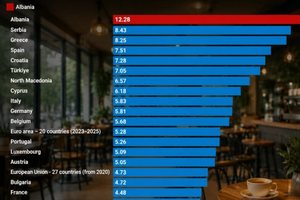
In Albania, the bar-cafe has long become an almost unique ...

This Friday, one US dollar is bought for 81.7 lek and sold...
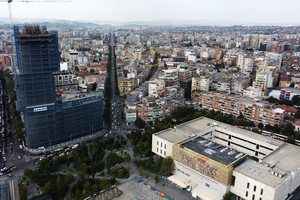
The average sale price of apartments in Tirana reaches rec...