


The opposition makes noise/The Assembly adopts resolutions on the work of SPAK and other institutions
The opposition has caused a ruckus in the next parliamenta...

The opposition has caused a ruckus in the next parliamenta...

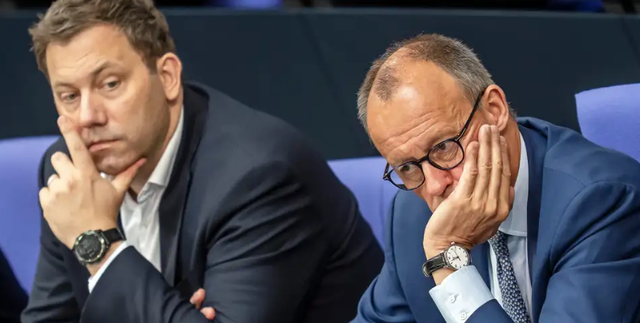
Will Germany impose higher taxes on the wealthy to close a budget gap of more than 30 billion euros? A major debate is taking place in Germany between the coalition parties.
The German budget for 2027 is facing a deficit of several billion euros. Therefore, Finance Minister Lars Klingbeil does not rule out a tax increase for those with high incomes. The Christian Democrats are outraged. Now Klingbeil, who is also the leader of the SPD, has clarified his position on the show "Bericht aus Berlin", emphasizing that everyone must make their contribution.
For weeks now, there has been a debate in Germany about whether higher taxes on the wealthy are needed to close a budget gap of more than 30 billion euros. Finance Minister Lars Klingbeil announced this in an interview with ZDF in mid-August, but faced stiff resistance from coalition partners from the CDU/CSU parties.
Now Klingbeil has defended and specified his position on the show "Bericht aus Berlin". He said that the budget deficit for 2027 had increased further due to projects such as the "mother's pension" and compensation for municipalities as part of the "growth stimulus" project.
"I don't think there's ever been a federal government that has had to close such a big budget gap," Klingbeil said. "And I advise that all options be kept open until we can announce that the $30 billion has been paid off and that this gap has been closed."
Klingbeil warns of the risk of "social cuts"
Reflecting on the Christian Democrats' refusal to discuss tax increases, Klingbeil said: "I wonder what ideas the chancellor and others will propose to close the 30 billion deficit."
The SPD leader warned that cuts to social systems should not be the main objective in this context: "There are some, I sometimes notice this in the political debate, who seem to think that all the money can be saved on pensions, healthcare, care for the disabled and other things."
Klingbeil said it was now about the whole package, which had to be fair and balanced. "We will have to ask people for something, that's true. But it's very important that there is a feeling that this belongs to everyone and that everyone has to contribute." He added that he was pleased that the debate on this was starting now. "It's important to me that we don't just start when the 2027 budget approaches, but that we do this in the coming weeks."
Merz clearly opposes tax increases
Meanwhile, Federal Chancellor Friedrich Merz has clearly rejected the idea of ??raising taxes. The CDU/CSU and SPD agreed in the coalition agreement that taxes would not be raised, the CDU chairman said in a summer interview with ZDF, adding: "The agreed coalition agreement stands."
The topic was discussed extensively in coalition negotiations. At the time, CSU leader Markus Söder and CDU leader Friedrich Merz made it clear to Klingbeil that they would not sign the agreement if the SPD insisted on tax increases. "The SPD knows this very well," Merz said.
The chancellor added: "The fact that the SPD has different views on this issue is just as good as the fact that we have our own views on other issues. We are not looking for what divides us. We are looking for what allows us to govern together and responsibly."
Söder calls on the SPD to respect the agreement
Söder also criticized Klingbeil's proposals. "No, we are not raising taxes now. We should lower taxes," he told Handelsblatt. "Anyone who signs a coalition agreement should implement it and not question everything after a few months."
Söder also rejected the idea of ??some CDU MPs offering the SPD higher taxes on the wealthy in exchange for reforms to the welfare system. "That is out of the question for me," the CSU leader stressed. Söder stressed that the costs caused by migration and the exploitation of welfare systems have exploded and that a "fundamental update" is needed.
He is again calling for a reform of social benefits, called "Bürgergeld", which would mean stricter criteria for those who refuse to work or receive money from the state for housing and services. This position is also held by CDU leader and Chancellor Friedrich Merz./ DW

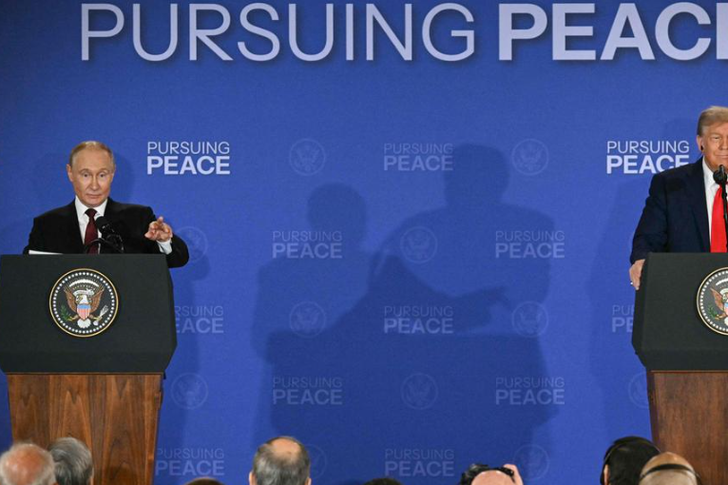
US President Donald Trump again expressed disappointment t...

Google will not be forced to sell its Chrome web browser, ...
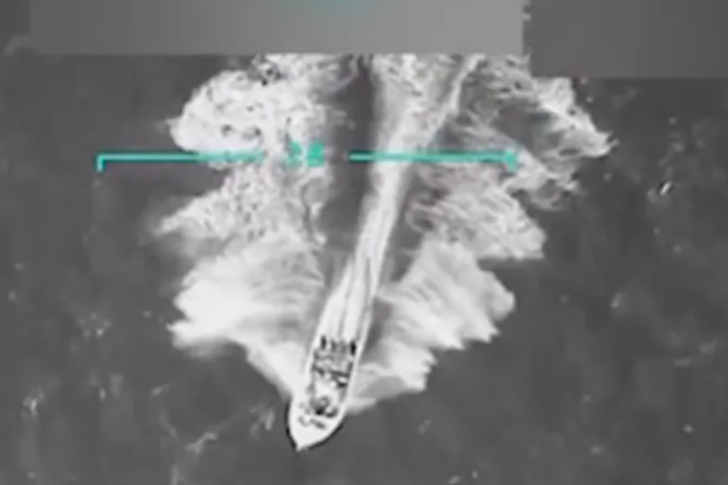
President Donald Trump says the US has carried out an atta...
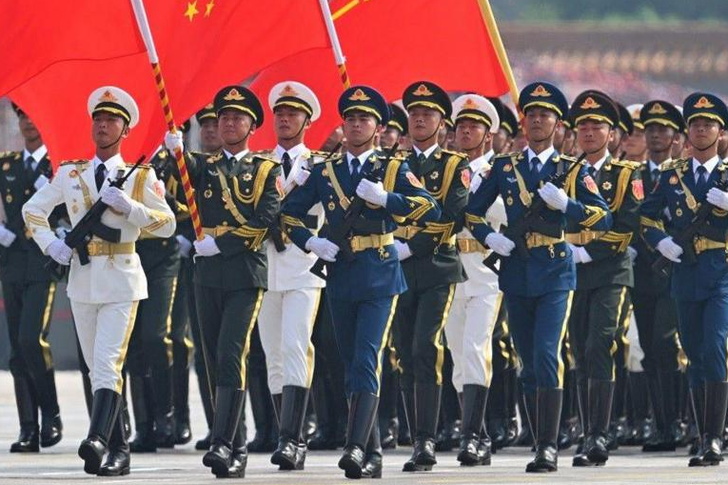
Laser weapons, nuclear ballistic missiles and giant underw...
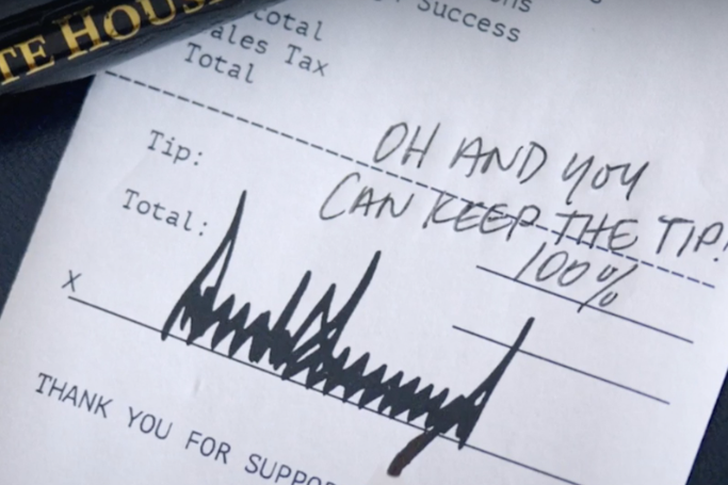
The US Treasury Department announced that nearly 70 profes...
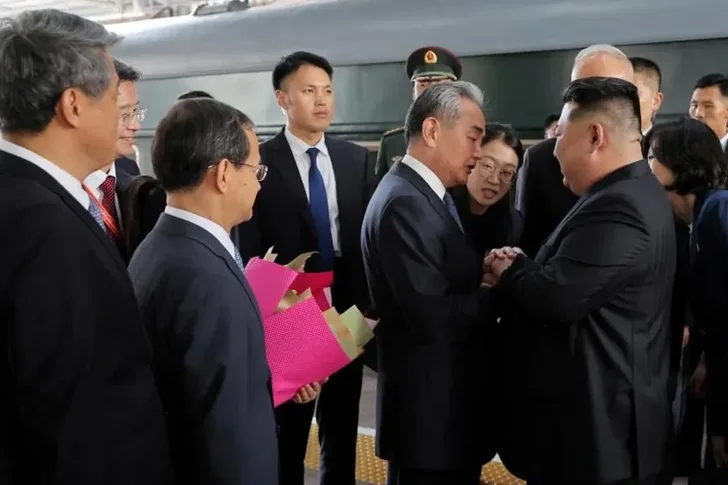
Kim Jong Un's arrival in China for his first multilateral ...
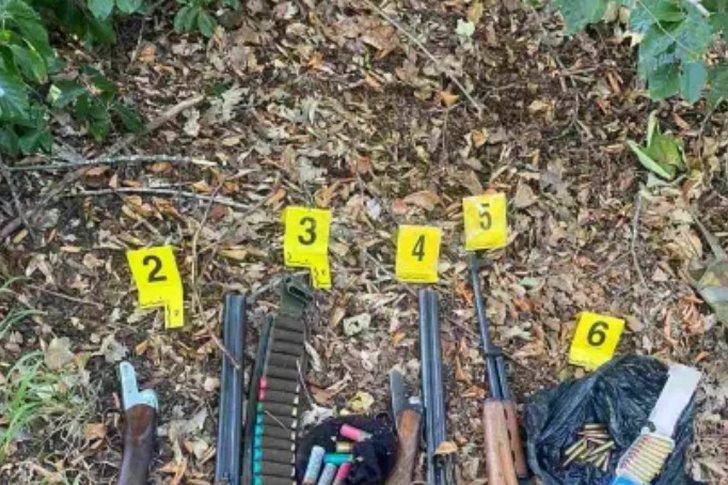
The Kosovo Border Police Rapid Intervention Unit today fou...

US President Donald Trump announced today through a statem...

US Secretary of State Marco Rubio left today for his first...
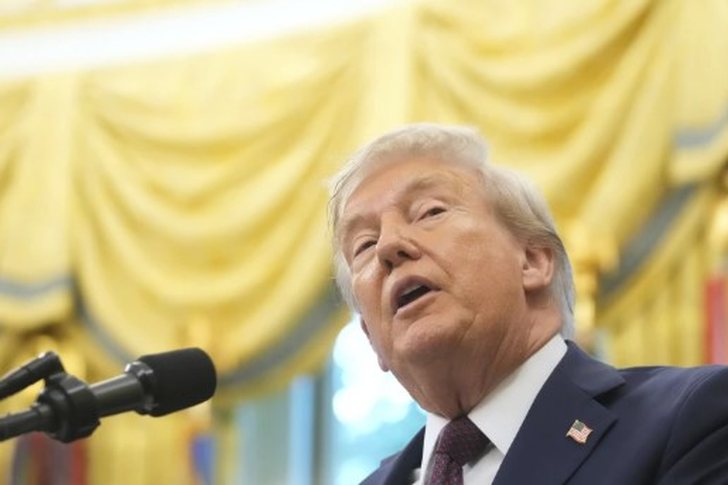
President Donald Trump announced on Tuesday that the U.S. ...
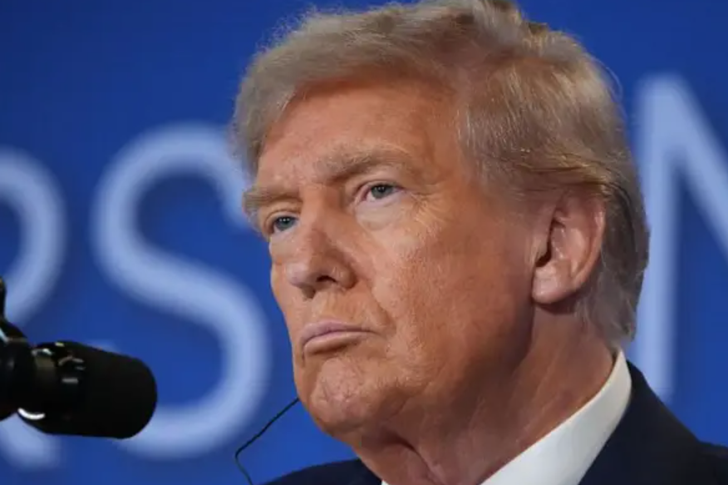
US President Donald Trump expressed his disappointment wit...

The Trump administration plans to announce that it will mo...
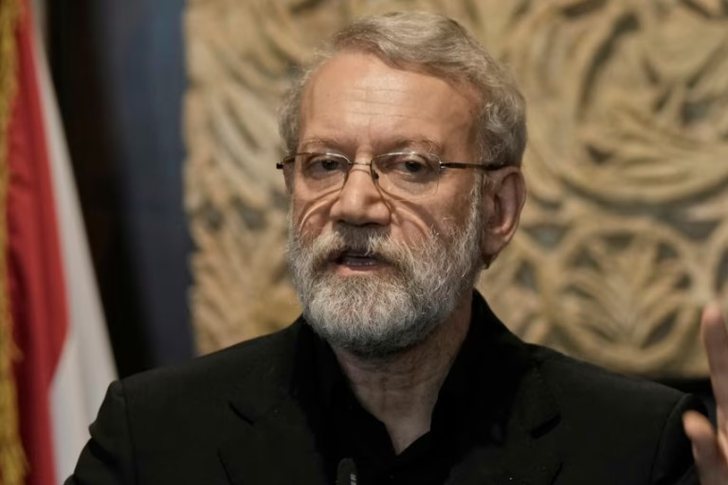
Iran's security chief, Ali Larijani, said his country is o...

A man carried out a knife attack in the southern French ci...
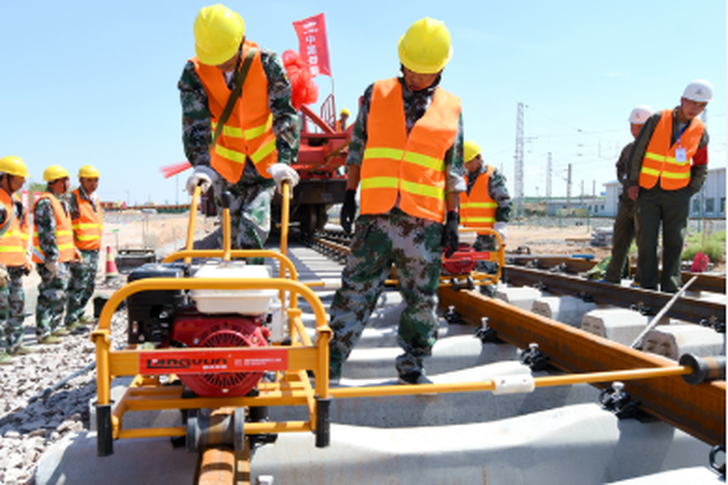
The mountainous city of Chongqing in China has become an i...
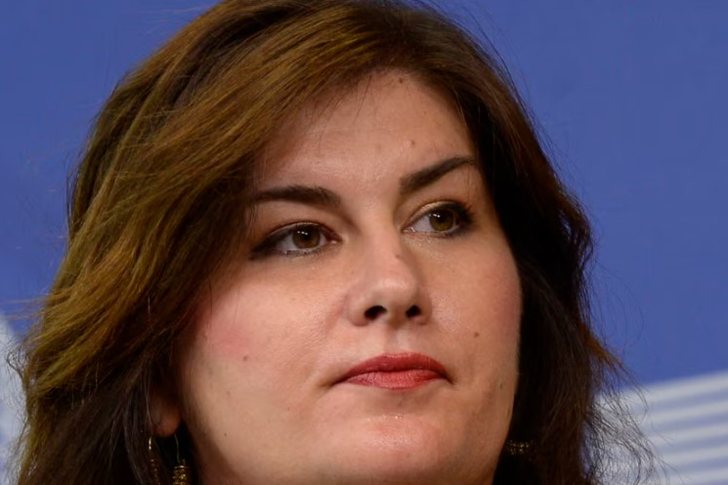
A former Croatian minister, who had already been convicted...

A 5.5-magnitude earthquake shook southeastern Afghanistan ...
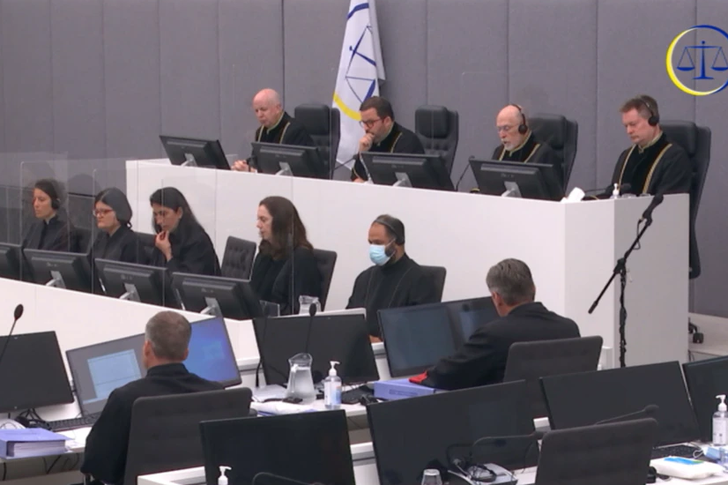
The Special Court is expected to conclude the trial of for...
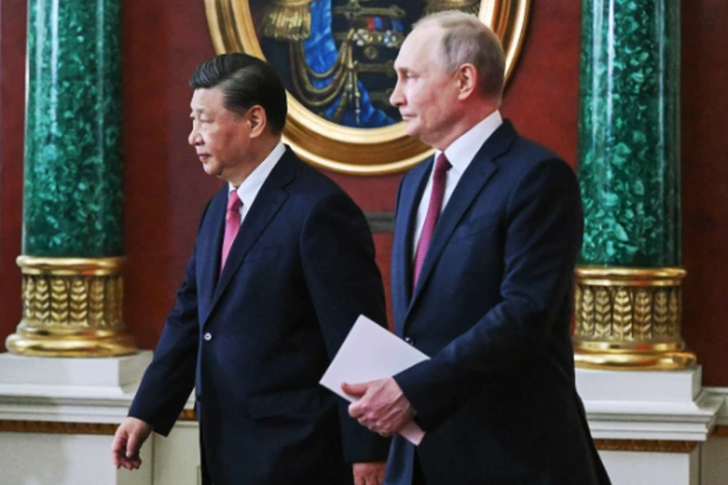
Chinese President Xi Jinping and Russian President Vladimi...
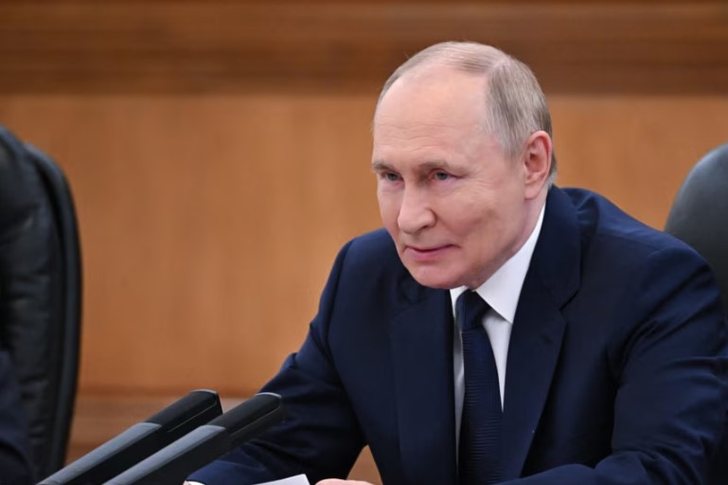
Russian President Vladimir Putin said that Moscow has neve...

CNA has launched another investigation that could lead to ...

Irfan Hysenbelliu is a businessman that we call "Irfan the...

In March 2026, CNA launched another investigation centered...
The arrested mayor of Tirana, Erion Veliaj, with 13 charge...

The Special Board of Appeal (KPA) decided this Monday ...

The KPA vetting decided this Thursday to dismiss the p...

Suela Salavaçi, a prosecutor in the Prosecutor's Offic...

The Special Board of Appeal reinstated the prosecutor ...

A person has died today on Orikum beach. According to repo...

Footage emerges from the serious accident that occurred th...

A Shkodra traffic police officer was hit with hard objects...

This Wednesday, around 4:00 PM, a serious accident occurre...

Children without parental care, for whom alternative famil...

On Thursday, our country will be under the influence of st...

A serious accident that occurred this Wednesday with the c...

The Institute of Geosciences has shared a forecast for wea...

Artificial intelligence (AI) models from the American comp...

At least 10 people have died after a fire broke out in a h...

Yemen's Houthis have claimed to have attacked two Saudi oi...
The trial of ousted Venezuelan President Nicolas Maduro on...

At a time when industrial products are increasingly taking...

Trust among people is not just a three-syllable word. It c...

Master of humor Todi Llupi has passed away at the age of 7...

The ninth edition of "MIK Festival" kicked off with one of...

The average sale price of apartments in Tirana reaches rec...

This Thursday, one US dollar is bought for 81.5 lek and so...
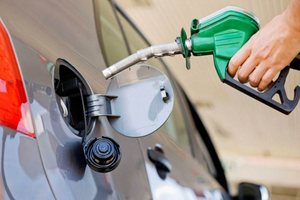
The price of diesel reached 206 lek per liter from 198 lek...

Businesses will no longer be required to simply register t...