


US-Colombia clashes/ Agreement reached for repatriation of migrants, tariffs suspended
The White House says Colombia has agreed to allow the Unit...


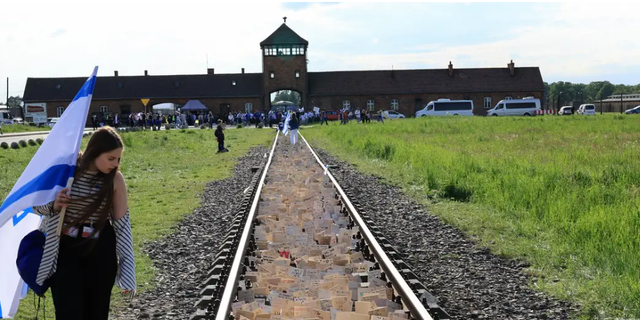
January 27th is the World Holocaust Remembrance Day. Germany has been commemorating this day since 1996. In Israel, commemoration began much earlier, on a different day.
In November 2005, the UN General Assembly (Resolution 60/7) declared 27 January as International Holocaust Remembrance Day. It stated that "the Holocaust, in which one third of the Jewish people and countless members of other minorities were murdered, will always serve as a warning to all people against the dangers of hatred, intolerance, racism and prejudice". Germany and other countries had previously designated it as a day of remembrance.
On January 27, 2006, the first International Holocaust Remembrance Day, UN Secretary-General Kofi Annan said: "The unparalleled tragedy of the Holocaust cannot be undone. Its memory must be kept alive with shame and horror, as long as human memory lasts."
On January 27, 1945, the Soviet armed forces, the Red Army, liberated the Nazi concentration and extermination camp Auschwitz-Birkenau. The soldiers found a few survivors, the ruins of the gas chambers, the dead, and the ashes of the murdered. About 1.1 million people were killed in Auschwitz alone. The majority of them, about 90 percent, were Jews, and Auschwitz was just one of many sites of internment and mass murder by Nazi Germany in Europe.
By the end of World War II in 1945, more than six million Jews, hundreds of thousands of Sinti and Roma, people with disabilities, political opponents, people persecuted as homosexuals, criminals or "asocials", forced laborers, prisoners of war, Jehovah's Witnesses and countless others had lost their lives. Nazi terror was directed against them.
UN Secretary-General Kofi Annan emphasized: "Remembrance is also a prevention for the future. The hell that arose in the Nazi death camps began with hatred, with prejudice and anti-Semitism. The memory of these origins helps us always keep our eyes open for warning signs."
January 27 is an obligation for all UN member states to remember the men, women and children persecuted and murdered. Resolution 60/7 rejects any form of Holocaust denial. It supports the development of educational programs for Holocaust remembrance and aims to help prevent future genocides.
Based on the Universal Declaration of Human Rights, the resolution condemns all forms of "religious intolerance, incitement to hatred, oppression or violence against individuals or communities on the basis of their ethnic origin or religious belief" anywhere in the world. Commemoration in Israel: Yom HaShoa
In Israel, the main day of remembrance is not January 27th but Yom HaShoa, which usually falls in April. For two minutes, sirens sound across the country, buses, cars, everything stops. People fall silent, remembering the victims.
The term Holocaust used internationally is derived from Greek and means "completely burned." In Israel, it is referred to as shoah, "the catastrophe."
"The Day of Remembrance of the Holocaust and Jewish Heroism" was first established in 1951 and was more precisely regulated by law in 1959. This day falls in the month of Nisan of the Jewish calendar. It was designated on the basis of the Warsaw Ghetto Uprising in April 1943. According to Jewish tradition, the day of remembrance begins the evening before. At the memorial ceremonies, six torches are lit, symbolizing the six million Jewish victims. In the morning, other activities follow at the Yad Vashem memorial near Jerusalem.
On Yom HaShoah in Poland, a traditional memorial march is held between the main Auschwitz camp and the Auschwitz-Birkenau extermination camp, about three kilometers away, where most of the people were killed. This "March of the Living" is usually attended by thousands of young Jews. During the corona pandemic, there was a virtual commemoration.
After the end of World War II and the Allied victory over Hitler's Germany, it took another half a century: only in 1996 did the then German President Roman Herzog declare January 27 a day of remembrance for the victims of National Socialism. Since then, flags on public buildings in Germany have been flown at half-mast on this day. Many schools cover this topic in their lessons.
Since 1996, a memorial hour has been held in the German parliament on Memorial Day for the victims of Nazism. While in the early years the memorial speech was mainly given by German politicians, since this year, many Holocaust survivors and politicians from other countries have spoken about their experiences in front of the members of the German Bundestag in the country of the hands: from Israel, the USA, Poland, France, Spain, the Netherlands, the Czech Republic, Hungary, Russia and the United Kingdom. They have recounted their moving experiences, urging: "Never again! Never again!" In 2022, this call was also made in the plenary hall by the Speaker of the Israeli Parliament, Mickey Levy.
In 2011, a representative of the Sinti and Roma minority spoke for the first time in the German Bundestag. She was Zoni Weisz. In 2017, two relatives of victims of so-called euthanasia, the planned killing of people with serious illnesses or disabilities, spoke for the first time.
In 2023, the focus of the memorial hour was placed for the first time on people who were persecuted during the Nazi regime because of their sexual orientation or gender identity.
In 2024, the focus of the commemorations was on intergenerational memory. Eva Szepesi, who was liberated from Auschwitz as a child on January 27, 1945, spoke before the Bundestag./ DW

The White House says Colombia has agreed to allow the Unit...

A serious accident occurred on the Mitrovica-Peja highway,...
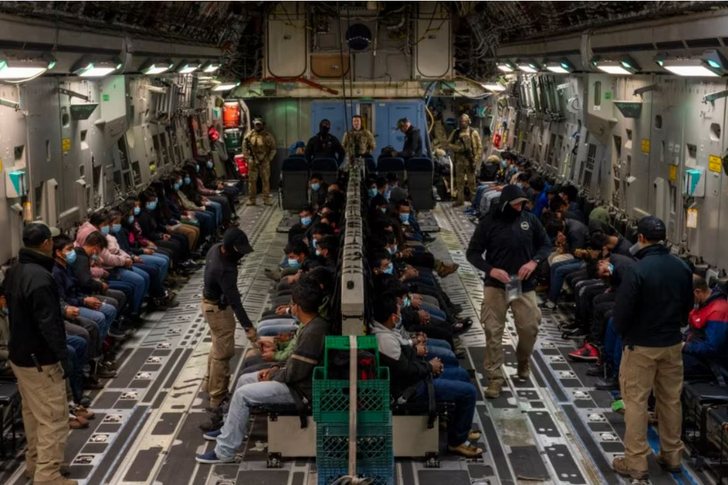
US authorities are now arresting hundreds of undocumented ...

US President Donald Trump said on Sunday he would impo...

President Donald Trump's decision to withdraw the Unit...

LVV held an electoral meeting in Deçan. Kosovo Prime M...
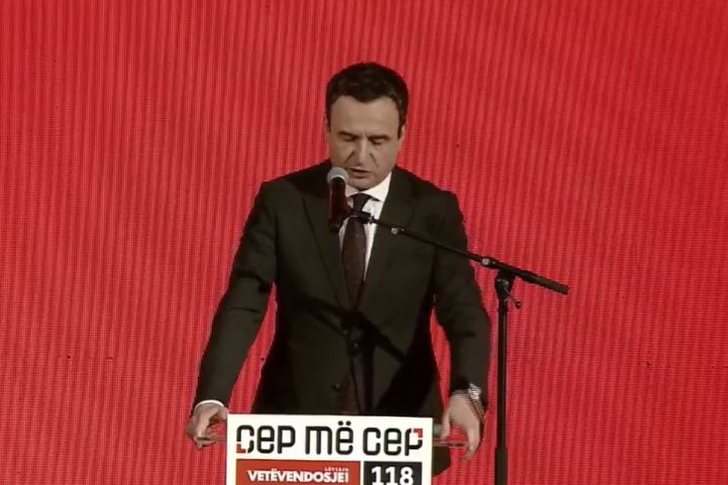
Kosovo Prime Minister Albin Kurti held a meeting in De...
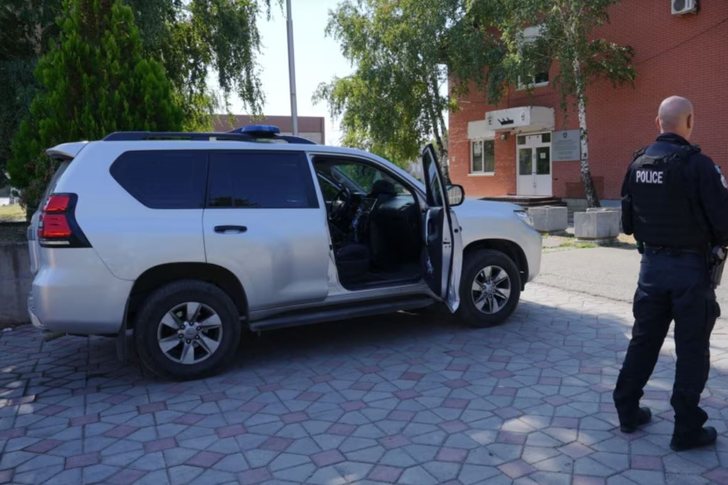
The Serbian List, the largest Serb party in Kosovo support...

Sales in Croatia fell on January 24th after a nationwide sho...
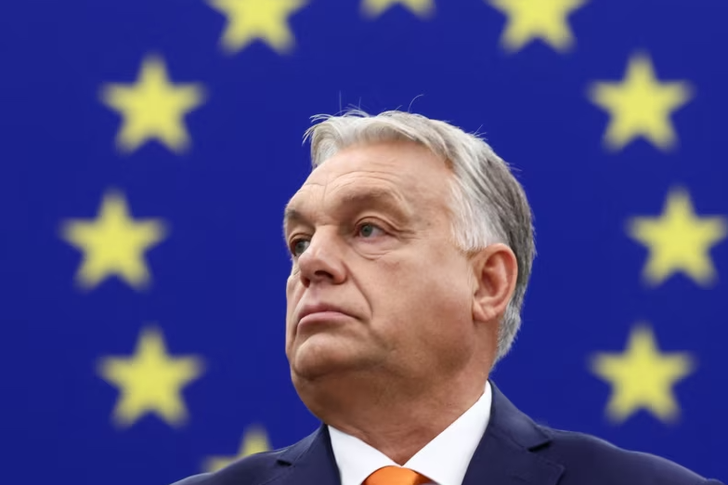
Hungarian Prime Minister Viktor Orban is demanding that Uk...

President Donald Trump revealed that he has spoken with th...

President Donald Trump is not backing down on the autonomo...

Ukrainian President Volodymyr Zelenskiy told reporters on ...
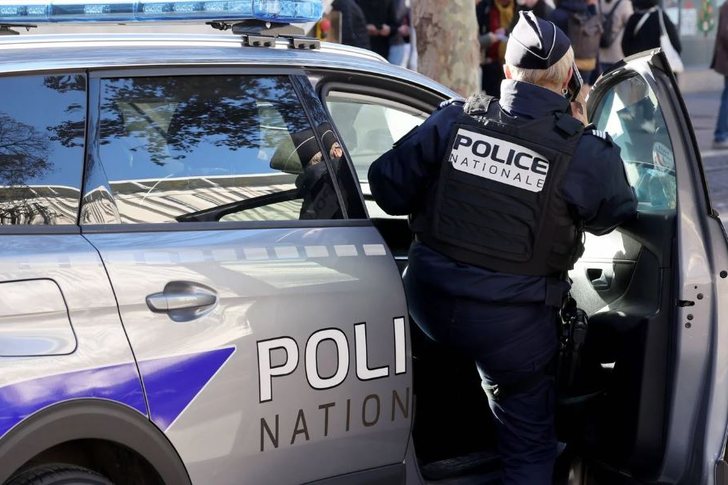
A very serious incident has occurred in Paris, where a 14-...
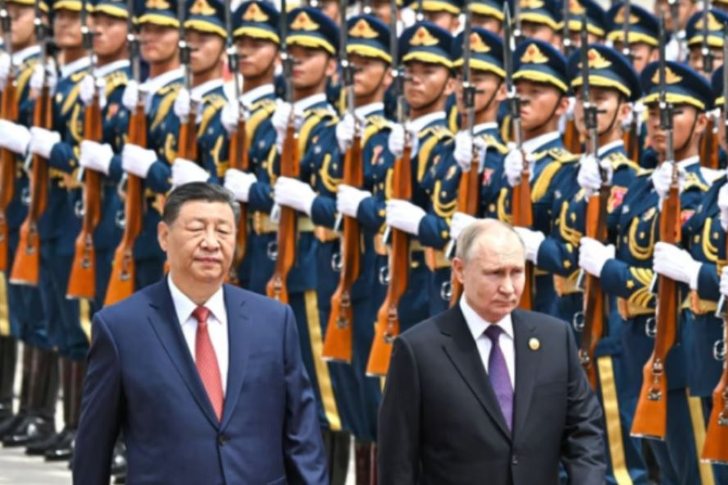
Attacks on undersea telecommunications cables off Taiwan's...
The US State Department announces that the US will rejoin ...

Prime Minister Albin Kurti has promised that in the ne...

Kosovo Prime Minister Albin Kurti has declared in Mali...
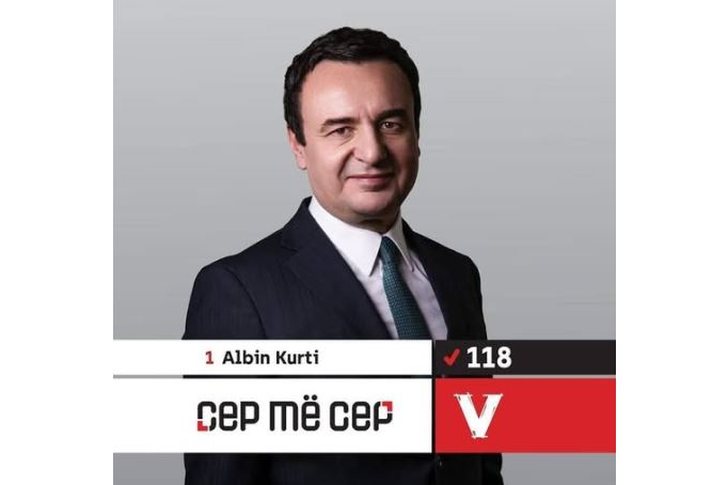
Kosovo Prime Minister Albin Kurti has promised support...
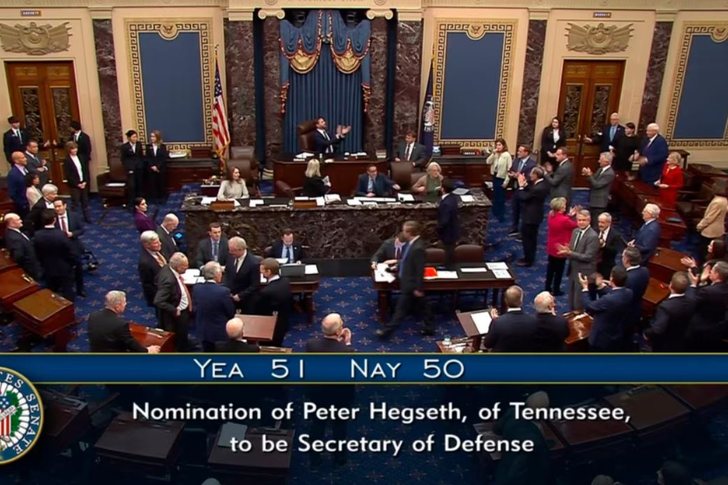
Pete Hegseth was confirmed as the next U.S. defense se...

A 39-year-old citizen has been arrested in Lezha, after se...

CNA has launched another investigation that could lead to ...

Irfan Hysenbelliu is a businessman that we call "Irfan the...

In March 2026, CNA launched another investigation centered...

The Special Board of Appeal (KPA) decided this Monday ...

The KPA vetting decided this Thursday to dismiss the p...

Suela Salavaçi, a prosecutor in the Prosecutor's Offic...

The Special Board of Appeal reinstated the prosecutor ...

Several gunshots were reported today in the village of Gjo...

Following the successive operations carried out by the ope...
The Police Supervision Agency has seized the service weapo...
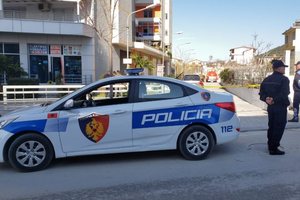
A serious incident occurred in Lushnje, where citizen IY, ...

As the year 2026 is in its second half, the world is exper...

Today, our country will be under the influence of stable a...

By noon, cloudiness is expected to prevail in almost all o...

Children without parental care, for whom alternative famil...
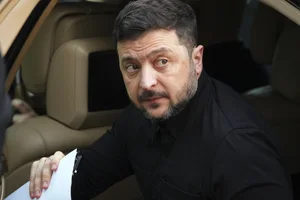
Ukrainian President Volodymyr Zelensky said Russia wants t...

Iran is adapting and enhancing the capabilities of its bal...
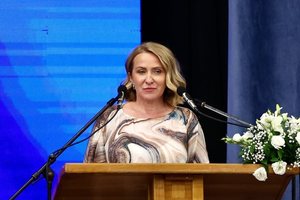
Serbia's Minister of State Administration and Local Self-G...
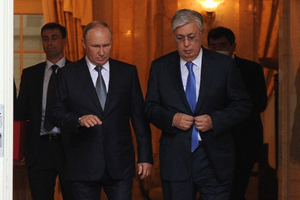
Kazakh President Kassym-Jomart Tokayev shared some critici...
Two windows, a century of history and the metaphysics of p...
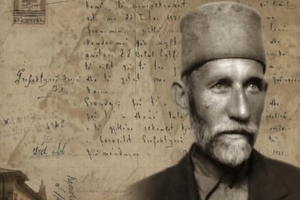
In my research at the Central State Archives, specifically...

At a time when industrial products are increasingly taking...

Trust among people is not just a three-syllable word. It c...
This Saturday, one US dollar is bought for 81.7 lek and so...

War, weather and supply disruptions could send gas prices ...
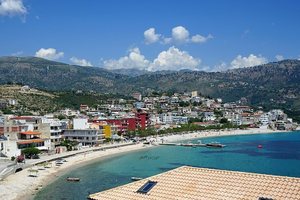
The number of active enterprises in Albania continued to g...
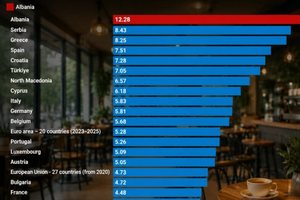
In Albania, the bar-cafe has long become an almost unique ...