


More details emerge/ 3 weapons found in the shed where Braçellari was hiding
Investigations into the serious incident in Lozhan, where ...

Investigations into the serious incident in Lozhan, where ...

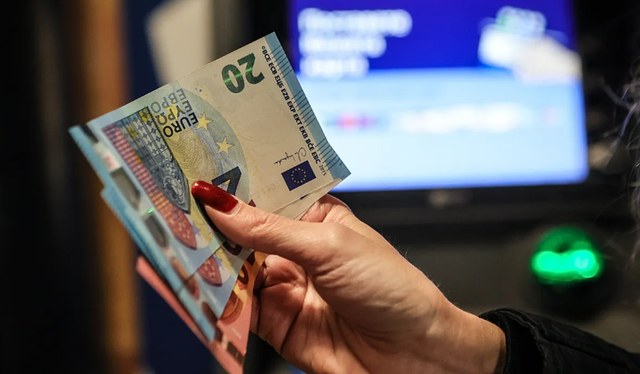
Real household income per person in the European Union has increased by an average of 17% during the decade 2014–2024, while since the period before the COVID-19 pandemic the increase has reached around 7%, according to Eurostat data analyzed by Euronews Business.
The pandemic caused a sharp slowdown in 2020, with some countries even recording declines in income, but the following years brought a gradual recovery. However, the growth has not been uniform across Europe.
Eastern Europe leads post-pandemic growth
Over the period 2019–2024, Croatia recorded the highest growth in real household income per person at 26%, followed by Malta (24%), Hungary (20%), Romania (19%) and Poland (16%). Most of these countries are outside the eurozone, which also reflects the impact of national currencies.
In contrast, the Nordic countries recorded the lowest growth: Sweden (1%), Finland (2%) and Denmark (3%), partly due to the stronger increase in unemployment during the COVID-19 crisis.
Even the EU's largest economies remained below the European average. France and Spain recorded growth of 6%, while Germany and Italy only 4%.
Strong growth in 10 years, but not in the eurozone
In the period 2014–2024, the highest growth was recorded in Romania with 76%, followed by Turkey (68%), Hungary and Malta (55%), Croatia (51%), Bulgaria (45%) and Poland (42%). According to Eurostat, real GDP growth in the euro area has been weaker than in the EU over the past two decades.
Where are the highest incomes?
In terms of purchasing power standards (PPS), Luxembourg leads with 41,552 PPS per person, followed by Germany, Austria, the Netherlands and Switzerland. Meanwhile, Bulgaria remains the country with the lowest household income per person, at 7,802 PPS.
Experts point out that, although many Eastern European countries are gradually catching up with the EU average, the gap in real income levels still remains large across the continent./ CNA


Albania is part of the group of countries where over half ...

Europe seems to be appreciating Albanian talents, as it is...
This Friday, one US dollar will be bought for 81.2 lek and...

New credit to the economy grew again at double-digit rates...
Cryptocurrency prices have fallen sharply in recent weeks,...
If in Farka about 3 years ago agricultural land was sold a...
Albania's trade balance for basket products is showing an ...
Albania ranks among the countries with the highest burden ...
This Thursday, one US dollar will be bought for 81.2 lek a...

After problems that have been occurring in the SelfCare sy...
Komisioni Kuvendor për Ekonominë, Punësimin dhe Financat, ...

More than half of Albanian families are unable to afford a...

This Wednesday, one US dollar will be bought for 81.5 lek ...
The Albanian economy is expected to maintain a stable grow...

The Albanian government has again amended the draft law on...

In 2025, it turns out that there has been a significant in...

This Tuesday, one US dollar will be bought for 81.2 lek an...

Average interest rates on consumer loans declined further ...

The business confidence indicator started 2026 on the rise...
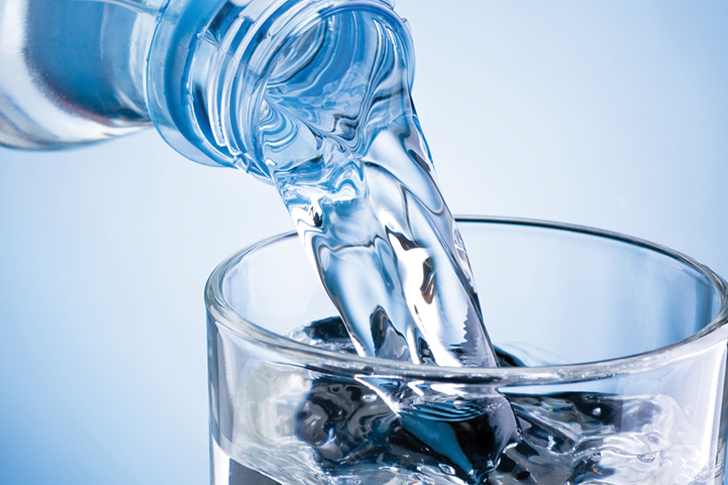
The prices of basic bar products, coffee and water, have b...

The next case broadcast on the show "Stop", this Thursday,...
The case published this Thursday, June 4, on the show "Sto...

The protests of recent days related to the situation in Zv...

The case addressed this Wednesday, June 3, on the show "St...

The Special Board of Appeal (KPA) decided this Monday ...

The KPA vetting decided this Thursday to dismiss the p...

Suela Salavaçi, a prosecutor in the Prosecutor's Offic...

The Special Board of Appeal reinstated the prosecutor ...

A money changer in Durrës lost 60 thousand euros after bei...
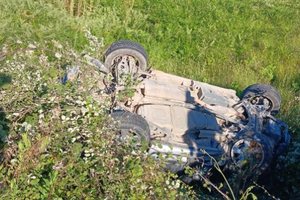
A serious accident occurred on the Kardhiq-Delvinë axis, i...

Authorities have conducted a large-scale anti-drug operati...
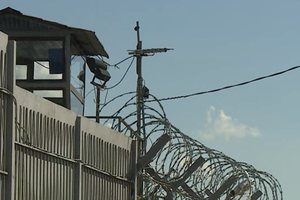
A convict was found dead today in the premises of the Pris...

Today our country will be affected by stable weather condi...

For many children and teenagers, the long summer holidays ...
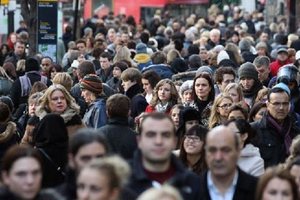
Albania is facing an unprecedented demographic transition,...

On Thursday, our country will be affected by unstable weat...

Russian President Vladimir Putin said the war in Ukraine c...

An extraordinary story of survival has been recorded in Ne...
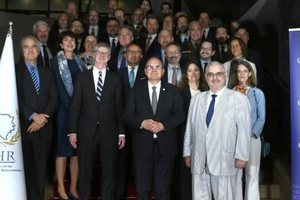
The Peace Implementation Council in Bosnia and Herzegovina...
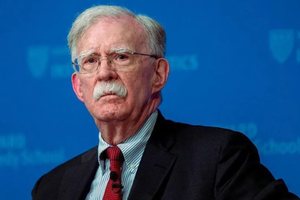
John Bolton, the former national security adviser to US Pr...

Korça is ready to open the summer season with one of the c...

Two years after his passing, the renowned Korçë poet Skënd...
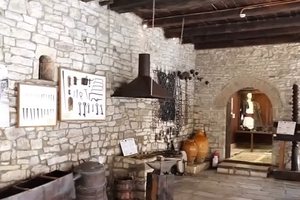
The Ethnographic Museum of Berat has opened its doors to v...
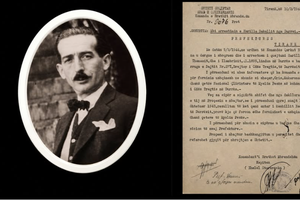
The story of Harilla Bakalli is one of the most chilling t...
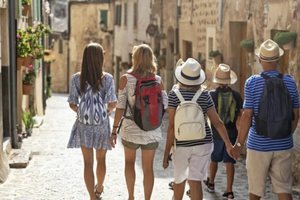
Despite years of efforts at regional cooperation and free ...

Albania is the country with the highest level of severe ma...

This Friday, one US dollar is bought for 81.3 lek and sold...
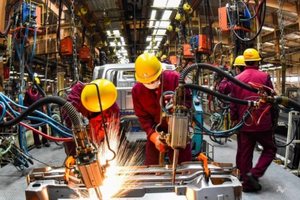
The government aims to transform the country's industrial ...