

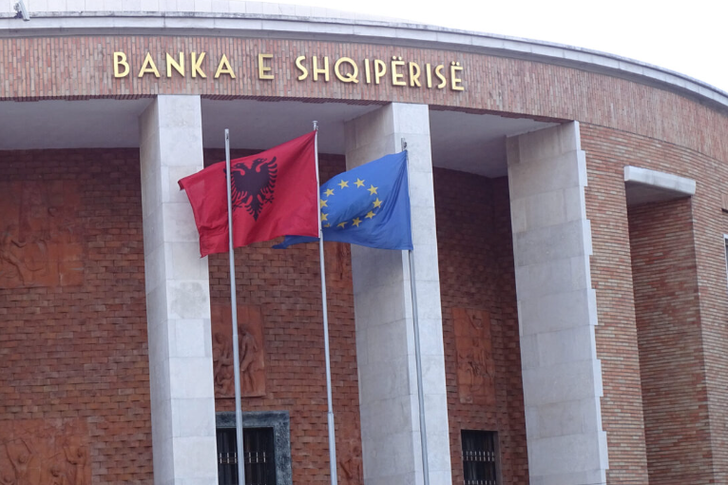
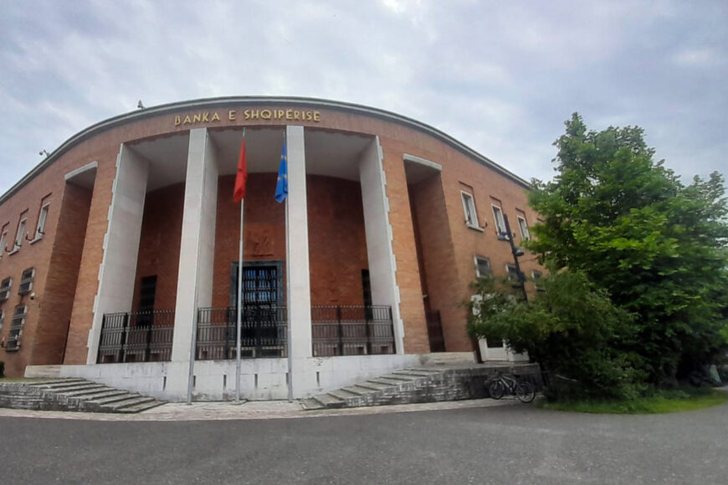
Banka e Shqipërisë mban të pandryshuar normën bazë të interesit
Këshilli Mbikëqyrës i Bankës së Shqipërisë vendosi sot të ...


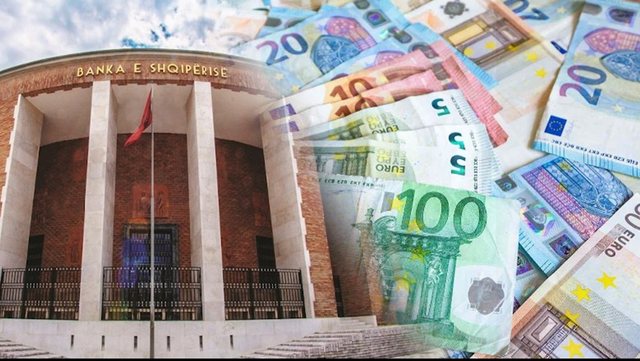
The Bank of Albania today shared data from the Interim Monetary Policy Report for the fourth quarter.
According to data from this analysis, it is suggested that the Albanian economy has continued to follow a positive development trajectory during the second half of 2025.
This performance is reflected in the solid growth of economic activity, keeping inflation under control, and the consolidation of the main indicators of the country's economic and financial health.
Excerpt from the report:
In macroeconomic terms, domestic inflationary pressures remain in line with the price stability objective, reflecting a better balance of supply and demand in the product market. On the other hand, external pressures have weakened further, reflecting the decline in commodity prices in international markets and the appreciation – albeit slower – of the Lek. Reflecting these developments, domestic and core inflation have increased during the year, staying around average levels of 3.1-3.5% in October-November, while imported inflation is in negative territory and short-term inflation has fallen to its historical lows.
After growing by 3.6% in the first half of the year, available information suggests that the Albanian economy has continued to grow at a similar pace in the second half of the year. Data from the real, monetary and fiscal sectors signal further growth in consumption, investment and exports of services, reflecting the continuation of the positive trend in recent months. In particular, the growth of around 22% in tourism services in the third quarter shows the continuation of the positive contribution of this sector. This dynamic has contributed to the improvement of the external position, leading the Albanian economy – for the first time in the post-transition period – towards a current account surplus for the first three quarters of the year.
Economic growth has also been reflected in labor market performance. The unemployment rate fell to 8.1% in the third quarter, while private sector wages increased by 9.8%, indicating dynamic and broad-based growth. So far, wage growth has supported household purchasing power growth, without generating additional inflationary pressures. However, strong business demand and labor constraints continue to keep the labor market under pressure, posing an upside risk to inflation.
Overall, the factors supporting economic growth in the medium term appear solid. The stable financial position of the private sector, together with the positive climate of confidence and favorable financing conditions, have encouraged the growth of private consumption and investment. In parallel, the growth of tourism revenues has continued to make a positive contribution to the economy.
At the same time, prudent and coordinated macroeconomic policies have made it possible to maintain price stability and have strengthened macroeconomic sustainability.
In particular, monetary policy has shifted to an accommodative direction during 2025, reducing the key interest rate in July and continuing to maintain a strong presence in the foreign exchange market, with the aim of mitigating upward pressures on the exchange rate. These interventions have contributed to greater exchange rate and financial environment stability.
As a result, the financial market has appeared stable, with low risk premiums and low interest rates. Credit to the private sector has continued to expand at high rates, driven by stable demand and supported by favorable financing conditions. The loan portfolio recorded an annual growth of 14.2% in October, remaining close to the previous year's rates, but significantly above the average of recent years. In particular, three positive developments are noted: first, the steady growth of investment credit, which signals the expansion of the country's productive capacities; second, the rapid growth of credit in Lek and its increase in its share in the total, which improves both the scope for monetary policy and the country's financial stability; and, third, the stable quality of the portfolio, illustrated by the low level of the non-performing loans ratio, of 4.3% . /CNA

Këshilli Mbikëqyrës i Bankës së Shqipërisë vendosi sot të ...
The Governor of the Bank of Albania, Gent Sejko, stated th...
Increasing investments to boost the mining sector and meet...

Announced in October, the Tax Administration has launched ...
This Wednesday, one US dollar will be bought for 81.3 lek ...
The Euro-Lek exchange rate continues to show a downward tr...
Farmers who sell their agricultural products to collectors...
This Tuesday, one US dollar will be bought for 81.5 lek an...
Last week, the State Cadastral Agency (ASHK) announced the...

The need for new energy capacities is expected to be met w...

Migration continues to be one of the main pillars shaping ...
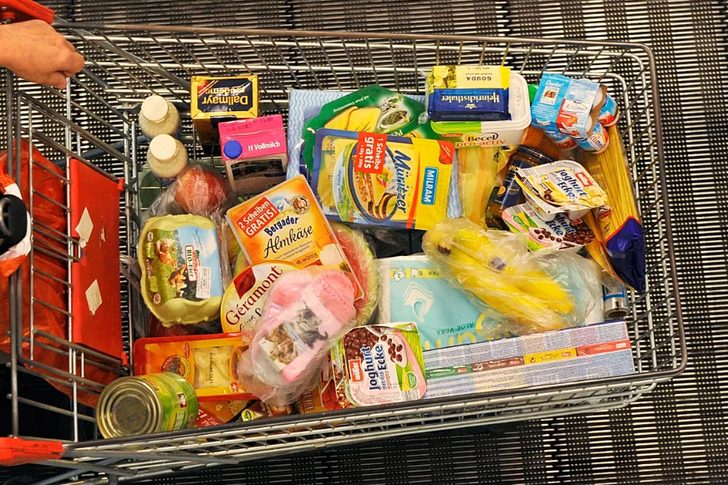
While food prices are lower in some countries than in the ...

Bribes paid by businesses to public administration have in...
Vendet vakante në Këshillin Mbikëqyrës të Bankës së Shqipëri...
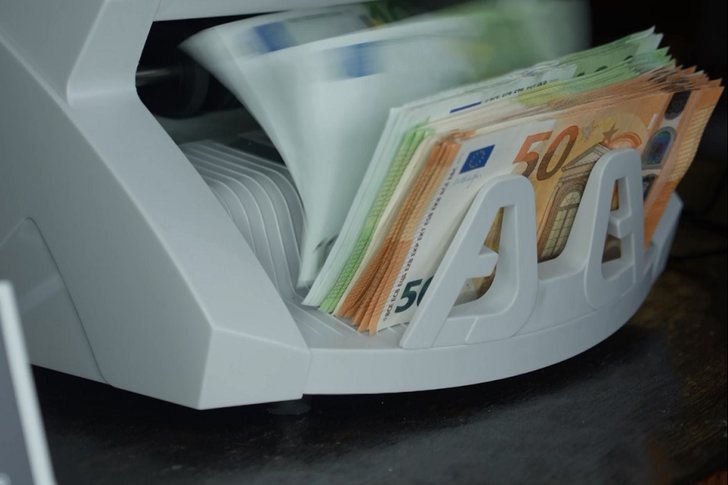
This Monday, one US dollar will be bought for 81.7 lek and...
Drought, lack of mechanization and high costs are leading ...
This Saturday, one US dollar will be bought for 81.7 lek a...

The country's economy expanded by 3.5 percent in the secon...

This Friday, one US dollar will be bought for 81.7 lek and...
The Delphi Economic Forum held its 5th edition on December...

CNA has launched another investigation that could lead to ...

Irfan Hysenbelliu is a businessman that we call "Irfan the...

In March 2026, CNA launched another investigation centered...
The arrested mayor of Tirana, Erion Veliaj, with 13 charge...

The Special Board of Appeal (KPA) decided this Monday ...

The KPA vetting decided this Thursday to dismiss the p...

Suela Salavaçi, a prosecutor in the Prosecutor's Offic...

The Special Board of Appeal reinstated the prosecutor ...

A conflict occurred this Thursday evening in the toy area ...
A person has died today on Orikum beach. According to repo...
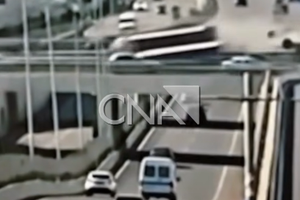
Footage emerges from the serious accident that occurred th...

A Shkodra traffic police officer was hit with hard objects...

Children without parental care, for whom alternative famil...

On Thursday, our country will be under the influence of st...
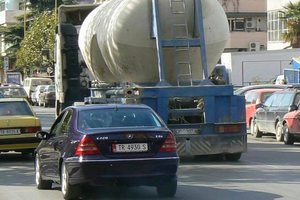
A serious accident that occurred this Wednesday with the c...

The Institute of Geosciences has shared a forecast for wea...
The European Union Office in Kosovo has called on all poli...
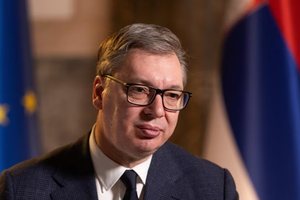
Serbian President Aleksandar Vučić, at a press conference ...
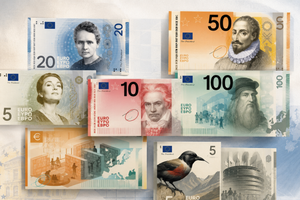
For the first time since the launch of the euro, European ...

Artificial intelligence (AI) models from the American comp...

At a time when industrial products are increasingly taking...

Trust among people is not just a three-syllable word. It c...

Master of humor Todi Llupi has passed away at the age of 7...

The ninth edition of "MIK Festival" kicked off with one of...
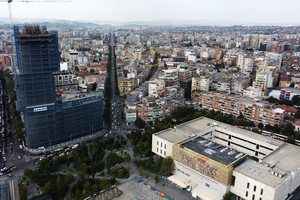
The average sale price of apartments in Tirana reaches rec...
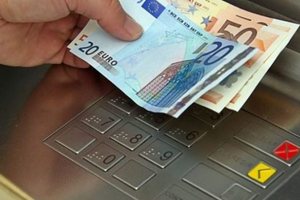
This Thursday, one US dollar is bought for 81.5 lek and so...
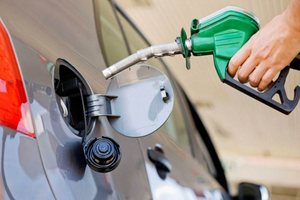
The price of diesel reached 206 lek per liter from 198 lek...

Businesses will no longer be required to simply register t...