


Reform Program: 914 million euros of private investments in energy are needed, expected in 2026-2027
The need for new energy capacities is expected to be met w...


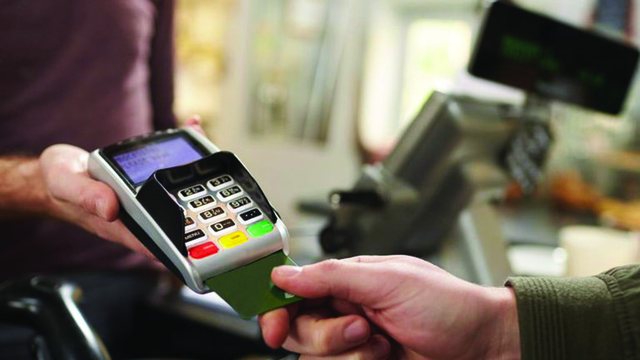
Last week, the State Cadastral Agency (ASHK) announced the return, after several years, of the online payment service for its services, through the e-Albania portal.
Payment can be made through the virtual POS terminal provided by a commercial bank, with all payment cards (debit or credit), issued by banks and other payment institutions in the country.
However, the provision of this service will be associated with additional costs for citizens. In the official information for users on the e-Albania portal, it is stated that, for payments made by credit/debit card, a commission is applied and collected by the card issuer.
For payments up to 1,800 lek, a commission of 50 lek is applied; while for payments over 1,800 lek, a commission of 3% of the value is applied.
A similar practice applies to other services. For example, in cases where businesses pay by card on e-Albania for the fee for the electronic fiscalization certificate, they must also pay an additional fee of 3% on top of the amount of 4 thousand lek.
Paradoxically, citizens may be charged higher commissions for online payments, compared to what they would pay if they made the payment in cash at the counters of financial institutions.
While for over-the-counter payments, the bank generally charges customers fixed commissions, for online payments in large amounts the cost (3% of the fee) will in most cases be higher.
As a rule, the commissions associated with accepting card payments are charged to the entity that contracts the use of the payment service, i.e., the merchant, or in this case, the public institution. This is why, in general, each of us can pay by card in stores or for online purchases, without additional costs.
But, in some cases, merchants, especially small ones, charge the POS payment commission to the customer. In general, the cost transferred to the customer is in the range of 2.5% to 3%, although according to banking experts, the commission that banks charge to merchants in recent years has decreased below these levels.
In the case of payments in e-Albania, state institutions are behaving similarly to restaurant owners or small sales units.
The Albanian government has announced the objective of a cashless economy by 2030, which aims to shift the majority of payments from physical money to digital channels. The law on “Tax Procedures”, recently amended by the Albanian Parliament, also imposes the obligation to equip businesses (with some exceptions) with POS terminals for electronic payments by 2026.
But, while wanting to promote electronic payments, the state itself imposes additional costs on citizens for these payments.
Furthermore, the Bank of Albania has announced that next year it will adopt the European Commission's directive on "Interchange Fee Regulation", which is expected to bring a significant reduction in the commissions paid by merchants for accepting card payments.
The additional cost burden may discourage citizens from using electronic payment channels and keep them tied to cash payments at bank counters or payment institutions.
In this case, the service fees of the ASHK for actions performed by citizens with it cannot be considered symbolic at all. For example, registering a property purchase and sale contract costs the citizen or entity a fee of 5 thousand lek, while issuing an electronic certificate of ownership costs 3 thousand lek. Registering a mortgage contract for loans up to 10 million lek costs 17 thousand lek, while for loans worth over 10 million lek it costs 30 thousand lek.
Despite the high fees, it seems that state institutions are not at all willing to pay a cost for accepting electronic payments themselves, but want to transfer the bill for the "cashless economy" to the citizen./ Monitor.al

The need for new energy capacities is expected to be met w...

Migration continues to be one of the main pillars shaping ...
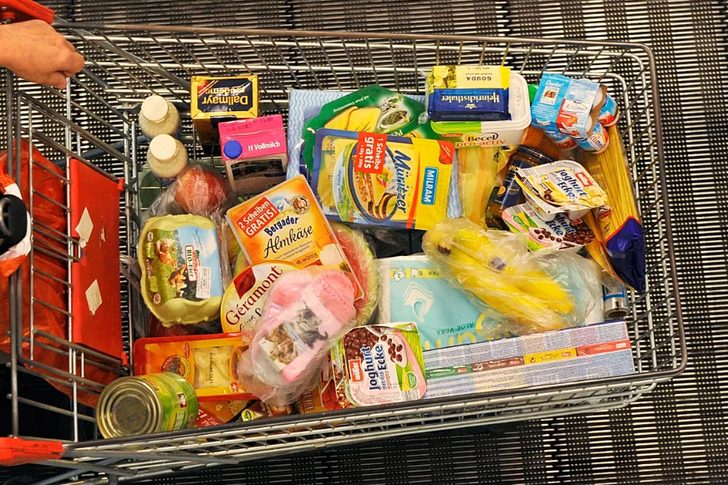
While food prices are lower in some countries than in the ...

Bribes paid by businesses to public administration have in...
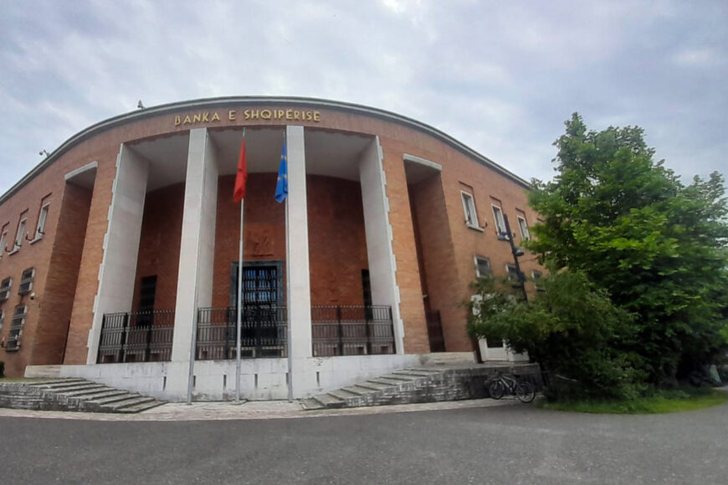
Vendet vakante në Këshillin Mbikëqyrës të Bankës së Shqipëri...
This Monday, one US dollar will be bought for 81.7 lek and...
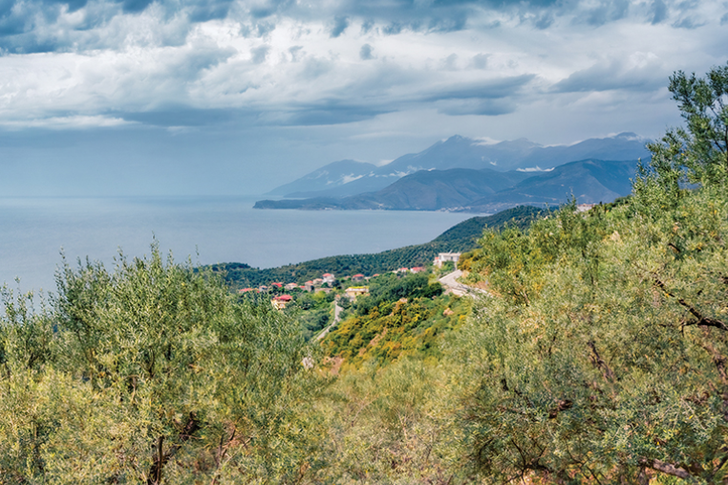
Drought, lack of mechanization and high costs are leading ...

This Saturday, one US dollar will be bought for 81.7 lek a...

The country's economy expanded by 3.5 percent in the secon...

This Friday, one US dollar will be bought for 81.7 lek and...
The Delphi Economic Forum held its 5th edition on December...
Our country's economy generates unskilled labor, while in ...
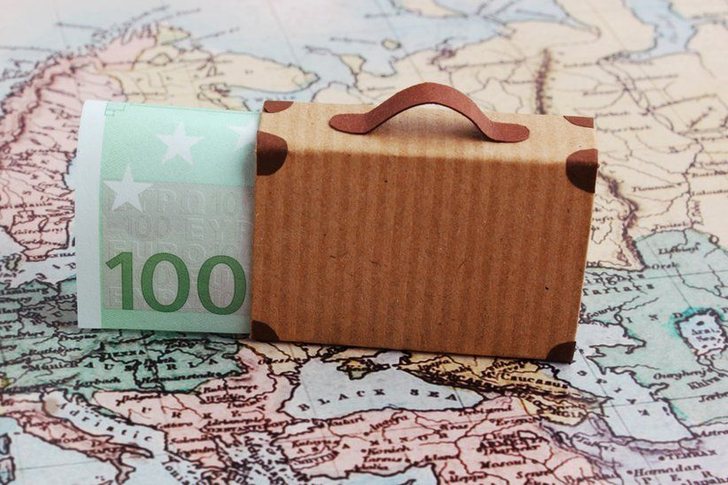
The money that emigrants bring to their families in Albani...

A new World Inequality Report warns that fewer than 60,000...
This Thursday, one US dollar will be bought for 82.4 lek a...
Both the spending of foreigners traveling to Albania and t...
Raporti i kredive me probleme pësoi një rënie të lehtë në ...
All mines and metallurgies opened or inherited after 2000,...
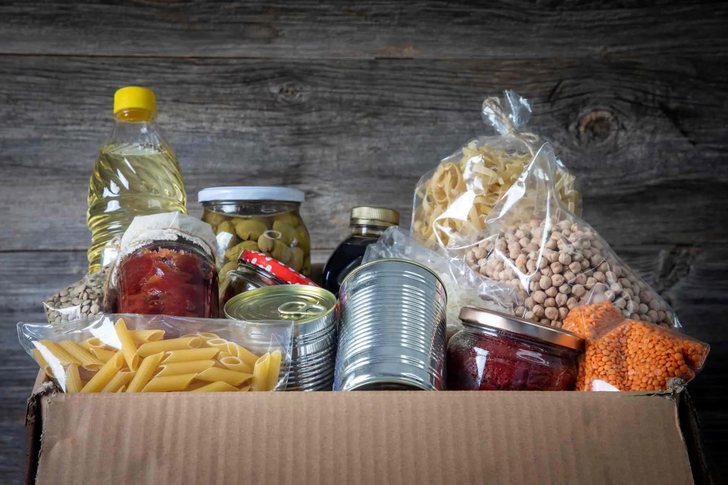
Imported food imports have been steadily declining in the ...
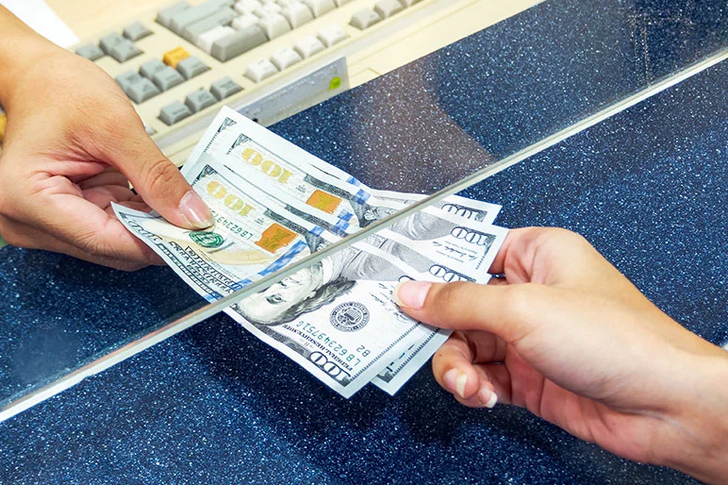
This Wednesday, one US dollar will be bought for 82.5 lek ...

CNA has launched another investigation that could lead to ...

Irfan Hysenbelliu is a businessman that we call "Irfan the...

In March 2026, CNA launched another investigation centered...
The arrested mayor of Tirana, Erion Veliaj, with 13 charge...

The Special Board of Appeal (KPA) decided this Monday ...

The KPA vetting decided this Thursday to dismiss the p...

Suela Salavaçi, a prosecutor in the Prosecutor's Offic...

The Special Board of Appeal reinstated the prosecutor ...
A conflict occurred this Thursday evening in the toy area ...
A person has died today on Orikum beach. According to repo...
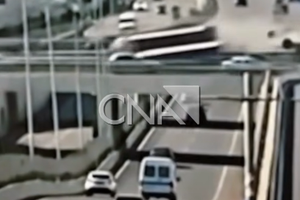
Footage emerges from the serious accident that occurred th...

A Shkodra traffic police officer was hit with hard objects...

Children without parental care, for whom alternative famil...

On Thursday, our country will be under the influence of st...
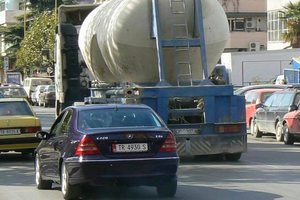
A serious accident that occurred this Wednesday with the c...

The Institute of Geosciences has shared a forecast for wea...
The European Union Office in Kosovo has called on all poli...
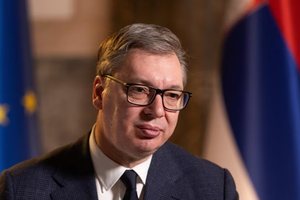
Serbian President Aleksandar Vučić, at a press conference ...
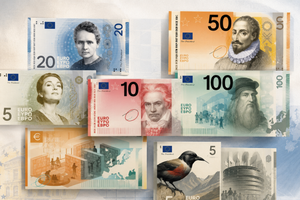
For the first time since the launch of the euro, European ...

Artificial intelligence (AI) models from the American comp...

At a time when industrial products are increasingly taking...

Trust among people is not just a three-syllable word. It c...

Master of humor Todi Llupi has passed away at the age of 7...

The ninth edition of "MIK Festival" kicked off with one of...
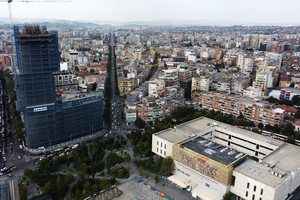
The average sale price of apartments in Tirana reaches rec...
This Thursday, one US dollar is bought for 81.5 lek and so...
The price of diesel reached 206 lek per liter from 198 lek...

Businesses will no longer be required to simply register t...