


Foreign exchange rate, July 22, 2025
Today, in the foreign exchange market, one US dollar will ...



Extreme weather conditions caused by climate change are driving up the prices of basic food products around the world and creating broader risks for society, according to a new study.
The cost of a wide range of goods, from vegetables in California to coffee in Brazil, has soared in recent years as a result of weather conditions “so extreme that they have exceeded any historical precedent before 2020,” according to the study led by Maximillian Kotz of the Barcelona Supercomputing Center. Previous studies have analyzed how high temperatures affect food costs in the long term, through effects on yields and supply chains.
But the new research examines 16 cases of prices that have risen sharply as a result of extreme heat, drought or heavy rainfall in 18 countries around the world between 2022 and 2024. In November 2022, vegetable prices in California and Arizona increased by 80% compared to the previous November, as the Western US states experienced heat waves and water shortages during the summer of that year.
In South Korea, the price of cabbage was 70% higher last September compared to a year earlier, following a heat wave in August. In January 2024, the price of olive oil in Europe rose by 50% after a prolonged drought in Italy and Spain during 2022 and 2023, while one of the most severe droughts Mexico has experienced in the last decade led to a 20% increase in fruit and vegetable prices in the same month. In Japan, the price of rice rose by 48% in September 2024 after a heat wave, the largest since regional measurements began in 1946, excluding only the equally hot summer of 2023. Ghana and Ivory Coast account for almost 60% of world cocoa production.
So a heatwave in early 2024 in these two countries, which scientists say was 4 degrees Celsius hotter due to climate change, led to a staggering 280% increase in global cocoa prices in April of that year. Healthy foods tend to cost more than less healthy alternatives, so a rise in food prices could cause low-income households to reduce their purchases of healthy foods like fruits and vegetables, the study notes. This translates into “chain risks for society,” as weather-hit prices can contribute to health complications such as malnutrition, type 2 diabetes, and cardiovascular disease.
By driving up food prices, extreme weather can also exacerbate overall inflation, which could fuel political uncertainty and social unrest, the researchers note. “Until we reach net-zero emissions, extreme weather will only get worse, and it is already damaging crops and driving up food prices around the world,” said Kotz, who also works for the Potsdam Institute for Climate Impact Research in Germany. “People are feeling it: rising food prices are the second most-cited climate impact on their lives, after extreme heat,” he added. The findings add to a growing body of literature on the impact of climate change on agriculture around the globe, said Tim Benton, a professor of population ecology at the University of Leeds in England, who was not involved in the study.
“Supply shortages affect markets and raise prices for those who buy food. Unfortunately, this impact is exacerbated by an increasingly tense and divided world, where global trade is under pressure due to conflicts or trade disputes,” he said. “Looking ahead, we are increasingly facing a world where instability is becoming the norm, leading to a permanent cost of living crisis. The longer we delay addressing climate change with the urgency it demands, the more these consequences will affect us all,” he concluded.
The publication of the study comes a few days before the UN Food Systems Summit to be held on Sunday in Addis Ababa, Ethiopia, where world leaders will gather to discuss threats to the global food system./ Monitor Magazine

Today, in the foreign exchange market, one US dollar will ...

Being rich isn't just about having a high income. Prices v...
Today, in the foreign exchange market, one US dollar will ...

Në Shqipëri, burrat zotërojnë më shumë telefona celularë s...
July 20, 2025 is the deadline for municipalities with fina...
Fatima, 28, is one of the youngest employees at the bar-re...

Today, in the foreign exchange market, one US dollar will ...

Prime Minister Edi Rama announced a surprise initiative th...
Vlera e tregut të sektorit të kriptovalutave arriti në 4 t...
Today, in the foreign exchange market, one US dollar will ...
The Bank of Albania has prepared several changes to the fr...

Today, in the foreign exchange market, one US dollar will ...
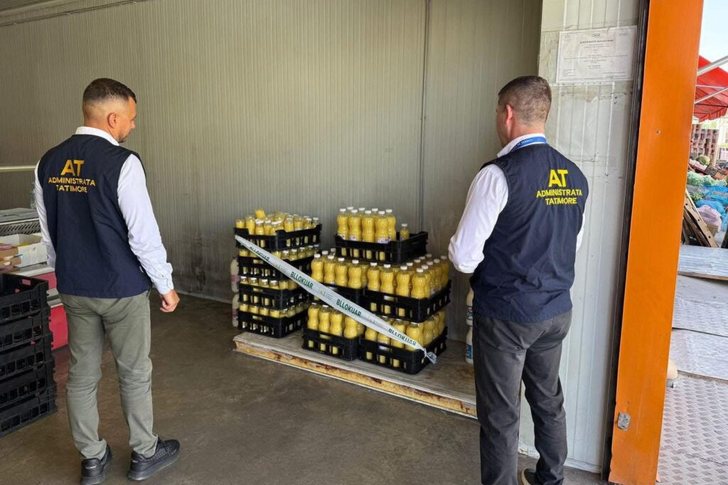
The Tax Directorate has announced that as part of the acti...
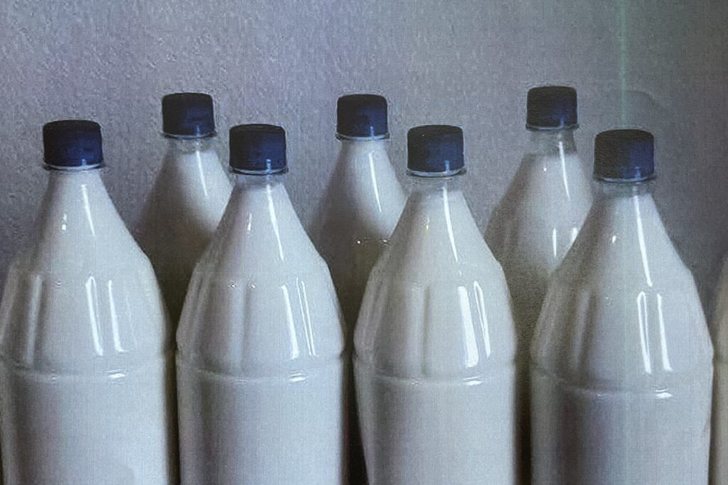
Small markets are left without milk supplies. Taxes: Use a...

Today, in the foreign exchange market, one US dollar will ...
Local government expenditures for the first 5 months of 20...

The action launched by the tax administration with a focus...
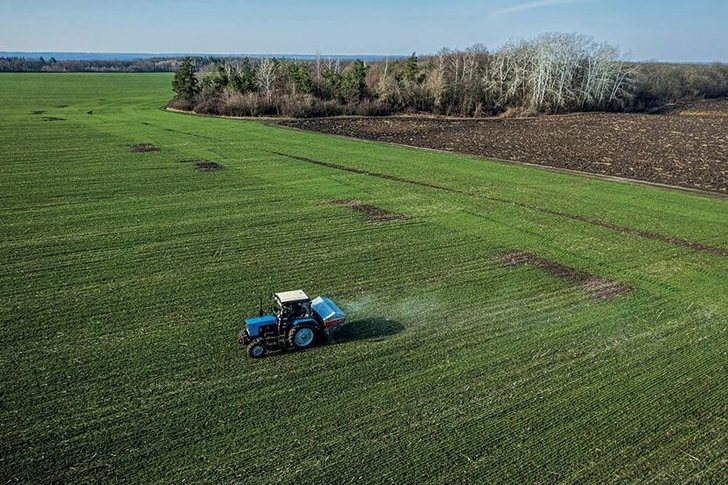
Following the completion of the action to control the invo...

Today, in the foreign exchange market, one US dollar will ...

Last year was the warmest year on record both in Europe an...

CNA has launched another investigation that could lead to ...

Irfan Hysenbelliu is a businessman that we call "Irfan the...

In March 2026, CNA launched another investigation centered...
The arrested mayor of Tirana, Erion Veliaj, with 13 charge...

The Special Board of Appeal (KPA) decided this Monday ...

The KPA vetting decided this Thursday to dismiss the p...

Suela Salavaçi, a prosecutor in the Prosecutor's Offic...

The Special Board of Appeal reinstated the prosecutor ...

A road accident occurred this evening on Nikolla Zoraqi St...

Three people were shot and wounded in Elbasan last night b...

A serious incident occurred this Tuesday in the Yrshek are...

An accident occurred this Tuesday on "Dituria" street in K...
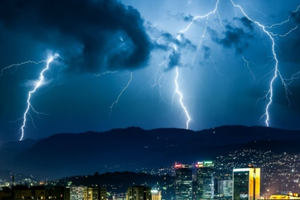
All of Southern Europe will face changing weather conditio...
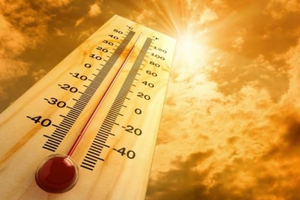
Albania was hit by temperatures significantly higher than ...

For the first time, Pogradec welcomed the Inter-Lake Chess...

Albania has achieved a record for the employment of foreig...

US Secretary of State Marco Rubio arrived in Manila on Jul...

In the space of a few days, Ukrainian President Volodymyr ...

The spokesman for the Iranian Foreign Ministry warned Bulg...
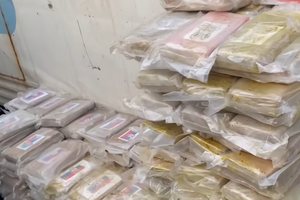
Autoritetet italiane sekuestruan pako me afër 800 kilogram...

At a time when industrial products are increasingly taking...

Trust among people is not just a three-syllable word. It c...

Master of humor Todi Llupi has passed away at the age of 7...

The ninth edition of "MIK Festival" kicked off with one of...

Construction company licenses will have a validity period ...
The Centralized Purchasing Operator recently opened a tend...

The new draft law "On the Bank of Albania" provides that t...

This Tuesday, one US dollar is bought for 81.2 lek and sol...