


Foreign exchange rate July 20, 2025/ Euro and dollar "frozen"
Today, in the foreign exchange market, one US dollar will ...


Being rich isn't just about having a high income. Prices vary from place to place, and a modest salary may be worth more where the cost of living is lower.
Even working hours are not the same: in some countries, higher incomes are achieved with fewer working hours, leaving more time for leisure and personal life. The Economist magazine ranked 178 countries based on three indicators.
The first is Gross Domestic Product per capita at market exchange rates. This is a simple, understandable, and widely used indicator. But it does not take into account price differences between countries.
The second indicator adjusts income for the local cost of living (known as purchasing power parity, or PPP). This gives a more accurate picture of living standards, but it does not take into account leisure time: labor market participation and the length of working hours vary from country to country.
The last indicator combines both aspects: local prices and working hours, thus providing a more complete measure of real well-being.
The ranking also includes Albania and other Western Balkan countries, excluding Kosovo.
In terms of per capita income, with $10,000, Albania lags behind both Bosnia and Herzegovina (almost $9,000) and North Macedonia ($9.3 thousand), while Montenegro and Serbia have $13 and $13.5 thousand per capita income per year, respectively. Albania is eighth in all of Europe in the ranking of countries with the lowest per capita income, leaving behind Azerbaijan, Moldova, Belarus, Armenia, Bosnia and Herzegovina, Georgia, and North Macedonia.
But when we move on to the other two indicators, which take into account both price differences (which adjusts income for changes in the cost of living in different countries) and the last indicator that calculates income based on prices and hours worked (it shows how much wealth is actually generated per hour worked in each country.
This is the most accurate indicator to compare the economic efficiency of the working population), relative incomes decrease, reflecting expensive prices, while working hours are long. Albanians have the lowest incomes in the region, compared to purchasing power, after Bosnia and Herzegovina, and are fourth in Europe, after Moldova, Bosnia and Herzegovina and Armenia.
Adjusted earnings for prices and hours worked in Albania in 2024 were $26.4 thousand, compared to $22 thousand in Bosnia and Herzegovina. The data clearly shows that Albanians are among the workers who, despite working long hours, are the least well-paid.
While in North Macedonia this figure reaches over 30 thousand dollars, in Serbia 31.6 thousand and in Montenegro over 36 thousand, Albania lags far behind in the economic value it produces for each hour of work.
Even Bosnia and Herzegovina, with a lower nominal GDP per capita, manages to have a productivity comparable to Albania when it comes to effective labor income.
This weak positioning is not related to the low number of working hours - on the contrary, Albanians work a record 43.7 hours per week, compared to the European average of 36.1 hours - but to the structure of the labor market and the nature of the Albanian economy.
Most of the work is carried out in low-value-added sectors – such as informal agriculture, small trade or non-productive services – which do not generate sufficient income compared to the time invested.
Compared to European Union countries, the gap is even wider. According to The Economist, countries like Switzerland and Ireland manage to generate over $90,000 per capita per year adjusted for working hours.
Even countries with more structured economies like Germany, Austria, or Sweden fluctuate in the $70,000–$80,000 range. Albania, with just over $26,000, remains far from this standard.
The Economist's analysis sends a clear message to developing countries like Albania: productivity growth does not come just from more work, but from more efficient, better-paid work in higher-technology, higher-value-added sectors.
In the absence of structural reforms in education, employment, and technology, Albania risks remaining a country where hard work is required but economic rewards remain modest./ Monitor Magazine

Today, in the foreign exchange market, one US dollar will ...

Në Shqipëri, burrat zotërojnë më shumë telefona celularë s...
July 20, 2025 is the deadline for municipalities with fina...
Fatima, 28, is one of the youngest employees at the bar-re...
Today, in the foreign exchange market, one US dollar will ...
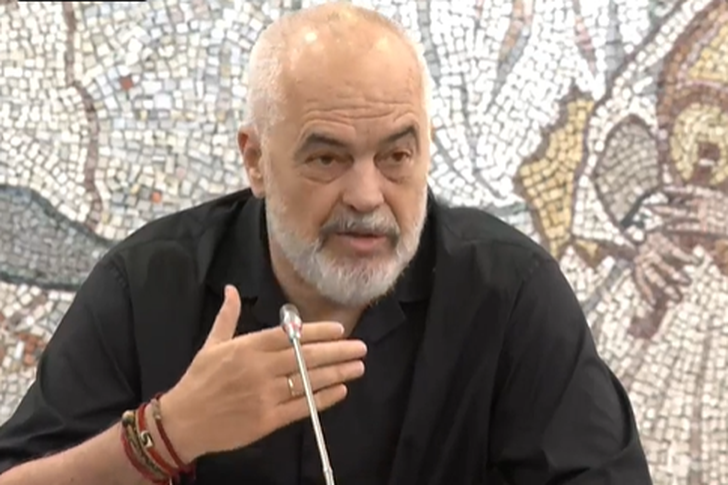
Prime Minister Edi Rama announced a surprise initiative th...
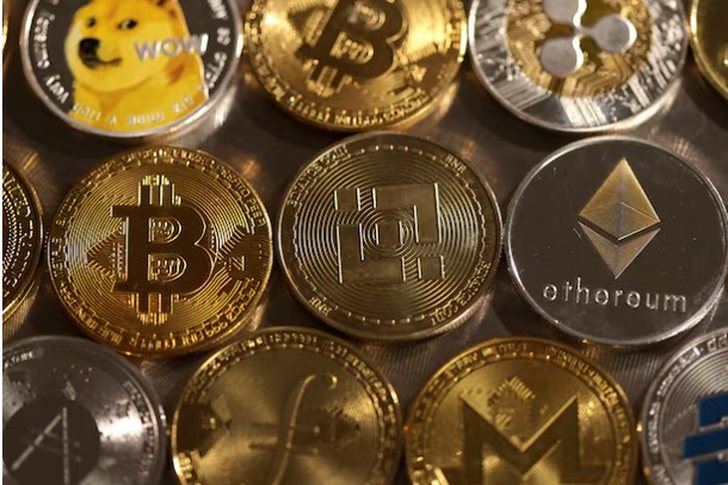
Vlera e tregut të sektorit të kriptovalutave arriti në 4 t...
Today, in the foreign exchange market, one US dollar will ...
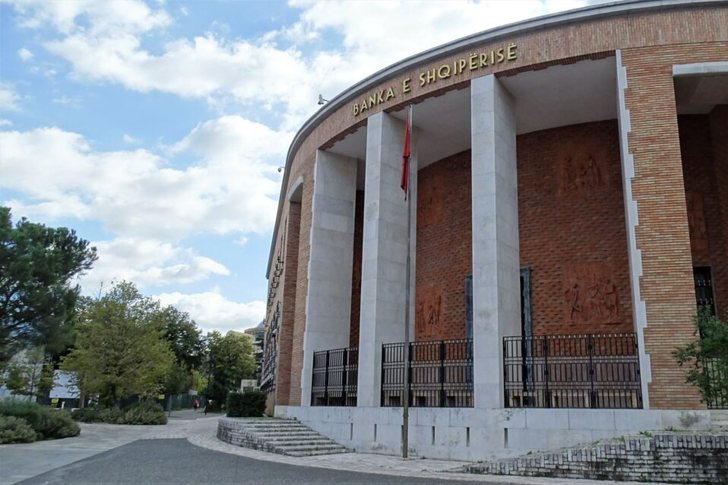
The Bank of Albania has prepared several changes to the fr...

Today, in the foreign exchange market, one US dollar will ...
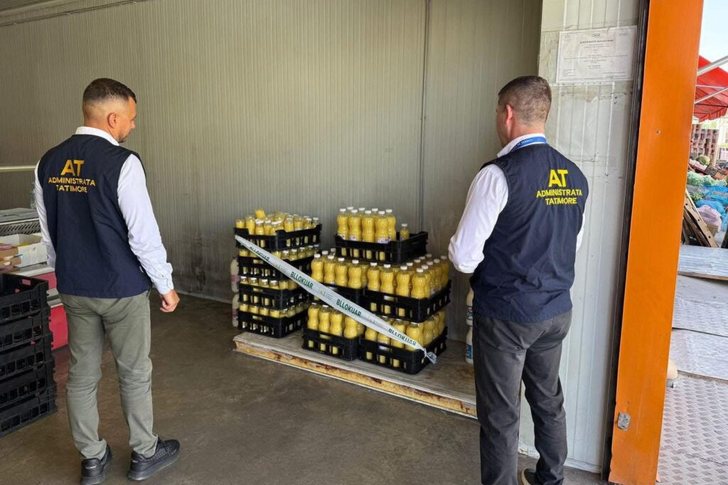
The Tax Directorate has announced that as part of the acti...
Small markets are left without milk supplies. Taxes: Use a...
Today, in the foreign exchange market, one US dollar will ...
Local government expenditures for the first 5 months of 20...
The action launched by the tax administration with a focus...
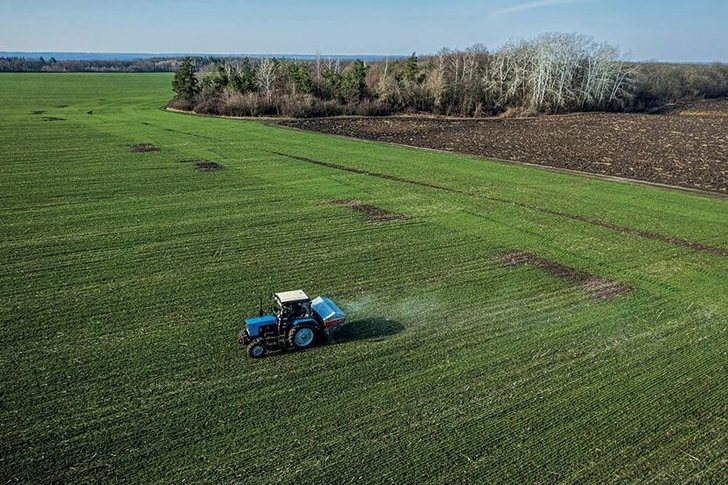
Following the completion of the action to control the invo...

Today, in the foreign exchange market, one US dollar will ...
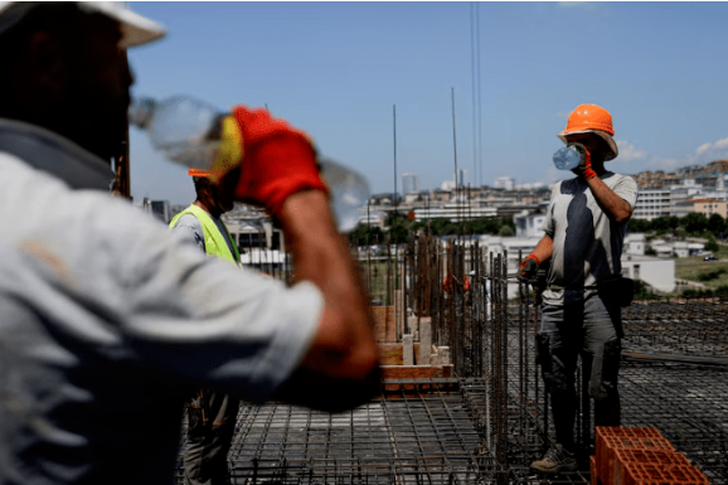
Last year was the warmest year on record both in Europe an...
Today, in the foreign exchange market, one US dollar will ...
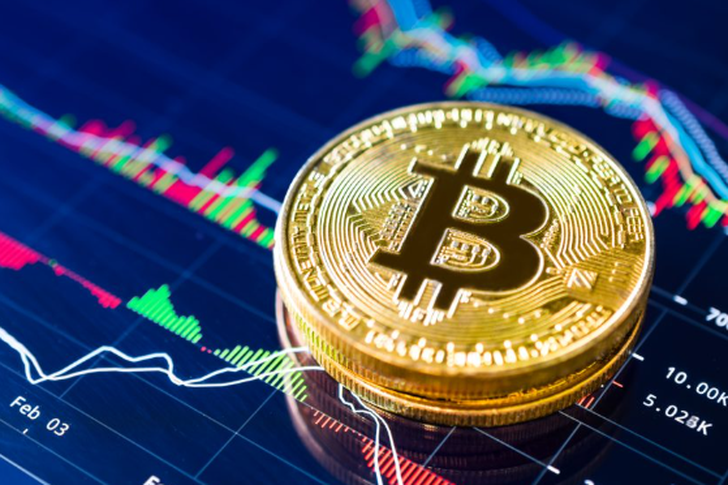
Bitcoin's price hit a record high as the popular cryptocur...

CNA has launched another investigation that could lead to ...

Irfan Hysenbelliu is a businessman that we call "Irfan the...

In March 2026, CNA launched another investigation centered...
The arrested mayor of Tirana, Erion Veliaj, with 13 charge...

The Special Board of Appeal (KPA) decided this Monday ...

The KPA vetting decided this Thursday to dismiss the p...

Suela Salavaçi, a prosecutor in the Prosecutor's Offic...

The Special Board of Appeal reinstated the prosecutor ...

A road accident occurred this evening on Nikolla Zoraqi St...

Three people were shot and wounded in Elbasan last night b...
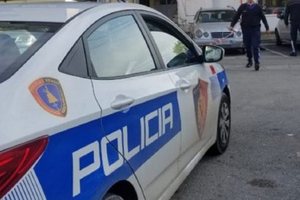
A serious incident occurred this Tuesday in the Yrshek are...

An accident occurred this Tuesday on "Dituria" street in K...
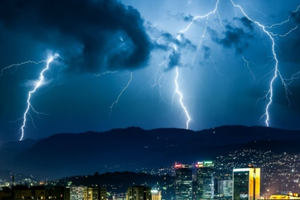
All of Southern Europe will face changing weather conditio...
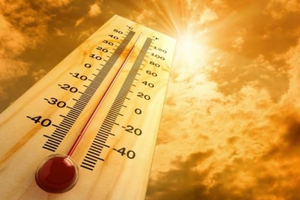
Albania was hit by temperatures significantly higher than ...
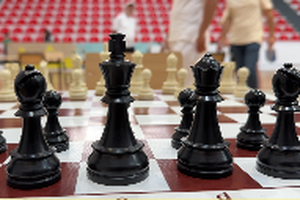
For the first time, Pogradec welcomed the Inter-Lake Chess...
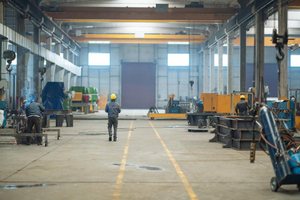
Albania has achieved a record for the employment of foreig...

US Secretary of State Marco Rubio arrived in Manila on Jul...
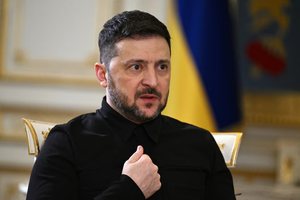
In the space of a few days, Ukrainian President Volodymyr ...
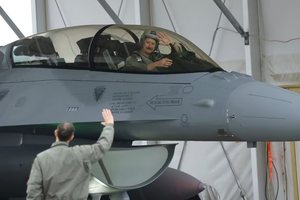
The spokesman for the Iranian Foreign Ministry warned Bulg...
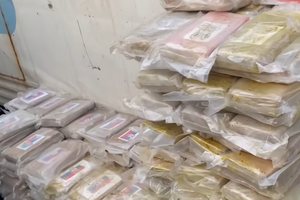
Autoritetet italiane sekuestruan pako me afër 800 kilogram...

At a time when industrial products are increasingly taking...

Trust among people is not just a three-syllable word. It c...

Master of humor Todi Llupi has passed away at the age of 7...

The ninth edition of "MIK Festival" kicked off with one of...
Construction company licenses will have a validity period ...
The Centralized Purchasing Operator recently opened a tend...
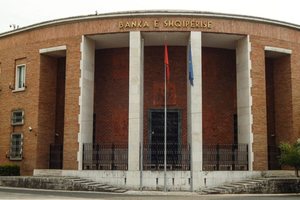
The new draft law "On the Bank of Albania" provides that t...
This Tuesday, one US dollar is bought for 81.2 lek and sol...