


Serious accident on the Kardhiq-Delvinë axis / One person dies, three others are injured
A serious accident occurred on the Kardhiq-Delvinë axis, i...

A serious accident occurred on the Kardhiq-Delvinë axis, i...

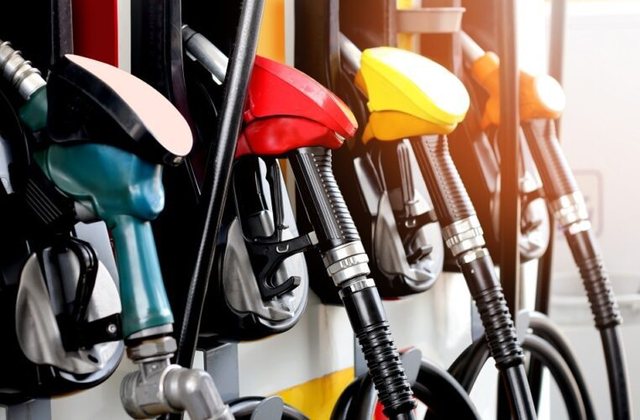
Today, a liter of diesel in the retail market is traded at 214 lek per liter, or about 2.2 euros according to the average exchange rate.
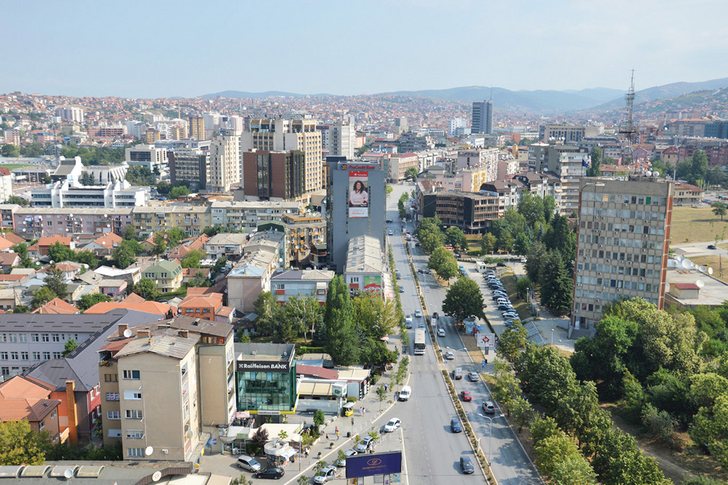
Oil in Albania is traded at the highest price in the region. The cheapest prices are in North Macedonia and Montenegro, where fuel is currently being traded at around 1.6 euros per liter. In Kosovo, the price recently increased to 1.7-1.8 euros/liter, but until two days ago it was around 1.6 euros/liter.
On average, a vehicle user in Albania pays a final price that is 25-40% more expensive than in other countries in the region.
How is this more expensive price explained?! If we look at the structure of how the price is built, in Albania it is a known fact that the tax burden is the highest in the region. But, how much are the taxes paid:
In Albania, the element that adds the most to the fiscal burden is the circulation tax of 27 lek per liter. The excise tax is fixed, 39.4 lek per liter and 3 lek is the carbon tax. On top of these, VAT is calculated, which is 20% on the final price (including other taxes), unlike the region that does not charge VAT on top of other taxes.
Montenegro only charges an excise tax on the price of oil, which was recently halved to 0.22 euros per liter, as a means of easing price increases. VAT in Montenegro is 21%.
North Macedonia only charges an excise tax of 0.42 lek per liter on diesel. Recently, the North Macedonian government reduced the VAT on diesel and gasoline from 18% to 10% as a temporary measure to cushion the price increase on the stock exchanges.
Kosovo has an excise tax of 0.37 euros per liter and a VAT of 18%.
In total, currently, an Albanian pays 1.16 euros in taxes on a liter of diesel (53% of the final price); a Macedonian citizen 0.58 euros per liter (36% of the final price); a Montenegrin 0.55 euros (35% of the final price); a Kosovo citizen 0.67 euros, or 38.5% of the final price.
In value, every time they buy a liter of fuel, every car user in Albania pays twice as much in taxes as residents of Kosovo, Montenegro, and North Macedonia.
If the main taxes are removed, the wholesale purchase price, adding retail margins and other activity costs (labor costs, transportation from warehouses to the network, energy, legal fees, depreciation, bank loans, etc.), in all countries in the region is more or less at the same levels at around 1-1.1 euros per liter.
The region is rushing to lower taxes, Albania is still waiting
The beginning of the crisis in the Middle East and the rapid increase in oil prices caused many countries to rush to take measures to protect consumers.
The Montenegrin government has decided to reduce the excise duty on Eurodiesel by 50% starting from 24 March 2026. At the same time, the excise duty on petrol has been reduced by 25%. The measure was taken to mitigate the effects of the increase in global oil prices due to the crisis in the Middle East.
The government of North Macedonia has also reduced the VAT on gasoline and diesel from 18% to 10%. The measure was taken to curb the increase in fuel prices, driven by the crisis in the Middle East. The decision comes into effect from March 23, 2026 and is temporary.
The Government of Kosovo has in force the Decision on the Net Profit Margin of 0.02 Euro/liter for the majority and 0.12 Euro/liter for the minority. Recently, there is a debate in Kosovo about interventions in excise duty and VAT.
Albania, which has the highest tax burden in the region, is moving more slowly. The Council of Ministers has announced that as part of measures to stabilize fuel prices, in addition to re-establishing the Transparency Board, it has reduced fuel excise duty by 20%.
This measure, according to importers, has not yet come into force. A 20% reduction in excise duty means that it will drop to 32 lek per liter excluding VAT, from around 40 today, meaning a saving for companies of 8 lek, which should automatically translate into a reduction in the price of fuel by at least 8-10 lek per liter, taking into account the effect of VAT.
Meanwhile, since the beginning of the conflict, oil has gone from 170-175 lek per liter to currently 214 lek per liter, or 40-45 lek more, which means that even if the excise tax is reduced by 20%, the price will still remain above 200 lek per liter, unless it becomes more expensive, if it increases on the stock exchange.
How is the price of oil formed, why is the increase immediately reflected and not the decrease?!
Have you noticed that the price of oil increases almost immediately when it rises on the stock market, but if the trend in international markets is downward, domestically they "delay" their decline and the profit rates of the benchmark companies increase.
Luigj Aliaj, from the Association of Hydrocarbon Companies, explains how the import and trading of oil in the country works:
"The procedure begins with contracting with international trading companies, usually with agreements concluded a year in advance. The aim is to select serious companies that guarantee supply, quality and offer a more competitive premium over the stock exchange price."
"Wholesale contracts, anywhere in the world, are concluded on the international Platts indicator (FOB), on the day of withdrawal from the free customs zone, plus a premium. So, the only competitive element between companies is the premium, while the base price is determined by the international market."
Platts is an international oil product price index, published by S&P Global, which is used as a global reference for trading prices. The price applied is that of the day the product is withdrawn.
Aliaj explains that under this contract, the international trader chosen by the Albanian company presents himself at Albanian customs and the company is provided with an ML code (free warehouse). According to the contracted monthly quantity, the ships unload the oil in these warehouses and the product physically passes into the ownership and custody of the Albanian company, while the financial value still remains the responsibility of the supplier, which in this case is the well-known international company BP.
Every day, depending on the demand of the domestic market or the demand from neighboring countries for re-export, the Albanian company sends a request to the supplier for the release of the product for the purpose of its release on the market. The supplier, based on the Platts price of the day, closes the price for the relevant quantity, issues an invoice and on this basis the payment is made. Then, the Albanian importing entity presents itself to customs, pays the duties, based on the Platts of that day and the product is released on the market.
"In deposits, the price cannot be locked (fixed), not even for the reserves that companies are obliged to keep. This would be like a risky bet, since price fluctuations are unpredictable. A drop of a few dollars is enough for the product to immediately become uncompetitive in the market. Every morning, retail traders are informed about the Platts price of the previous day and ask most of them for the price of the day. If the price was locked the day before and in the meantime it has fallen, the company loses competitiveness," says Aliaj.
From free zones, most companies sell daily reflecting the Platts price of the day and adjust it continuously.
How are these movements reflected in the retail market? Aliaj claims that there are about 1,400 fuel stations operating in the retail market, with volumes ranging from 500 liters for small stations to 30 thousand liters per day for large units. Supply is done periodically, usually with trucks of about 30 thousand liters, depending on consumption.
"As a result, the retail price reflects the changes with a delay that can be up to 10 days. High-volume outlets, which sell around 30,000 liters per day, reflect the change faster, within 1-2 days, while smaller outlets, with sales of 5-6,000 liters per day, feel the effect later."
Even in the current situation, it is noted that the retail price is still lower than the actual cost of supply, as the increase in Platts in recent days has not yet been fully reflected in all points of sale."
According to data from the Association of Hydrocarbon Companies, on March 18, when the retail price of oil in the country jumped to 214 lek, Platts on the stock exchange was around $1,300 per ton, which corresponded to a customs price of around 96 lek per liter, to which are added around 100 lek in taxes and other operational margins of 3 lek for the majority and 14 lek for the minority.
On March 23, Platts increased to about $1,600 per ton, which in retail terms amounts to 230 lek per liter. This price has not yet been reflected in the market, but if it continues to increase in price on the stock exchanges, the increase in retail prices is not expected to be delayed.
But how is it explained that prices are decreasing more slowly, this being also observed from the increase in the profit rate of hydrocarbon companies in years when prices were stable or decreasing?! "When prices are low or stabilized, there is a higher profit rate, as expenses are decreasing. There are never profits in situations like the current one with a sudden increase in prices.
At this moment, the fuel sector, instead of asking what support it can have to continue supplying the market, is being attacked without any analysis and without reason. Currently, it takes two to three times the capital to maintain the market, as a result of high prices, financing from banks is becoming more difficult, insurance is increasing and the first concern is whether the continuity of supply can be continued and then the price analysis can be clarified”, says Aiaj./ Monitor Magazine

This Wednesday, one US dollar is bought for 82.1 lek and s...
As in Tirana, the 8% level for the infrastructure impact t...
Short-term statistics for the last quarter of 2025 show a ...
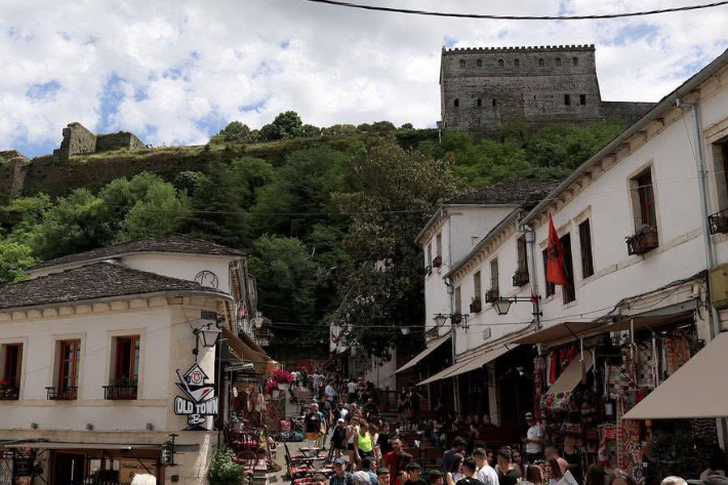
A mother and daughter from Denmark chose to visit Albania ...
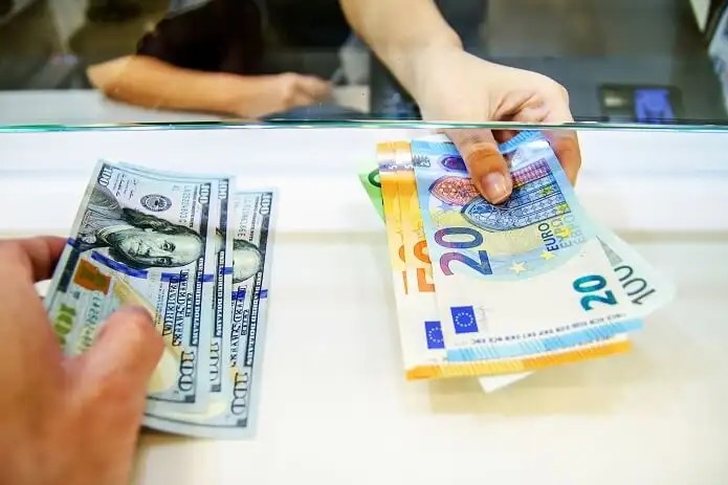
This Tuesday, one US dollar is bought for 82.6 lek and sol...
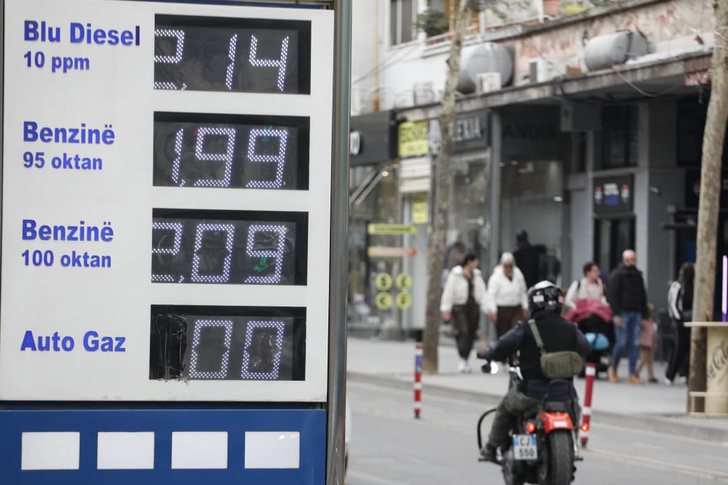
The situation in the fuel market in Albania is alarming fo...
Today in the foreign exchange market, the euro will be exc...

In a world that is increasingly volatile, the economies th...
The economy is showing the first signs of fatigue, while t...
This Sunday, one US dollar is bought for 82.4 lek and sold...
Economic experts warn that domestic production, due to wea...

In these first 12 or so days of the war in the Middle East...

This Saturday, one US dollar is bought for 82.4 lek and so...
The government has taken two decisions to stabilize the pr...

In addition to cigarettes, imports of other excise goods h...
Does money buy happiness?! This is a big debate around the...
This Friday, one US dollar is bought for 82.7 lek and sold...
The President of the European Central Bank, Christine Laga...
The Electronic and Postal Communications Authority (AKEP) ...
Accurate data on the area being granted for construction p...

The next case broadcast on the show "Stop", this Thursday,...
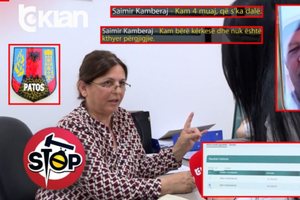
The case published this Thursday, June 4, on the show "Sto...

The protests of recent days related to the situation in Zv...

The case addressed this Wednesday, June 3, on the show "St...

The Special Board of Appeal (KPA) decided this Monday ...

The KPA vetting decided this Thursday to dismiss the p...

Suela Salavaçi, a prosecutor in the Prosecutor's Offic...

The Special Board of Appeal reinstated the prosecutor ...
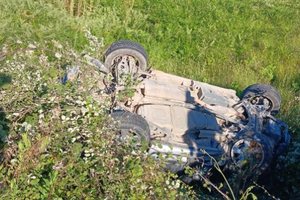
A serious accident occurred on the Kardhiq-Delvinë axis, i...

Authorities have conducted a large-scale anti-drug operati...

A convict was found dead today in the premises of the Pris...

Several images provided by CNA show the area where this mo...

Today our country will be affected by stable weather condi...

For many children and teenagers, the long summer holidays ...

Albania is facing an unprecedented demographic transition,...
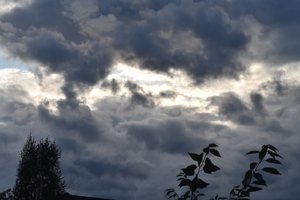
On Thursday, our country will be affected by unstable weat...

Russian President Vladimir Putin said the war in Ukraine c...

An extraordinary story of survival has been recorded in Ne...
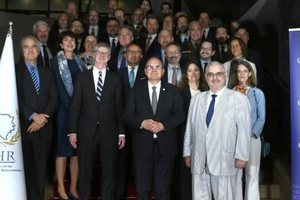
The Peace Implementation Council in Bosnia and Herzegovina...

John Bolton, the former national security adviser to US Pr...

Korça is ready to open the summer season with one of the c...

Two years after his passing, the renowned Korçë poet Skënd...
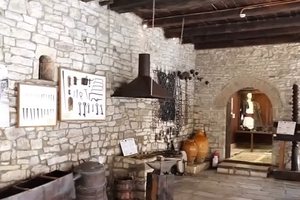
The Ethnographic Museum of Berat has opened its doors to v...
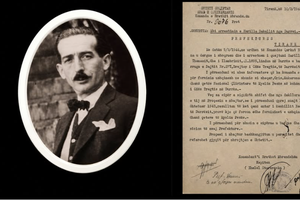
The story of Harilla Bakalli is one of the most chilling t...

Despite years of efforts at regional cooperation and free ...

Albania is the country with the highest level of severe ma...

This Friday, one US dollar is bought for 81.3 lek and sold...
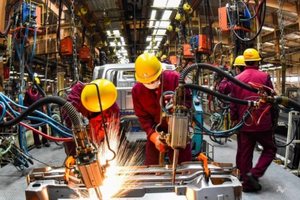
The government aims to transform the country's industrial ...