


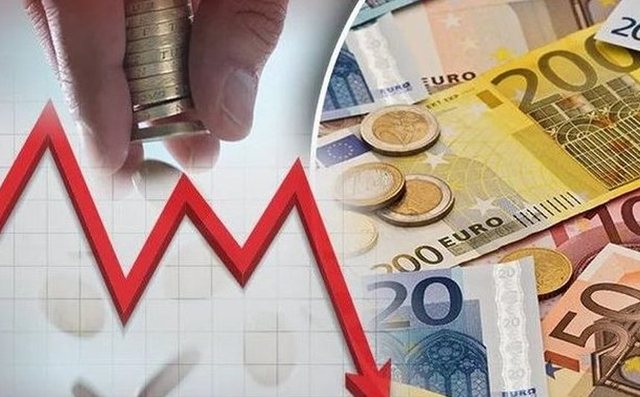
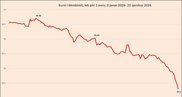
One of the topics that has most shaken the economy is the euro exchange rate. For some citizens who receive remittances from abroad, currency fluctuations directly affect their income. For exporters, the blow has been even more pronounced.
When the euro depreciates sharply against the lek, companies that sell abroad receive less revenue when they convert it. This is not cold financial theory. It is a concrete problem for tailors, manufacturers, agribusiness and other sectors that work with tight margins. If costs are paid in Albania and revenues are collected in euros, exchange rate fluctuations can quietly eat into profits.
On the other hand, the government and financial institutions have also read the strengthening of the lek as a sign of stability or foreign exchange inflows from tourism, construction and remittances. But even here there is room for skepticism. Because when a currency strengthens in an economy with a weak production base, the question is not only how good the exchange rate looks, but how much damage it causes to the sectors that actually produce.
So, yes, a weak euro may seem like good news for imports or for those who pay less for some goods from abroad. But for domestic production and exports, the picture is not so clear. And that's why economic news should be read with a critical nerve, not with automatic enthusiasm.
Salaries have increased, but is this enough?
The debate over wages has become inevitable. In the public sector there have been moves, announced increases and promises of improvement. In the private sector, especially in trade, services and manufacturing, the picture is more uneven.
Yes, there are wage increases in some sectors. Yes, the labor shortage has forced some businesses to offer more. But this is not necessarily an indicator of a healthy labor market. In many cases, it is simply a reaction to mass attrition and the immigration crisis. In other words, wages are rising not because the economy is distributing profits more fairly, but because the market is emptying.
This creates a strong contradiction. On the one hand, businesses complain that they cannot find workers. On the other hand, citizens complain that wages still do not cover the cost of living. Both sides are right. The problem is structural. Low productivity, informality, lack of serious investment in skills and a climate where employees are often seen as costs, not capital./ CNA


When it comes to economic news in Albania, the real questi...

The business climate appears to have deteriorated signific...
This Tuesday, one US dollar is bought for 81.7 lek and sol...

An Albanian individual, living in the capital and receivin...
Çmimi i karburanteve për transportin e mjeteve personale n...
This Monday, one US dollar is bought for 81.4 lek and sold...

For almost a decade, the construction sector in our countr...

This Sunday, one US dollar is bought for 81.4 lek and sold...

In the Balkans, few tourism markets are expanding at the p...

Demographic experts Ilir Gëdeshi and Russell King conclude...

This Saturday, one US dollar is bought for 81.8 lek and so...

Urban development, transport, energy, forestry and agricul...
The Minister of Economy and Innovation, Delina Ibrahimaj, ...
The draft law proposed by the Ministry of Finance for a ne...
It is not only Albanian consumers who pay more than the Eu...
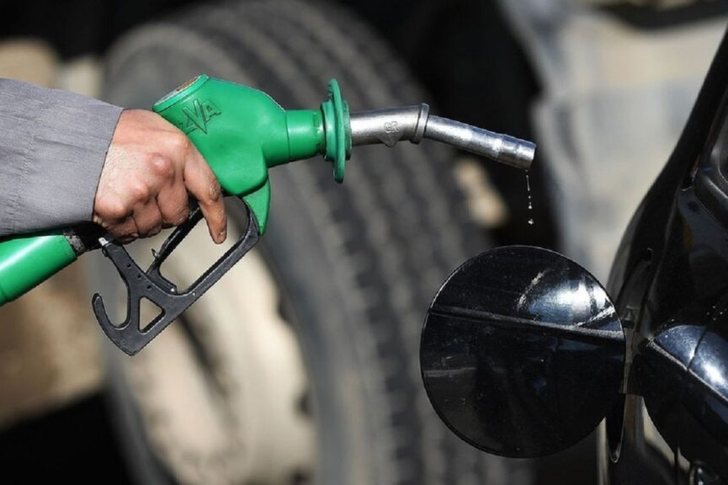
Albanian consumers paid 10.5% more for fuel than the Europ...

A new draft law submitted for public consultation by the M...
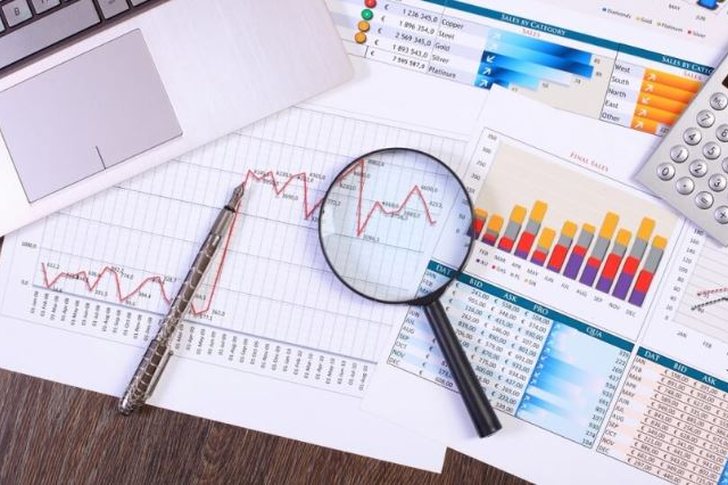
While budget revenues are being collected at enviable rate...
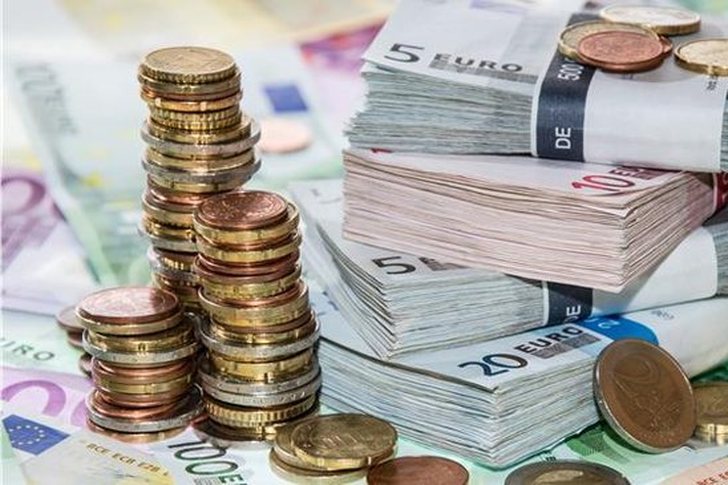
This Thursday, one US dollar is bought for 81.5 lek and so...
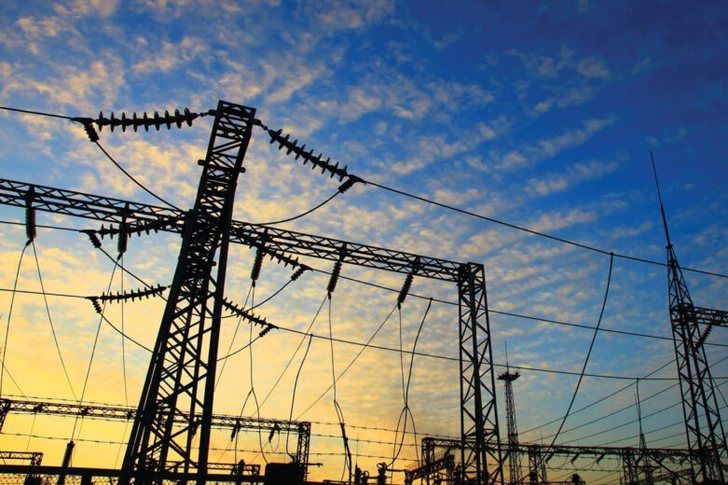
Net electricity production in the country reached 4.4 mill...

A complaint to CNA also led to the publication of several ...

A mountain of documents for a flagrant case, in the na...
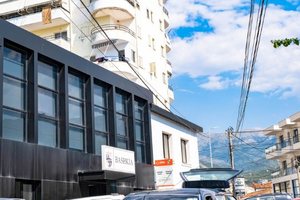
The Democratic Party has denounced a tender held by the Hi...
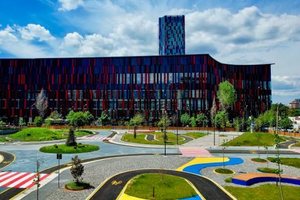
Since the summer of 2020, the Mayor of Tirana, Erion Velia...

The Special Board of Appeal (KPA) decided this Monday ...

The KPA vetting decided this Thursday to dismiss the p...

Suela Salavaçi, a prosecutor in the Prosecutor's Offic...

The Special Board of Appeal reinstated the prosecutor ...

The much-wanted Ylli Zalla has managed to escape the opera...
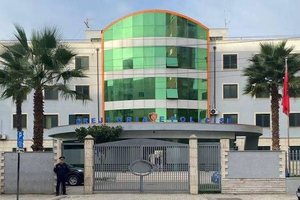
Një 41-vjeçar i dyshuar për tentativë për vrasje është vën...

The Lezha Court has remanded in prison the 40-year-old man...

It is reported that a conflict occurred on "Ismail Qemali"...
Turkish police said on Tuesday they had arrested more than...

Today, our country will be affected by relatively stable w...

Albania is facing significant challenges in human capital ...
On Monday, our country will be affected by relatively stab...

Kryeministrja italiane, Giorgia Meloni, po shqyrton mundës...
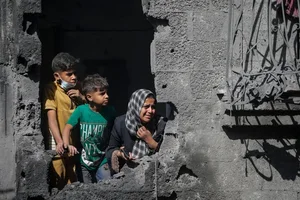
A UN investigative commission says Israel has deliberately...
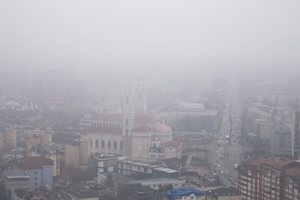
Eight years after air pollution control standards under th...

Security forces in Turkey have arrested more than 200 peop...

The promotion of the book by author Aleksandër Ikonomidhi ...
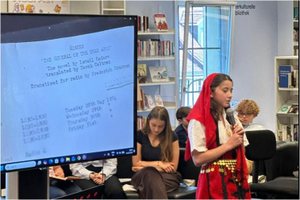
The Albanian Embassy in Switzerland has organized an eveni...

This Wednesday, the prominent actor of Albanian cinema, Gj...
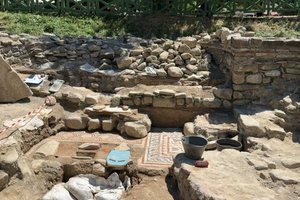
Several archaeological excavations conducted during this s...

The labor market in Albania continues to be characterized ...
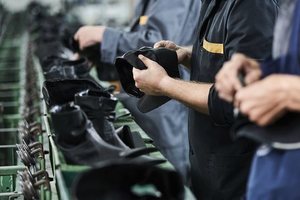
The two most frequently mentioned economic engines are con...

If you want to take the pulse of the economy, it's not eno...
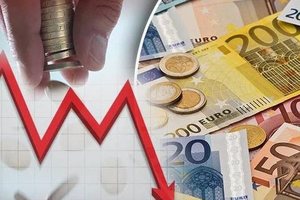
One of the topics that has most shaken the economy is the ...