


Regional isolation, 22% of Balkan citizens do not travel to neighbors at all
Despite years of efforts at regional cooperation and free ...

Despite years of efforts at regional cooperation and free ...

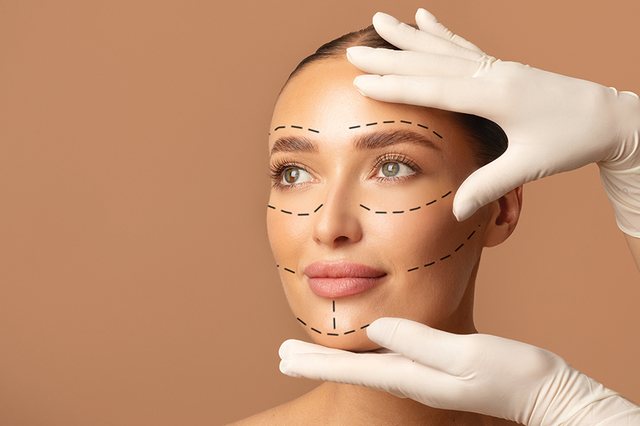
Physical appearance has become economic and social capital, where investment in the body and face is now measured in euros, time and professional advantages. The aesthetics industry is also growing in Albania, driven by the demand for natural results, health tourism and a market that is mainly cash, but still weak in monitoring and regulation…
Physical appearance has long entered the economic balance of the individual. It is no longer treated as a private attribute or a matter of personal taste, but as a form of capital that can be invested, improved, and even depreciated.
In an economy increasingly oriented towards services, image, and public exposure, the body and face have become work tools, just as much as diplomas or professional experience.
The global beauty and personal care industry is one of the fastest growing markets in the last two decades. From plastic surgery to aesthetic dermatology, from premium cosmetics to anti-aging treatments, this sector encompasses an entire value chain that generates billions a year and employs hundreds of thousands of professionals.
What sets it apart from other industries is the elasticity of demand. Even in times of crisis, spending on appearance does not fall proportionally. On the contrary, it often increases. When markets tighten and competition increases, individuals invest more in personal differentiation.
From an economic perspective, appearance functions as a signal. A well-groomed, neat, and aesthetically enhanced individual is perceived as more trustworthy, successful, and competent, regardless of whether these qualities are real or not.
Numerous studies show that individuals who conform more closely to dominant visual standards are more likely to be hired, negotiate better salaries, and advance more quickly in their careers. In this sense, investing in appearance becomes a form of enhanced human capital.
In aesthetic clinics oriented towards non-invasive treatments, there is a clear shift in demand from drastic interventions towards timely appearance care, a trend that is directly related to the way consumers today view aesthetics as part of everyday life.
According to "Bohem Beauty Clinic", "the greatest demand comes for treatments that improve skin quality and give a fresher appearance, without visible artificial changes. Biostimulators, mesotherapy and moisturizing treatments are among the most sought after, especially by the 30 to 50 age group."
The clinic emphasizes that the economic behavior of clients has also changed. “Treatments that were once considered a luxury are now planned as part of a recurring budget, with prices ranging from around 70–100 euros for basic treatments and going up to 400 euros for more advanced protocols,” says Denisa Balo, the clinic’s director.
In medical centers that offer integrated aesthetic and health services, aesthetics is increasingly linked to the concept of well-being and medium-term personal investment.
Estelite Medical Center states that "today patients do not come just for an isolated treatment, but for an overall improvement in appearance, combining facial aesthetics, dental and body treatments."
According to them, this is also reflected in the cost structure. “Clients are more informed, compare quality and are willing to invest in procedures that offer sustainable results.
"Prices range from 80–150 euros for simpler treatments, while combined packages reach several hundred euros, depending on the technology and medical follow-up," says Arisa Sinanaj, director of the clinic.
In the cosmetic surgery segment, although demand remains stable, the way patients make decisions and perceive this expense is changing profoundly. According to “Da Vinci Clinic”, patients today come more informed and with more realistic expectations, seeking improved harmony rather than extreme transformations.
The clinic emphasizes that cosmetic surgery is increasingly seen as a thoughtful economic decision. “The procedures have costs ranging from several thousand euros, but patients weigh these expenses as a long-term investment, where the main factors are safety, the doctor's experience and the result in time,” they claim.
In a market where cosmetic surgery is increasingly moving away from the logic of standard intervention and is moving towards a personalized approach based on contemporary medical protocols, Skerdi Faria, CEO of the "Keit" Hospital Clinic, points out that in the last 10 years, the demand for cosmetic surgery has evolved significantly, both in volume and quality.
"While traditional interventions with a mainly aesthetic focus previously dominated, today patients are looking for more natural results, maximum personalization, and scientifically documented safety. We have noticed an increase in patient awareness: they are more informed, more demanding, and more oriented towards international standards."
Five or ten years ago, procedures such as classic rhinoplasty, breast augmentation, and traditional liposuction accounted for the bulk of the activity.
Today, in addition to these, we have a significant increase in advanced rhinoplasty, body contouring interventions after weight loss, combined surgery after pregnancy and more refined facelift procedures with less invasive techniques, which shows that the evolution is not only quantitative, but also technical and conceptual," says Dr. Faria.
COST
In Albania, the beauty economy is consolidating as a real market, although still statistically under-documented by official institutions. There is no national registry for aesthetic interventions nor detailed data from INSTAT for this sector, but information obtained from private clinics and regulatory authorities provides a clear picture of growth.
Local market prices show that a Botox session ranges on average from 150 to 350 euros, fillers from 250 to 600 euros per area, while surgical interventions such as rhinoplasty, blepharoplasty or liposuction range from 2,500 to over 5,000 euros, positioning Albania as a market with lower prices than Western Europe, but with relatively high margins for service providers.
In parallel, the growth of private aesthetic clinics in Tirana and coastal cities suggests not only an increase in domestic demand, but also an orientation towards aesthetic medical tourism, where patients from Kosovo, North Macedonia and the Albanian diaspora make up a significant portion of the clientele.
From an economic point of view, this sector is mainly fueled by private spending, often outside of health insurance schemes, functioning as a cash-intensive market with low resilience to short-term crises.
In the absence of detailed regulatory policies and fiscal transparency, the virtual economy in Albania remains a market with high growth potential, but also with structural risks, where demand grows faster than institutional monitoring capacities.
informality
A significant portion of the beauty economy in Albania operates on the margins of informality. The lack of a specific statistical classification for aesthetic services, combined with the predominantly cash payments and the periodic nature of the interventions, makes this sector difficult to monitor fiscally.
Many non-surgical treatments are offered in facilities that formally operate as cosmetic centers, but perform medical procedures without full financial reporting. This creates a gap between real and declared turnover, reducing tax revenues and distorting competition in the market.
From an economic point of view, informality reduces costs for some service providers and keeps prices artificially low, but at the same time increases risk for the consumer and inhibits long-term investments in standards, technology, and professional training.
According to Mr. Faria, from Keit Clinic, centers that compete primarily on lower costs often focus on volume and aggressive offerings. According to him, in cosmetic surgery, the key element for the patient should be surgical safety, controlled medical infrastructure, quality of materials, team experience and post-operative follow-up. Market
In Albania, cosmetic surgical interventions are mainly concentrated in a limited number of large private hospitals and clinics, mainly in Tirana, which have surgical infrastructure, anesthesia, and licensed medical staff.
These structures represent the most formalized and financially consolidated segment of the beauty economy. Unlike small aesthetic centers or beauty salons, private hospitals operate at higher prices for major procedures such as rhinoplasty, blepharoplasty, facelift, liposuction or combined procedures, generating significant revenue for a relatively small number of procedures.
From an income perspective, an aesthetic surgical procedure in Albania costs an average of 2,500 to 6,000 euros, depending on the complexity, length of hospitalization, and the reputation of the doctor.
Considering that a medium-sized private hospital can perform dozens of such interventions per month, the annual turnover potential from cosmetic surgery alone amounts to several hundred thousand euros per facility.
In the case of larger private hospitals, where aesthetic interventions are only a part of the total activity, this segment serves as a source of profit with a relatively high margin, as it is not covered by health insurance and is financed almost entirely by direct patient payments.
These interventions are also associated with secondary income. Preliminary consultations, laboratory tests, anesthesia, hospital stay, post-operative check-ups and corrective interventions create a chain of services that significantly increases the total value for the patient.
In economic terms, cosmetic surgery functions as a "package" service, where a single price includes several internal revenue streams for the hospital, making this activity financially attractive compared to other more regulated medical services.
The social aspect
Social media and the attention economy have accelerated this process. Filters, editing apps, and constant exposure to processed images have shifted the standard of normal. This has had a double economic effect.
On the one hand, it increases the demand for aesthetic interventions that bring the real body closer to the digital version. On the other hand, it creates a new market of perpetual dissatisfaction, where the consumer never reaches the point of saturation. Every improvement creates a new standard, and every new standard generates new spending.
The costs of this economy are not small.
In annual terms, for many individuals, these expenses rival investments in education or long-term savings. It should be noted that appearance has a high depreciation rate. It requires continuous investment to maintain its value, turning the consumer into a long-term customer of the industry.
In emerging markets, including Albania, this phenomenon takes on another dimension. Here, aesthetics are often directly linked to social mobility, according to sociologist Marsida Simo.
"Improved appearance is perceived as a sign of economic success, even when this success is financed by loans or long-term sacrifices. The body and face become symbolic capital, a means of gaining social legitimacy, of appearing included in a class that sometimes does not correspond to economic reality."
In this case, aesthetics is not simply a personal choice, but a social strategy, where appearance functions as a passport to acceptability, opportunity, and status, even when its cost weighs heavily on the individual's long-term well-being," concludes sociology.
Prices
Prices for Botox and filler in Albania usually start at around 100 euros for a single area for Botox and around 150 – 400 euros for 1 ml of filler in specialized clinics; these are indicative prices and may vary depending on the treatment and clinic.
– Surgical procedures such as rhinoplasty, facelift, liposuction, and breast augmentation cost thousands of euros and often include post-operative follow-up.
– Prices for complete surgeries like abdominoplasty or combinations of procedures are even higher, and often include a hospital stay and post-operative care
Global industry
The global cosmetic surgery and procedures industry is massive and growing. In 2024, according to the latest report from the International Society of Aesthetic Plastic Surgery (ISAPS), an estimated 38 million cosmetic procedures were performed worldwide, an increase of about 42.5% in the last four years.
This includes both surgical and non-surgical procedures. In terms of the monetary value of this market worldwide, various industry studies place it between around $56–83 billion in 2024–2025, with projections going up to nearly $196 billion by 2033, depending on the analysis methodology.
The market's compound annual growth rate (CAGR) is projected to be from around 3.8% to over 10% in the next decade, indicating a steady growth industry, fueled by both traditional demand and social trends.
This considerable amount shows that aesthetic interventions are not simply a seasonal luxury, but an important global economic market, comparable to the technology or other professional services industries.
From a regional perspective, Europe accounts for a large share of this market. The value of the cosmetic surgery and procedures market in Europe is estimated at over $9.6 billion in 2024, with a projected growth rate of around 9.4% through 2033.
Other data shows that the cosmetics and personal care market in Europe, including not only medical procedures but also cosmetic products, is estimated at around $37.36 billion in 2024, with significant growth projections towards 2033.
This regional development reflects a shift away from surgical treatments towards a broader spectrum of aesthetic and body care procedures designed for short- and medium-term results, for example, injections, laser treatments, peels and others./ Monitor

In a decade, from 2015 to 2025, births fell by 35%. The nu...
Today in the foreign exchange market, the euro will be exc...
The international credit rating agency Moody's Ratings, in...
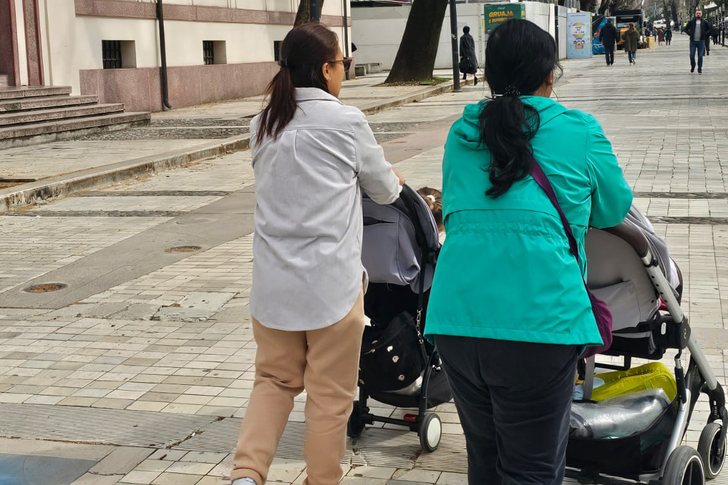
Intermediation agencies report a decline in demand for loc...
The wave of rising fuel prices and transportation tariffs,...
Today in the foreign exchange market, the euro will be exc...
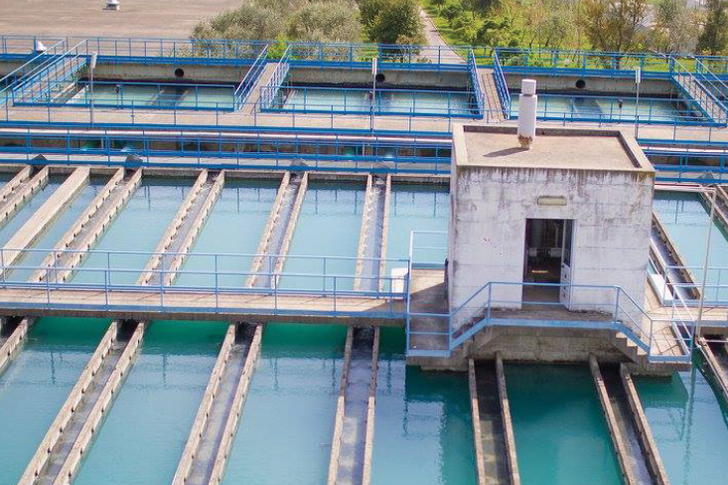
Investments in the water supply and sewage sector in Alban...
Today in the foreign exchange market, the euro will be exc...

The performance of wages in our country showed that even i...
Today in the foreign exchange market, the euro will be exc...

Business lending grew again during 2025, but at slower rat...

Raporti i kredive me probleme e nisi me një rritje të leht...
The price of diesel has increased by 16 lek per liter at s...
The average salary in the country reached almost 84 thousa...
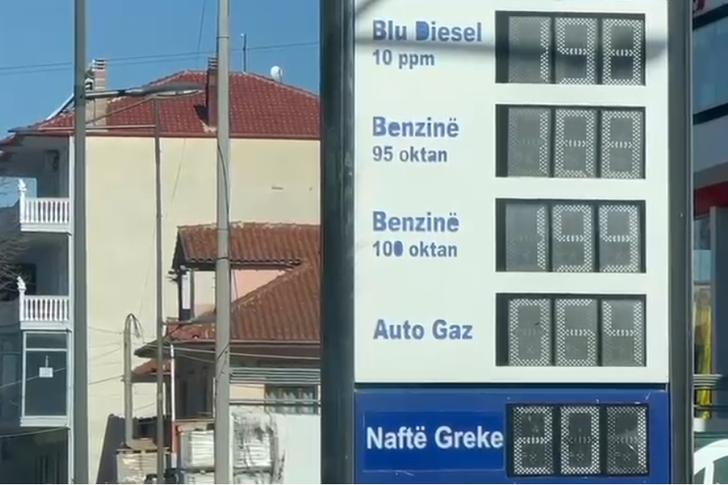
In the Korça region, a significant increase in the price o...

Core inflation has started to increase in 2026. According ...
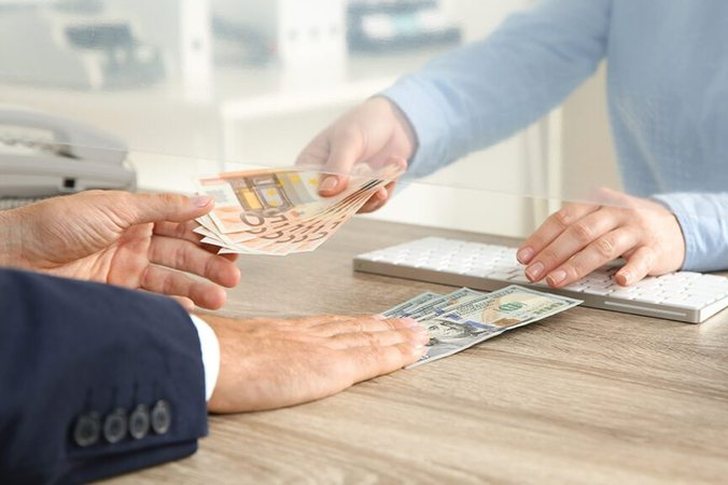
Today in the foreign exchange market, the euro will be exc...
Inflation rose in February, reaching its highest level in ...

Since Thursday (March 4, 2026), the increase in the price ...
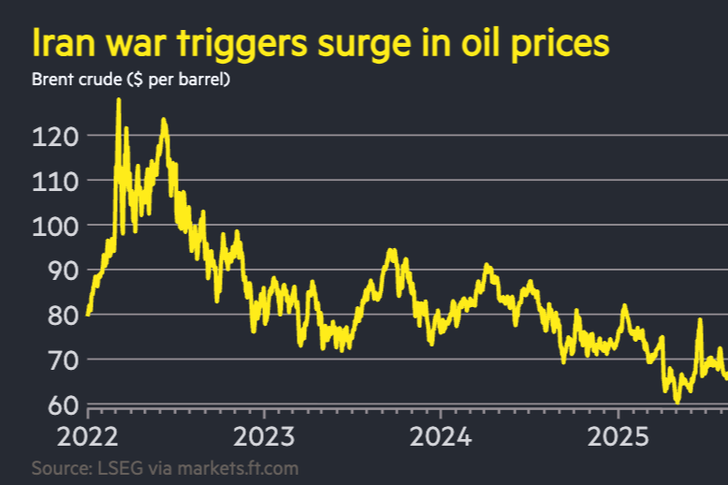
International oil prices have crossed the $100 per barrel ...

The next case broadcast on the show "Stop", this Thursday,...

The case published this Thursday, June 4, on the show "Sto...
The protests of recent days related to the situation in Zv...

The case addressed this Wednesday, June 3, on the show "St...

The Special Board of Appeal (KPA) decided this Monday ...

The KPA vetting decided this Thursday to dismiss the p...

Suela Salavaçi, a prosecutor in the Prosecutor's Offic...

The Special Board of Appeal reinstated the prosecutor ...
A convict was found dead today in the premises of the Pris...

Several images provided by CNA show the area where this mo...

A quantity of explosive material exploded this morning at ...

Witnesses in Lozhan, Maliqi, have shared details from the ...
Today our country will be affected by stable weather condi...

For many children and teenagers, the long summer holidays ...
Albania is facing an unprecedented demographic transition,...

On Thursday, our country will be affected by unstable weat...

Russian President Vladimir Putin said the war in Ukraine c...
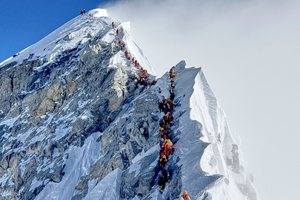
An extraordinary story of survival has been recorded in Ne...
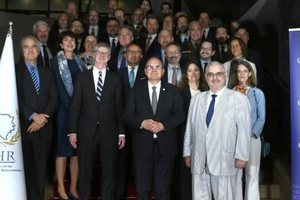
The Peace Implementation Council in Bosnia and Herzegovina...

John Bolton, the former national security adviser to US Pr...
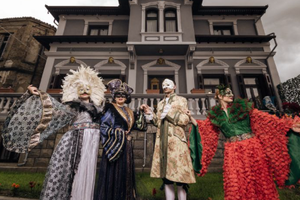
Korça is ready to open the summer season with one of the c...

Two years after his passing, the renowned Korçë poet Skënd...
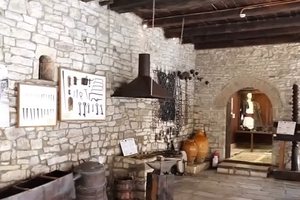
The Ethnographic Museum of Berat has opened its doors to v...
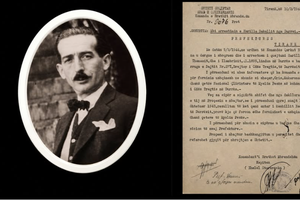
The story of Harilla Bakalli is one of the most chilling t...
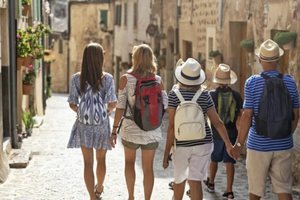
Despite years of efforts at regional cooperation and free ...

Albania is the country with the highest level of severe ma...
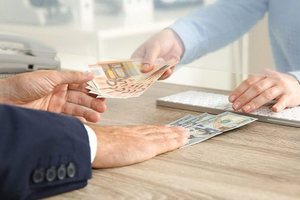
This Friday, one US dollar is bought for 81.3 lek and sold...
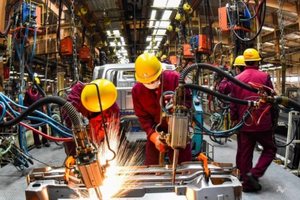
The government aims to transform the country's industrial ...