


Anti-drug operation in Kruja Highlands, Kruja and Thumana
Authorities have conducted a large-scale anti-drug operati...

Authorities have conducted a large-scale anti-drug operati...

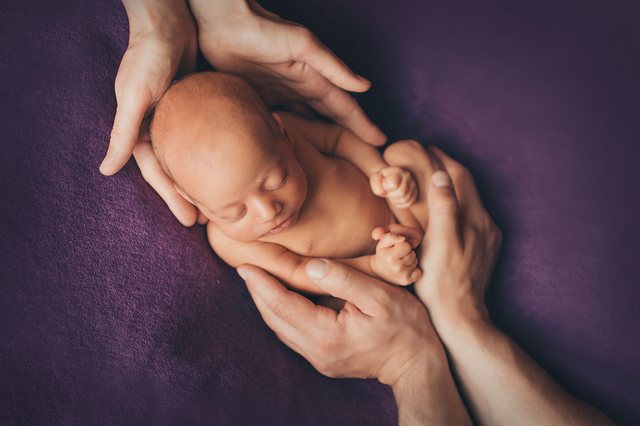
In a decade, from 2015 to 2025, births fell by 35%. The numbers are falling towards the psychological threshold of 20 thousand. After the pandemic, the decline deepened and became more stable, not only due to fertility, but also due to the absence of parents. Younger generations are fewer, while emigration continues, creating a chain of declines that feeds on itself.
The young age groups of girls of reproductive age are decreasing faster than the total population. Even when the desire for children exists, there is no one to give birth to them. Emigration of young people and the cost of living aggravate the trend. The regions are losing their reproductive strength faster than the capital, while the education sector is entering a phase of strong contraction.
Albania has entered a cycle where population decline is feeding itself, becoming increasingly difficult to stop. Between 2015 and 2025, the number of children born in our country fell by 35%, reflecting not only people's desire to have fewer children, but a shrinking of the country's reproductive engine.
Demographers explain that when the young population base (especially the 20–39 age group), i.e. the reproductive age group, shrinks rapidly, the contraction tends to accelerate. This phenomenon, which is technically called a negative demographic moment, shows that even if fertility does not fall any further, the fact that there are fewer women and men of childbearing age reduces the absolute number of births, which then fuels another cycle of shrinkage.
Official INSTAT data show that between 2015 and 2025, the number of women in their prime, 20-34-year-old age group, fell by 32%. Entire regions have lost over half of their women of childbearing age in the last decade. The young population of reproductive age shrank twice as fast as the general population, guaranteeing a sharp decline in births in the future.
Last year, 21,425 babies were born nationwide, or 8% fewer than the previous year. The pace of decline has deepened after the pandemic, with an estimated 26% over 2021–2025.
Professor Ilir Gëdeshi, who has been following demographic developments in the country for years, emphasizes that the number of births is not only decreasing due to the high level of emigration among young people nor due to the change in lifestyle that leads them more towards careers, but also due to the high costs faced by a young family.
“Our surveys have found that young couples in Tirana are having fewer children than their Albanian peers in emigration. We have noticed that as soon as two young people leave Albania, two or more children are born,” said Mr. Gëdeshi. Demographers say there is still a gap between the desire to have children and those who are actually born.
In a 2018 health survey, women were asked about the ideal number of children they would like to have in their lifetime. The results showed that 100 women wanted to have at least 250 children, a figure higher than the replacement rate that ensures natural population growth.
In fact, these women had far fewer children than they had in their ideal. Six years after the survey, 100 women of reproductive age had given birth to just 121 children, not even half of what they considered ideal in 2018.
Demographers claim that the government, with its policies, should correct precisely this gap, to enable the environment for women to give birth to all the children they want.
Scenarios, 13 thousand babies in 2035
If demographic developments continue at the current pace, with strong emigration of young people and declining fertility rates, births will gradually decline to 13,000 by 2035, due to the potential decline in future parents. Given that the young population base is rapidly shrinking, this would lead to around 10,000 births per year in 2040.
We are at a point where the increase in births no longer comes from the desire to have children, but because there is no one to give birth to them. The country has entered a cycle where contraction is moving from linear decline to accelerated decline, because now it is not only the birth rate that is falling, but the population itself that brings birth is shrinking.
If in 2015, Albania counted over 124 thousand girls aged 20–24, in 2025 this number has dropped to around 72 thousand, a drastic decrease of around 42%.
The same trend is followed in the 15-19 age group, where the decline of around 49 thousand people warns that the next decade will be even more difficult for the country's demographic balance.
On the other hand, the decline is more moderate in older fertility ages (45–49 years old), where over 72 thousand resulted, relatively higher compared to young girls.
This reversal of the structure, where there are more women exiting the reproductive age than girls entering it, confirms that the demographic momentum has turned in an irreversible negative direction for the time being.
In 2015, the structure of women of reproductive age was oriented towards young women, with over 117 thousand girls in the 15–19 age group. Today, this group has been reduced to around 68 thousand. This reduction of almost half of the reproductive population within 10 years explains why birth rates at the national level are experiencing and will continue to experience double-digit declines year after year.
The mass emigration of young people is leaving behind a hole that cannot be filled with short-term social policies.
The decline accelerates
Albania represents a typical story of demographic transition, where the decline in birth rates does not occur linearly, but in different waves over time.
The period 1993–2004 saw a very sharp decline in birth rates, by −33%. This phase coincides with the major social and economic change after the 1990s. Albania transitioned from a closed system to a market economy, which caused massive emigration, economic insecurity, and a sudden change in lifestyle.
Families shifted from the traditional model of large families to smaller ones, while the emigration of young people of reproductive age immediately reduced the potential number of births. In this period, the decline is mainly the result of the shock of transition, where a large part of the population immediately fled.
In the years 2004–2015, the pace of decline slowed significantly to −12.7%. The slowdown in the decline was influenced in this period by the stabilization of youth emigration and the wave of emigrant returns from the Greek crisis.
The new family model was already consolidated by this period, with marriages taking place later, women entering the labor market more often, and child costs increasing. Births were declining, but at a lower rate.
Official data show that the period 2015–2020 marks a new acceleration of the decline, with −34.5%, even stronger than in the 1990s. This is the phase of the second demographic wave.
Now we have not only a change in behavior, but also a structural shortage of the population of reproductive age. Generations born after the '90s are smaller in number and a large part of the young continue to emigrate.
At the same time, the average age of first child birth increases, parenthood is postponed, and economic insecurity increases, especially after 2015. As a result, the decline becomes more aggressive, as there are fewer women of childbearing age and those who remain have fewer children.
The country has entered the long-term demographic risk zone (2023–2025). Data show that there were about 21 thousand births in 2025, very close to the new psychological threshold of 20 thousand births. At this stage, we are experiencing scenarios of strong population contraction, rapid aging and pressure on social systems and the labor market./ Monitor


Today in the foreign exchange market, the euro will be exc...

The international credit rating agency Moody's Ratings, in...
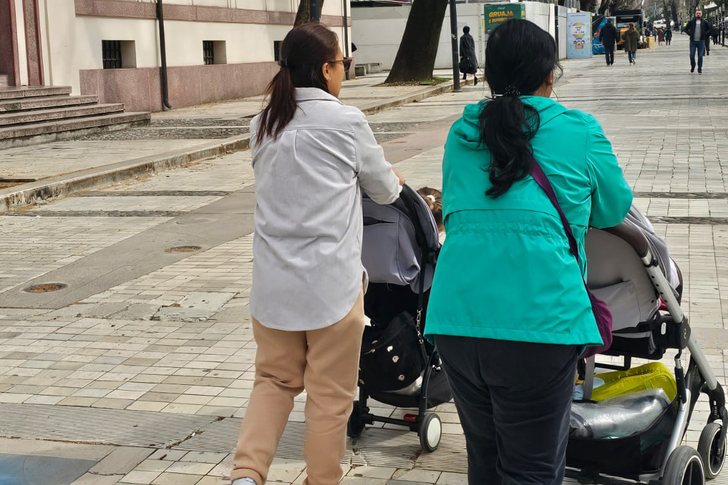
Intermediation agencies report a decline in demand for loc...

The wave of rising fuel prices and transportation tariffs,...

Today in the foreign exchange market, the euro will be exc...
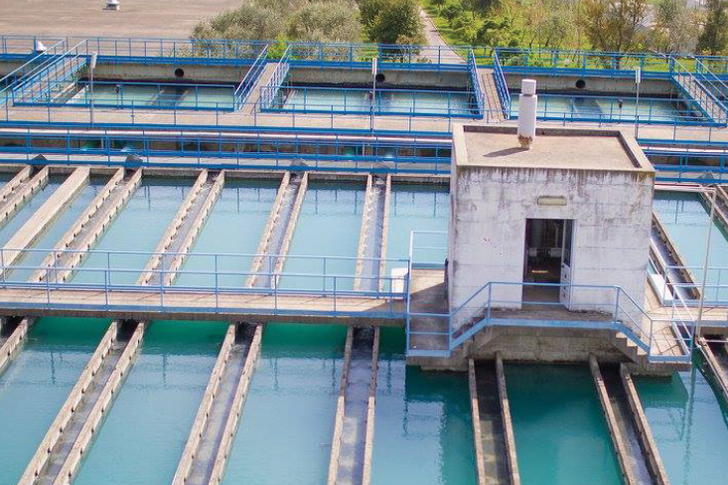
Investments in the water supply and sewage sector in Alban...

Today in the foreign exchange market, the euro will be exc...

The performance of wages in our country showed that even i...
Today in the foreign exchange market, the euro will be exc...

Business lending grew again during 2025, but at slower rat...

Raporti i kredive me probleme e nisi me një rritje të leht...

The price of diesel has increased by 16 lek per liter at s...

The average salary in the country reached almost 84 thousa...
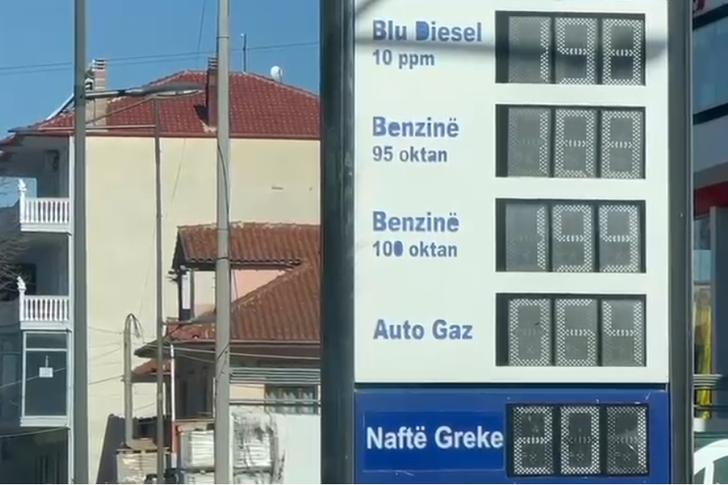
In the Korça region, a significant increase in the price o...

Core inflation has started to increase in 2026. According ...

Today in the foreign exchange market, the euro will be exc...

Inflation rose in February, reaching its highest level in ...

Since Thursday (March 4, 2026), the increase in the price ...
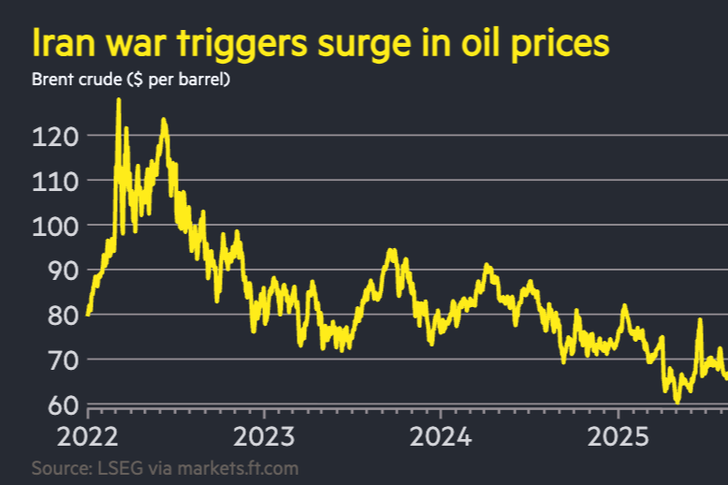
International oil prices have crossed the $100 per barrel ...

Today in the foreign exchange market, the euro will be exc...

The next case broadcast on the show "Stop", this Thursday,...

The case published this Thursday, June 4, on the show "Sto...

The protests of recent days related to the situation in Zv...

The case addressed this Wednesday, June 3, on the show "St...

The Special Board of Appeal (KPA) decided this Monday ...

The KPA vetting decided this Thursday to dismiss the p...

Suela Salavaçi, a prosecutor in the Prosecutor's Offic...

The Special Board of Appeal reinstated the prosecutor ...

Authorities have conducted a large-scale anti-drug operati...
A convict was found dead today in the premises of the Pris...
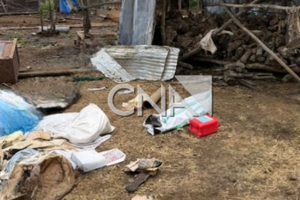
Several images provided by CNA show the area where this mo...

A quantity of explosive material exploded this morning at ...

Today our country will be affected by stable weather condi...

For many children and teenagers, the long summer holidays ...

Albania is facing an unprecedented demographic transition,...

On Thursday, our country will be affected by unstable weat...

Russian President Vladimir Putin said the war in Ukraine c...
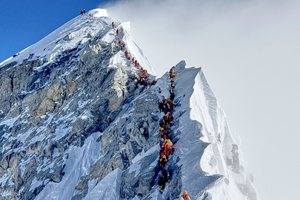
An extraordinary story of survival has been recorded in Ne...
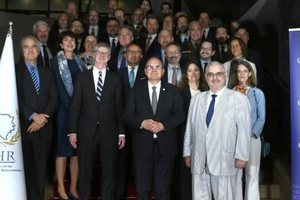
The Peace Implementation Council in Bosnia and Herzegovina...

John Bolton, the former national security adviser to US Pr...

Korça is ready to open the summer season with one of the c...

Two years after his passing, the renowned Korçë poet Skënd...

The Ethnographic Museum of Berat has opened its doors to v...
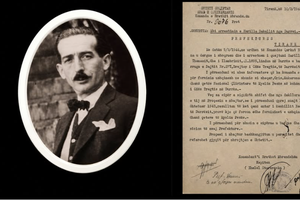
The story of Harilla Bakalli is one of the most chilling t...

Despite years of efforts at regional cooperation and free ...

Albania is the country with the highest level of severe ma...

This Friday, one US dollar is bought for 81.3 lek and sold...
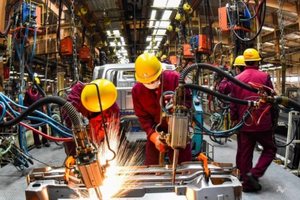
The government aims to transform the country's industrial ...