


Secretary of the Treasury, meeting with the Chinese Deputy Prime Minister/ Analysts: Diplomatic opening
Treasury Secretary Janet Yellen begins two days of talks T...



According to a study by the German Institute of Economics, ifo individual reduction of working hours further aggravates the problem of labor shortage. It is true that the number of employees has increased from 40 to 45 million people since 1991, according to ifo president Clemens Fuest. But the number of working hours in this time frame has remained the same. "45 million people work as much as 40 million people before."
According to data from the German Institute for Labor Market and Occupational Research, IAB, nearly half of German companies in the first six months of last year could not fill jobs with qualified workers. Only in professions related to mathematics, informatics, natural sciences and technology, about 300,000 workers are missing in Germany, according to the autumn report of the German Institute of Economics, IW.

But the labor shortage involves all economic sectors. "The big fall has not yet come," according to ifo head Fuest. The problem will be more acute when those born in 1963/1964 retire around 2023. Tabea Bucher-Koenen, professor at the University of Mannheim and head of the Leibniz Center for European Economic Studies, says that between 2025 and 2035 13.5 million people will also retire. Although they are financially well off, there will still be a significant reduction in consumption.

Although the coalition government will keep the pension level at 48% of the average income, employees must either work longer or pay higher pension contributions, Bucher-Koenen points out. This is possible because today's elderly are healthier and live an average of 6 years longer than their parents' generation, says Karin Haist, demography expert at the Körber Foundation. Economic expert Fuest to increase the number of the labor force, proposes an increase in the employment quota and greater immigration of the labor force from abroad. In order to increase the employment quota, "we must not keep people away from work", said Fuest, taking as an example the social money given to the citizen and the weight of taxes and social contributions. A better kindergarten network could bring more women into the world of work.
Even on immigration, there is still a lot to do. Of the refugees who arrived in 2015, approximately half work, explains the ofo institute's representative, Yvonne Giesing. Only about 20% of Ukrainian refugees work. "The biggest obstacle is the language", according to the expert. Added to this is the German bureaucracy, which inhibits the arrival of the workforce./ DW

Treasury Secretary Janet Yellen begins two days of talks T...
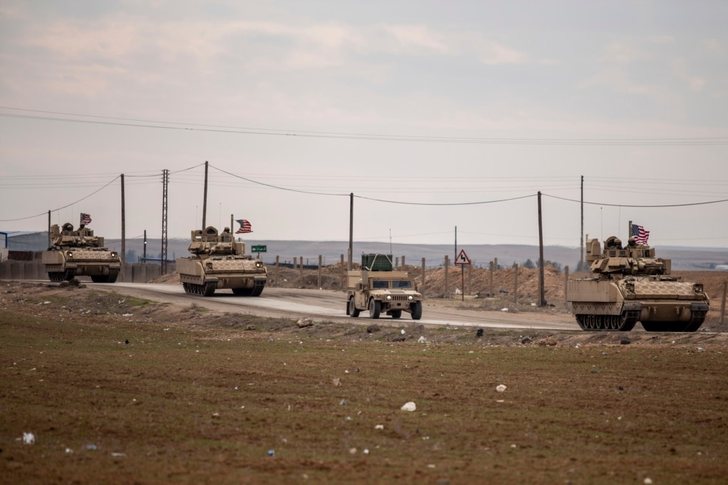
Iran-backed militias do not appear to be backing down desp...
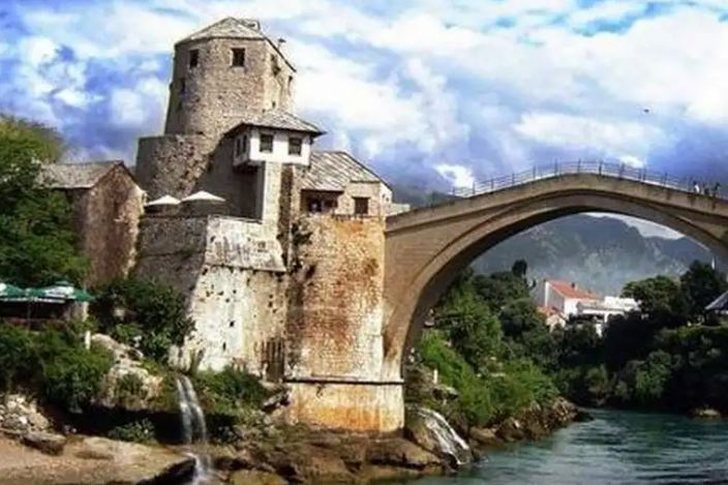
On November 9, 1993, the famous bridge of Mostar was destr...

Gjermania ka vendosur të rishikojë rregullat për punësimin...
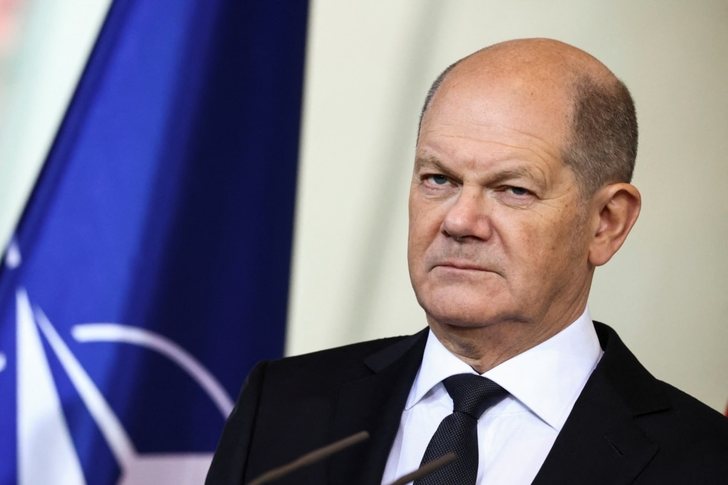
The Chancellor of Germany, Olaf Scholz, said that the ...
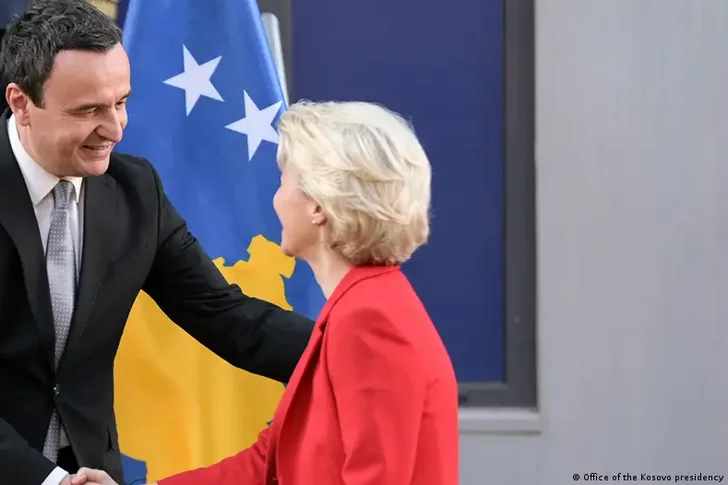
The 2023 Progress Report of the European Commission, E...

Serbian companies are exporting dual-use goods to Russia, ...
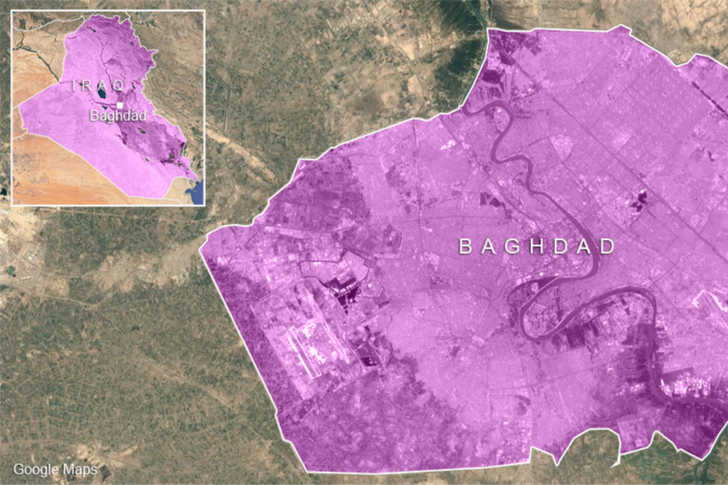
Drone attacks targeted the al-Harir airbase in northern Ir...
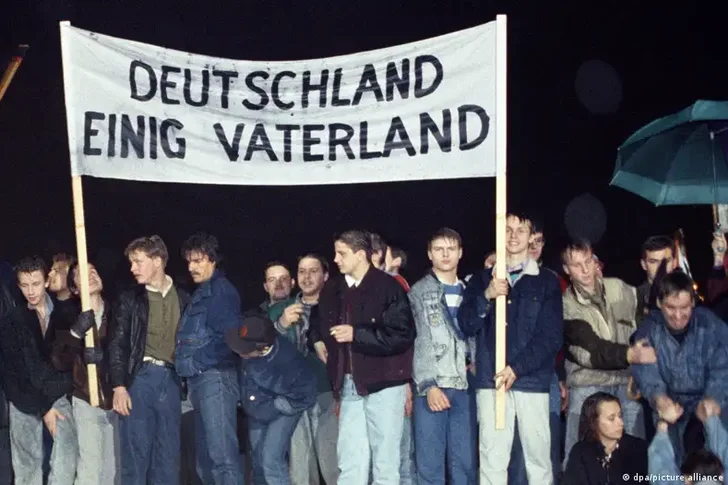
On November 9, Germany celebrates the 34th anniversary...

In the first debate since the war between Israel and Hamas...

The United States launched strikes against a weapons depot...

Italian police and the US Federal Bureau of Investigation ...
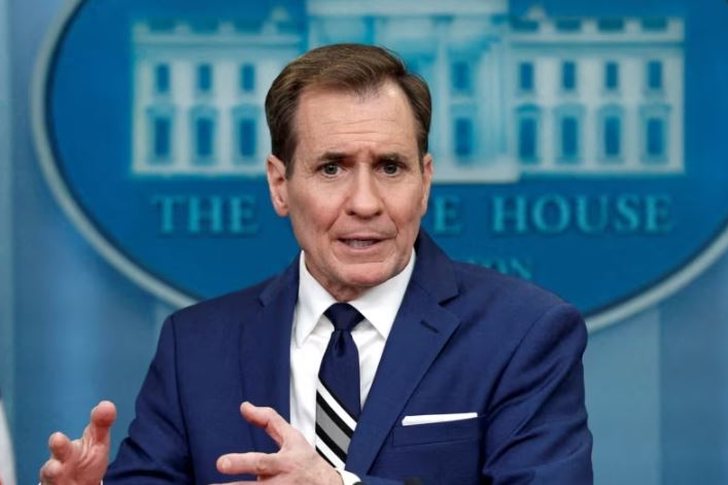
US National Security Council spokesman John Kirby said it ...

The charity Save the Children is calling for an immediate ...
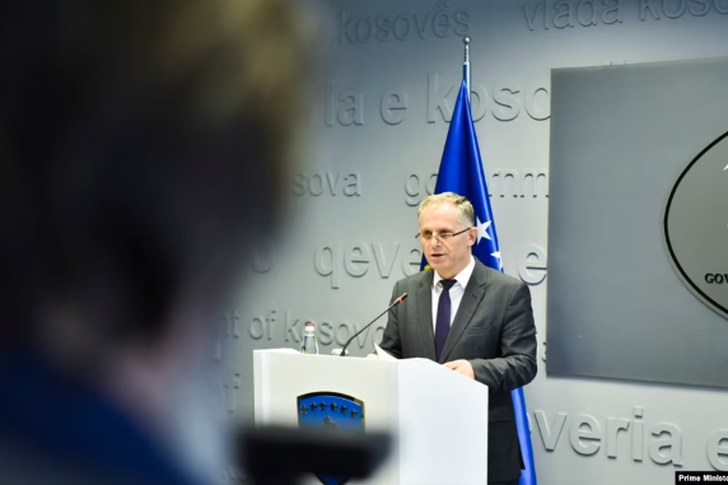
The Progress Report of the European Commission has con...
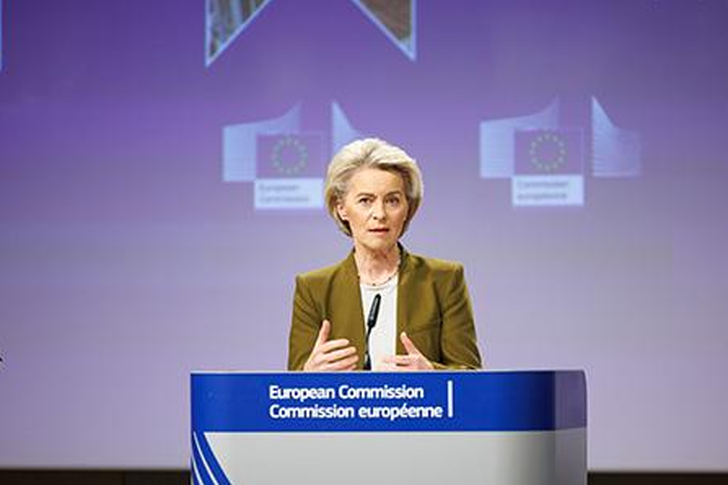
"Enlargement is a vital policy for the EU, completing ...
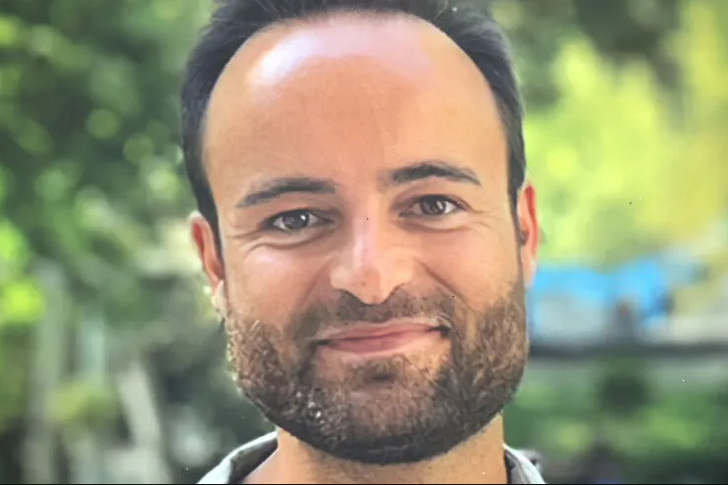
Iran has sentenced a French citizen to 5 years in pris...
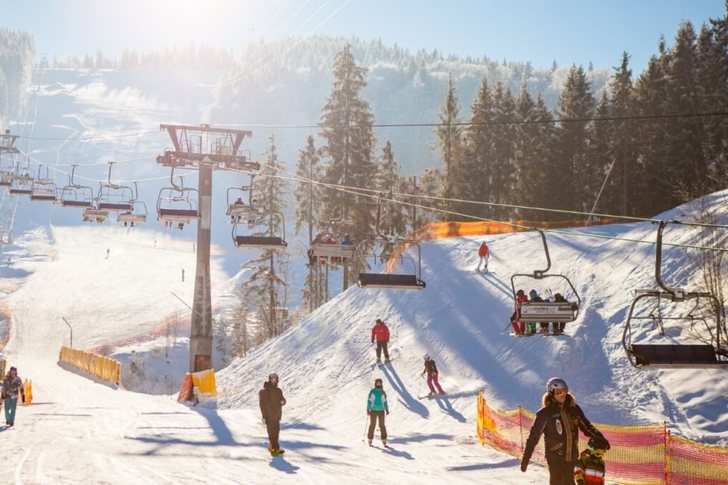
SchengenVisaInfo.com zgjodhi destinacionet kryesore dimëro...
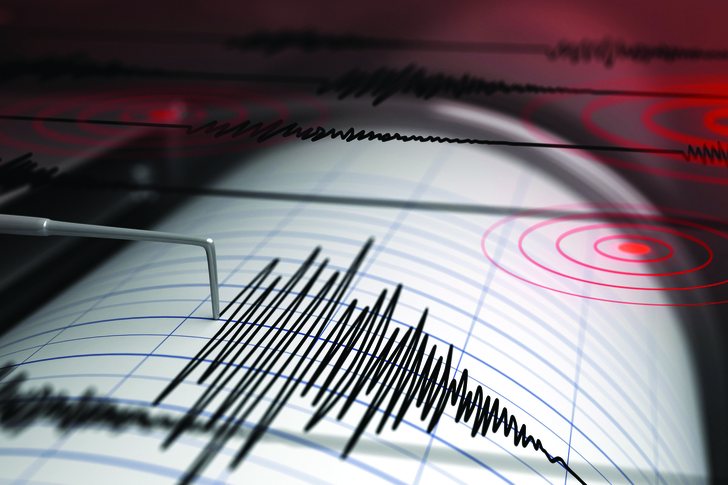
At noon this Wednesday, several strong earthquake trem...
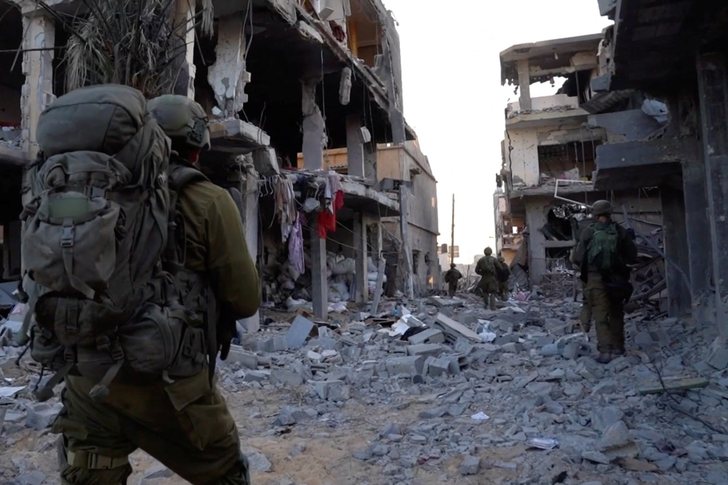
A key weapons maker and other Hamas fighters were killed i...
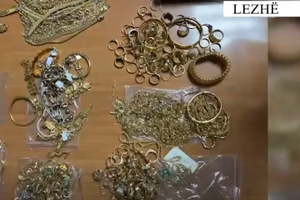
A 39-year-old citizen has been arrested in Lezha, after se...

CNA has launched another investigation that could lead to ...

Irfan Hysenbelliu is a businessman that we call "Irfan the...

In March 2026, CNA launched another investigation centered...

The Special Board of Appeal (KPA) decided this Monday ...

The KPA vetting decided this Thursday to dismiss the p...

Suela Salavaçi, a prosecutor in the Prosecutor's Offic...

The Special Board of Appeal reinstated the prosecutor ...

Several gunshots were reported today in the village of Gjo...

Following the successive operations carried out by the ope...
The Police Supervision Agency has seized the service weapo...

A serious incident occurred in Lushnje, where citizen IY, ...

As the year 2026 is in its second half, the world is exper...

Today, our country will be under the influence of stable a...

By noon, cloudiness is expected to prevail in almost all o...

Children without parental care, for whom alternative famil...
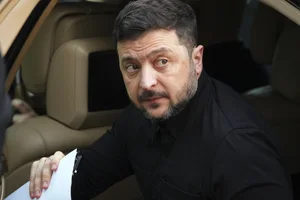
Ukrainian President Volodymyr Zelensky said Russia wants t...

Iran is adapting and enhancing the capabilities of its bal...
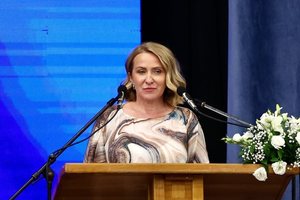
Serbia's Minister of State Administration and Local Self-G...
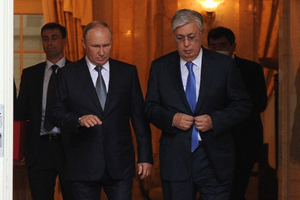
Kazakh President Kassym-Jomart Tokayev shared some critici...
Two windows, a century of history and the metaphysics of p...
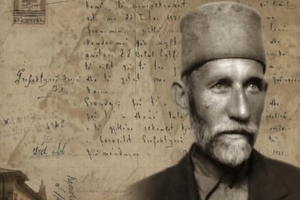
In my research at the Central State Archives, specifically...

At a time when industrial products are increasingly taking...

Trust among people is not just a three-syllable word. It c...

This Saturday, one US dollar is bought for 81.7 lek and so...

War, weather and supply disruptions could send gas prices ...
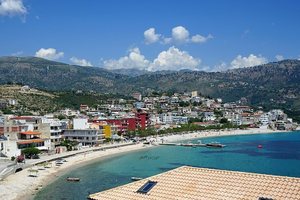
The number of active enterprises in Albania continued to g...
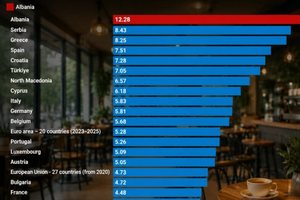
In Albania, the bar-cafe has long become an almost unique ...