


Serious accident on the Tirana-Elbasan axis/ Concrete mixer falls from a height, suspected victims
A serious accident occurred this Wednesday on the Elbasan-...

A serious accident occurred this Wednesday on the Elbasan-...

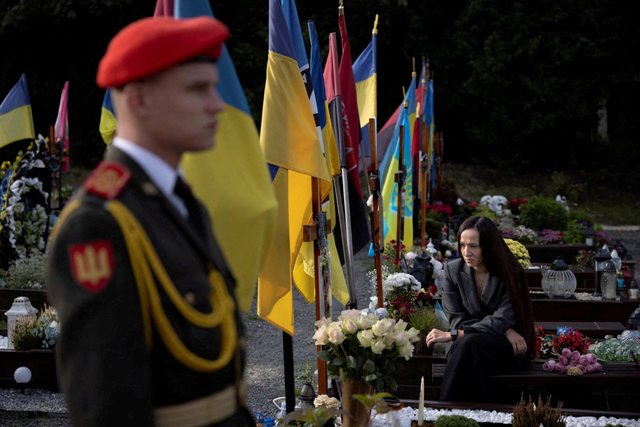
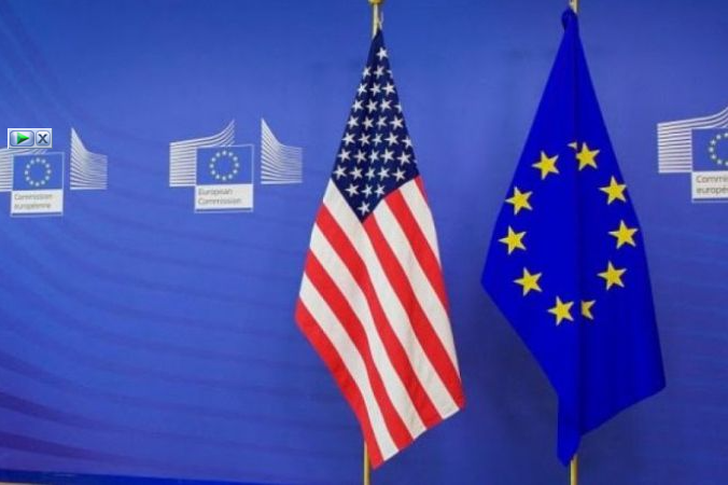
Europeans scoffed when Donald Trump called them "evildoers" over their insufficient contributions to NATO. That strong statement made the Atlantic Alliance, based for decades on sacred values ??and shared sacrifices, sound like a band offering protection in exchange for payment.
But the previous (and perhaps the next) president of the USA was right on one point. National security is like an insurance policy: for risks we cannot afford, he who pays a little saves a lot. But so are guarantees. And guaranteeing national security is a good deal for Europeans.
The Americans are leading the alliance and maintaining nuclear weapons, military space programs, long-range strikes, combat stocks, and other costly capabilities that make deterrence credible.
In return, Europeans are supposed to spend 2 percent of GDP on defense and provide support for major global issues. But the policy is failing. For years Europeans have put other interests ahead of national security (especially cheap Russian gas and low-cost manufacturing in China).
They neglected defense. Although that approach is changing, a large portion of American voters have run out of patience with European leaders. What's worse, China is now the number one threat while Europe is once again standing idly by.
On paper, Europeans can fend for themselves. The GDP of European NATO members is about $20 trillion (US national income is $23 trillion). But even assuming the necessary political will exists, turning money into military influence takes time.
So, even under the most unrealistically optimistic assumptions, it would take the Europeans at least a decade to replace the American security umbrella. If not completely disintegrated after a defeat in Ukraine, Russia could rebuild its military and pose a major challenge within the next 2 years.
Therefore, the most urgent task for the Europeans is to better share their burdens and make themselves more useful to the United States elsewhere, primarily in dealing with China. The EU's economic weight, rule-making power and diplomatic influence are important and likely decisive assets, because the rivalry is not just military.
The party-state in China is fighting for dominance in areas such as the control of personal data, information flows and the setting of technological standards. Transatlantic and transpacific cooperation between the US and its allies can work: just look at how it broke Huawei's seemingly inexorable grip on 5G telephony. Next is vital minerals, microchips and drones.
This implies a broad revision of the current approach. In the last 3 decades, our political and economic model has included businesses that prioritize shareholder returns over national security. In fact, we need a new type of political risk insurance, mitigating not specific disruptions (war, nationalization), but potential supply chain threats and the risk of leakage of sensitive data and technologies. We did this during the Cold War. And we have to learn to do it again. National security policy has two other elements: public trust and social cohesion. Both of these are vulnerable to external malefactors (Russia specializes in polarizing opinion), or can be damaged due to economic, cultural, etc. problems.
It is true that the arguments for moving jobs abroad, mass immigration and weaker public services can be very strong. New technology, climate change and other big trends make shocking changes inevitable. But people who don't like all this can express themselves by voting.
And when they are ignored, citizens can express their displeasure by electing anti-establishment "populist" politicians or supporting supposedly anti-establishment causes such as Brexit. Dismissing these voters as traitors, fanatics or idiots only increases their distance from traditional parties. The fact that this affects both the United States and Europe only underscores the consequences for national security. / " Center for European Policy Analysis " - Translated and adapted by CNA

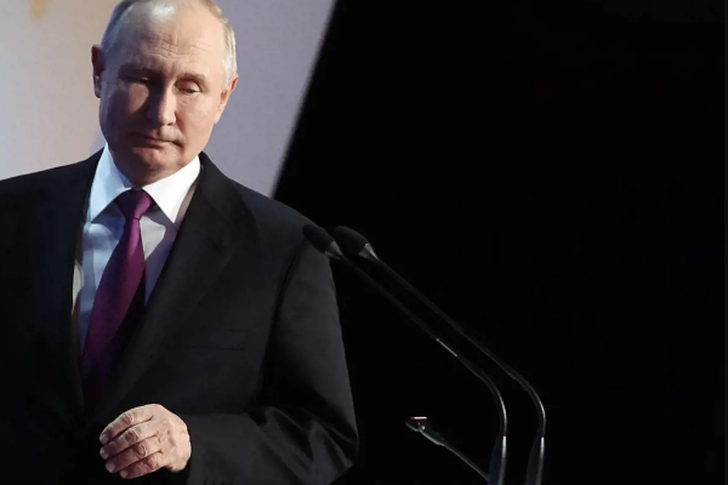
The Kremlin is toasting and celebrating the victory in the...
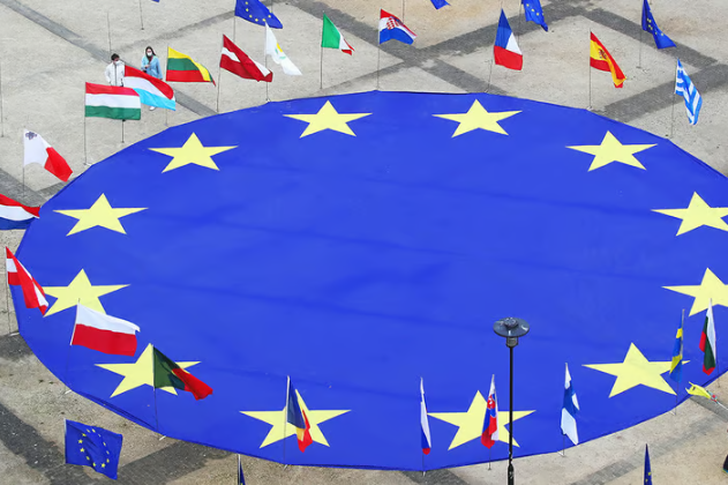
Russia's invasion of Ukraine has caused a series of geopol...

Çdo vit, rreth 2.4 milionë njerëz në Britaninë e Madhe...
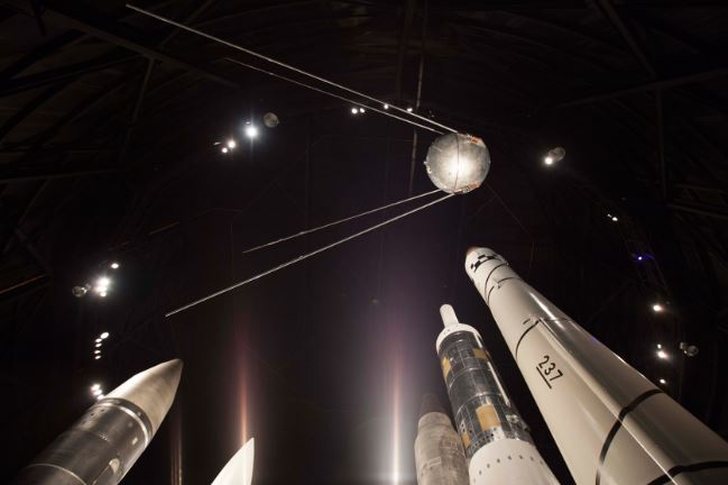
1957 - The Soviet Union launches the first satellite "...
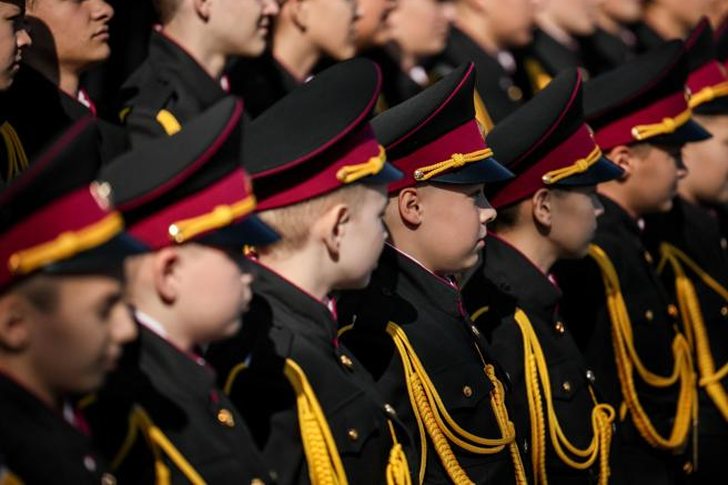
Demographics Ella Bibiavava, director of the Academy of Sc...
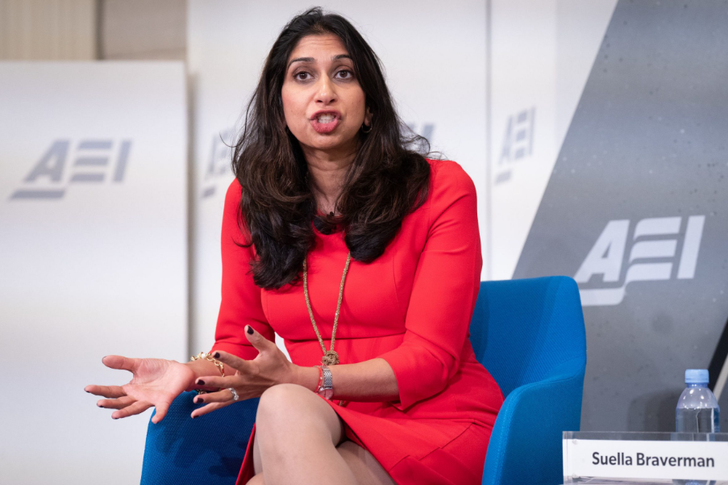
Amidst the tensions within the Conservatives over the immi...
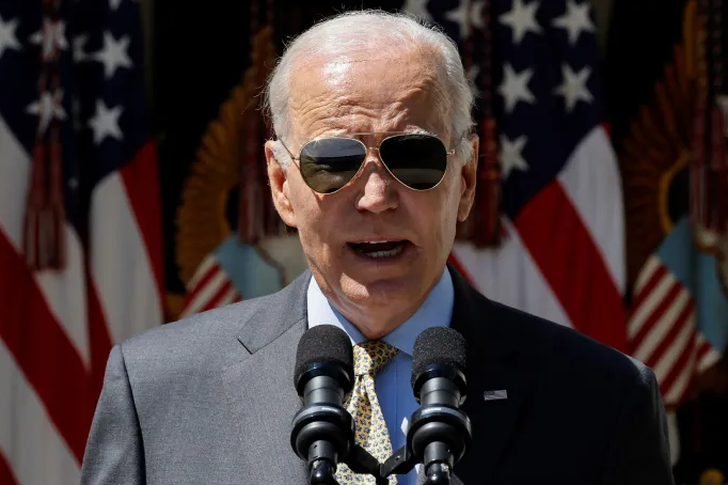
US President Joe Biden is a family man in many ways. He is...
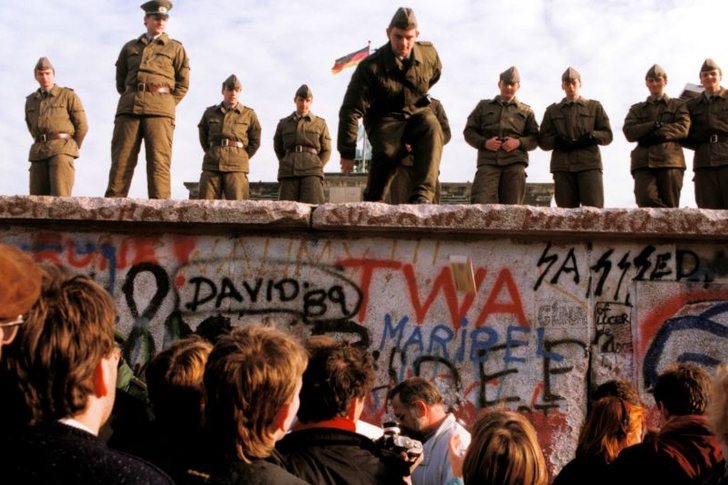
1990 - East and West Germany reunite after 45 years I...
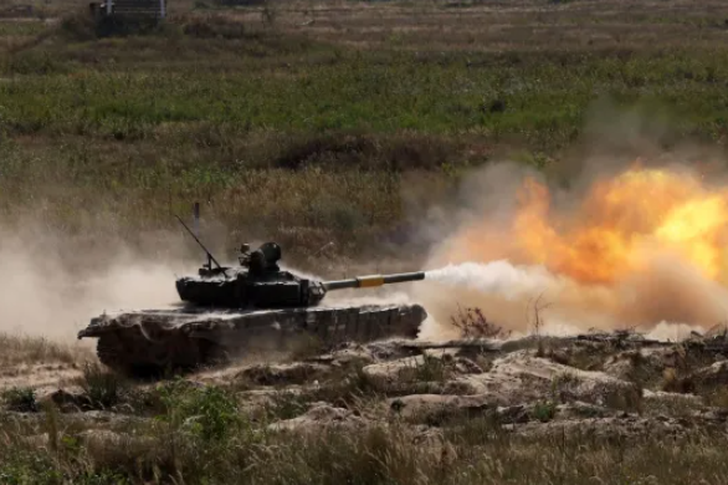
During the debate over whether or not the United State...
Kosovo police and NATO forces in the north of the Serb-maj...

1869 - The "father" of India's independence and the inspir...

Today, when someone accuses another person of shedding "cr...
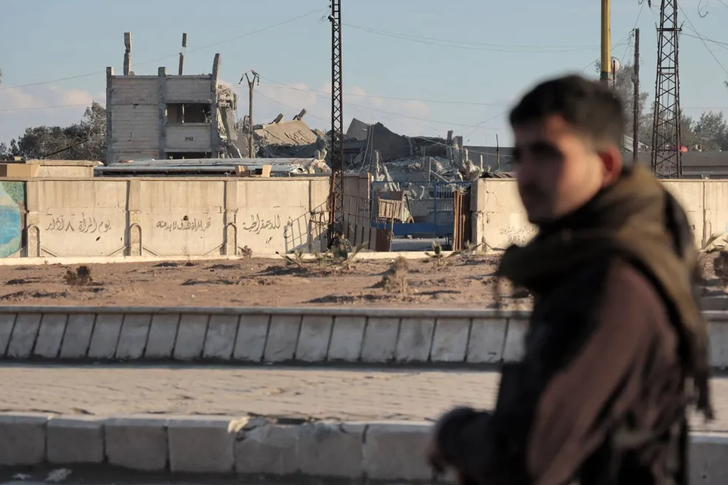
In a series of interviews earlier this month on the 22nd a...
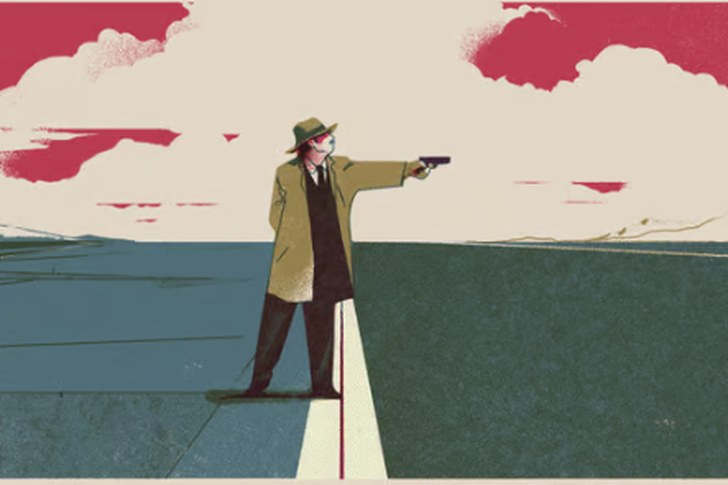
The killing in Canada in June of this year of Hardep Sing ...
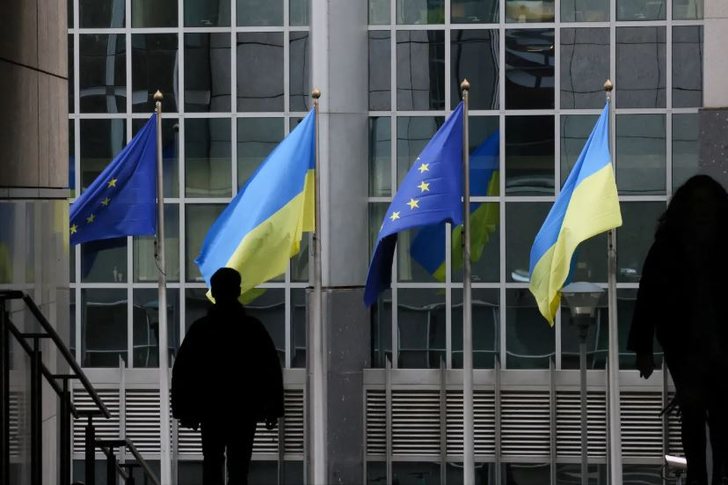
Over the past 6 decades, no part of European integration h...
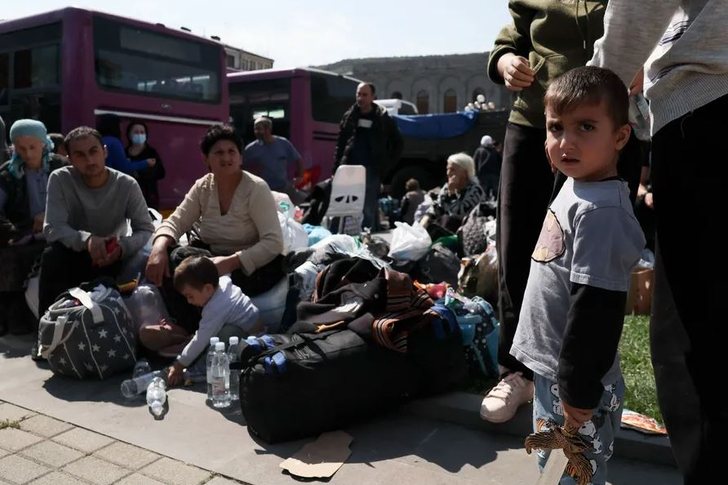
A decades-old conflict in the Caucasus was reignited last ...

Termi “kult” ngjall imazhe të forta në mendjet tona, duke ...

1938 - The Munich Pact is signed between Germany, France a...
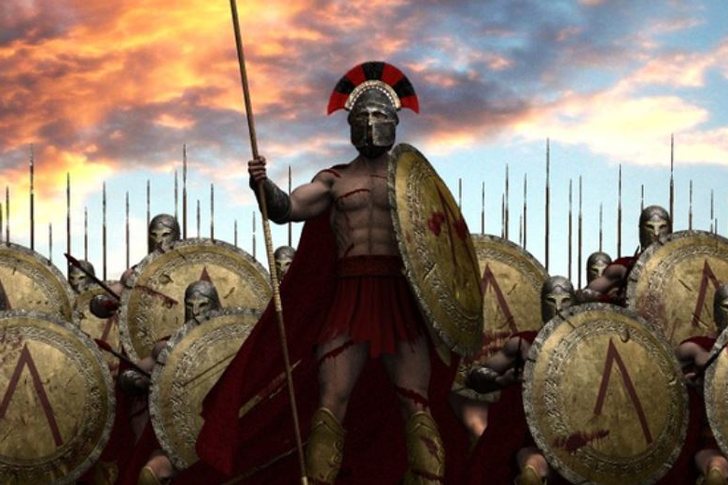
History is often filled with myths and legends that have a...
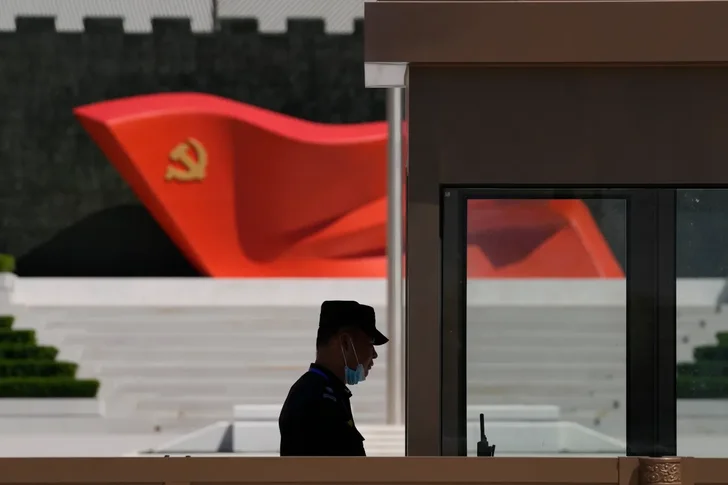
A flurry of headlines in the media in recent weeks about C...

CNA has launched another investigation that could lead to ...

Irfan Hysenbelliu is a businessman that we call "Irfan the...

In March 2026, CNA launched another investigation centered...
The arrested mayor of Tirana, Erion Veliaj, with 13 charge...

The Special Board of Appeal (KPA) decided this Monday ...

The KPA vetting decided this Thursday to dismiss the p...

Suela Salavaçi, a prosecutor in the Prosecutor's Offic...

The Special Board of Appeal reinstated the prosecutor ...
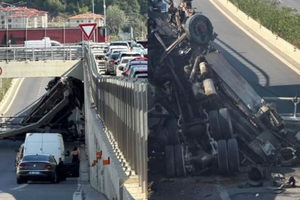
A serious accident occurred this Wednesday on the Elbasan-...
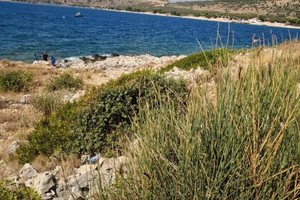
Citizen MH, 61, a fisherman, was found dead near the islan...

Another phase of the international operation, codenamed "T...

Police have arrested a 34-year-old woman at Rinas Airport ...

The Institute of Geosciences has shared a forecast for wea...

Rising energy and fertilizer prices are expected to contin...

Over 18,000 foreign citizens from 140 countries have appli...

This Wednesday, our country will be under the influence of...
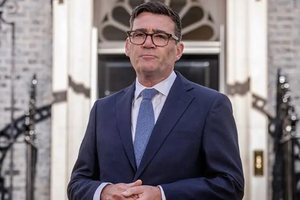
Prime Minister Andy Burnham has announced that most bus fa...

France's parliament has passed a law to ban social media f...

US Secretary of State Marco Rubio arrived in Manila on Jul...
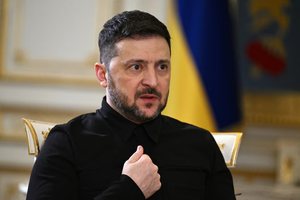
In the space of a few days, Ukrainian President Volodymyr ...

At a time when industrial products are increasingly taking...

Trust among people is not just a three-syllable word. It c...

Master of humor Todi Llupi has passed away at the age of 7...

The ninth edition of "MIK Festival" kicked off with one of...

Businesses will no longer be required to simply register t...

Despite economic growth and income in recent years, Albani...

This Wednesday, one US dollar is bought for 81.4 lek and s...

Construction company licenses will have a validity period ...