

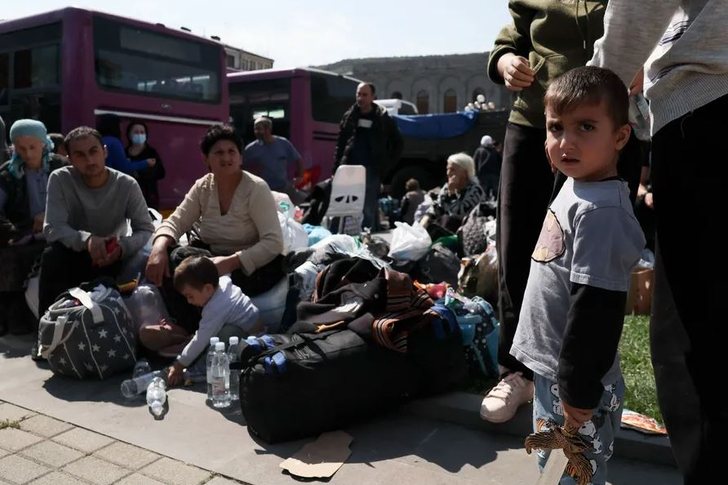
How the conflict between Armenia and Azerbaijan could destabilize the region
A decades-old conflict in the Caucasus was reignited last ...


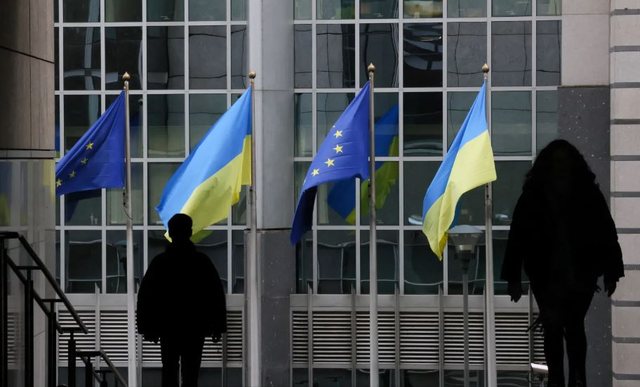
Over the past 6 decades, no part of European integration has been as transformative as the gradual expansion of what is now the European Union. EU enlargement brought democracy to countries that had only known authoritarian rule. And he turned what was a continent constantly engulfed in conflict into one of the most prosperous regions in the world.
From the beginning, the main aim of integration was to reconcile France and Germany, which had fought 3 wars between them in less than a century. To achieve this, in July 1952 the two countries linked together their steel and coal industries, which at the time were the symbols and substances of power.
In the following years, many European states continued to merge their economies in various ways, forming the institutions that eventually became today's EU. Each wave of expansion had a different purpose. After the dictatorships in Greece, Portugal and Spain fell in the mid-1970s, these countries joined the union in a successful attempt to stabilize their fragile democracies.
After the collapse of the Soviet Union in 1991, the bloc naturally accepted the previously neutral countries of Europe, Austria, Finland and Sweden. During the decade that followed, the EU welcomed the former Warsaw Pact European countries and the Baltic states, as well as parts of the Balkans.
During each wave of expansion, many analysts feared that expanding the bloc would undermine it. But those concerns never came true. On the contrary, the expansion has gone hand in hand with the deepening of ties and cooperation relations. And yet, this process has had obstacles. Britain played an important role in integrating the bloc for half a century until, at the height of a wave of populism, it decided to leave in 2016 (although most Britons today resent that decision).
Turkey began accession negotiations in 2005, but obstacles to its democratic development and ongoing disputes over Cyprus have repeatedly delayed its implementation.
Meanwhile, the biggest obstacles have been placed on the countries of the Western Balkans.
At a summit between the EU and these countries in Greece in 2003, each Balkan state was promised membership. But since that time, only Croatia has managed to enter the EU, while the countries have been blocked by bilateral disputes and unwillingness to carry out the required reforms.
Currently, the EU enlargement process in the region has lost its momentum and credibility. EU leaders continue to pay attention to the idea of ??accepting the Western Balkan countries, publish periodic reports on their progress, and hold meetings on the issue.
Në fakt, nuk ka ndodhur asgjë kuptimplotë. Në vitin 2019, kur u duk i mundur anëtarësimi i Shqipërisë dhe Maqedonia e Veriut, Franca, Danimarka dhe Holanda vendosën befas veton e tyre. Por tani lufta totale e Rusisë kundër Ukrainës ka ndryshuar gjithçka.
Papritmas është nën sulm paqja dhe stabiliteti i të gjithë Evropës Lindore, dhe kjo do të ketë pasoja të mëdha për kontinentin në tërësi. Efekti i luftës ka qenë një ndryshim shumë i madh në shumë politika të BE-së. Unioni ka hyrë në një fazë të re të zhvillimit të tij, në të cilën ka për detyrë të garantojë stabilitet në fqinjësinë e saj, një synim ky që do të marrë vëmendjen kryesore të BE-së vitet në vijim.
Dhe për t’i përballuar këto sfida, BE-ja është gati të nisë një valë të re zgjerimi, e cila do të ketë pasoja të mëdha për të ardhmen e kontinentit. Ajo do të hyjë shumë shpejt në negociatat e anëtarësimit me Moldavinë dhe Ukrainën, dhe shtetet e tjera do të pasojnë.
Por zgjerimi i BE-së me më shumë se 30 shtete në vitet 2030, nuk do të jetë i lehtë. Ai do të kërkojë kompromise të mëdha mbi reformat institucionale, përplasje të forta mbi buxhetin dhe financimin, dhe manovra të pafundme për të siguruar një lloj ekuilibri midis pranimit të Moldavisë dhe Ukrainës dhe vendeve të Ballkanit Perëndimor.
Mënyra se si do të ecin gjërat do të varet kryesisht nga mënyra se si do të vazhdojë lufta në Ukrainë. Por synimi i përgjithshëm duhet të jetë gjetja e një rruge për pranimin e Kievit në union. Në fund të tetorit, Komisioni Evropian pritet të publikojë raportin e tij të rregullt mbi zgjerimin.
Të gjitha shenjat tregojnë se në dhjetor, krerët e shteteve të BE-së dhe Brukseli do të ndezin dritën jeshile për negociatat zyrtare të anëtarësimit për Moldavinë dhe Ukrainën. Por arritja e këtij synimi është një proces i ndërlikuar. Sepse kërkon miratimin e të gjitha rregullave dhe rregulloreve që BE-ja ka vendosur deri tani.
Pra do të thotë të pranosh gjithçka në 36 kapitujt e traktateve themeltare të BE-së. Dhe negociatat janë në realitet një proces i gjatë i dorëzimit të negociuar të një pjese të sovranitetit nga shteti që pretendon të hyjë në union, dhe ato zgjasin gjithmonë të paktën disa vjet.
Mesatarisht, vendeve aplikuese u duhen rreth 5 vjet për të përfunduar negociatat. Bashkëpunuesit më të shpejtë, Finlanda dhe Suedia, e arritën këtë në pak më shumë se 2 vjet, ndërsa për ata që po ecin më ngadalë, Portugalia dhe Spanja, iu nevojiten gati 8 vite. Në rastin e Moldavisë ka disa pengesa të rëndësishme.
Njëra prej tyre është se gjatë gjithë procesit, do të ketë presion për të siguruar që vendet e Ballkanit Perëndimor të mos mbeten sërish në paradhomën e BE-së. Këto vende dhe mbështetësit e tyre duan një rrugë realiste drejt anëtarësimit, që të ecë paralelisht me atë të Moldavisë dhe Ukrainës. Ky presion do të jetë i justifikuar.
BE-ja duhet të sigurohet që Ballkani Perëndimor të mbetet i qëndrueshëm për hir të vetë bllokut, dhe ky rajon ka qëndruar për një kohë të gjatë “në dhomën e pritjes”. Thënë këtë, është e vështirë të parashikohet ndonjë rrugë e shkurtër për anëtarësimin e Ballkanit Perëndimor.
Për të arritur anëtarësimin, Serbia duhet të njohë pavarësinë e Kosovës, dhe Kosova duhet t'i përmbahet asaj që është rënë dakord ndërkombëtarisht kur bëhet fjalë për të drejtat e pakicës serbe. Bosnja duhet të dalë nga varësia e saj nga mbikëqyrja ndërkombëtare dhe të tregojë se mund të jetë vërtet një shtet sovran.
BE-ja ka një histori arritjesh të mëdha: pajtimin e armiqve të vjetër në Evropën Perëndimore, ankorimin e demokracisë në Evropën Jugore dhe nxitjen e reformave dhe prosperitetit në Evropën Qendrore dhe në shtetet baltike. Por detyra që tani ka përpara është ndoshta më e vështirë se këto arritje, ndoshta më sfiduesja e BE-së deri më tani.
But it is also the most important. Russia is threatening the peace and stability of Europe, and the entry into the EU of Moldova and Ukraine is vital to the strengthening of the eastern flank of the continent. On the other hand, this expansion will protect Europe as a whole. By Carl Bildt “Foreign Affairs”/ Adapted from CNA

A decades-old conflict in the Caucasus was reignited last ...
Termi “kult” ngjall imazhe të forta në mendjet tona, duke ...
1938 - The Munich Pact is signed between Germany, France a...
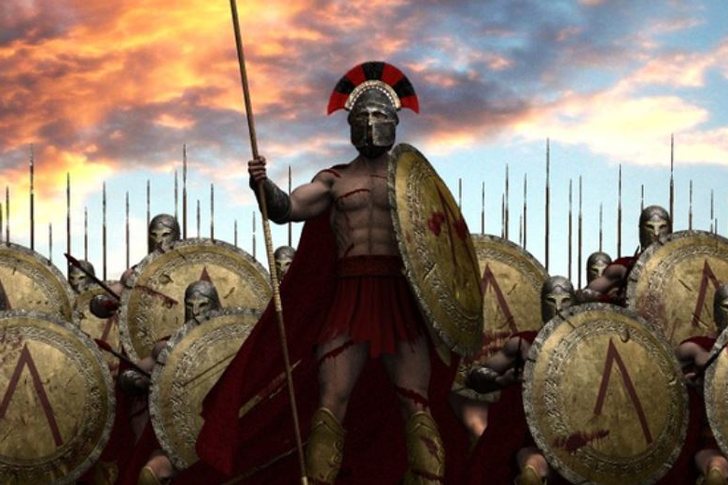
History is often filled with myths and legends that have a...
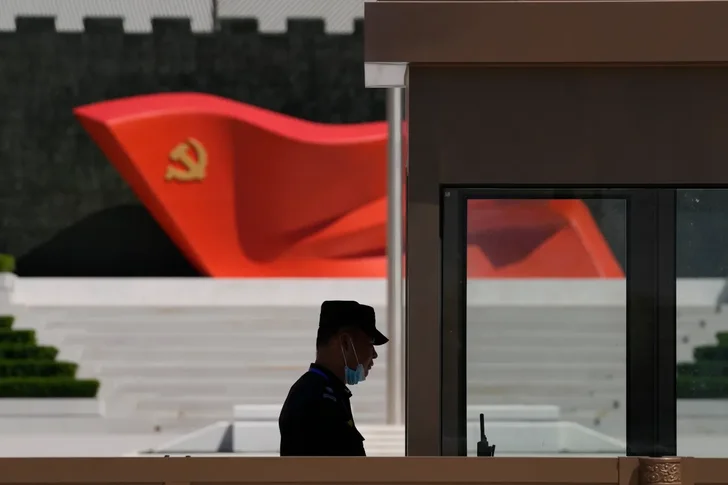
A flurry of headlines in the media in recent weeks about C...
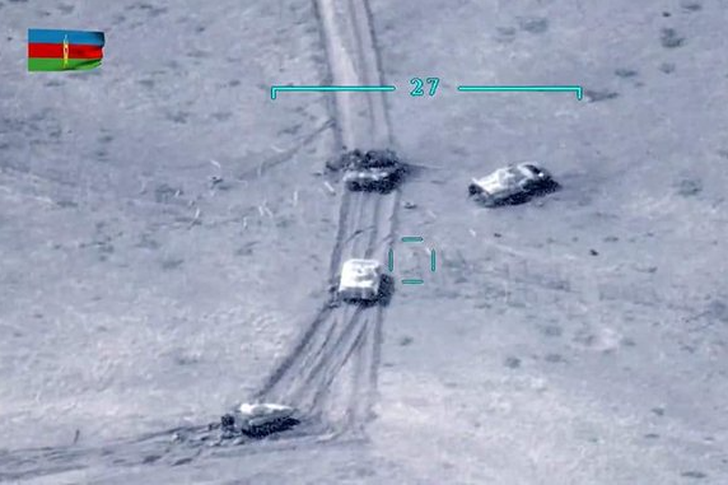
Over the past few years the importance of unmanned aerial ...

1934 - The world famous French actress Brigitte Bardot...
Një mori titujsh kryesorë në mediat javët e fundit në ...
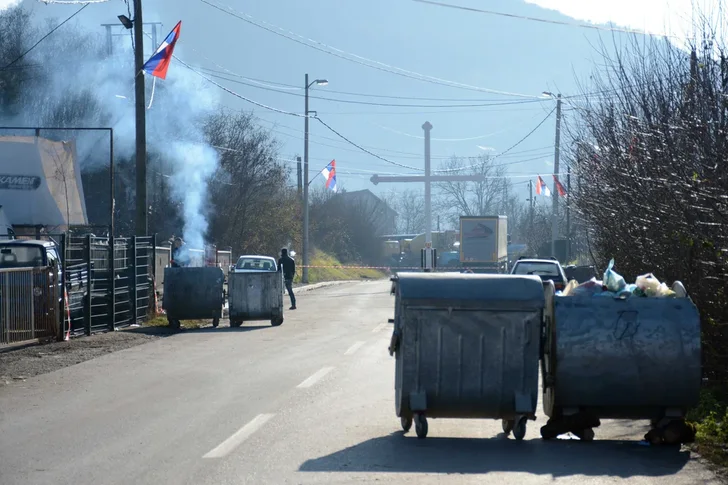
An unresolved conflict is always like a time mine. That's ...
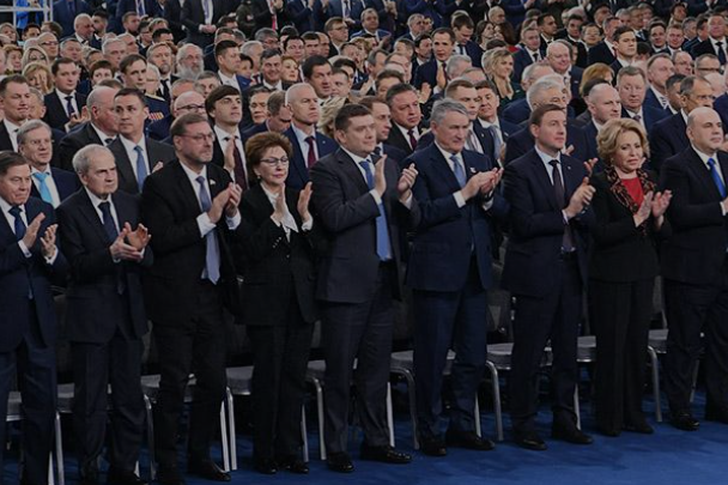
When President Vladimir Putin leaves office - in whatever ...

Stresi, ndjenja e pakënaqësisë dhe mungesa e mirënjohj...
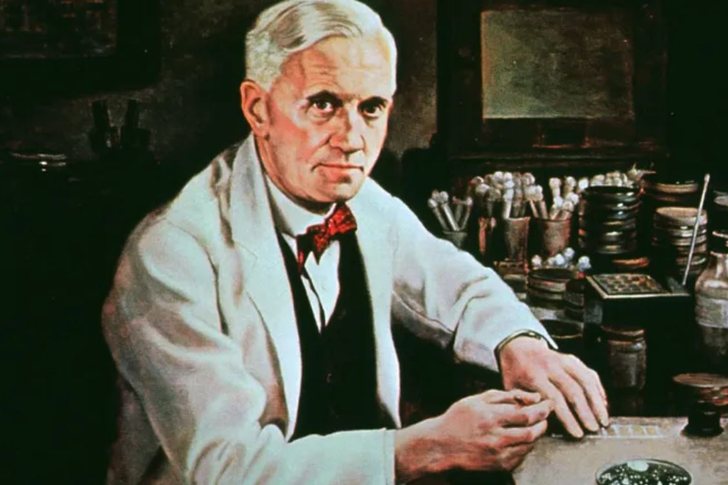
1928 - Anglezi Aleksandër Fleming zbulon penicilinën 95 v...
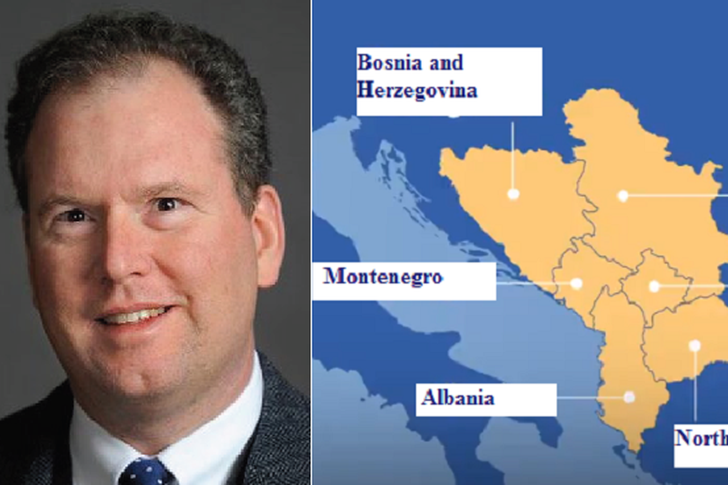
The Western Balkans, that is the countries of the former Y...

Overhydration is a condition characterized by excessive fl...
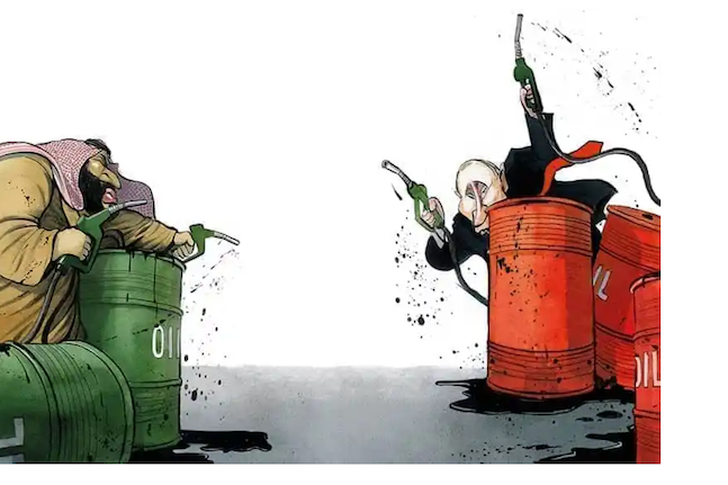
Beyond environmental issues, one of the most compelling ar...
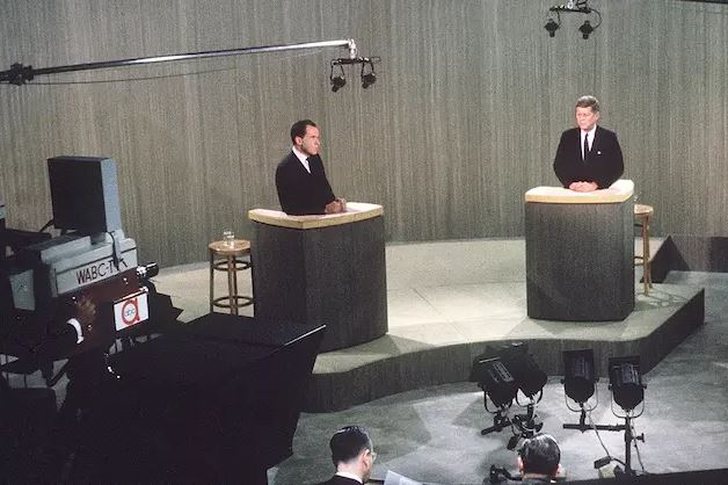
1960 - Xhon Kenedi dhe Riçard Nikson përballen në deba...
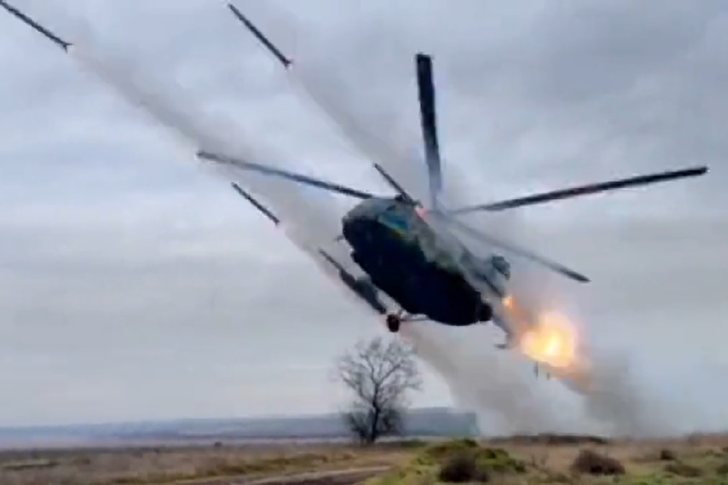
Although Ukraine's much-anticipated counteroffensive start...
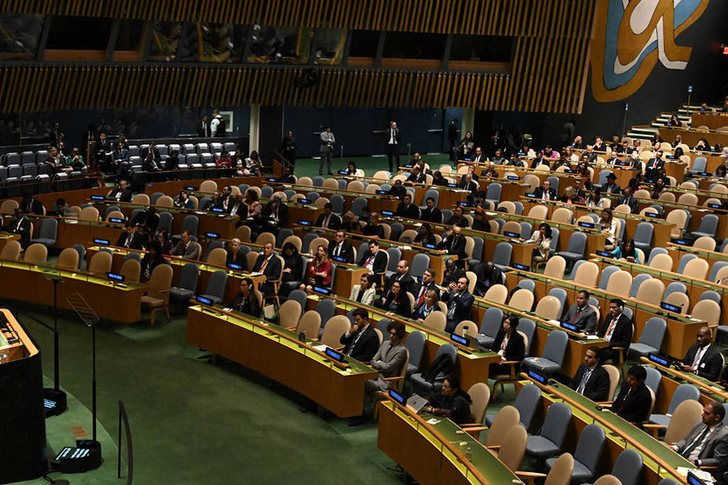
During the time of the Soviet Union, an anecdote was often...
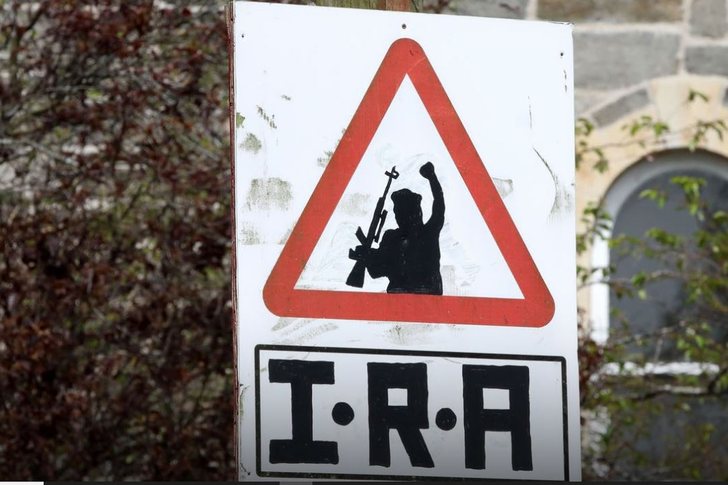
2005 - The IRA is officially disarmed Two months after an...

Repetition has a strange relationship with the human mind....

CNA has launched another investigation that could lead to ...

Irfan Hysenbelliu is a businessman that we call "Irfan the...

In March 2026, CNA launched another investigation centered...
The arrested mayor of Tirana, Erion Veliaj, with 13 charge...

The Special Board of Appeal (KPA) decided this Monday ...

The KPA vetting decided this Thursday to dismiss the p...

Suela Salavaçi, a prosecutor in the Prosecutor's Offic...

The Special Board of Appeal reinstated the prosecutor ...
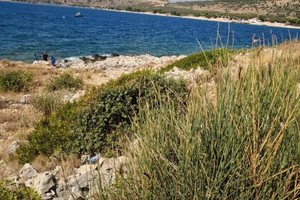
Citizen MH, 61, a fisherman, was found dead near the islan...
Another phase of the international operation, codenamed "T...
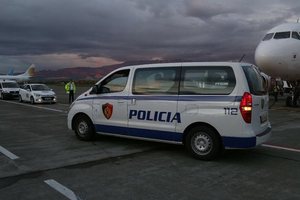
Police have arrested a 34-year-old woman at Rinas Airport ...
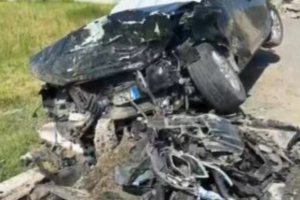
A serious accident has occurred on the Lezhë-Shëngjin axis...

The Institute of Geosciences has shared a forecast for wea...
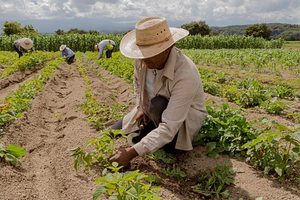
Rising energy and fertilizer prices are expected to contin...

Over 18,000 foreign citizens from 140 countries have appli...
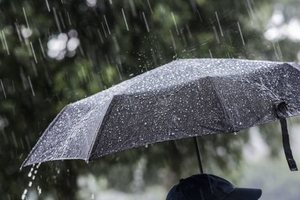
This Wednesday, our country will be under the influence of...

Prime Minister Andy Burnham has announced that most bus fa...

France's parliament has passed a law to ban social media f...
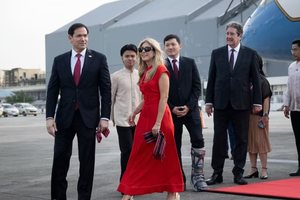
US Secretary of State Marco Rubio arrived in Manila on Jul...
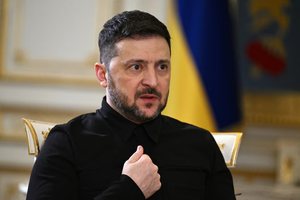
In the space of a few days, Ukrainian President Volodymyr ...

At a time when industrial products are increasingly taking...

Trust among people is not just a three-syllable word. It c...

Master of humor Todi Llupi has passed away at the age of 7...

The ninth edition of "MIK Festival" kicked off with one of...

Businesses will no longer be required to simply register t...

Despite economic growth and income in recent years, Albani...

This Wednesday, one US dollar is bought for 81.4 lek and s...

Construction company licenses will have a validity period ...