


Serious accident on the Tirana-Elbasan axis/ Concrete mixer falls from a height, suspected victims
A serious accident occurred this Wednesday on the Elbasan-...

A serious accident occurred this Wednesday on the Elbasan-...

During the time of the Soviet Union, an anecdote was often circulated. A journalist asks the General Secretary of the Communist Party to give an assessment of the country's economy. "The situation is good" - he answered briefly. But the journalist asked the leader to elaborate a little longer on the answer, so that he could write his article.
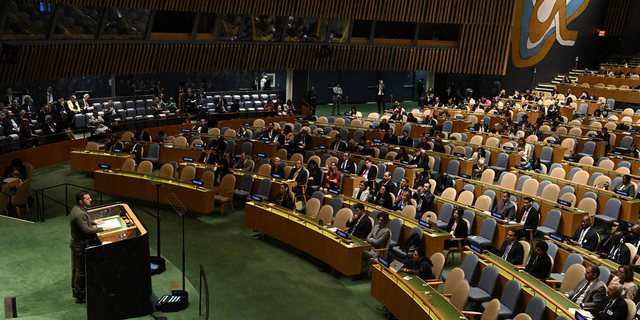
"But if we analyze the situation in detail, then I say that things are not going well at all!" - said the General Secretary. The same can be said about the state of the world today. While many global leaders gathered in New York for the 78th annual session of the United Nations General Assembly, conspicuously absent were Chinese President Xi Jinping, Russian President Vladimir Putin, UK Prime Minister Rishi Sunak, Indian Prime Minister Narendra Modi and the French President. Emmanuel Macron, the current situation offers many reasons for concern.
US-China relations, perhaps the most important of this era, are at their lowest point, despite a recent increase in the pace of diplomatic contacts. The goal of the USA is for the 2 great powers to create a stable basis for bilateral relations.
But at best, both governments will be able to avoid a crisis. Even the latter has been made more difficult by China's refusal to resume dialogue at the military level and to establish a communication channel in case of crises.
Even the most optimistic do not foresee finding a way for the two countries to cooperate meaningfully on pressing regional or global challenges in the near future. Meanwhile, China is facing significant economic challenges, largely due to its policy shortcomings.
But even if the problems originated there, it does not mean that the consequences will remain limited to China. What is happening there will at least hinder global economic growth. In a worst-case scenario, there is a chance that China's leadership will be tempted to act more aggressively abroad to divert attention from its domestic economic problems.
Elsewhere in the Indo-Pacific region, North Korea continues to expand the size and quality of its nuclear arsenal. The Pyongyang regime also continues to test increasingly advanced ballistic missiles, and has recently introduced a nuclear-armed submarine, which will increase the survivability of the communist regime's nuclear capabilities.
There are no signs that North Korea is prepared to discuss, much less reach, a compromise on its nuclear or missile programs. Another concern is the fact that Ukraine's counteroffensive, which began nearly 3 and a half months ago, has made limited progress.
Well-fortified Russian forces still control large parts of eastern and southern Ukraine. This reality, along with Russia's ability to increase weapons production during the war - despite US-led sanctions - and the importation of weapons from Iran and North Korea, suggests that the war, now in its second year, will continue for some time.
It is understood that Ukraine is not inclined to compromise on its goal of liberating all of its territory. It continues to believe that the balance on the battlefield will turn in its favor, as the West is recently sending its most advanced weapons.
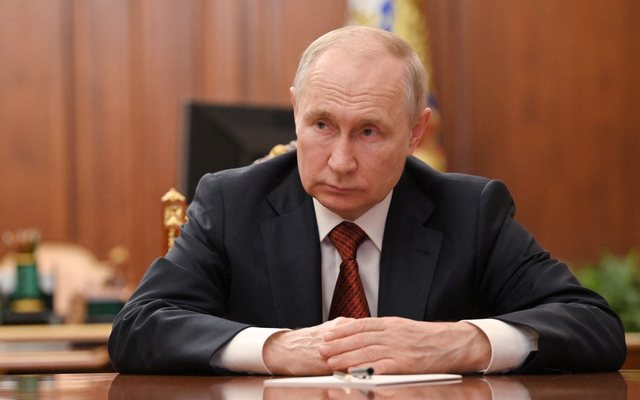
For his part, Putin believes that he will be able to bear the costs of the war, and that the reduction of American and European support for Ukraine is only a matter of time. None of these circumstances give peacemakers much room to work.
In Afghanistan, it is becoming increasingly clear that the new Taliban are not at all different from the old ones. Under these conditions, the question is only to what extent they will again allow their country to become the main base of terrorism. Then there is the question of how much the Taliban will contribute to the instability that has further deepened the all-encompassing crisis in Pakistan.
The number of fragile states suffering from poor governance, weak institutions and limited capacity is increasing significantly in Africa and Latin America. From a global perspective, the world isn't doing much better. After a pandemic that spread around the world and claimed the lives of an estimated 15 million people, the summer that just passed was the hottest on record.
With just over 2 months to go when officials from around the world will gather for the UN Climate Change Conference (COP28) in the United Arab Emirates, there is little reason to believe that governments are prepared to prioritize climate problems over short-term economic priorities.
Finally, while Artificial Intelligence technologies are rapidly evolving, there are no signs of any emerging international consensus on how to take advantage of their constructive dimensions and curb their potentially destructive applications.
However, there is some good news. Key examples are the strong Western response to Russian aggression and, more broadly, the renewed vitality of American-led partnerships and alliances in the Indo-Pacific aimed at curbing China's adventurist behavior.
In the Middle East, Iran released 5 American prisoners a few days ago. In return, Washington agreed to give Tehran access to $6 billion in frozen assets, with the condition that these funds be used only for food and medicine.
The two countries also appear to be working on an agreement - though not a formal pact - where Iran would accept some restrictions on its nuclear program in exchange for easing international sanctions against it.
But negotiations for a US-brokered agreement that would normalize relations between Israel and Saudi Arabia seem to be making significant progress. If such a pact is signed, it could potentially strengthen Saudi Arabia's defenses against Iranian aggression and give more hope to the possibility of a diplomatic solution to the Israeli-Palestinian conflict.

However, the reality cannot be avoided that the bad news always outweighs the good news. Currently, international development objectives are not being met. The recent G20 summit in India achieved little positive, while the UN General Assembly meeting seems to be following in its footsteps.
The most important body of the UN, the Security Council, has been sidelined and will remain so, given that one of its veto-wielding members is still waging a war that violates the most fundamental principle of the UN's founding Charter. of. At a time when there is a great demand for effective international cooperation, there seems to be a dire lack of it.
Note: Richard Haass, head of the Council on Foreign Relations. Previously, he was Director of Policy Planning for the US State Department (2001-2003), President George W. Bush's Special Envoy to Northern Ireland and Coordinator for the Future of Afghanistan./ "Project Syndicate" - Translated and adapted from CNA

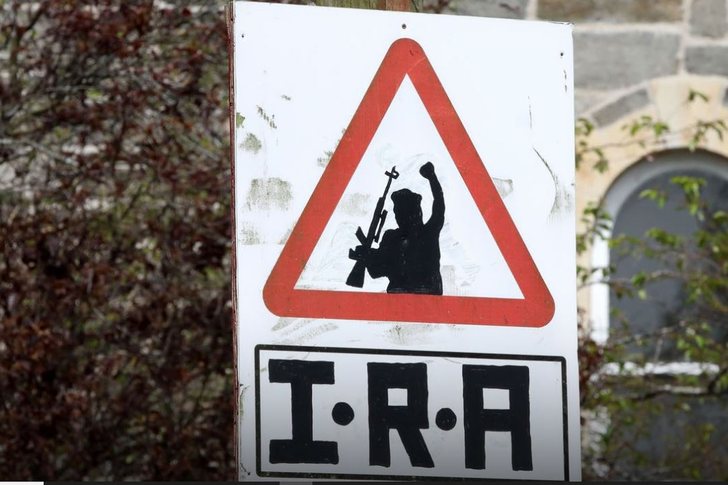
2005 - The IRA is officially disarmed Two months after an...

Repetition has a strange relationship with the human mind....
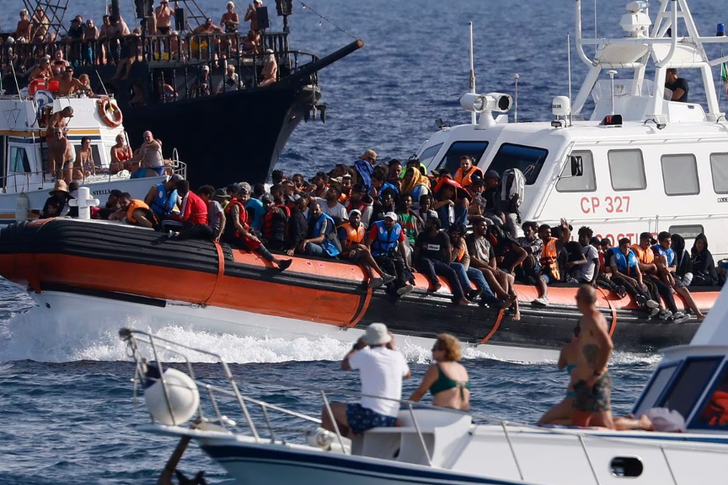
The Italian Coast Guard rescues a boat full of migrants of...

Dr. Jim Tucker, a psychologist at the University of Virgin...

1939 - The "father" of psychoanalysis, Sigmund Freud, pass...
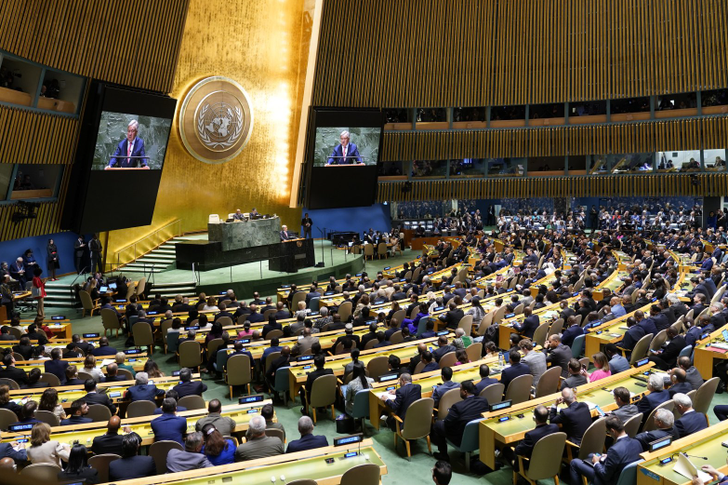
After World War I, the League of Nations was created with ...
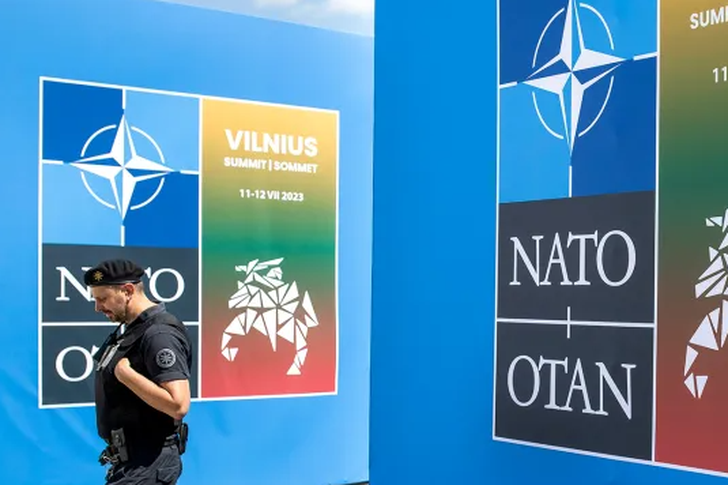
Next year, NATO - the largest and most capable political a...
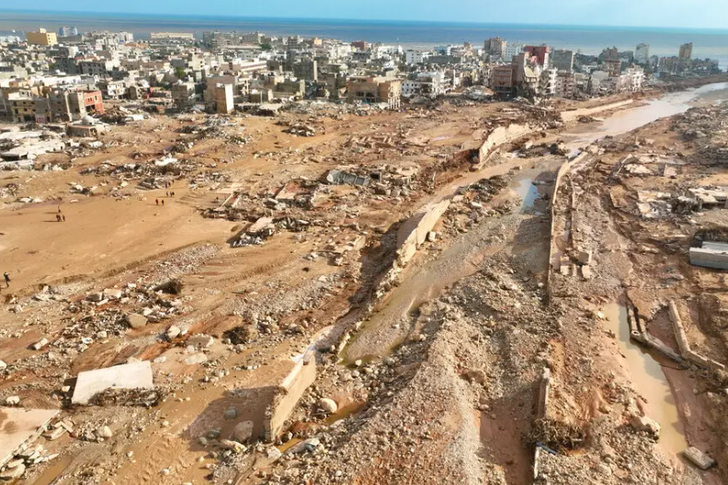
The collapse of two dams in Libya, which caused massive fl...
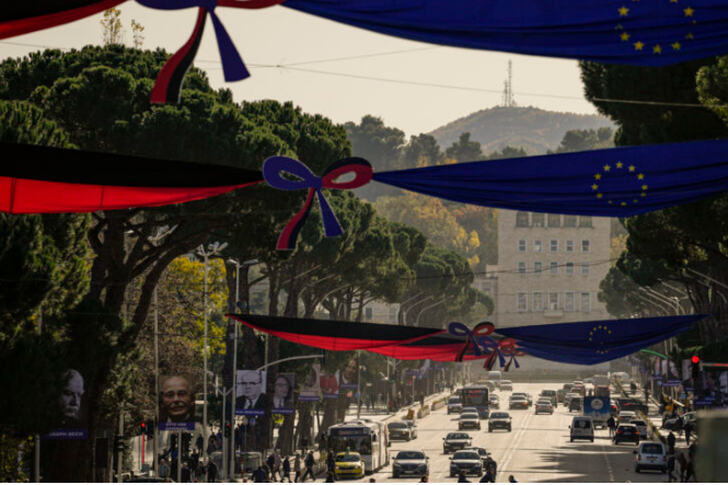
In her last State of the Union speech as president of ...
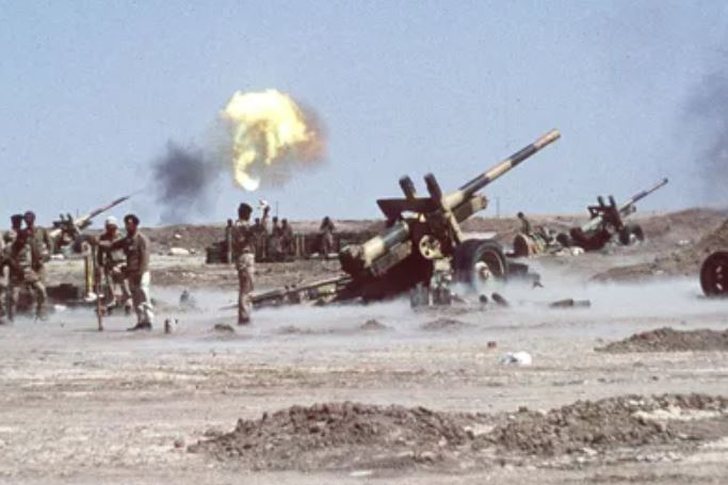
1980 - Iraq invades Iran, starting a bloody 8-year war...
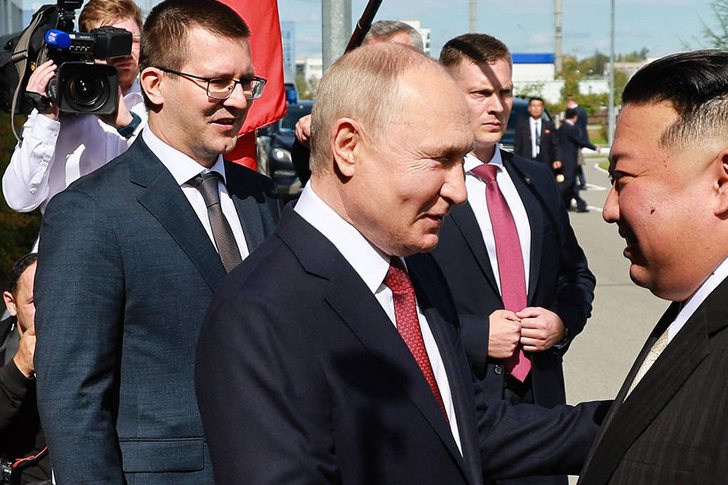
Russian President Vladimir Putin had strong reasons to wel...

Since Turkey's presidential election in May this year,...
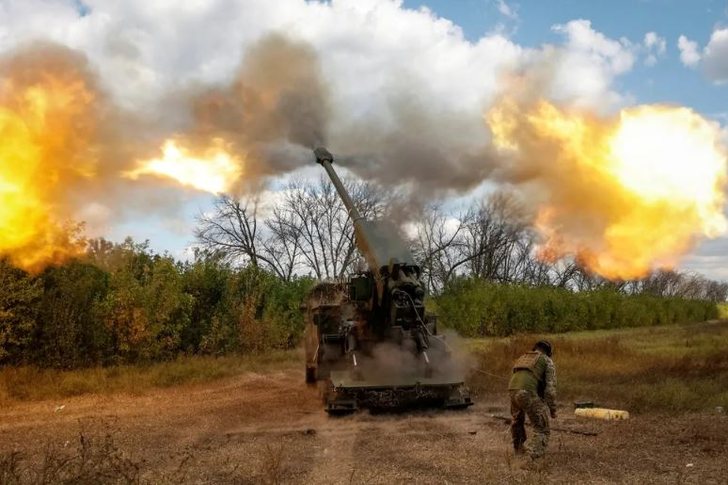
Since the start of the war, American military analyst Mich...

Të martën e 12 shtatorit, ndërsa Italia e Luçiano Spaletit...
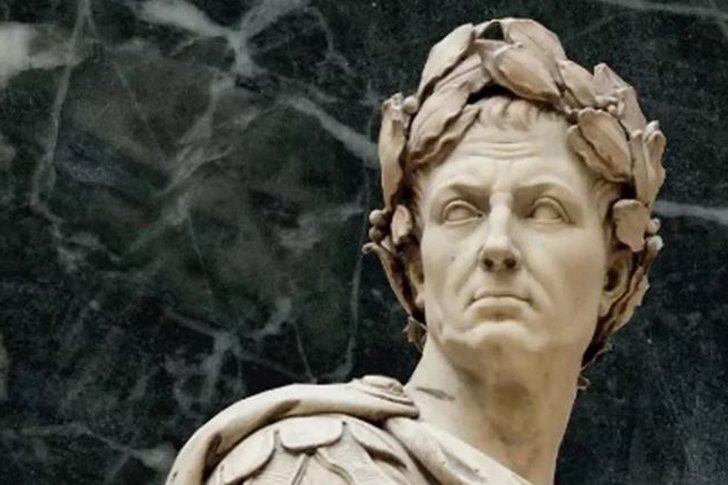
Thanks to their thinking, creations or ideas, the humanity...
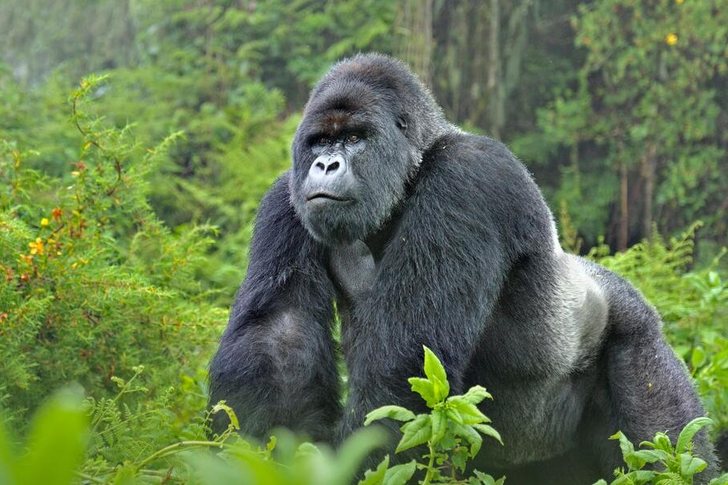
The animal kingdom is filled with intelligent creatures. T...

1934 - Lind aktorja italiane me famë botërore Sofia Lo...
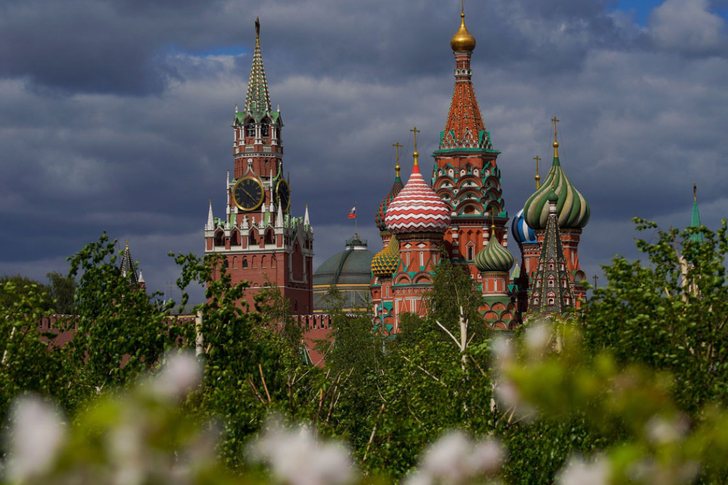
Russia's war on Ukraine and Western sanctions were putting...
The longer the investment in the European journey is delay...
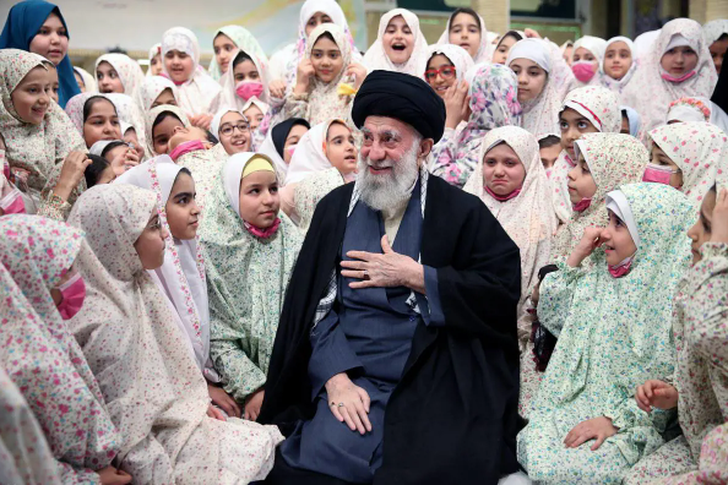
There is nothing more futile than tears, and nothing else ...

CNA has launched another investigation that could lead to ...

Irfan Hysenbelliu is a businessman that we call "Irfan the...

In March 2026, CNA launched another investigation centered...
The arrested mayor of Tirana, Erion Veliaj, with 13 charge...

The Special Board of Appeal (KPA) decided this Monday ...

The KPA vetting decided this Thursday to dismiss the p...

Suela Salavaçi, a prosecutor in the Prosecutor's Offic...

The Special Board of Appeal reinstated the prosecutor ...
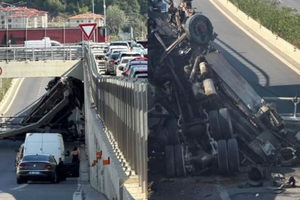
A serious accident occurred this Wednesday on the Elbasan-...
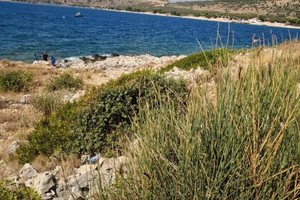
Citizen MH, 61, a fisherman, was found dead near the islan...

Another phase of the international operation, codenamed "T...
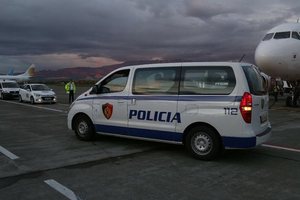
Police have arrested a 34-year-old woman at Rinas Airport ...

The Institute of Geosciences has shared a forecast for wea...
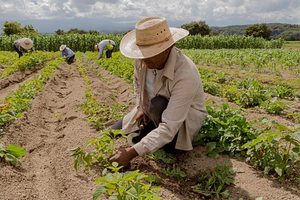
Rising energy and fertilizer prices are expected to contin...

Over 18,000 foreign citizens from 140 countries have appli...
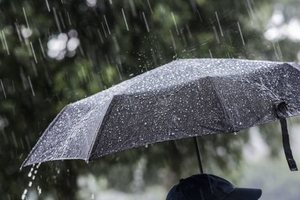
This Wednesday, our country will be under the influence of...
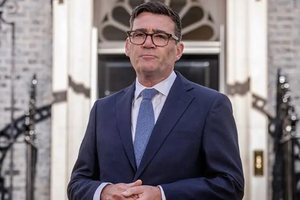
Prime Minister Andy Burnham has announced that most bus fa...

France's parliament has passed a law to ban social media f...
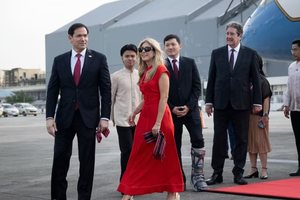
US Secretary of State Marco Rubio arrived in Manila on Jul...
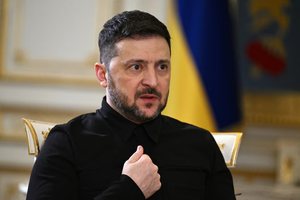
In the space of a few days, Ukrainian President Volodymyr ...

At a time when industrial products are increasingly taking...

Trust among people is not just a three-syllable word. It c...

Master of humor Todi Llupi has passed away at the age of 7...

The ninth edition of "MIK Festival" kicked off with one of...

Businesses will no longer be required to simply register t...

Despite economic growth and income in recent years, Albani...

This Wednesday, one US dollar is bought for 81.4 lek and s...

Construction company licenses will have a validity period ...