


Three children talk about the memories of their former lives. Are they evidence of reincarnation?
Dr. Jim Tucker, a psychologist at the University of Virgin...


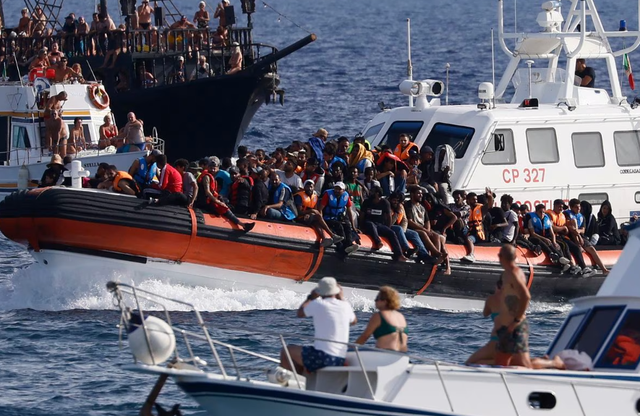
The Italian Coast Guard rescues a boat full of migrants off the coast of Lampedusa, who were trying to reach Europe through the Mediterranean Sea. They are transferred to a military ship and taken to port. There they will be identified and treated by doctors.
They will then be taken by bus to the reception center, where they will stay for several days, until they leave the island for large reception centers on the large island of Sicily, or on the mainland of Italy. For tourists resting a few meters from the landing area, this is a typical day at the beach.
And for them, immigrants are almost invisible. The beaches, restaurants and hotels in Lampedusa are still full. In the most prosperous years, up to 30,000 tourists, mostly Italians, come to this island, which is inhabited by about 6,000 inhabitants. There is no data to show that immigration damages Lampedusa's economic activity in any way.
On summer evenings, the streets of the center of the island turn into a festive atmosphere, where concerts continue until the early hours of the morning, and souvenir shops are still open after midnight. Not far from there, in the church square, long lines of immigrants wait to receive a plate of warm food.
Although this happens almost every day, they do not meet the gaze of tourists, who dine peacefully on the terraces of nearby restaurants. This week has been unusual in every respect. Nearly 12,000 migrants arrived on Lampedusa in a few days , and there was the exception that proved the rule: a group of boys from Gambia, Liberia, Ivory Coast and Nigeria, who had just landed on the island, danced with tourists and locals to the rhythms of reggae music. of Bob Mali.
This almost never happened. Many local residents had come out with clothes, blankets, water and food for the immigrants. They welcome immigrants, but convey a sense of normalcy to tourists. So in Lampedusa, 2 reception systems coexist: one for tourists and one for immigrants coming through the Mediterranean.
Some see the island as a vacation paradise. For others, fleeing famine, natural disasters or war, it represents the gateway to Europe, the end of a dangerous sea journey in which they risk their lives.
The International Organization for Migration (IOM) estimates that to date more than 2,000 people who fled North Africa and tried to reach Italy have died in the Central Mediterranean. However, a tourist can spend weeks on the island, unaware of what is happening just a short distance away.
Everything is organized in such a way that the issue of immigration does not interfere with local life. "There are two parallel channels that do not cross between them. When everything is working normally, tourists do not see immigrants. During these days of emergency, there were migrants on the streets quietly asking for food and water.
Some tourists chose to help them, others did not, explains Xhuzi Nikolini, former mayor of Lampedusa, for "El Pais". In general, many people who live or work on Lampedusa explain that there are very few cases where the experiences of those who arrive from the sea in an iron craft boat coincide with those of the rest of the people on the island.
The reception center is located about 1.5 miles from the port, located on a small hill, in an area with no hotels or holiday homes nearby. Less than half a mile away, there is a landfill site. It is impossible to see this place with the naked eye from the main roads.
In the urban area of ??Lampedusa, populated by a multitude of low-rise houses shaded by the sun, a mural depicts the drama that migrants go through when they travel by sea to reach Europe. Filipo Manino, head of a right-wing coalition, has been mayor of Lampedusa for just over a year.
Among other things, he has kept in force an ordinance that prohibits the exit of the persons located in the reception center. This rule was implemented in 2020 due to the pandemic, and although the health reasons no longer apply, the politician decided to keep it in force. Currently, only those who have the strength to scale the fence and escape the attention of the military - which patrols outside the facility - can leave the reception centre. Recently, Manino suggested, without evidence, that if migrant management is too visible, it becomes detrimental to tourism.
"The goal of the government and this administration should be to minimize the impact of the wait in this territory, because we live on tourism, and we want to continue to live on it," he said. The deputy mayor, Atilio Lucia, echoed this message and encouraged the local residents to protest against the way migration is managed by the central government in Rome.
The former mayor, Xhuzi Nikolini (who a decade ago, in the midst of the refugee crisis, gave a stirring message of welcome, which was repeated by many local governments in Europe) rejects this vision.
"The presence of immigrants here is not a problem. If that were the case, this island would be in danger of depopulation. On the contrary, it is a country that is growing demographically, and where profits from tourism are increasing more and more. In fact, it is a positive example that shows that coexistence is possible, and that welcoming people does not harm anyone," she says.
"We came to rest a few days at sea. We met a group of boys looking for food and water. We gave it to them and talked a little with them. We learned their life stories. It was supposed to be a normal vacation, but it became an experience that taught us a lot" - says Ilaria Benedeti, a tourist from Rome who visited the island with her husband and 2 children.
Many local workers do not think immigration will affect the island's image. "We hardly see the migrants, as they arrive by boat and are taken directly from the port to the reception center. Their arrival does not affect tourism in any way. Hotels and restaurants continue to announce that they are full. This is the proof" - says Emanuele, a taxi driver.
"Emigration and tourism are different things" - admits Luciana, who works in a handicraft store. One of the few places where tourists and expats meet is the island's health center, which is divided into three sections: one for local residents, an emergency section for tourists (active from mid-June to mid-September), and the which caters exclusively to immigrants.
The three sections are located in different parts of the clinic, but they share the same waiting room. Here they may find themselves sitting next to each other, a tourist with jellyfish scars on the beach, and a woman arriving from Libya with signs of violence after several months in detention centers there.
The island's small cemetery is another space shared by all. There, the graves of immigrants who lost their lives at sea are not far from the rest. For years (until the space ran out) some immigrants were buried there in a grave with a name where it was written: "An unidentified immigrant rests here".
Someone left flowers on them, a small wooden boat, and decorated them with drawings. The IOM estimates that since 2014, around 17,000 people have disappeared in Mediterranean waters trying to reach Europe. By Lorena Pacho "El Pais"/ Adapted by CNA

Dr. Jim Tucker, a psychologist at the University of Virgin...

1939 - The "father" of psychoanalysis, Sigmund Freud, pass...
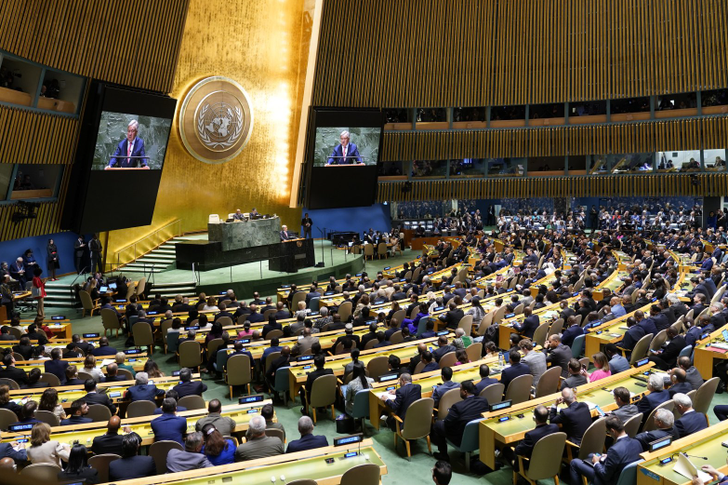
After World War I, the League of Nations was created with ...
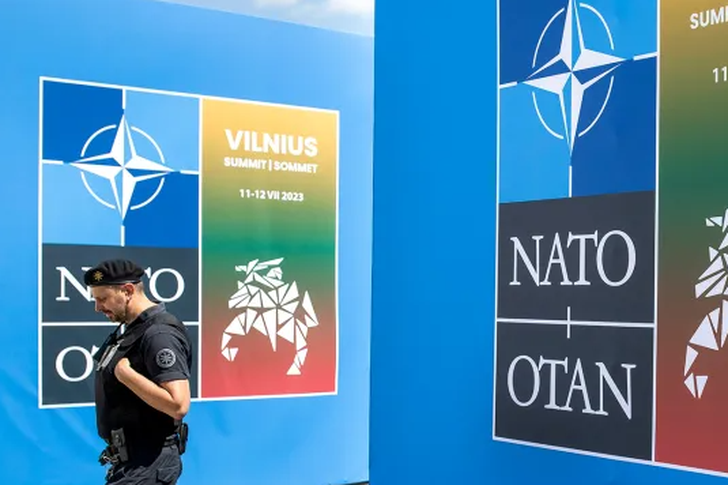
Next year, NATO - the largest and most capable political a...
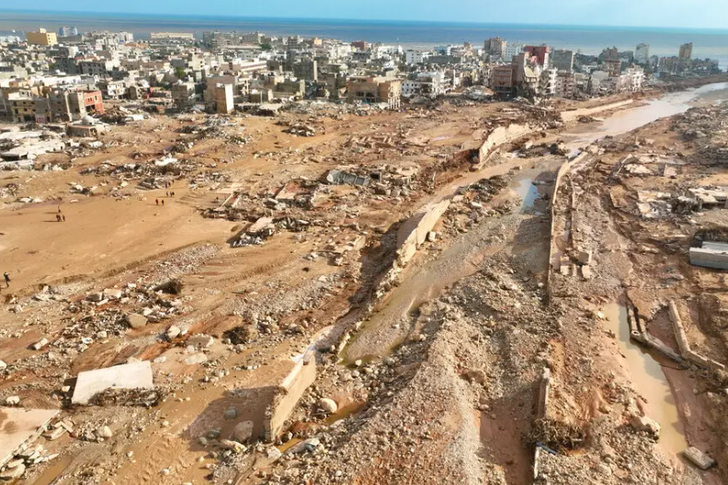
The collapse of two dams in Libya, which caused massive fl...
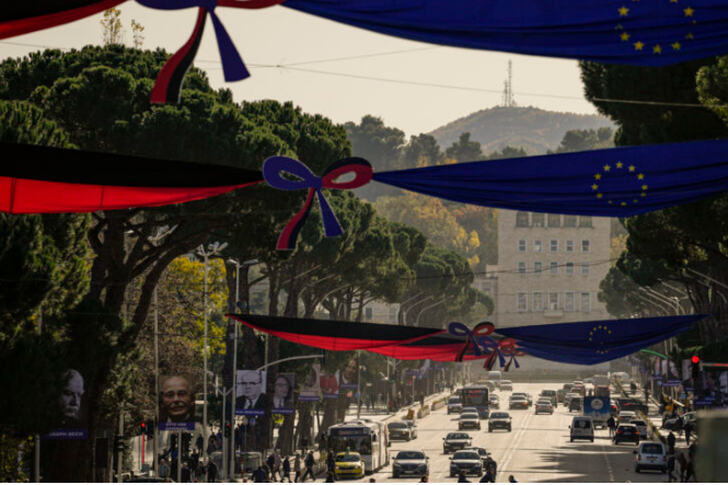
In her last State of the Union speech as president of ...
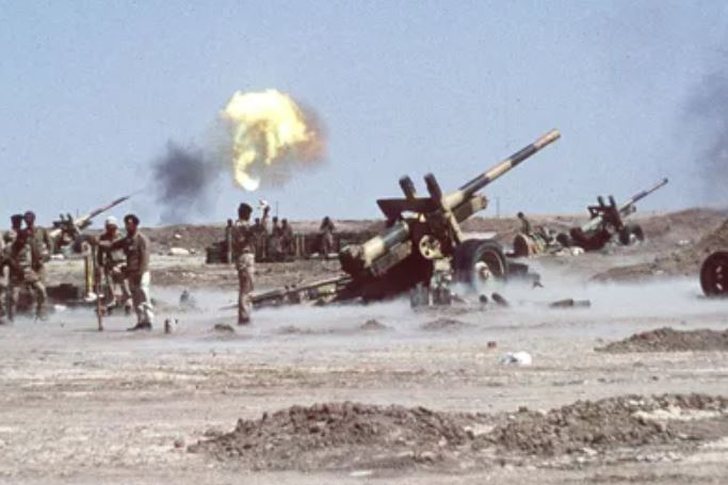
1980 - Iraq invades Iran, starting a bloody 8-year war...

Russian President Vladimir Putin had strong reasons to wel...

Since Turkey's presidential election in May this year,...
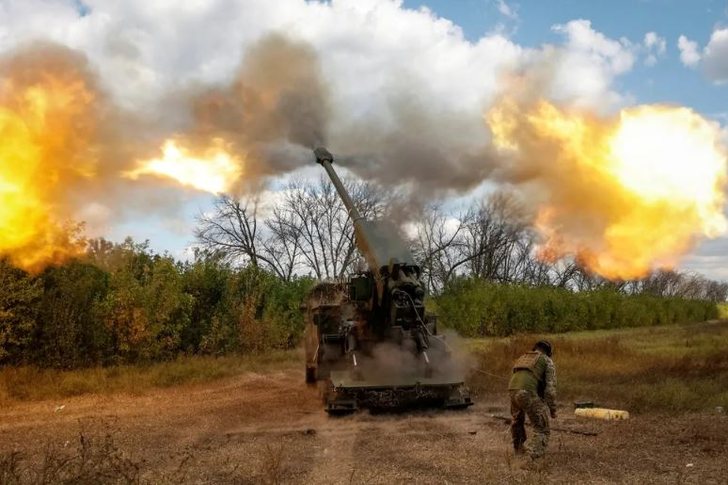
Since the start of the war, American military analyst Mich...

Të martën e 12 shtatorit, ndërsa Italia e Luçiano Spaletit...
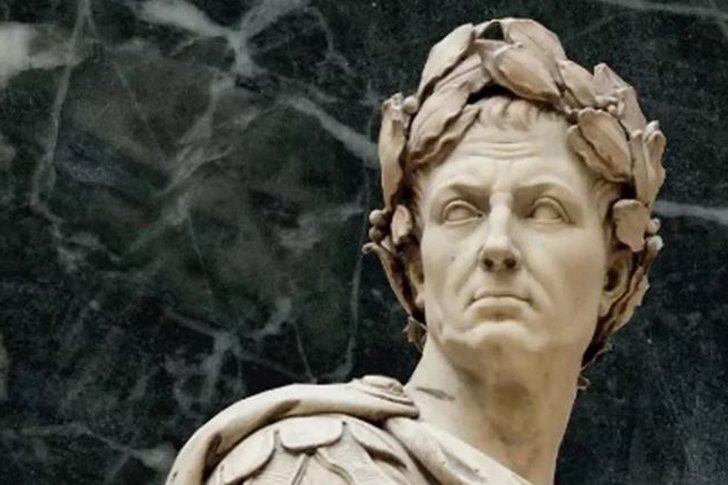
Thanks to their thinking, creations or ideas, the humanity...
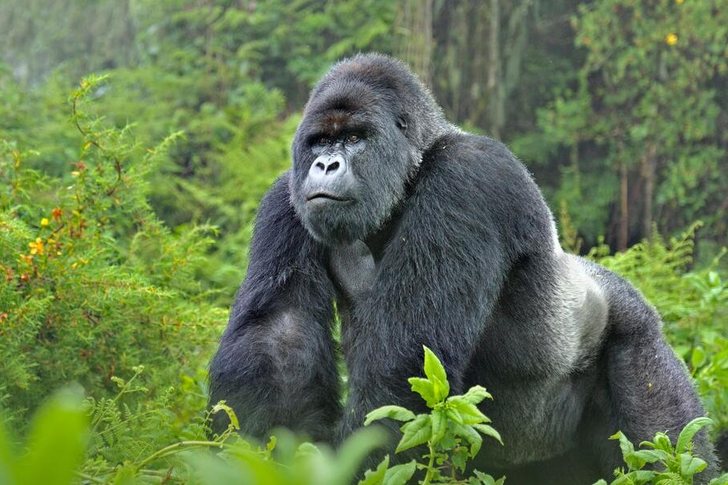
The animal kingdom is filled with intelligent creatures. T...

1934 - Lind aktorja italiane me famë botërore Sofia Lo...
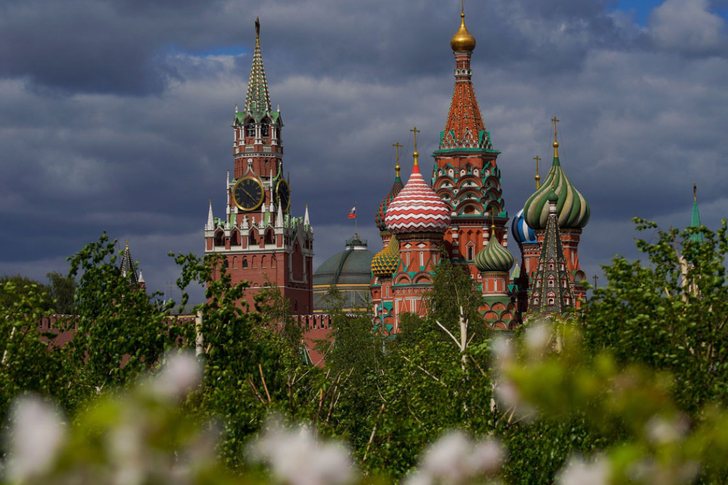
Russia's war on Ukraine and Western sanctions were putting...

The longer the investment in the European journey is delay...

There is nothing more futile than tears, and nothing else ...
You are running but without getting anywhere. See yourself...
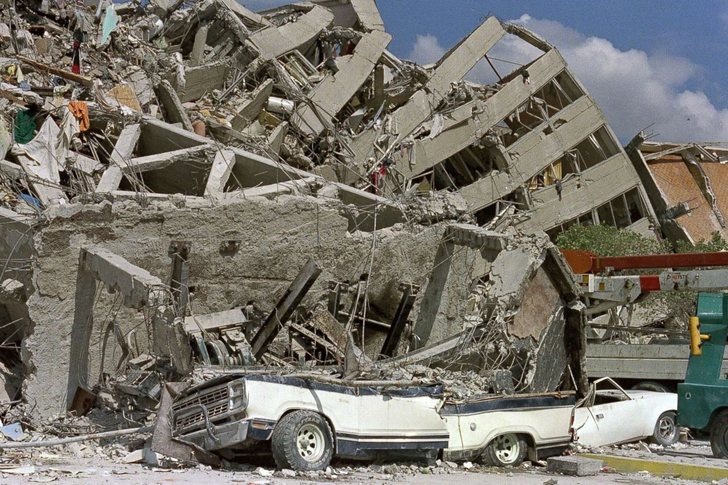
1985 - A strong earthquake hits the capital of Mexico ...
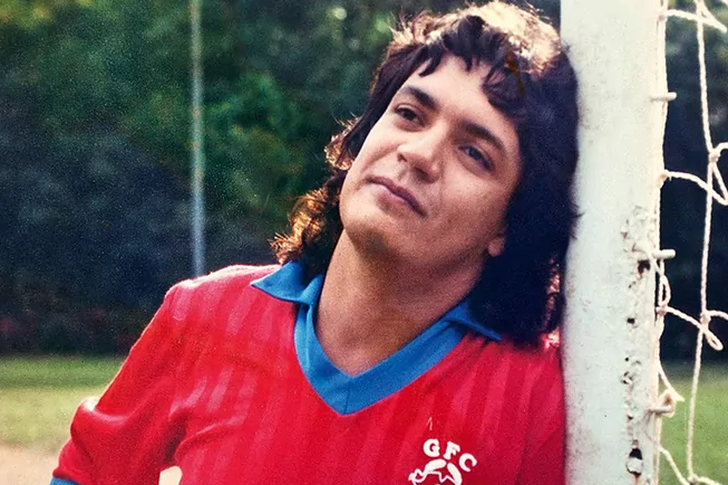
Carlos Henrike Raposo, known in the football world as "The...

CNA has launched another investigation that could lead to ...

Irfan Hysenbelliu is a businessman that we call "Irfan the...

In March 2026, CNA launched another investigation centered...
The arrested mayor of Tirana, Erion Veliaj, with 13 charge...

The Special Board of Appeal (KPA) decided this Monday ...

The KPA vetting decided this Thursday to dismiss the p...

Suela Salavaçi, a prosecutor in the Prosecutor's Offic...

The Special Board of Appeal reinstated the prosecutor ...
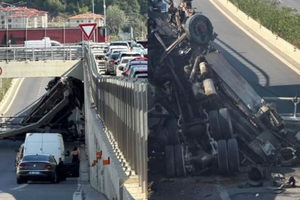
A serious accident occurred this Wednesday on the Elbasan-...
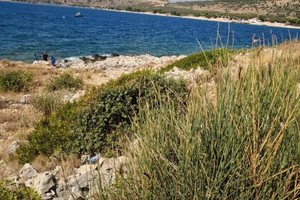
Citizen MH, 61, a fisherman, was found dead near the islan...
Another phase of the international operation, codenamed "T...
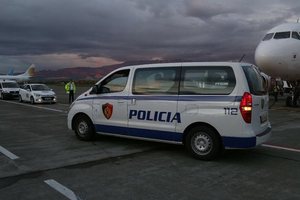
Police have arrested a 34-year-old woman at Rinas Airport ...

The Institute of Geosciences has shared a forecast for wea...
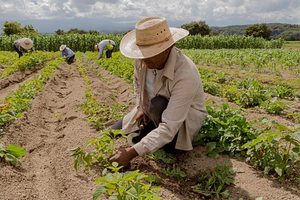
Rising energy and fertilizer prices are expected to contin...

Over 18,000 foreign citizens from 140 countries have appli...
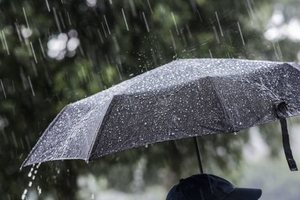
This Wednesday, our country will be under the influence of...

Prime Minister Andy Burnham has announced that most bus fa...

France's parliament has passed a law to ban social media f...

US Secretary of State Marco Rubio arrived in Manila on Jul...

In the space of a few days, Ukrainian President Volodymyr ...

At a time when industrial products are increasingly taking...

Trust among people is not just a three-syllable word. It c...

Master of humor Todi Llupi has passed away at the age of 7...

The ninth edition of "MIK Festival" kicked off with one of...

Businesses will no longer be required to simply register t...

Despite economic growth and income in recent years, Albani...

This Wednesday, one US dollar is bought for 81.4 lek and s...

Construction company licenses will have a validity period ...