


How should the EU support the integration of the Western Balkans, before it is too late?
In her last State of the Union speech as president of ...


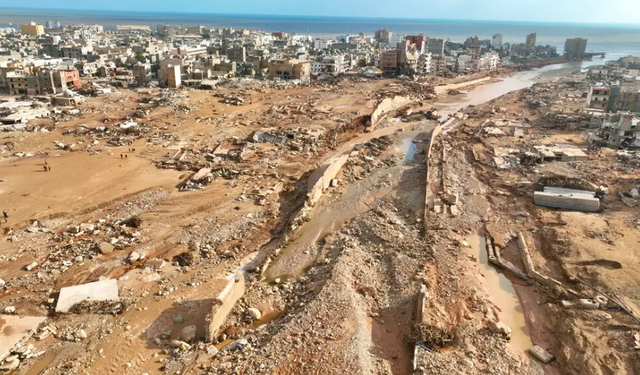
The collapse of two dams in Libya, which caused massive flooding and killed at least 3,000 people with 4,200 others still missing, was as predictable as it was preventable.
And unless we decommission or repair some of the aging structures that are long past their expiration date, they won't be the last big dams to collapse. Like many dams around the world, the Wadi Derna dams in Libya were built in the 1970s
during the global era of dam building, when at least 1,000 large dams were erected each year.
Now most of these dams are at the end of their lifespan. Details on the causes of the disaster are being revealed step by step, but the collapse of the dam in Libya seems to have been caused by lack of maintenance and poor monitoring of reservoirs that were overwhelmed by a heavy rainstorm.
Serious warnings were made last year about the deteriorating condition of the dams and the need for urgent repairs to avoid such a scenario . Unfortunately no action was taken. Similar catastrophes are expected to occur around the world.
The biggest risk is in India and China, where 28,000 large dams have been built since the middle of the 20th century and are now very outdated. The Mulaperijar Dam in Kerala, India is over 100 years old. It has visible damage and is located in a region prone to
strong earthquakes.
Its collapse would affect over 3.5 million people downstream. In the United States, which is also the second largest dam builder after China, the average age of dams is 65 years, and about 2,200 such structures are at high risk of collapse.
The last law on infrastructure allocated 3 billion dollars per year for the maintenance of some of them. But in the meantime there are thousands of other dams, for which the federal government bears no responsibility. Their repair will cost about 76 billion dollars. The risks from the aging of
dams are a particular concern, especially in the face of climate change.
Dams are designed to withstand the worst natural conditions. But what were once considered once-in-a-century weather events have become more frequent, putting dams at great risk of collapse or significant structural weakening.
Përpara katastrofës në Libi, moti ekstrem i përkeqësuar nga ndryshimet klimatike po sillte tashmë një ndikim negativ tek këto struktura. Reshjet e mëdha e dëmtuan digën e vjetër Orovil në Kaliforni në vitin 2017, duke shkaktuar evakuime masive për shkak të frikës nga shkarkimet e pakontrolluara të ujit.
Një pjesë e akullnajës së Himalajeve, shkatërroi një digë dhe dëmtoi një tjetër në Indinë Veriore në vitin 2021, duke vrarë dhjetëra njerëz. Akullnajat që shkrijnë me shpejtësi si rezultat i ngrohjes globale, përbëjnë sot një rrezik më të madh sigurie për digat dhe komunitetet që jetojnë poshtë tyre.
Qasja e zakonshme në këtë aspekt, ka qenë riparimi i digave të vjetruara aty ku është e nevojshme, monitorimi i niveleve të rezervuarëve dhe përpjekja për të parashikuar reshjet dhe
rritjen e prurjeve nga rrjedha e sipërme. Marrim shembullin e digës Kariba në lumin Zambezi në Afrikën jugore, e cila po i nënshtrohet riparimeve të shumta për të parandaluar shembjen e saj, pasi u zbulua se shtrati i lumit poshtë saj ishte dëmtuar shumë.
Me një kosto prej 300 milionë dollarësh, këto riparime kërkohen vetëm për të mbajtur digën në këmbë mbi një lumë ku prodhimi i energjisë hidroelektrike ka rënë djeshëm për shkak të thatësirave. Projekte të tilla janë dukshëm më të shtrenjtë në një periudhë afatgjatë sesa zbrazja e tyre graduale dhe shkatërrimi nga njeriu i digave që tashmë janë të vjetruara. Ndërsa disa diga të vjetruara furnizojnë ende me ujë të pijshëm dhe i ndihmojnë fermerët të ujitin fushat e tyre, shumë prej tyre që janë ndërtuar enkas për hidrocentrale, prodhojnë vetëm
një pjesë të energjisë elektrike që prodhonin dikur, pasi pas mureve të tyre grumbullohet një sasi e madhe sedimentesh.
Shtimi i thatësirave për shkak të ndryshimeve klimatike, e ka pakësuar prodhimin energjitik të hidrocentraleve në të gjithë botën, duke çuar në racionimin e energjisë dhe ndërprerjet e energjisë në Shtetet e Bashkuara, Kinë dhe Brazil, ndaj është gjithnjë e më e vështirë të
justifikohet ekzistenca e shumë digave.
Për këtë arsye ka disa lëvizje në rritje, shpesh të udhëhequra nga banorët lokalë dhe popullsi të tjera të margjinalizuara, për t’i hequr ato. Heqja e digave dhe restaurimi i lumenjve po rritet me shpejtësi në Evropë. Lumenjtë në këtë kontinent janë ndër më të fragmentuarit në botë dhe kanë përjetuar rënie të mëdha të biodiversitetit të ujërave të ëmbla.
The Meuse River restoration project in the Netherlands, which involves restoring its floodplains to address the problem of floods and droughts, is expected to reduce extreme floods from once a century to once every 250 years. The dam disaster in Libya is a wake-up call for other aging dams around the world. Our best tool to protect against such events is to dismantle them completely. By Josh Klemm & Isabella Winkler “New York Times'/ Adapted from CNA

In her last State of the Union speech as president of ...
1980 - Iraq invades Iran, starting a bloody 8-year war...

Russian President Vladimir Putin had strong reasons to wel...

Since Turkey's presidential election in May this year,...
Since the start of the war, American military analyst Mich...

Të martën e 12 shtatorit, ndërsa Italia e Luçiano Spaletit...

Thanks to their thinking, creations or ideas, the humanity...

The animal kingdom is filled with intelligent creatures. T...

1934 - Lind aktorja italiane me famë botërore Sofia Lo...
Russia's war on Ukraine and Western sanctions were putting...

The longer the investment in the European journey is delay...

There is nothing more futile than tears, and nothing else ...
You are running but without getting anywhere. See yourself...
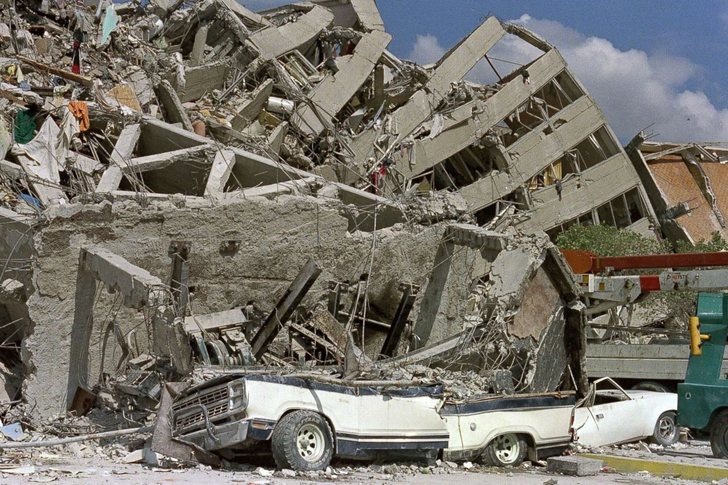
1985 - A strong earthquake hits the capital of Mexico ...

Carlos Henrike Raposo, known in the football world as "The...

One of the best selling books of all time has been about w...
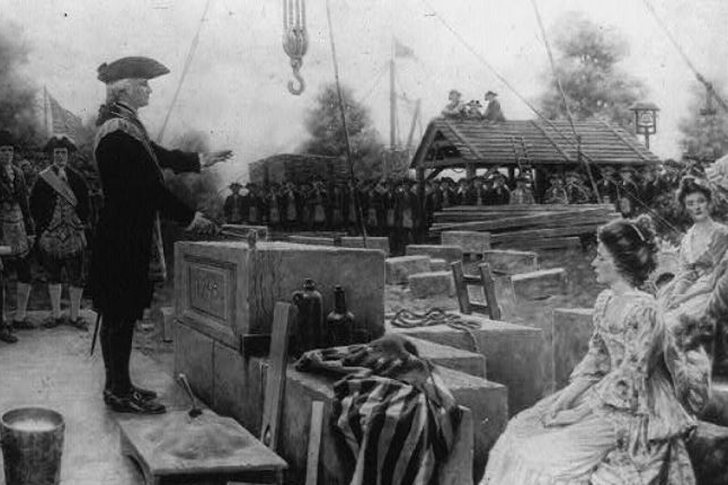
1793 - George Washington lays the cornerstone of the Capit...

Even in retreat, the Soros empire incites great hyster...

Bota ka qenë në tranzicion që nga fundi i Luftës së Ft...

In April this year, Spanish athlete Beatriz Flamini finall...

CNA has launched another investigation that could lead to ...

Irfan Hysenbelliu is a businessman that we call "Irfan the...

In March 2026, CNA launched another investigation centered...
The arrested mayor of Tirana, Erion Veliaj, with 13 charge...

The Special Board of Appeal (KPA) decided this Monday ...

The KPA vetting decided this Thursday to dismiss the p...

Suela Salavaçi, a prosecutor in the Prosecutor's Offic...

The Special Board of Appeal reinstated the prosecutor ...

New details have emerged from the serious accident that oc...
A serious accident occurred this Wednesday on the Elbasan-...
Citizen MH, 61, a fisherman, was found dead near the islan...

Another phase of the international operation, codenamed "T...

The Institute of Geosciences has shared a forecast for wea...
Rising energy and fertilizer prices are expected to contin...

Over 18,000 foreign citizens from 140 countries have appli...

This Wednesday, our country will be under the influence of...

Prime Minister Andy Burnham has announced that most bus fa...

France's parliament has passed a law to ban social media f...

US Secretary of State Marco Rubio arrived in Manila on Jul...

In the space of a few days, Ukrainian President Volodymyr ...

At a time when industrial products are increasingly taking...

Trust among people is not just a three-syllable word. It c...

Master of humor Todi Llupi has passed away at the age of 7...

The ninth edition of "MIK Festival" kicked off with one of...

Businesses will no longer be required to simply register t...

Despite economic growth and income in recent years, Albani...

This Wednesday, one US dollar is bought for 81.4 lek and s...

Construction company licenses will have a validity period ...