


Serious accident on the Tirana-Elbasan axis/ Concrete mixer falls from a height, suspected victims
A serious accident occurred this Wednesday on the Elbasan-...

A serious accident occurred this Wednesday on the Elbasan-...

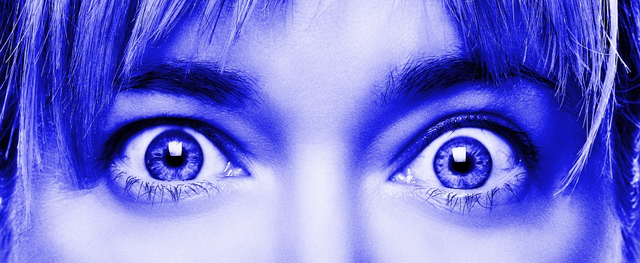
Repetition has a strange relationship with the human mind. For example we take the experience of Deja vu , when we mistakenly believe that we have experienced a new situation in the past, causing in you an eerie feeling of the past. But we have discovered that Deja vu is actually a "window" into the workings of our memory system.
Our latest study found that this phenomenon arises when the part of the brain that detects familiarity de-synchronizes with reality. Deja vu is the signal that warns you about this surprising phenomenon : it is a kind of "fact checker" for the memory system. But repetition can make something even more strange and unusual.
The opposite of DejaVu is "Jamais Vu", when something you know as known is perceived in a moment as not real or even new. Jamais Vu, may involve seeing a familiar face and considering it unusual or unfamiliar. It happens not infrequently to musicians, for example, they forget a very familiar musical passage.
You yourself may have experienced when you went to a familiar place, and at some point you felt disoriented, or you saw it with "new eyes". This experience is even rarer than Déjà Vu and perhaps even more unusual and disturbing.
When you ask people to describe it in questionnaires they say: "When I was writing the word 'appetite' in the exam, I kept looking at it for a few moments as I assumed it might be wrong". We still don't know much about the Jamais Vu phenomenon.
In the first experiment we conducted, 94 students spent time writing the same word over and over again. They did this with 12 different words, which ranged from common ones like "gate" to less common words like "sword."
We then asked participants to copy the word as quickly as possible, but told them they were allowed to stop when they were experiencing a particular feeling, such as boredom or hand fatigue. Stopping the process because things started to be perceived as strange was the most common option chosen by about 70 percent of students.
They stopped at least once because they felt something special, which we defined as "Jamais Vu". This usually happened after about a minute (33 repetitions) - and usually for familiar words. Meanwhile, in a second experiment we used only the English word "the", because it was more common.
This time, 55 percent of the students stopped writing for reasons matching our definition of "Jamais Vu" (but after only 27 repetitions). The young people then described their experiences in a variety of ways, ranging from “losing the meaning of the words as they looked at them written to “we felt like we lost control of our hand”, to the preferred description of us: "It seems like it's a word, but like someone tricked us with it."
It took us about 15 years to write and publish this scientific research. In 1907, one of the founding figures of psychology, Margaret Washburn, published an experiment with one of her students that showed the “loss of associative power” for words that were repeated for 3 minutes.
At some point they became strange, lost their meaning and fragmented over time. Our unique contribution to this study is the idea that transformations and losses of meaning in repetition are accompanied by a special feeling, which is precisely Jamais Vu. By Akira O'Connor & Christopher Moulin “Science Alert”/ Adapted from CNA


The Italian Coast Guard rescues a boat full of migrants of...
Dr. Jim Tucker, a psychologist at the University of Virgin...
1939 - The "father" of psychoanalysis, Sigmund Freud, pass...
After World War I, the League of Nations was created with ...
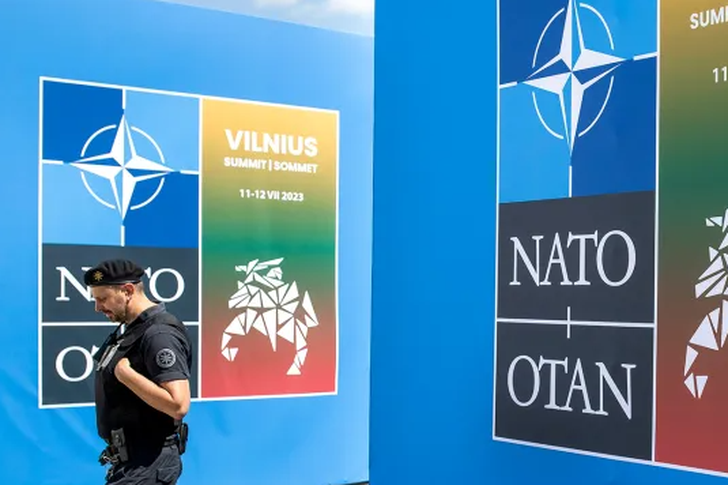
Next year, NATO - the largest and most capable political a...

The collapse of two dams in Libya, which caused massive fl...
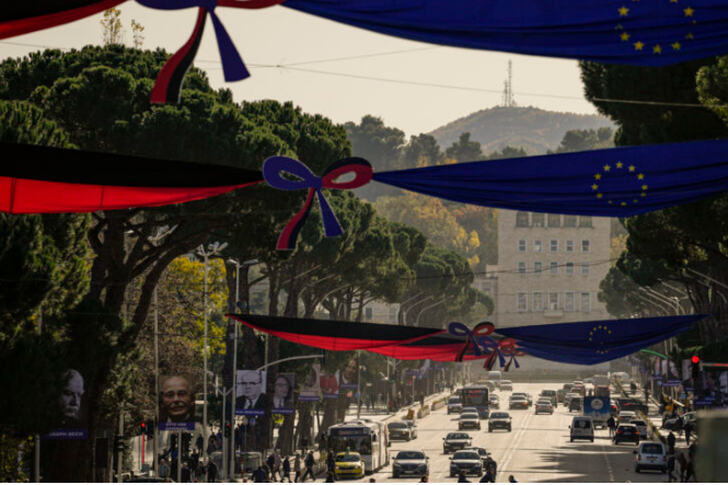
In her last State of the Union speech as president of ...

1980 - Iraq invades Iran, starting a bloody 8-year war...

Russian President Vladimir Putin had strong reasons to wel...

Since Turkey's presidential election in May this year,...

Since the start of the war, American military analyst Mich...

Të martën e 12 shtatorit, ndërsa Italia e Luçiano Spaletit...
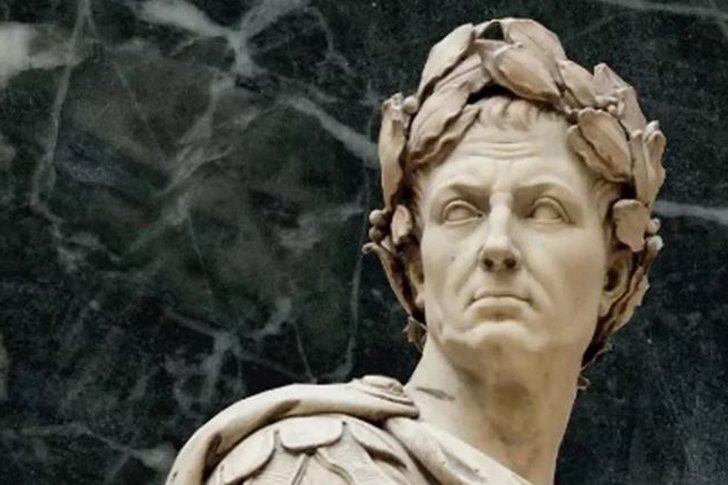
Thanks to their thinking, creations or ideas, the humanity...
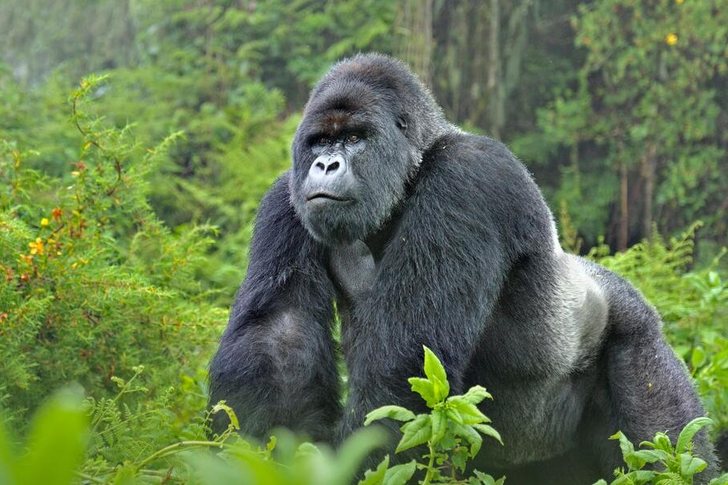
The animal kingdom is filled with intelligent creatures. T...

1934 - Lind aktorja italiane me famë botërore Sofia Lo...

Russia's war on Ukraine and Western sanctions were putting...
The longer the investment in the European journey is delay...

There is nothing more futile than tears, and nothing else ...
You are running but without getting anywhere. See yourself...
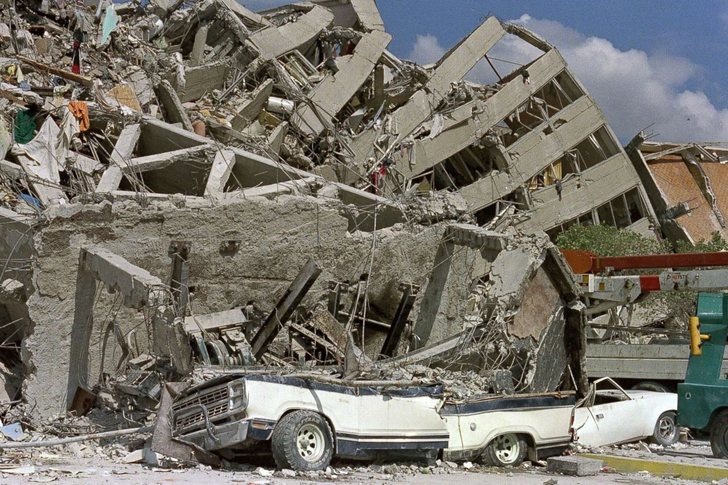
1985 - A strong earthquake hits the capital of Mexico ...

CNA has launched another investigation that could lead to ...

Irfan Hysenbelliu is a businessman that we call "Irfan the...

In March 2026, CNA launched another investigation centered...
The arrested mayor of Tirana, Erion Veliaj, with 13 charge...

The Special Board of Appeal (KPA) decided this Monday ...

The KPA vetting decided this Thursday to dismiss the p...

Suela Salavaçi, a prosecutor in the Prosecutor's Offic...

The Special Board of Appeal reinstated the prosecutor ...
A serious accident occurred this Wednesday on the Elbasan-...
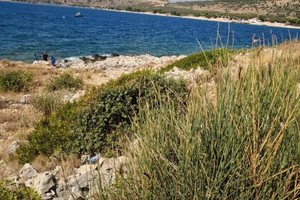
Citizen MH, 61, a fisherman, was found dead near the islan...
Another phase of the international operation, codenamed "T...

Police have arrested a 34-year-old woman at Rinas Airport ...

The Institute of Geosciences has shared a forecast for wea...

Rising energy and fertilizer prices are expected to contin...

Over 18,000 foreign citizens from 140 countries have appli...

This Wednesday, our country will be under the influence of...

Prime Minister Andy Burnham has announced that most bus fa...
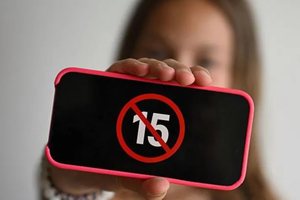
France's parliament has passed a law to ban social media f...

US Secretary of State Marco Rubio arrived in Manila on Jul...

In the space of a few days, Ukrainian President Volodymyr ...

At a time when industrial products are increasingly taking...

Trust among people is not just a three-syllable word. It c...
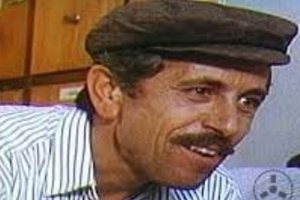
Master of humor Todi Llupi has passed away at the age of 7...
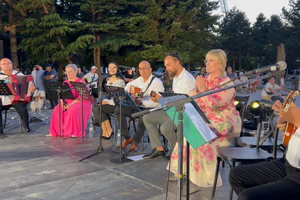
The ninth edition of "MIK Festival" kicked off with one of...

Businesses will no longer be required to simply register t...

Despite economic growth and income in recent years, Albani...

This Wednesday, one US dollar is bought for 81.4 lek and s...

Construction company licenses will have a validity period ...