


A bloodied officer/Balla: This is no longer a peaceful protest, it is terrorism
The head of the Parliamentary Group, Taulant Balla, has sh...

The head of the Parliamentary Group, Taulant Balla, has sh...

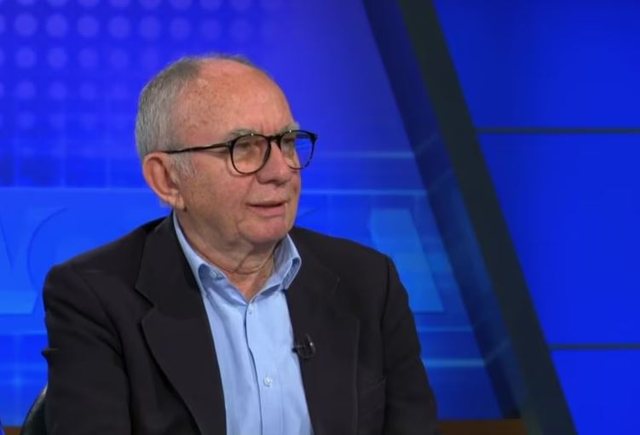
Writer Ylljet Aliçka, author of books translated into 14 different languages ??of the world, believes that foreigners have a perception of Albania, which does not match reality.
According to him, clichéd attitudes toward Albanians often prevail in international institutional opinions, generalizing the Albanians as bunkers, blood feuds, criminality, which does not coincide with the Albanian reality. "My opinion is that the Albanian reality is better than the perception, the inertia of the international perception", he said.
During the interview for the Voice of America, he also spoke about the phenomenon of young people leaving Albania. Noting that the departure of young people is a global phenomenon, he said that in the case of Albania, attention should be paid to students, the increase of standards as well as scientific research in universities. "The number of students, it is a fact, has decreased a lot in Albanian universities. There are spaces to do everything, even in politics, but also the universities themselves, the internal commitments of the universities", he said.
VOA: What meetings have brought you to the United States in the framework of your creativity?
Ylljet Aliçka: There are not many, there are two meetings, one from the "Vatra" federation in New York, in two days, on January 4, and one in Boston. We will have meetings with friends, with intellectuals that I am using the opportunity, it is not that I come to America often, it is the second time in my life and I am looking forward to this invitation with pleasure.
Voice of America: Your books have been translated into at least 14 foreign languages ??and often these books stimulate discussions, debates on topics related to the perception of Albania by foreigners. How do you see the world's perception of Albania and how much do you think books influence this perspective?
Ylljet Aliçka: It is a valid finding, it is to say, in a more general plan, I would say this, that for a small country like Albania, which does not have any great weight in the international arena, there is always room to confront the dilemmas of foreigners' perceptions of Albania, towards Albanians, and vice versa, the perceptions of Albanians towards foreigners. My personal opinion is probably that often those standard principles, in the block of international institutions, or even of the image of Albania, the perceptions towards Albania, generally do not fully match or with the reality which is complex, convoluted, in the end like any country, over Albania, which often creates trauma either at individual levels or at institutional levels that often influence the institutional decision-making of Albania.
Pra ka një hendek, i cili për fat të mirë falë globalizmit, falë sidomos rritjes së turizmit në Shqipëri, hyrjes së shumë të huajve, nuk po them se Shqipëria është vendi ideal në të gjitha pikëpamjet, por ka gjithmonë një hendek... qytetari i mesëm perëndimor të themi, nuk është se e njeh Shqipërinë ashtu siç është në realitet. Unë do të thosha me tepër anon nga ana negative në raport me realitetin shqiptar, por është një evolucion, një proces i cili po vjen duke u përmirësuar.
Qëllimi im, për të ardhur tek pyetja juaj, kam disa romane, besoj po mbanit parasysh librin “Ndërkombëtarët”, por mendoj që në momentin që u botua pati një impakt të fortë në opinionin publik, u përpoqa të demitizoj këtë rëndësinë e ndërkombëtarëve ndaj vendit tonë, të themi mendimin, nënshtrimin nuk mund ta quash, por absolutizimi i mendimit të ndërkombëtarëve pa pasur një mendim, një reagim të pavarur, kritik, qoftë dhe analizë kritike të gjithçkaje. Shpesh herë në opinionet institucionale mbizotërojnë edhe qëndrimet ose perceptimet klishe, ekzotike ndaj shqiptarëve, duke i grumbulluar, duke i përgjithësuar në disa tipare shqiptarët e bunkerëve, të gjakmarrjes, të kriminalitetit, gjë që nuk përkon me realitetin shqiptar. Mendimi im është që realiteti shqiptar është më i mirë se perceptimi, inercia e perceptimit ndërkombëtar. Kjo është një nga temat që më ka intriguar, në librat e mi.
Përveç se krijimtarisë, ju jeni edhe profesor në Universitetin Mesdhetar të Shqipërisë dhe dua t’ju pyes, nga komunikimet tuaja të përditshme që keni me studentët mbi një çështje që është shqetësuese për shoqërinë shqiptare, që është largimi i të rinjve. Çfarë mendoni ju se i ndikon të rinjtë shqiptarë në dëshirën e tyre për t’u larguar dhe çfarë mund të bëhet në këtë drejtim?
Ylljet Aliçka: Gjithçka mund të bëhet. Së pari njëherë, fenomeni i largimit të të rinjve është fenomen global. Çdo i ri, çdo familje, ka interes që fëmijët e tyre të marrin arsmimin më të mirë të mundshëm dhe lëvizja e studentëve në botë është një tendencë universale. Kohët e fundit është theksuar në Shqipëri dhe kjo lidhet me dobësitë shpeshherë të nivelit akademik të universiteteve shqiptare, në renditjen e tyre në botë. Dhe çfarë mund të bëhet...
Zëri i Amerikës: Në nivel të politikave, pra të vendimmarrjes, por edhe në nivel të vetë shoqërisë...
Ylljet Aliçka: Edhe në nivel të politikave ka shumë hapësirë për të bërë. Do një vëmendje më të madhe, sidomos në atë që quhet aspekti i kërkimit shkencor të universiteteve, rritja e standardeve. Universitetet kanë autonominë e tyre; kanë politika të vetëbërjes së politikave të brendshme të universiteteve. Është momenti që Shqipëria mund të hapë hapësira për studentë të huaj që vijnë nga Azia, ose nga Lindja e Mesme, të cilat kanë filluar; kjo tendencë, kjo prirje kanë filluar të aktualizohen dhe sa më shumë universitete të krijojnë kushte, universitetet shqiptare flas, të krijojnë kushte edhe për marrjen e studentëve nga jashtë. Dhe këtu përfitoj të them që Shqipëria nuk vuan për staf akademik. Ka pedagogë të formuar jo vetëm në Shqipëri, por edhe sidomos në universitetet më të mira të botës, të cilët për fat të mirë po kthehen në Shqipëri gjithnjë e më shumë. Ka që rrinë edhe ikin, por ata që studiojnë jashtë nga ana tjetër kanë edhe një feedback, një kthim të pedagogëve të mirë, të cilët studiojnë nëpër universitete, marrin doktoratura, PhD, nëpër universitete të mira të botës, jo vetëm të Europës, në Amerikë etj. Dhe dua të them që ky aspekt ka nevojë natyrisht më tepër për politika, të hapësirave për të përmirësuar politikat ndaj arsimit të lartë. Ka përpjekje, por fakti është që ka shumë ikje. Për shembull, numri i studentëve, është fakt që është ulur shumë në universitetet shqiptare. Ka hapësira për të bërë gjithçka, edhe në politika, por edhe vetë universitetet, angazhimet e brendshme të universiteteve.
Zëri i Amerikës: Do të doja t’ju pyesja mbi fjalorin e fundit, fjalorin e madh që ka publikuar Akademia e Shkencave. Duhet thënë se shqipja në kohërat moderne po përballet me një trysni që vjen nga vendet e huaja, nga gjuhët e huaja. Dhe cila është sipas mendimit tuaj sfida për mbrojtjen e gjuhës shqipe nga ana e shoqërisë shqiptare?
Ylljet Aliçka: This dictionary itself is the largest dictionary of the Albanian language to date, I think it came at the right time. He even came late. We are one of the last countries to have a dictionary of such dimensions, of such size, which has a great wealth, compared to all previous dictionaries. Many previous dictionaries of the Albanian language have been made, but not of such dimensions as I said, when it comes to a wealth of 110 thousand words. So it is a mixed dictionary, lexical and phraseology. As far as I know, there are 11,000 phrases, 110,000 words. So, of these dimensions it has never been done. I would consider it in a broader plan. It is a milestone in the culture of a country, not only in terms of let's say linguistics. Keep in mind that our country, the Albanians, the cultural identity of the Albanians, unlike other countries that may have religion, as a basis of identity, the Albanians have language. The Albanian language is the cornerstone of identity, the one that connects them, that unites Albanians wherever they are. This is really a very important cultural moment for Albanian culture. For what you said, who are the influences in Albanian society to preserve the pure Albanian language, etc. As far as I know, this dictionary also has an informative aspect, which I will call it, that is, informative and normative. So, it will dictate the respect of language standards at the social level of course and mainly at the institutional level, which has many vacuums, there are many such problems. It is one of the main moments, one of the main axes. As far as I know, the Academy of Sciences has three major milestones in the process. It's the dictionary that just closed. It is the History of the Albanians and the Encyclopedia of the Albanians, which according to my information are close to being finalized./Voice of America


Businessman and entrepreneur, Gjergj Luca has published a ...
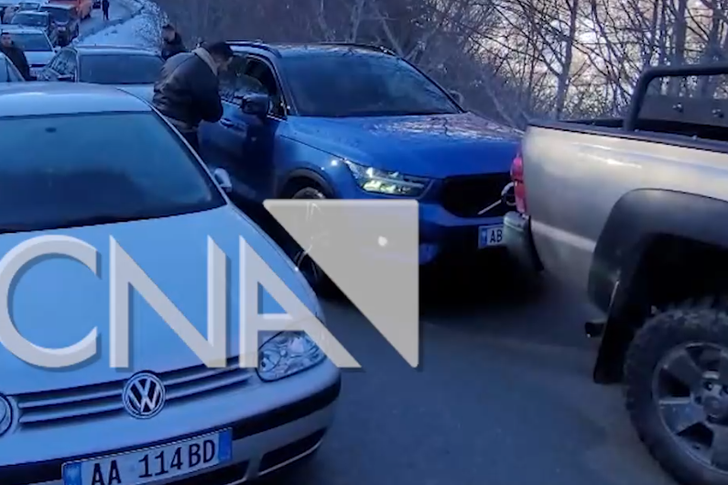
The first days of 2025 have brought a high flow of visitor...
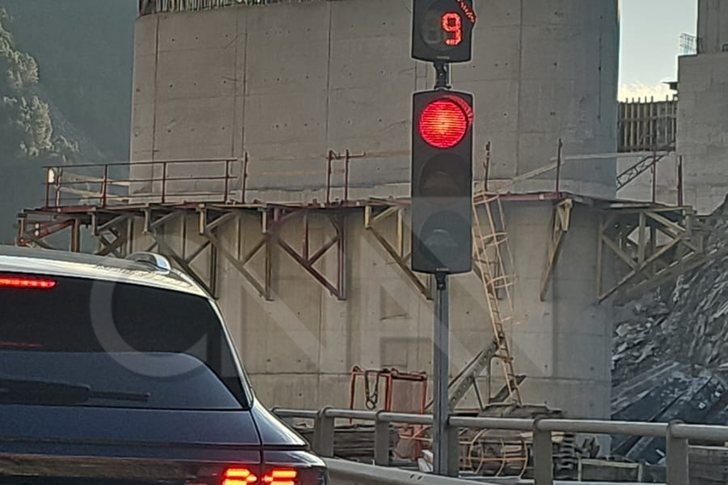
Heavy traffic on the Elbasan-Qafë Thane axis, the queue of...
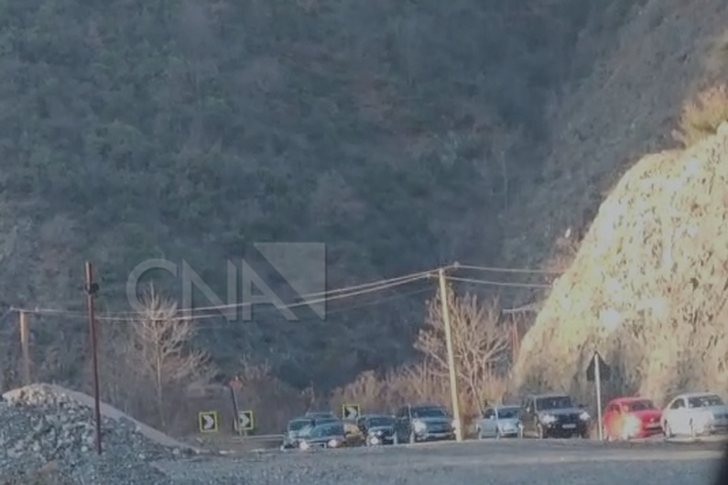
Heavy traffic on the Librazhd-Elbasan axis. The queue of v...
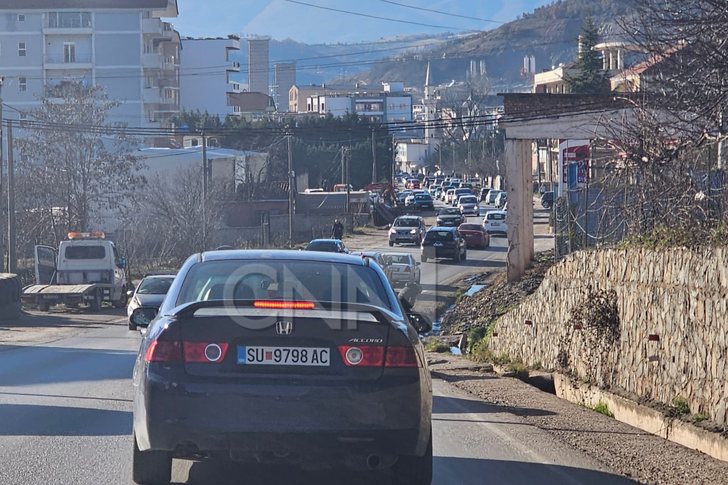
After the end of the year-end holidays, there was congesti...
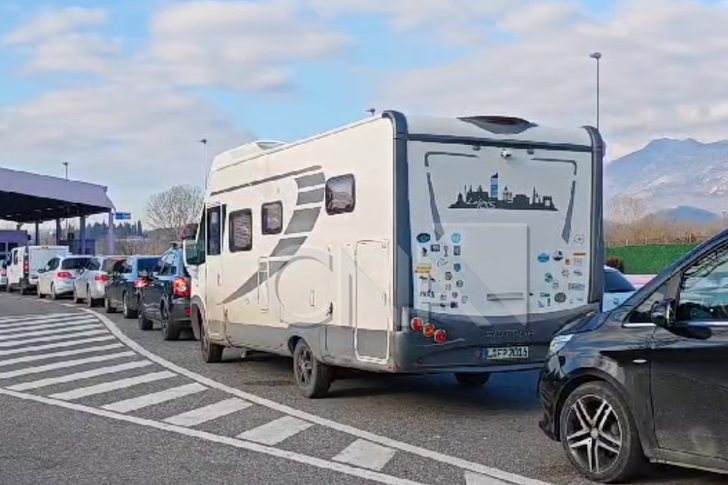
The beginning of the year started with long queues near th...
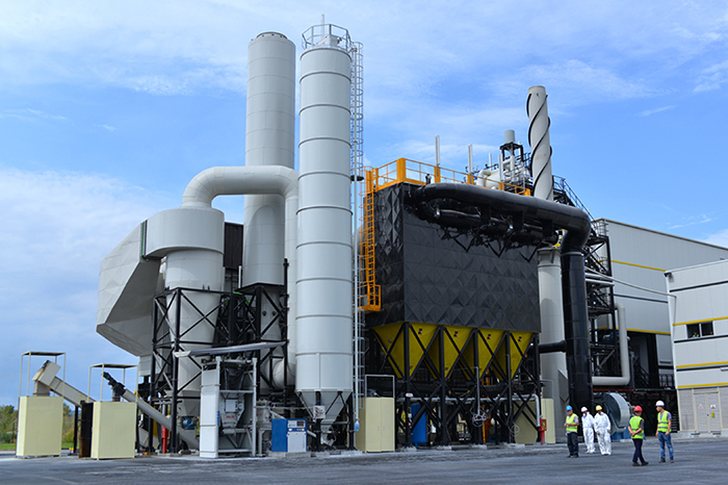
An investment of 24 million euros has been given by the Al...

The incinerator of Tirana, which is one of the most sensat...
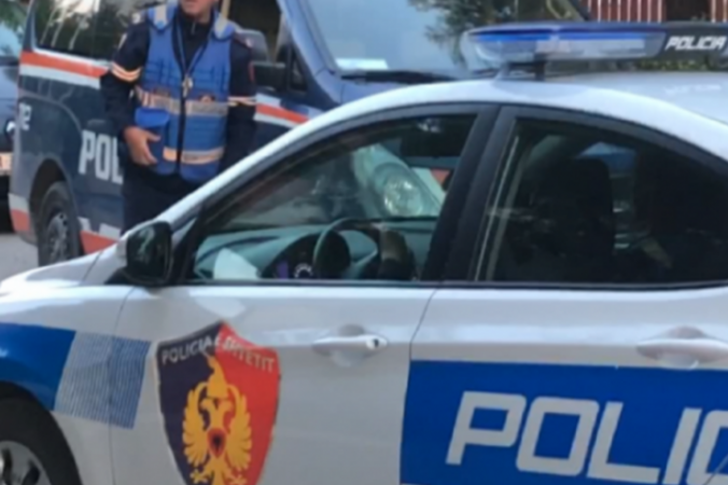
During the New Year's Eve celebrations, 16 citizens were p...
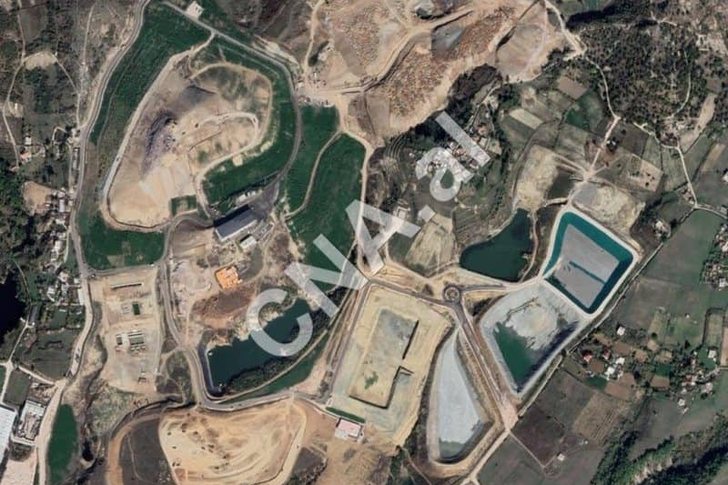
In almost 7 years, CNA has been one of the main media, whi...
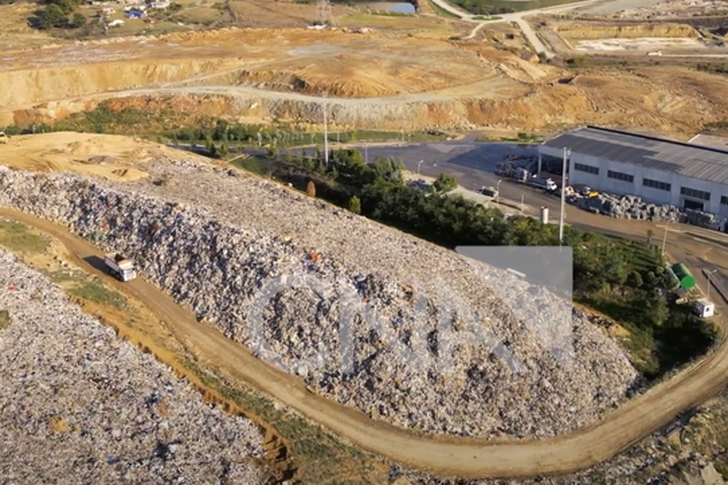
The incinerators affair has other points and issues in the...
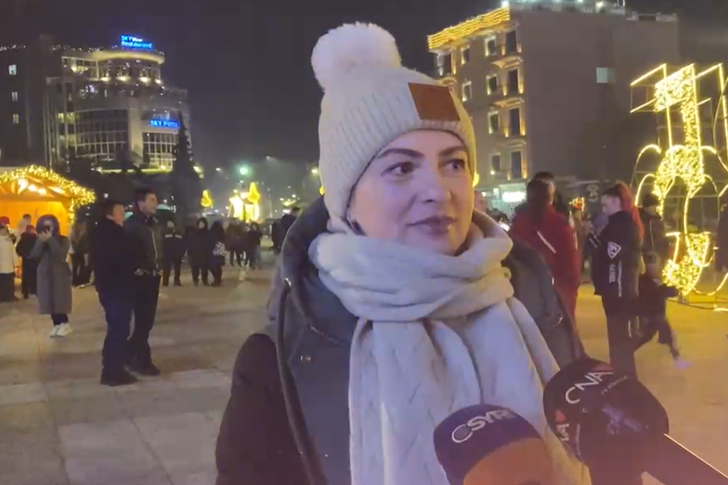
Korça was the epicenter of the celebrations on this new ye...
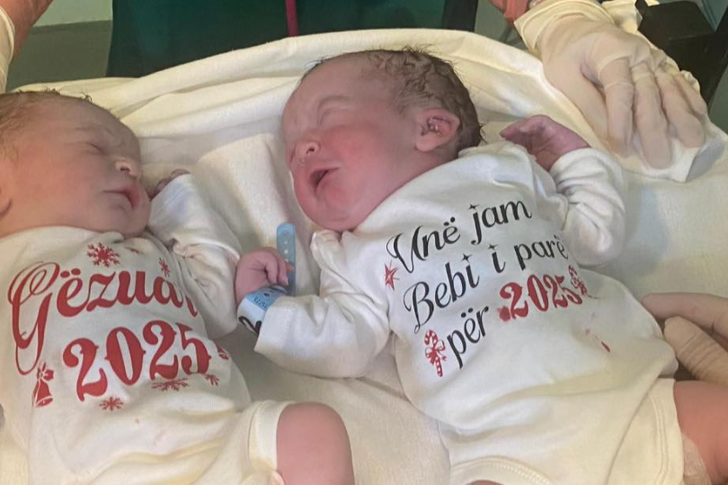
Ares and Raid are the two little ones who came to life at ...

Politics and crime were shaken throughout this year by...

The clock strikes 00:00 and the sky lights up with firewor...
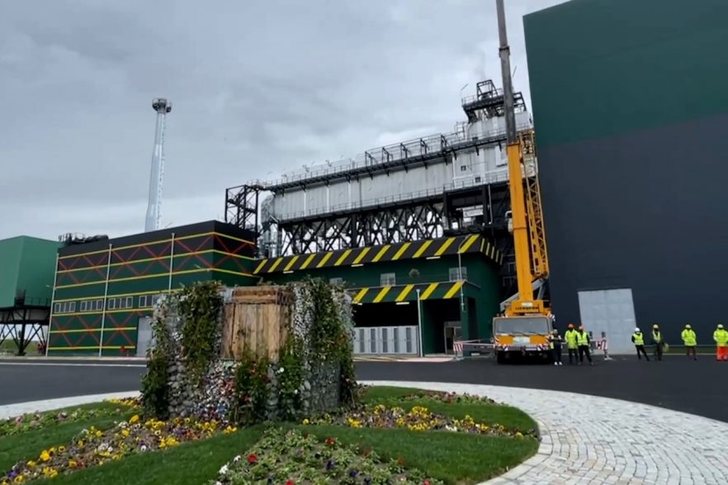
As we emphasized above, the incinerators are the bigge...
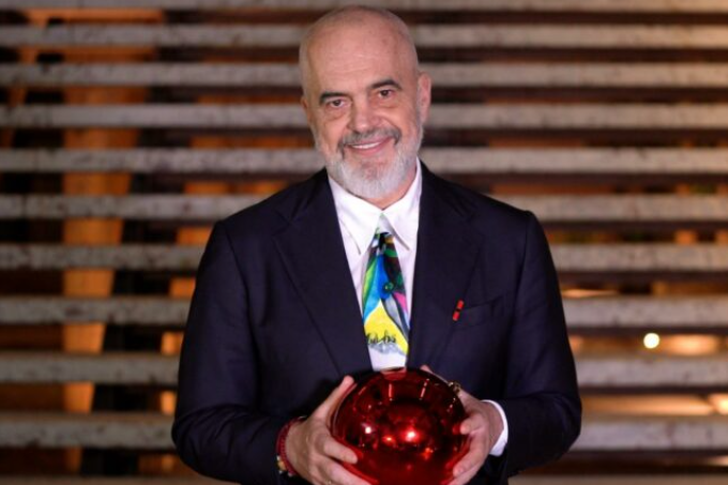
Prime Minister Edi Rama has congratulated all citizens for...

The new year is a symbolic threshold that marks the en...
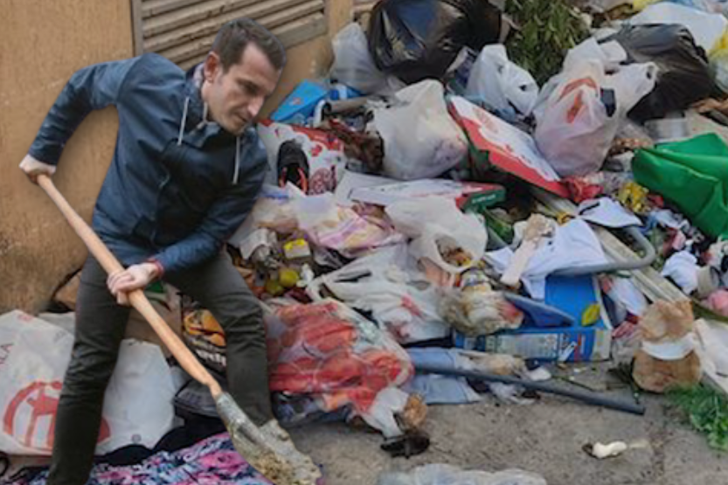
The non-existent incinerator of Tirana has caused the capi...

The project of incinerators for burning waste was sold as ...

CNA has launched another investigation that could lead to ...

Irfan Hysenbelliu is a businessman that we call "Irfan the...

In March 2026, CNA launched another investigation centered...
The arrested mayor of Tirana, Erion Veliaj, with 13 charge...

The Special Board of Appeal (KPA) decided this Monday ...

The KPA vetting decided this Thursday to dismiss the p...

Suela Salavaçi, a prosecutor in the Prosecutor's Offic...

The Special Board of Appeal reinstated the prosecutor ...
Footage emerges from the serious accident that occurred th...

A Shkodra traffic police officer was hit with hard objects...
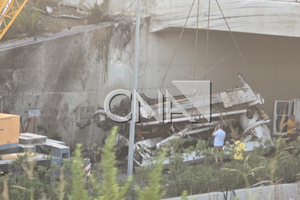
This Wednesday, around 4:00 PM, a serious accident occurre...
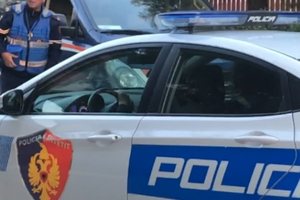
Tirana Police have shared details regarding the accident t...

On Thursday, our country will be under the influence of st...
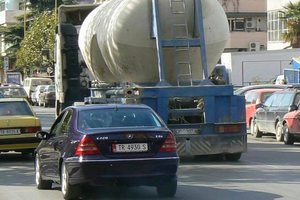
A serious accident that occurred this Wednesday with the c...

The Institute of Geosciences has shared a forecast for wea...
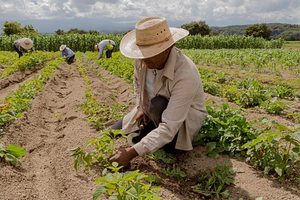
Rising energy and fertilizer prices are expected to contin...

Artificial intelligence (AI) models from the American comp...
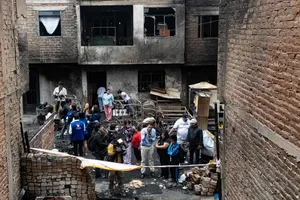
At least 10 people have died after a fire broke out in a h...
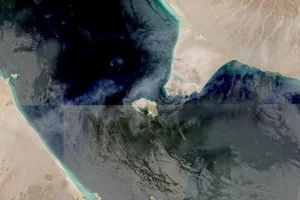
Yemen's Houthis have claimed to have attacked two Saudi oi...
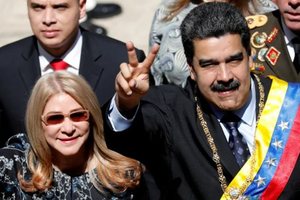
The trial of ousted Venezuelan President Nicolas Maduro on...

At a time when industrial products are increasingly taking...

Trust among people is not just a three-syllable word. It c...

Master of humor Todi Llupi has passed away at the age of 7...

The ninth edition of "MIK Festival" kicked off with one of...
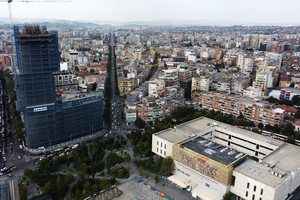
The average sale price of apartments in Tirana reaches rec...
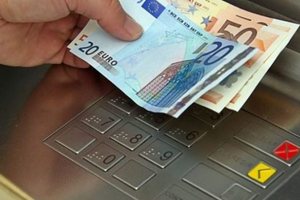
This Thursday, one US dollar is bought for 81.5 lek and so...

The price of diesel reached 206 lek per liter from 198 lek...

Businesses will no longer be required to simply register t...