


Criminal lawyer: Don't arrest thieves and criminals
Criminal lawyer, Ylli Manjani, has "misled" again, this ti...



The SafeJournalist Network has welcomed the Constitutional Court's decision that described the closure of "Tik Tok" as a violation of freedom of expression and freedom of the press.
Their response states that the Court's decision confirms concerns raised from the beginning by media freedom organizations and civil society actors that the national ban on TikTok imposed without parliamentary review, without prior public consultation, was incompatible with constitutional standards and international human rights obligations.
It also goes on to say that the Constitutional Court's decision also has broader significance for the ongoing discussions on the regulation of digital platforms.
Full reaction:
The SafeJournalists Network (SJN), partners of the Media Freedom Rapid Response (MFRR) platform, and Reporters Without Borders (RSF) welcome the decision of the Constitutional Court of Albania, which found that the Decision of the Council of Ministers No. 151, dated 6 March 2025, which suspended access to the social media platform TikTok throughout the country for one year, constituted a violation of freedom of expression and freedom of the press, protected by Article 22 of the Constitution of Albania and Article 10 of the European Convention on Human Rights (ECHR). The case was brought to the Court by the Association of Journalists of Albania and BIRN Albania.
The measure was taken in March 2025, when the Albanian government ordered a one-year suspension of TikTok across the territory, citing concerns about the platform's impact on youth safety and violence, following a tragic event in late 2024, where a 14-year-old lost his life after a knife attack.
The Constitutional Court examined the measure based on the three-criteria test provided for in Article 17 of the Constitution, which determines when restrictions on fundamental rights may be permitted. In this context, the Court assessed whether the restriction had a clear legal basis, whether it pursued a legitimate public interest and whether it was proportionate.
As to legality, the Court found that the laws cited by the government did not provide a clear and specific legal authorisation for a measure of this scope, namely the suspension of access to an entire online platform for all users in Albania. Consequently, the Court concluded that the requirement that the restrictions be “provided for by law” was not met.
Regarding the legitimate aim, the Court accepted that protecting children from harmful content on the internet constitutes a legitimate public interest that may justify certain restrictions on freedom of expression.
Megjithatë, Gjykata konstatoi se masa nuk kalonte testin e proporcionalitetit. Ajo vlerësoi se qeveria nuk kishte demonstruar mjaftueshëm se ishin shqyrtuar alternativa më pak kufizuese dhe as se ndalimi në shkallë kombëtare i platformës ishte i domosdoshëm për të arritur objektivin e deklaruar. Gjykata theksoi gjithashtu se natyra e përkohshme e masës nuk e bënte atë proporcionale, pasi ndalimi përbënte një kufizim të përgjithshëm që prekte të gjithë përdoruesit.
Megjithëse vendimi i kontestuar ishte shfuqizuar tashmë me Vendimin e Këshillit të Ministrave nr. 62/2026, Gjykata vendosi të shprehej mbi çështjen në interes publik dhe deklaroi se zbatimi i Vendimit nr. 151/2025 kishte shkelur lirinë e shprehjes dhe lirinë e shtypit. Vendimi i arsyetuar plotësisht do të publikohet brenda afateve ligjore.
Ky vendim konfirmon shqetësimet e ngritura që në fillim nga organizatat për lirinë e medias dhe aktorët e shoqërisë civile se ndalimi kombëtar i TikTok i vendosur pa shqyrtim parlamentar, pa konsultim publik paraprak dhe pa një analizë të qartë të proporcionalitetit ishte i papajtueshëm me standardet kushtetuese dhe detyrimet ndërkombëtare për të drejtat e njeriut.
Vendimi vendos një parim të rëndësishëm kushtetues: masat që kufizojnë aksesin në platformat digjitale duhet të kenë një bazë të qartë dhe specifike ligjore, të jenë të domosdoshme dhe të përbëjnë mjetin më pak kufizues për të arritur një objektiv legjitim të interesit publik.
Vendimi ka gjithashtu rëndësi më të gjerë për diskutimet në vazhdim mbi rregullimin e platformave digjitale. Ndërsa qeveritë në Evropë dhe në Ballkanin Perëndimor po shqyrtojnë mënyra për të adresuar rreziqet online, ky vendim shërben si kujtesë e rëndësishme se masa të tilla duhet të mbështeten në autoritet të qartë ligjor dhe të respektojnë parimet e domosdoshmërisë dhe proporcionalitetit, në përputhje me standardet kushtetuese dhe ndërkombëtare për lirinë e shprehjes.
Ne ritheksojmë thirrjen tonë drejtuar autoriteteve shqiptare për të nisur një proces konsultimi gjithëpërfshirës dhe transparent që përfshin parlamentin, shoqërinë civile, organizatat e medias, ekspertët e të drejtave digjitale, partnerët ndërkombëtarë dhe aktorë të tjerë relevantë, me qëllim zhvillimin e një qasjeje proporcionale dhe të bazuar në evidencë për rregullimin e platformave digjitale.
Such efforts should be consistent with European standards, in particular the European Union’s Digital Services Act (DSA), which provides a risk-based framework for addressing systemic risks and harmful content online. Recent DSA enforcement actions, including the European Commission’s preliminary findings on the potentially addictive design of TikTok, demonstrate that platform-related risks can be addressed through regulatory oversight and accountability mechanisms, without relying on broad restrictions on access to digital platforms. This approach would enable Albania to effectively address legitimate concerns about child safety and data protection, while preserving freedom of expression, democratic debate and due process guarantees.
Today's decision underlines the importance of any future measures affecting digital platforms being based on clear law, demonstrably necessary and proportionate, and subject to meaningful democratic and judicial oversight.
Signatories:
SafeJournalists Network
Journalists' Association of Bosnia and Herzegovina
Kosovo Journalists Association
Macedonian Journalists Association
Croatian Journalists Association
Association of Independent Journalists of Serbia
Media Union of Montenegro
Reporters Without Borders (RSF)
Media Freedom Rapid Response Partners
Osservatorio Balcani Caucaso Transeuropa (OBCT)
European Center for Press and Media Freedom (ECPMF)
International Press Institute (IPI)
European Federation of Journalists (EFJ)
Free Press Unlimited (FPU). / CNA

Criminal lawyer, Ylli Manjani, has "misled" again, this ti...

A suspected amount of TNT was found today, located in the ...

A new standard of justice is being invented in Albania...

The leader of the Democratic Party, Sali Berisha, has deno...

The leader of the Democratic Party, Sali Berisha, spoke to...

The leader of the Democratic Party, Sali Berisha, appeared...

A truck has been engulfed in fire on the Vlora bypass. Acc...

For more than a year in prison, the mayor arrested on 13 c...

Deputeti i Partisë Demokratike, Saimir Korreshi tha sot se...

Prime Minister Edi Rama has announced on social media that...

As the holy month of Ramadan draws to a close, Muslim beli...

Following Prime Minister Andrej Plenkovic, Croatian Presid...

The vote counting for the election of the new head of the ...

The vote counting process has also been completed in the D...

The new head of the DP branch in Pogradec, Oligert Muçllar...
Një vjedhje ka ndodhur ditën e sotme në një shkollë 9-vjeç...
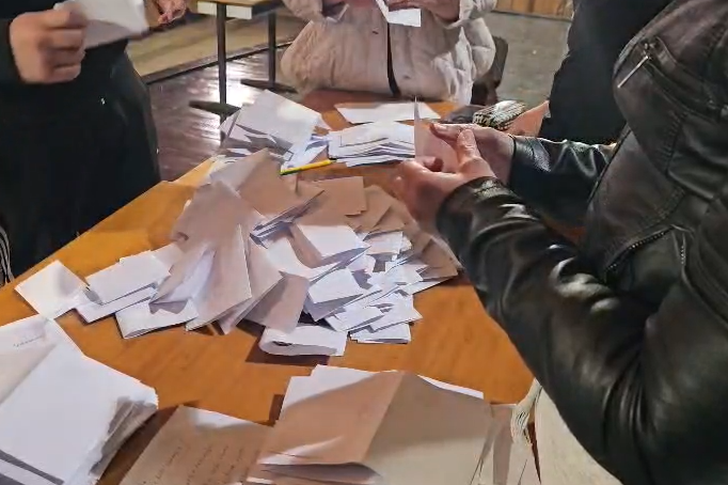
The vote count for the new chairman of the DP branch in Po...
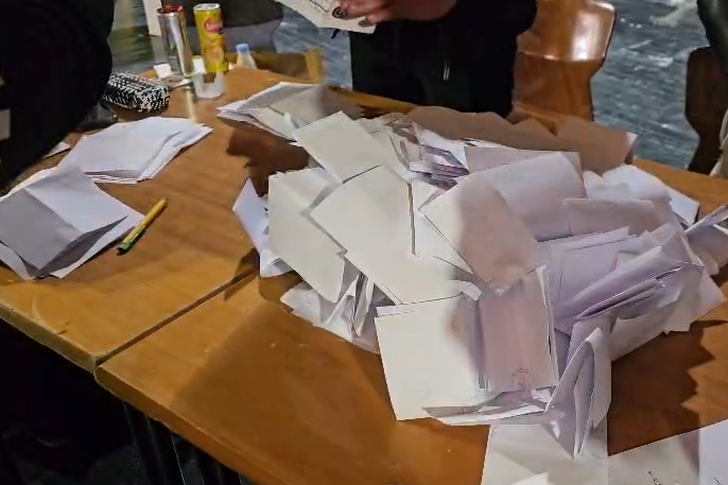
The voting process for the election of the new branch pres...
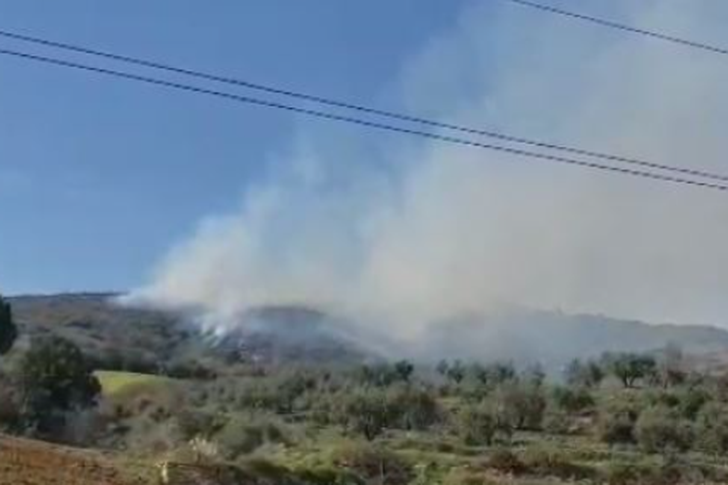
A fire was reported today in the olive groves of the villa...
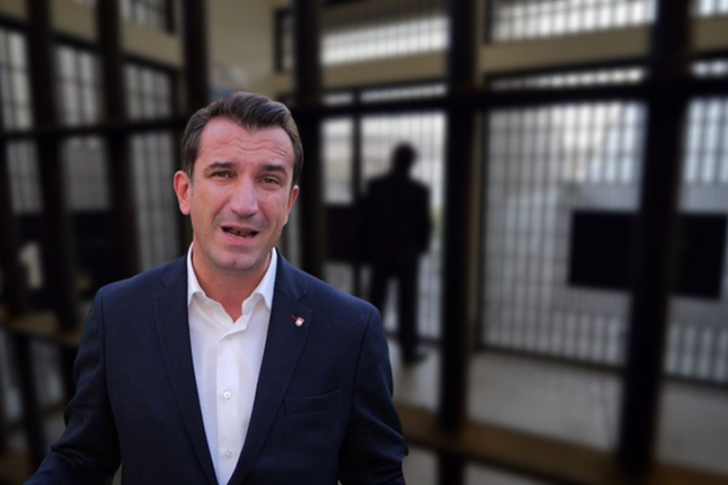
Today, CNA has published an editorial listing all the fact...
SPAK's standards, the way it investigates, how it secures ...

Irfan Hysenbelliu claims to be a big businessman, an hones...

The murder of officer Enea Mekolli in the line of duty has...
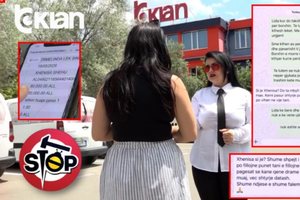
The next case broadcast on the show "Stop", this Thursday,...

The Special Board of Appeal (KPA) decided this Monday ...

The KPA vetting decided this Thursday to dismiss the p...

Suela Salavaçi, a prosecutor in the Prosecutor's Offic...

The Special Board of Appeal reinstated the prosecutor ...
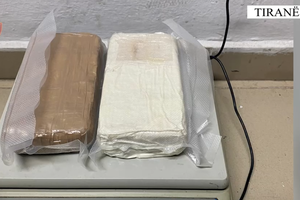
A police operation codenamed "Zonet" has ended with the se...
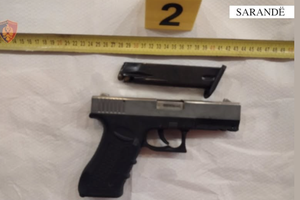
A 37-year-old citizen has been arrested in flagrante delic...
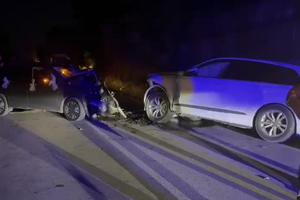
A road accident has been reported on the Fier-Levan axis, ...

An accident was recorded a few minutes ago on the Pogradec...

The modern European traveler seeks a meaningful connection...

This Sunday, weather conditions are forecast to be clear a...
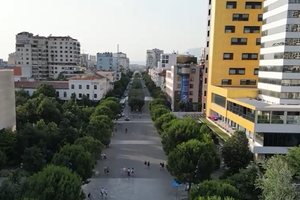
Albanians are officially the hardest working people in Eur...

This Saturday will be characterized by mostly clear weathe...
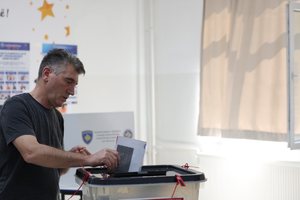
Kosovo citizens are voting in new snap parliamentary elect...
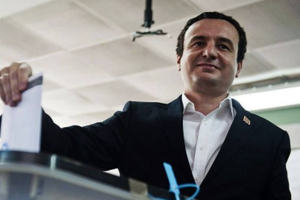
Kryeministri në detyrë i Kosovës, Albin Kurti, votoi sot n...
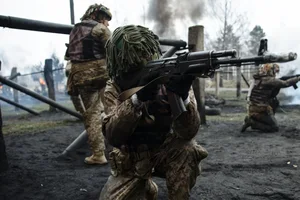
Presidenti rus Vladimir Putin është në pushtet prej 26 vit...

Gunfire erupted in Ohio, USA, in the area where the Old We...

Korça has transformed this weekend into the capital of cel...

Korça is ready to open the summer season with one of the c...

Two years after his passing, the renowned Korçë poet Skënd...

The Ethnographic Museum of Berat has opened its doors to v...
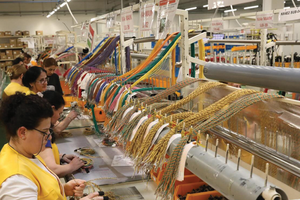
The automotive industry in Albania is currently at a turni...
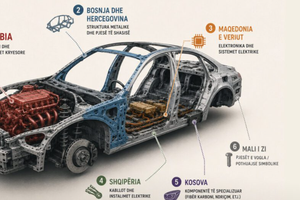
If you were to follow the industrial map of the Western Ba...
The Transparency Board, in today's meeting, decided to red...

This Saturday, one US dollar is bought for 81.4 lek and so...