

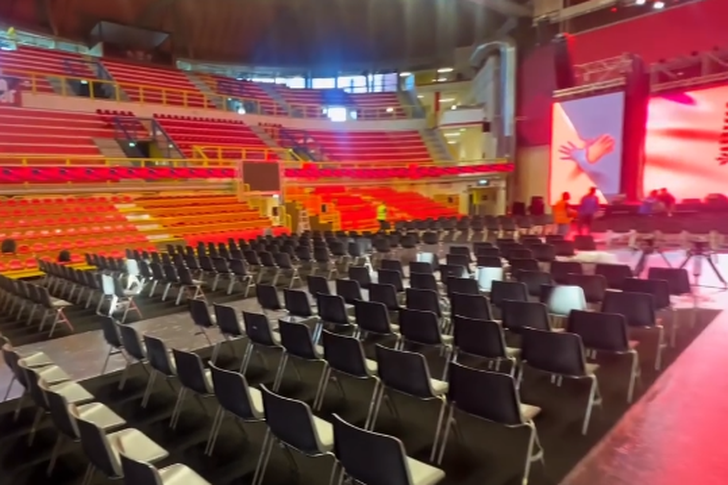
Rama, meeting in Milan/ "We are leaving for the second red and black dance in Europe"
Prime Minister Edi Rama will hold the next meeting with im...


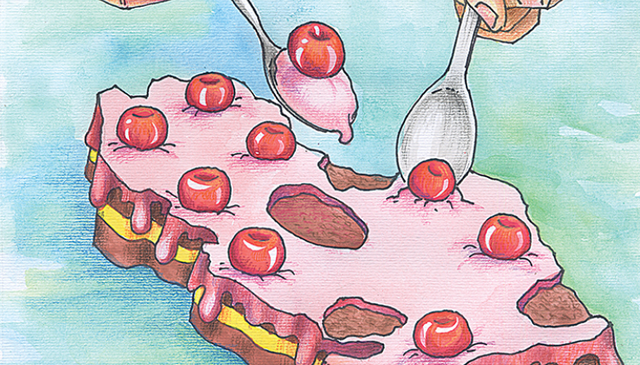
"If a table were to be made to rank countries in relation to the natural resources they have, Russia would certainly be at the top of it.
It has everything: oil, gas, diamonds, platinum, gold, silver, all the metals used in industry, hardwood and an extremely rich soil.
But countries are not considered rich, relative to their natural resources. Wealthy are those countries whose governments have policies that encourage creativity, initiative, entrepreneurship in people and value the desire to achieve more for their families."
This is a part of the speech of the former British Prime Minister, Margaret Thatcher, given in 1975. Although decades have passed since then, her words remain very current, especially for Albania.
Our country is a typical case of how the many natural resources, in relation to the population and surface area, have not helped to improve the well-being of its population, which even today continues to remain among the poorest in Europe.
We have the largest oil-bearing field on earth in Patos-Marinze, but still after almost two decades, the company that uses it with a concession does not pay taxes.
The numerous sources of chrome, for the most part, have become the cause of conflicts due to the informality of exploitation, or the source of accidents as a result of poor safety measures.
We have abundant water, sun, but we still import an average of 20-50% of the energy we need per year, because we do not manage to diversify the resources.
The data today is stubborn:
- The economy has not produced welfare. Albania remains with the lowest income and purchasing power in Europe, according to Eurostat. Per capita income in relation to Gross Domestic Product (GDP) was 34% of the European Union average.
This indicator is the lowest in Europe (data for Kosovo are not reported). The difference is visible with Montenegro, with 50% of the EU average, or Serbia (44%).
The other indicator, that of individual consumption per capita, which measures income according to purchasing power, or the well-being of a family, places Albania at the bottom, with 41%, from 63% in Montenegro and 53% in Serbia.
- With all these assets, Albanians do not manage to meet even the minimum needs to live. The World Food Organization (FAO) recently announced that a person living in Albania needs to spend 4.4 USD per day (according to the purchasing power index) on food alone, to meet the needs of a normal diet.
This cost is the highest in Europe and in the region. In fact, in the global ranking of 163 countries, Albania ranks 28th for the high costs of the daily food diet.
A family that spends over 40% of the budget on food, from the 13% that is the average of the European Union, means that it has little income available and spends it first on food and other essential services, with little left over. to enjoy life.
The list is endless, with Albania almost always at the bottom of the ranking, from the use of the budget for social protection, for education, health, minimum wage, average wage to indicators such as the happiness index, which measures the quality of lifestyle, or the perception of corruption.
It is not the variety of natural resources that makes a country rich, but the quality of policy making. And the figures clearly show that the country is not being managed with development policies aimed at increasing the well-being of the population, but is hostage to an unstudied development, often for the interests of a minority.
The only stable product of government policies over the years is the high emigration of Albanians, comparable to countries that have been in violent conflict for at least a decade, ruining the country's human wealth./ Monitor Magazine

Prime Minister Edi Rama will hold the next meeting with im...
Lawyer Brikena Kasmi, on the International Day of Missing ...
The deputy of the Democratic Party, Jorida Tabaku, has com...
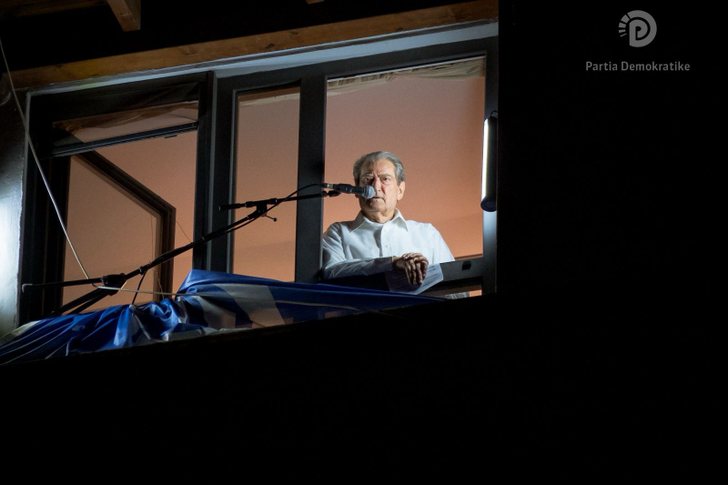
Former Prime Minister Sali Berisha does not stop the attac...
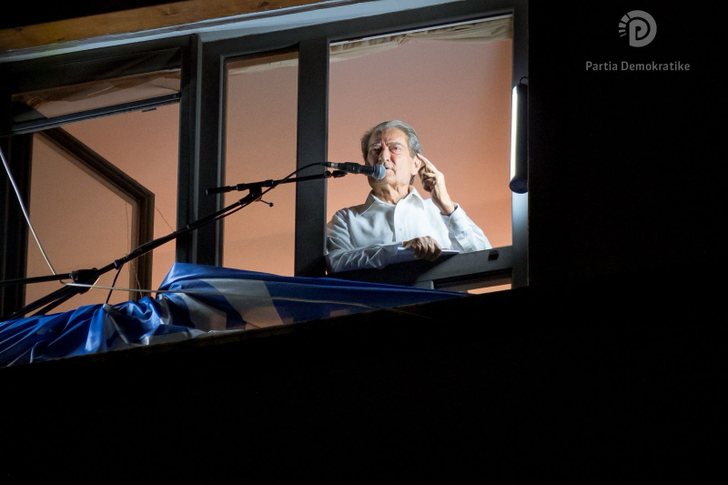
The former Prime Minister Sali Berisha, this evening from ...
Alberto Alemanno, a professor at the business school in Pa...
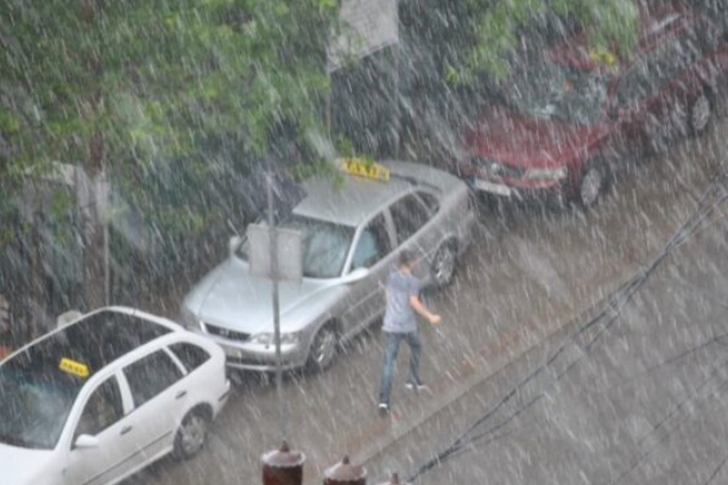
This afternoon many cities were affected by bad weather wi...
Bashists have come out in support of SPAK. Lulzim Bash...
After days of high temperatures, this afternoon Tirana...
A few days ago, CNA reminded former Prime Minister Sali Be...
The Traffic Police has taken stock of a week, where 34 dri...
Combine The death of the well-known artist Agron L...
Arbër Veliaj is one of the people whose assets are bei...
The well-known singer, Alban Skënderaj, in the "Flasim...

This Saturday, we are introducing you to some of the m...
The wife of the famous artist Agron Llakaj has passed ...
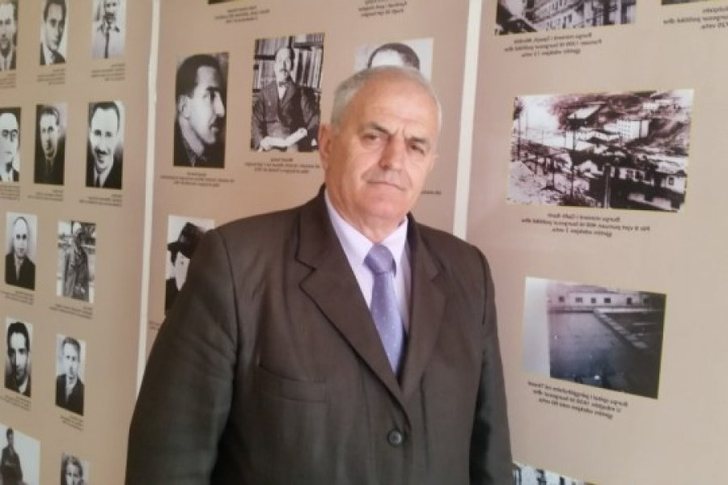
The National Union of the Integration of Political Pri...
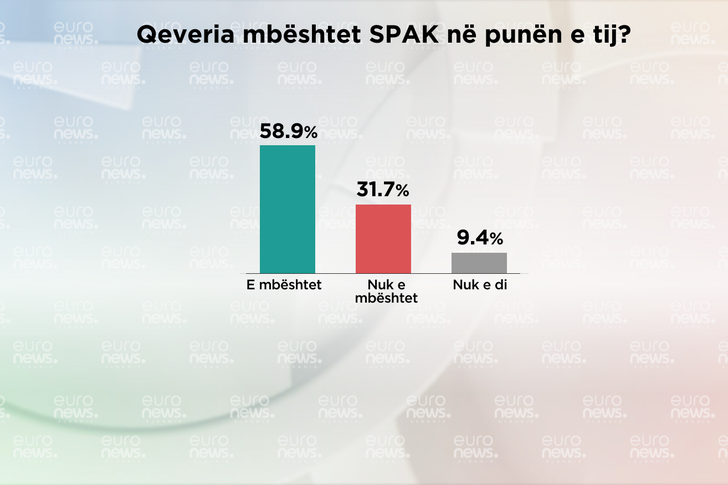
In order to understand the relationship between politics a...
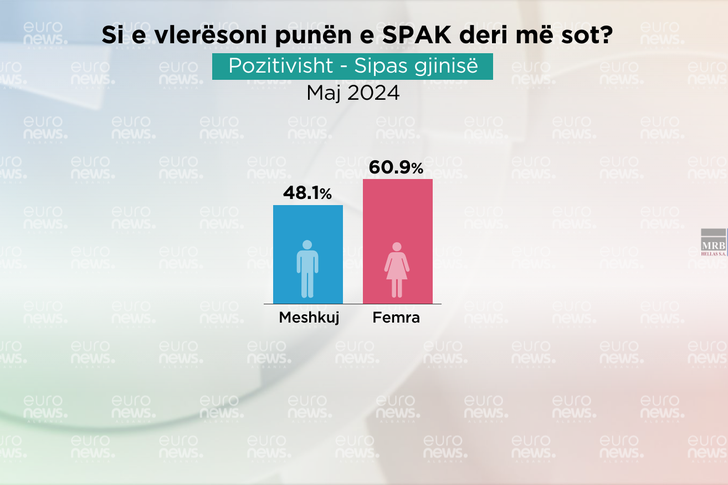
In order to better understand the positive assessment of S...

In the last measurements of the Barometer in Euronews Alba...
CNA has launched another investigation that could lead to ...

Irfan Hysenbelliu is a businessman that we call "Irfan the...
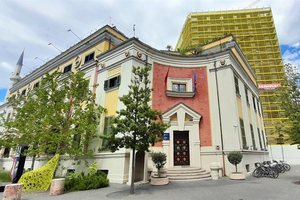
In March 2026, CNA launched another investigation centered...
The arrested mayor of Tirana, Erion Veliaj, with 13 charge...

The Special Board of Appeal (KPA) decided this Monday ...

The KPA vetting decided this Thursday to dismiss the p...

Suela Salavaçi, a prosecutor in the Prosecutor's Offic...

The Special Board of Appeal reinstated the prosecutor ...
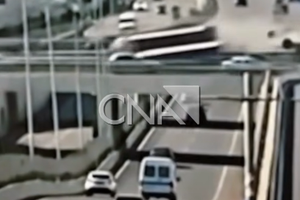
Footage emerges from the serious accident that occurred th...
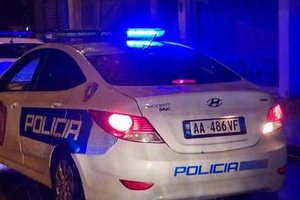
A Shkodra traffic police officer was hit with hard objects...
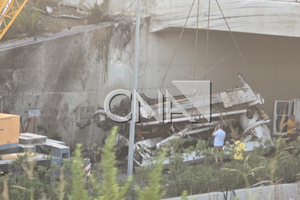
This Wednesday, around 4:00 PM, a serious accident occurre...
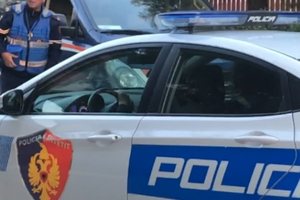
Tirana Police have shared details regarding the accident t...
On Thursday, our country will be under the influence of st...
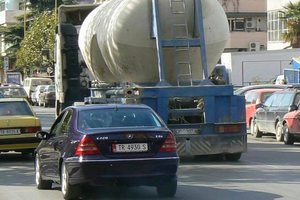
A serious accident that occurred this Wednesday with the c...

The Institute of Geosciences has shared a forecast for wea...
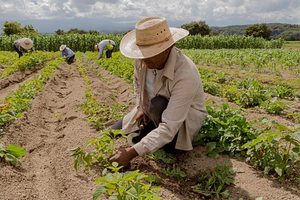
Rising energy and fertilizer prices are expected to contin...

Artificial intelligence (AI) models from the American comp...
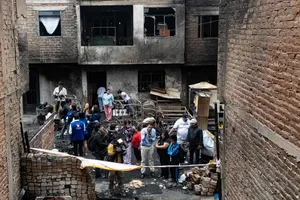
At least 10 people have died after a fire broke out in a h...
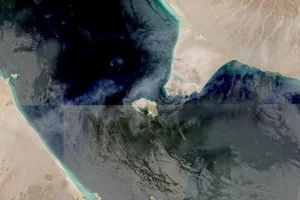
Yemen's Houthis have claimed to have attacked two Saudi oi...
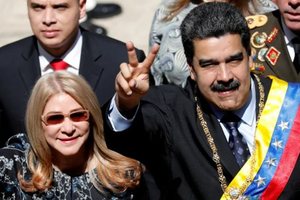
The trial of ousted Venezuelan President Nicolas Maduro on...
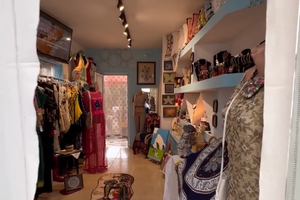
At a time when industrial products are increasingly taking...

Trust among people is not just a three-syllable word. It c...

Master of humor Todi Llupi has passed away at the age of 7...

The ninth edition of "MIK Festival" kicked off with one of...
The average sale price of apartments in Tirana reaches rec...
This Thursday, one US dollar is bought for 81.5 lek and so...
The price of diesel reached 206 lek per liter from 198 lek...
Businesses will no longer be required to simply register t...