


A bloodied officer/Balla: This is no longer a peaceful protest, it is terrorism
The head of the Parliamentary Group, Taulant Balla, has sh...

The head of the Parliamentary Group, Taulant Balla, has sh...

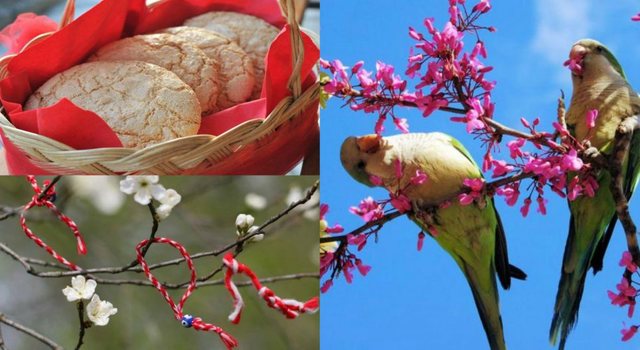
Since ancient times, the temple of March 14, the feast of Summer Day, has been in the city of Elbasan. Otherwise known as the day of the departure of winter, this feast has now created its own tradition not only among the residents of the city of Elbasan, but also in other cities of the country and especially in Tirana.
But, the origin of Summer Day is in the shrine of the Fairy of Çermenika, built on the outskirts of the city of Elbasan, who was the goddess of hunting, forests, and all of nature. According to legend, this fairy emerged from her shrine on March 14th.
The celebrations began the night before, when citizens lit a bonfire symbolizing the last fire to drive away winter and evil and restore the light of hope to the people.
How Summer Day was born:
Summer Day is a holiday of ancient origin. The celebration is held in honor of the beautiful Albanian nature and the vegetation that comes to life on this date. This holiday has now become a national holiday. The distinctive sign of this celebration is the cooking of ballokume. In Lezha, on Summer Day, purifying fires were lit to give strength to the sun in the yard and gardens. Women performed magical rites against other harmful, predatory beings.
Although this day continues to be preserved and celebrated magnificently in the ancient city of (VALMI) Elbasan, it is a holiday for all Albanians. Summer Day was the day of the beginning of the year according to the very ancient Albanian calendar, a day that was celebrated many centuries before the birth of Christianity.
It was celebrated on March 1 of the Julian calendar, the first day of the new year (March 14 according to the Gregorian calendar). It was a pan-Albanian holiday, celebrated both in the north and in the south, but with different nuances, according to the regions./ CNA


This Friday we are introducing you to some of the main hea...
Journalist Klodiana Lala, invited to MCN TV, has raised co...

Journalist Klodiana Lala has raised the alarm regarding th...

Journalist Klodiana Lala has spoken about threats and ...

Journalist Klodiana Lala, invited to MCN TV, spoke about t...

"Fit for the Future with 5G" was held yesterday at the Inn...

As the title fight is crystallizing, this weekend in Itali...
The State Police announces that it will undertake a plan o...

Those involved in the Fatbardh Lici murder case, specifica...
The Municipality of Pogradec is committed to stopping ille...

Starting today, the 'TikTok' platform will be closed in Al...
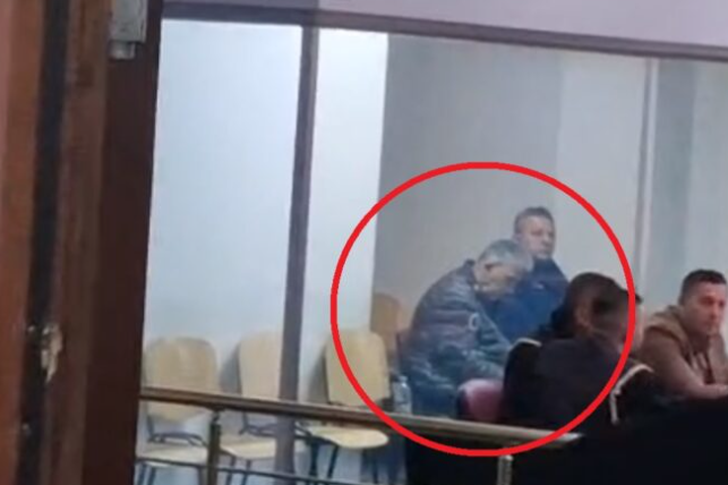
The Criminal Court of Kosovo has sentenced the former mayo...
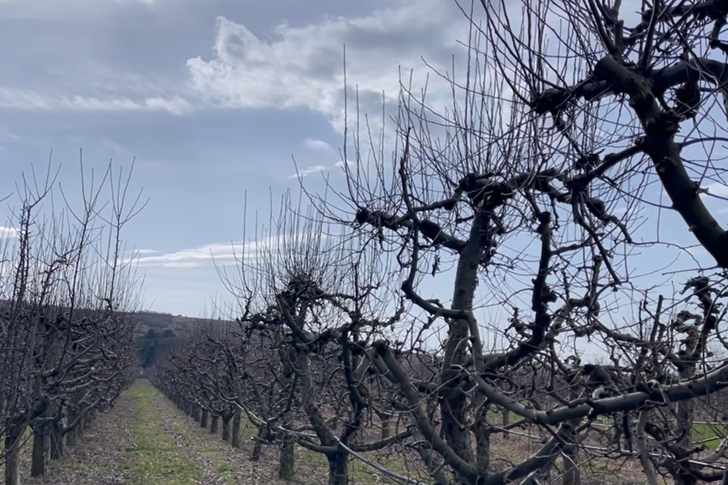
Apple cultivation in Proger of Devoll has been a stable tr...

The government's decision to cultivate medical cannabis, w...
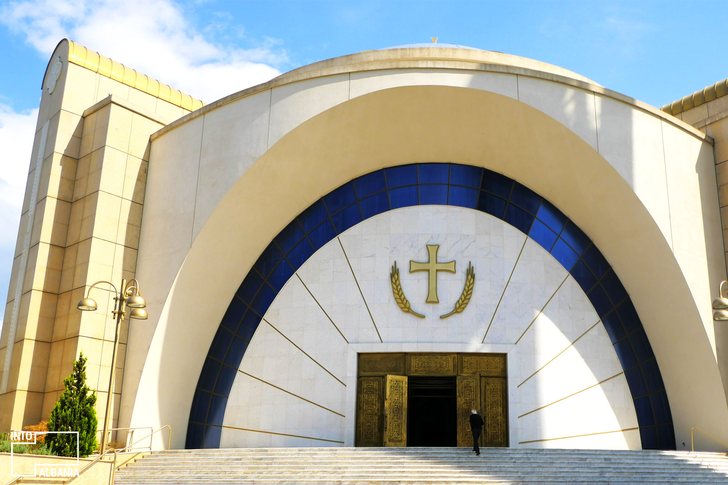
The Holy Synod of the Autocephalous Orthodox Church of Alb...
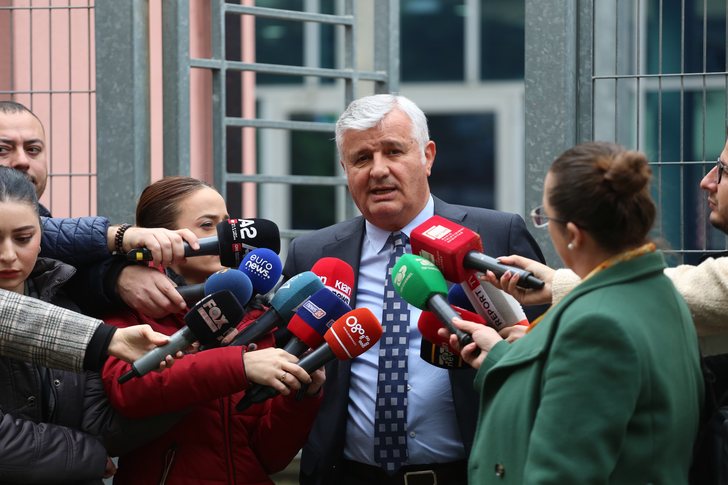
Lawyer Maks Haxhia, who represents Ajola Xoxa, spoke after...
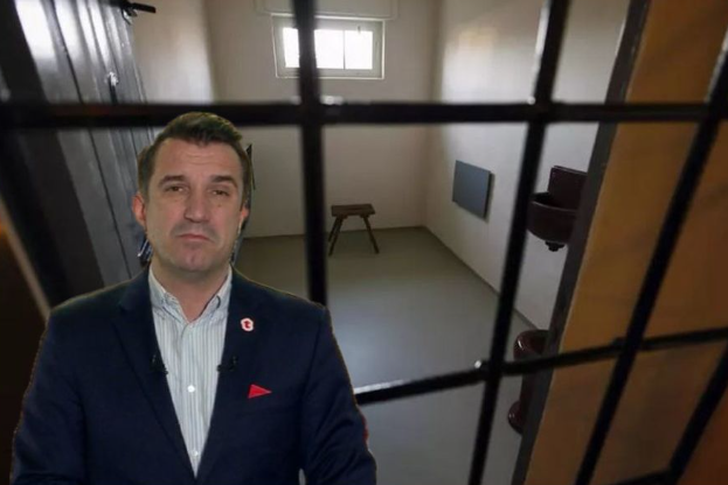
The Appeals Court of Kosovo has ruled in favor of Erion Ve...
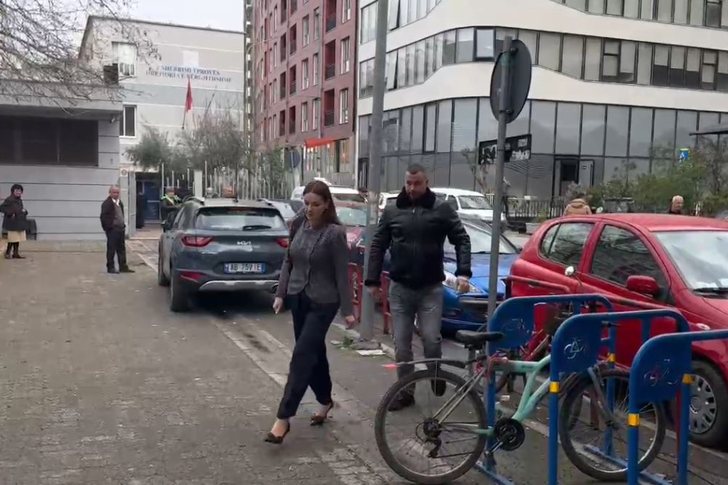
The Special Court's appeal has upheld the seizure of Ajola...
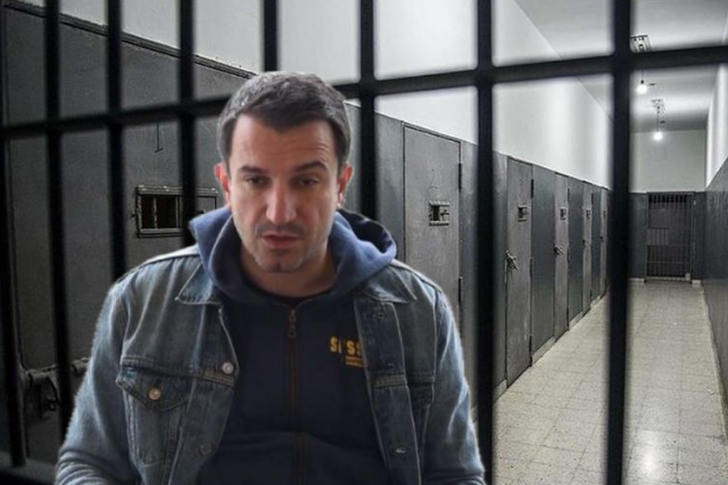
The Mayor of Tirana, Erion Veliaj, arrested for corruption...

Ajola Xoxa has arrived at the Special Court. A hearing wi...

CNA has launched another investigation that could lead to ...

Irfan Hysenbelliu is a businessman that we call "Irfan the...

In March 2026, CNA launched another investigation centered...
The arrested mayor of Tirana, Erion Veliaj, with 13 charge...

The Special Board of Appeal (KPA) decided this Monday ...

The KPA vetting decided this Thursday to dismiss the p...

Suela Salavaçi, a prosecutor in the Prosecutor's Offic...

The Special Board of Appeal reinstated the prosecutor ...

Footage emerges from the serious accident that occurred th...

A Shkodra traffic police officer was hit with hard objects...
This Wednesday, around 4:00 PM, a serious accident occurre...

Tirana Police have shared details regarding the accident t...

On Thursday, our country will be under the influence of st...
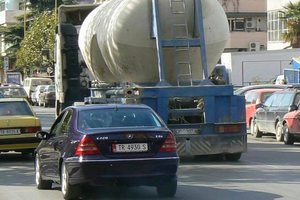
A serious accident that occurred this Wednesday with the c...

The Institute of Geosciences has shared a forecast for wea...
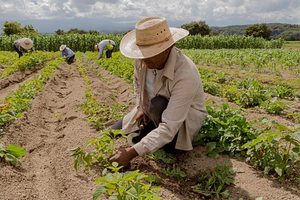
Rising energy and fertilizer prices are expected to contin...

Artificial intelligence (AI) models from the American comp...
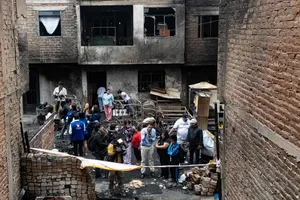
At least 10 people have died after a fire broke out in a h...

Yemen's Houthis have claimed to have attacked two Saudi oi...

The trial of ousted Venezuelan President Nicolas Maduro on...

At a time when industrial products are increasingly taking...

Trust among people is not just a three-syllable word. It c...

Master of humor Todi Llupi has passed away at the age of 7...

The ninth edition of "MIK Festival" kicked off with one of...
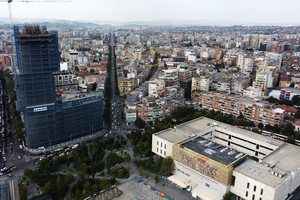
The average sale price of apartments in Tirana reaches rec...

This Thursday, one US dollar is bought for 81.5 lek and so...

The price of diesel reached 206 lek per liter from 198 lek...

Businesses will no longer be required to simply register t...